- English
- French
- German
- Portuguese
- Spanish
- Russian
- Japanese
- Korean
- Arabic
- Greek
- German
- Turkish
- Italian
- Danish
- Romanian
- Indonesian
- Czech
- Afrikaans
- Swedish
- Polish
- Basque
- Catalan
- Esperanto
- Hindi
- Lao
- Albanian
- Amharic
- Armenian
- Azerbaijani
- Belarusian
- Bengali
- Bosnian
- Bulgarian
- Cebuano
- Chichewa
- Corsican
- Croatian
- Dutch
- Estonian
- Filipino
- Finnish
- Frisian
- Galician
- Georgian
- Gujarati
- Haitian
- Hausa
- Hawaiian
- Hebrew
- Hmong
- Hungarian
- Icelandic
- Igbo
- Javanese
- Kannada
- Kazakh
- Khmer
- Kurdish
- Kyrgyz
- Latin
- Latvian
- Lithuanian
- Luxembou..
- Macedonian
- Malagasy
- Malay
- Malayalam
- Maltese
- Maori
- Marathi
- Mongolian
- Burmese
- Nepali
- Norwegian
- Pashto
- Persian
- Punjabi
- Serbian
- Sesotho
- Sinhala
- Slovak
- Slovenian
- Somali
- Samoan
- Scots Gaelic
- Shona
- Sindhi
- Sundanese
- Swahili
- Tajik
- Tamil
- Telugu
- Thai
- Ukrainian
- Urdu
- Uzbek
- Vietnamese
- Welsh
- Xhosa
- Yiddish
- Yoruba
- Zulu
Buy Portrait Floor Standing Digital Signage for Retail & Events
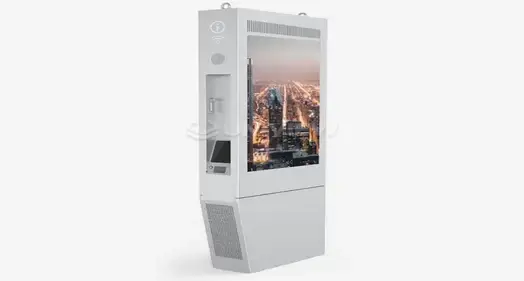
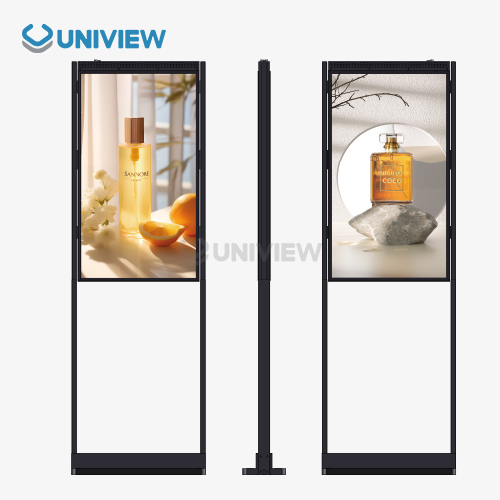
Portrait floor standing digital signage is a game-changing investment for companies that want to communicate visually in store and event settings in a lively way. These upright display units make interesting customer experiences by combining portability, visual impact, and high-tech design. Portrait floor standing digital signage has screens from 32 to 65 inches and can be as bright as 4000 nits.
Understanding Portrait Floor Standing Digital Signage
Portrait floor standing digital signage stands out because its displays are set up vertically, which makes them perfect for places where visual order and powerful presence are very important. Unlike traditional landscape or wall-mounted displays, these stand-alone units can be placed in a lot of different ways. They are also built to last, so they can be used in busy event spaces and shop floors.
Key Features and Technical Specifications
Modern portrait displays have basic features that allow for a range of screen sizes, from 32 inches to 65 inches. This gives businesses a lot of choices to fit their space needs and audience reach goals. Sharp images on high-resolution panels grab people's attention even in dimly lit rooms, and touchscreens let customers interact with the screens in a way that turns passive watching into active involvement.
Advanced light technology makes it possible to see in a variety of settings. Premium types get 2000 to 4000 nits of brightness, which is better for use outside. With its high brightness and anti-glare AR glass covering, this screen keeps images clear even in bright sunlight or strong artificial lighting as you'd find in stores or at outdoor events.
Durability and Environmental Resistance
The design of these units enables them to handle the heavy use that is common in business settings. Environmental protection grades from IP65 to IP66 offer full resistance to dust and water, making them perfect for use in both indoor and outdoor event installations and retail areas. By using European surface treatment technology, the material is more resistant to rust, which means it will last longer even in bad weather.
Modern units use technologies that use less energy, which lowers running costs while keeping performance constant. Advanced heat absorption systems make sure that the machine works reliably for long periods of time, and its low noise level of only 60 decibels keeps customer-facing areas comfortable.
How to Choose the Best Portrait Floor Standing Digital Signage?
To find the best vertical display options, you need to follow a structured buying process that is based on clear business needs and technical standards. B2B buyers need to carefully consider a lot of different factors to make sure that their investment gives them the best return on investment while also meeting operating needs.
Technical Evaluation Framework
The resolution of a display is what makes it good, and 4K Ultra HD is quickly becoming the standard for professional setups. Specifications for brightness must match the placement setting. For example, 500 to 1500 nits are usually needed in store spaces inside, while 2000 to 4000 nits are needed outside or in places with a lot of ambient light for best visibility.
Software compatibility is an important factor that often affects the long-term success of an activity. Content management systems should work well with other marketing tools and have easy-to-use screens for employees who aren't tech-savvy. Cloud-based options allow for remote control, which is necessary for deployments in more than one place.
Comparing Installation Options
Floor-standing setups work best when they need to be moved around a lot or when they need to be set up temporarily, like at an event. Their ability to move around easily is especially useful during seasonal sales or changing displays with special offers. When deciding between floor-standing and wall-mounted options, things like ceiling height, traffic flow, and security needs should be taken into account.
The reputation of the brand and the dependability of the seller have a direct effect on the safety of buying and the quality of ongoing support. Manufacturers that have been around for a while and have a track record in business display technology give customers more trust in the durability and availability of their products and services. Adding extra safety for big investments is warranty terms that last between 3 and 5 years.
Installing and Using Portrait Floor Standing Digital Signage
Installing and using vertical displays correctly are two very important factors that determine how well they work in the long run. Strategic planning during the distribution phase stops common problems before they happen and makes sure that performance stays high.
Site Preparation and Assembly Requirements
A full site survey that includes power access, network connectivity choices, and environmental factors that may affect performance is the first step to a successful installation. The floor must be stable enough to hold parts that weigh between 50 and 80 pounds when they are fully put together. Thermal problems that could shorten the life of something can be avoided by making sure that places where heat is lost have enough airflow.
The steps for putting something together depend on the maker, but in general, you only need a few simple tools and two to three hours of training to do it. For important operations or when special mounting gear is needed for extra protection, it's best to hire a professional installation service.
Content Management Integration
Modern units work perfectly with content management software that is easy for anyone to use. This software turns static screens into moving marketing platforms. These systems allow material to be rotated on a schedule, changes to happen in real time, and performance data that improve engagement measures. Integration with current inventory and CRM systems lets you send personalised messages to customers and make focused deals.
Maintenance Best Practices
Regular care plans are meant to protect the quality of the monitor and make it last longer in harsh business settings. Cleaning screens the right way with the right tools keeps anti-glare surfaces from getting damaged and keeps vision at its best. Updates and security changes for software make sure that it stays compatible with content management systems that are always changing.
Monitoring the surroundings is especially important in stores, where changes in temperature and buildup of dust can hurt the function. Regular maintenance plans should include cleaning the fans, checking the connections, and making sure the tuning is correct so that the colour accuracy and light levels stay the same.
Cost, Procurement, and Bulk Purchase Insights
When making big investments in portrait floor standing digital signage, it's helpful to know how everything works, including how much things cost and how to get them. Price factors include more than just the original cost of buying something. They also include the costs of installation, ongoing upkeep, and creating content.
2024 Pricing Analysis
Quality vertical displays cost between $2,500 and $8,000 each on the market right now, based on the size of the screen, the number of features, and how the brand is positioned. High-end types that can withstand extreme weather and produce ultra-high levels of light cost more, but they work better in tough conditions.
The cost of buying software varies a lot depending on how much it is used and what features are needed. Basic content management platforms can range anywhere from $50 to $200 per display per month. On the other hand, business solutions with advanced analytics and interaction tools can cost $500 or more per month for full packages.
Bulk Purchase Advantages
When you buy in bulk, you can save a lot of money and get better help for big deployments. Manufacturers usually offer tiered prices, with savings of 10 to 25 per cent for orders of 10 to 50 units or more. When you buy in bulk, you can also customise the items by adding your own brand, special mounting hardware, and software that is already set up and ready to use.
When planning a job, lead time is very important because custom configurations can take 6 to 8 weeks to make and send. Working with well-known suppliers who keep enough supplies on hand can help keep rollout delays to a minimum and ensure that the quality of products is the same for all big orders.
Rental options give you options for short-term events, and daily rates usually range from $150 to $400, based on the screen size and feature needs. This method lets you run seasonal campaigns or event marketing without having to make long-term financial investments.
Future Trends and Innovations in Portrait Floor Standing Digital Signage
Technology improvements that make digital signs more useful while making them easier to use are changing the world of digital signs very quickly. Knowing about new trends helps buying workers make smart investment choices that will still be useful as technology changes.
Emerging Technology Integration
Ultra-high-definition 8K screens are starting to hit the market. They offer picture quality that has never been seen before, making the watching experience more immersive. Even though it's expensive right now, early adoption gives you a competitive edge in high-end shopping and event settings where picture quality has a direct effect on how people see your brand.
Adding artificial intelligence lets you predict how to improve material based on the demographics of your audience, their viewing habits, and the conditions of the surroundings. These smart systems change the colour, the content, and the time of the display automatically to keep people interested while using as little energy as possible.
IoT Platform Connectivity
When you connect screens to the internet of things, they become networked communication tools that can collect and analyse data in real time. This connection lets you do online diagnostics, plan maintenance ahead of time, and keep an eye on the overall performance of your spread deployments.
Advanced analytics tools give information about how viewers interact with material, when they watch it most, and how successful it is. This strategy is based on data, which means that marketing messages can always be improved and operations can become more efficient. The measured performance gains make the investment worth it.
Sustainability Initiatives
LED backlighting technology and clever power control systems are making it easier to use less energy. Modern units use 30–50% less energy than older models, but they still meet higher standards for light and colour accuracy.
Companies that care about the environment will like sustainable manufacturing methods and materials that can be recycled. These methods also help companies reach their sustainability goals. Modular designs allow for longer product lifecycles so that parts can be upgraded instead of whole units being replaced. This lowers the impact on the environment and the total cost of ownership.
Conclusion
Portrait floor standing digital signage is a smart investment that changes how you can connect with customers and gives you measured results by making your brand more visible and your operations more efficient. With the detailed evaluation approach laid out in this guide, procurement professionals can make smart choices that meet specific business goals and practical needs. To be successful, you need to carefully think about the technical requirements, how to put it together, and what upkeep is needed to keep it running at its best. As technology changes, companies that are ahead of the curve and buy high-quality solutions with upgrade paths will stay ahead of the competition and get the most out of their digital signage assets.
FAQ
What are the main differences between portrait and landscape digital signage configurations?
Portrait position makes the most of vertical room and gives the screen a strong visual presence, which is great for stores that don't have a lot of floor space. The vertical style fits better with how people naturally view things and how mobile devices are used, which makes it easier for interactive apps to work. Landscape layouts are better for video material and wide-format ads, but they need more horizontal room and might not stand out as well in stores with a lot of people.
Can portrait floor standing units withstand outdoor event installations?
Outdoor units of good quality have weather resistance grades of IP65 or IP66, which protect them from rain, dust, and changes in temperature. Up to 16 levels of wind resistance make sure that the device stays stable during outdoor events, and ultra-bright screens keep things visible in direct sunlight. But temporary sites should have extra safety features and ways to check the weather to make sure they don't get damaged in bad weather.
How important is it for long-term success that software compatibility for long-term success?
The organisational freedom and scalability possibilities of digital signage assets depend on how well they work with other software. Compatible systems can work with marketing platforms, product management systems, and data tools that are already in place without any problems. Cloud-based content management tools allow for online access, which is necessary for businesses with multiple locations, and make sure that all displays show the same message. Proprietary software solutions may make it harder to change in the future and raise costs over time.
What maintenance requirements should be expected for high-traffic retail environments?
Installations that get a lot of use need to be cleaned once a month to keep the screen clear and checked for problems every three months by a technician. Regularly installing software changes is the best way to keep it safe and work with content management systems. Professional repair services can make an item last longer and keep it from breaking down during busy shopping times, which can cost a lot.
How do bulk purchase agreements affect warranty and support terms?
When you buy a lot of something, the guarantee usually gets longer, from the normal 3 years to 5 years of full coverage. Most of the time, bulk deals give you faster access to replacement parts, priority technical help, and dedicated account management. These better terms lower operating risk and total cost of ownership for big deployments while making sure that all units work at the same level.
Partner with Uniview Commercial for Premium Portrait Floor Standing Digital Signage Solutions
Are you ready to change the look of your store or event place with cutting-edge vertical display technology? Uniview Commercial is a reliable company that makes portrait floor standing digital signage. They offer cutting-edge LCD solutions that keep people interested and get real results. Our team of experts can help you choose the best options that meet all of your business goals and practical needs through full consultation services. With experience in more than 100 countries and a guarantee that lasts up to 5 years, we make sure that your investment lasts and performs exceptionally well. Get in touch with our experts at sales@univiewlcdisplay.com to talk about unique solutions that will help your brand stand out and get more customers involved.
References
1. Digital Signage Market Analysis: Portrait vs. Landscape Configurations in Retail Environments, Commercial Display Industry Report, 2024.
2. Procurement Best Practices for Large-Scale Digital Signage Deployments, B2B Technology Acquisition Quarterly, Vol. 15, No. 3.
3. Weather Resistance Standards and Testing Protocols for Outdoor Digital Display Equipment, International Electronics Standards Consortium, 2024.
4. Energy Efficiency Trends in Commercial Digital Signage: A Comparative Analysis, Sustainable Technology Review, March 2024.
5. ROI Measurement Frameworks for Digital Signage Investments in Retail and Event Applications, Marketing Technology Analytics Journal, 2024.
6. Future Technology Integration Roadmap for Interactive Digital Signage Systems, Commercial Electronics Innovation Summit Proceedings, 2024.
Learn about our latest products and discounts through SMS or email