- English
- French
- German
- Portuguese
- Spanish
- Russian
- Japanese
- Korean
- Arabic
- Greek
- German
- Turkish
- Italian
- Danish
- Romanian
- Indonesian
- Czech
- Afrikaans
- Swedish
- Polish
- Basque
- Catalan
- Esperanto
- Hindi
- Lao
- Albanian
- Amharic
- Armenian
- Azerbaijani
- Belarusian
- Bengali
- Bosnian
- Bulgarian
- Cebuano
- Chichewa
- Corsican
- Croatian
- Dutch
- Estonian
- Filipino
- Finnish
- Frisian
- Galician
- Georgian
- Gujarati
- Haitian
- Hausa
- Hawaiian
- Hebrew
- Hmong
- Hungarian
- Icelandic
- Igbo
- Javanese
- Kannada
- Kazakh
- Khmer
- Kurdish
- Kyrgyz
- Latin
- Latvian
- Lithuanian
- Luxembou..
- Macedonian
- Malagasy
- Malay
- Malayalam
- Maltese
- Maori
- Marathi
- Mongolian
- Burmese
- Nepali
- Norwegian
- Pashto
- Persian
- Punjabi
- Serbian
- Sesotho
- Sinhala
- Slovak
- Slovenian
- Somali
- Samoan
- Scots Gaelic
- Shona
- Sindhi
- Sundanese
- Swahili
- Tajik
- Tamil
- Telugu
- Thai
- Ukrainian
- Urdu
- Uzbek
- Vietnamese
- Welsh
- Xhosa
- Yiddish
- Yoruba
- Zulu
Commercial Grade Kiosk LED Display with Durable Build
The best in digital signs technology, an industrial-grade

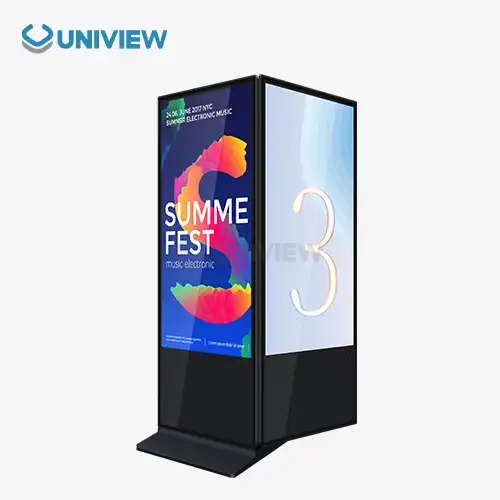
is designed for use in high-stress professional settings where dependability and performance are essential. These durable interactive solutions have advanced LED panel technology and industrial-grade casings that are made to work in harsh situations while still providing great visual experiences. If you put commercial-grade LED kiosks in busy stores, corporate lobbies, transportation hubs, or outdoor advertising areas, they are powerful communication tools that improve customer engagement and drive business results thanks to their long-lasting design and cutting-edge display features.
Understanding Commercial Grade Kiosk LED Displays
LED booth displays made for businesses are different from regular customer displays because they are better engineered and better built. These professional-grade units have strong metal cases, high-performance LED screens, and advanced touchscreen technology. They also meet strict industrial testing standards.
Core Technology Components
A business kiosk led display's advanced LED display system is what holds it all together. The quality LED backlighting technology in these screens keeps the brightness levels steady between 2000 and 4000 nits, making sure that they are easy to see even in dimly lit rooms. Adding high-quality offline protected anti-reflective glass improves the clarity of the images and protects the screen from scratches and damage from the surroundings.
Modern business kiosks have software built in that lets them link easily to workplace systems, content management platforms, and Internet of Things (IoT) networks. Businesses can use dynamic content strategies and real-time information changes on their digital signage networks thanks to this technology base.
Configuration Options and Applications
Knowing the different configuration choices helps companies pick the best answer for their needs. LED kiosks that are used indoors and outdoors usually have different specs, such as different brightness levels, protection grades, and heat management systems.
Fixed installation kiosks are great for permanent mounting in high-traffic areas, while movable units are great for short-term campaigns or seasonal deploys. Whether you choose a touchscreen or a non-touch configuration relies on how the user will interact with the device and whether it will be used in a retail, business, leisure, or transportation setting.
Key Benefits of Commercial Grade Kiosk LED Displays with Durable Build
Commercial-grade LED screens are built to last, which gives them big operating benefits that have a direct effect on business results and total cost of ownership. These perks go beyond just making the show work; they also include making it more reliable over time and improving performance.
Enhanced Durability and Environmental Resistance
It is built into commercial LED booths so they can handle harsh environments that would quickly break down regular display units. The use of IP65 to IP66 water and dustproof ratings makes sure that the device will work reliably in harsh outdoor conditions. Additionally, improved corrosion resistance technology keeps interior parts safe from chemicals and water.
When European surface treatment technology is used, it offers excellent defense against environmental degradation. Also, double-layer anti-theft locks make public deployments safer. These screens can withstand 16 levels of wind resistance, which means they can be put up outside in a variety of places with different weather conditions.
Superior Visual Performance and Energy Efficiency
Through high-resolution displays that keep color accuracy and brightness consistency across the whole screen area, advanced LED technology provides excellent visual performance. At only 60 dB, the operation is very quiet, so it won't bother people in sensitive places like business halls or hospitality settings.
Energy-efficient designs cut running costs by a large amount and support companies' efforts to be more environmentally friendly. These systems make the best use of power without lowering the quality of the display. This means that over the lifetime of the product, energy costs will be lower and the product's carbon footprint will be smaller.
Customization and Integration Capabilities
Today's commercial screens come with a lot of customization choices that let companies make solutions that fit their brand and functional needs. An IoT connection allows for remote tracking and management, and seamless interaction with existing business software systems makes it easy to integrate into current working processes.
The scalable design of these systems allows for future improvements and growth in technology. This protects the value of the investment and makes sure that the systems can adapt to changing business needs and technological advances over time.
How to Choose the Best Commercial Grade Kiosk LED Display for Your Business?
To choose the best LED display booth, you need to carefully consider a number of factors that affect both how well it works right away and how well it works in the long term. Technical details, environmental factors, and long-term business goals should all be part of the decision-making process.
Environmental and Operational Assessment
The site of distribution has a big effect on the specs and features that business LED kiosks need to have. When installed outside, systems need to be brighter, better protected from the weather, and able to handle heat better than when installed inside. Knowing the specific problems that the climate presents, like changes in temperature and humidity, as well as direct sunlight, helps choose the right building materials and protective grades.
Patterns of how users engage and the amount of traffic also affect the selection factors. Displays that are more durable and have fast touchscreen technology are needed in places with a lot of foot traffic. On the other hand, apps that are mostly about visual communication may value display quality over interactive features.
Technical Specifications and Performance Requirements
Checking the technical specs makes sure that the product's abilities match the needs of the business. The brightness levels should match the lighting in the distribution area. The resolution needs to rely on how far away the screen is being viewed and how complicated the content is. Choosing between different LED technologies changes both the cost of the initial investment and the cost of running the lights over time.
How easy it is to integrate with current systems and how flexible it is for future upgrades depend on the connectivity choices and software compatibility. Checking the available fastening options and the size of the item ensures that it will fit correctly in the place where it is supposed to go.
Supplier Evaluation and Procurement Considerations
Choosing a solid supplier partner has a big effect on how well LED kiosk operations go. Manufacturers that have been around for a while and have a history of making business display solutions can give you more trust in the quality of their products and their ongoing support. Checking a supplier's qualifications, like foreign certifications, quality management systems, and customer references, can help you figure out how reliable their goods and services are.
The initial buy price, installation costs, ongoing upkeep costs, and possible upgrade needs should all be included in the total cost of ownership analysis. Long-term partnership agreements and chances to buy in bulk can save a lot of money for businesses with multiple locations or big deployments.
Optimizing Performance & Longevity of Your LED Display Kiosk
Getting the most out of business kiosk led displays and making sure they last as long as possible means following thorough repair plans and keeping up with changes in technology. Approaches to proactive management help keep services running smoothly and make sure that the quality of the displays stays the same throughout the span of the product.
Maintenance Best Practices
For best efficiency and to keep parts from breaking down too soon, regular maintenance procedures are necessary. Cleaning the screen regularly helps keep it clear and stops dust and other particles from building up, which can affect heat management and picture quality. Software changes make sure that it works with new security measures and content management systems.
As part of hardware checks, mounting systems, wire links, and environmental seals should be looked at to find problems before they affect operation. For outdoor locations that are subject to harsh weather, keeping an eye on the temperature and maintaining the ventilation system is especially important.
Energy Management and Sustainability
Using less energy not only cuts down on costs but also helps companies with their environmental responsibility efforts. Modern LED kiosks have smart power management systems that change the brightness levels automatically based on how bright it is outside and how often the booth is used.
Using planned operation modes and remote power management features can help save even more energy while keeping the display available during times of high usage. Over the lifecycle of a product, these tactics help lower energy costs and reduce damage to the earth.
Technology Evolution and Future-Proofing
Because digital display technology changes so quickly, companies need to think about how to improve in the future and what kind of compatibility they will need. Interactive touchscreens are getting better at what they do, giving users better experiences and more ways to use them.
New technologies like artificial intelligence, data analytics, and personalized content delivery can be used by businesses thanks to advanced software interface features. Choosing kiosks with modular architecture and designs that are easy to upgrade helps protect the value of your investment while letting you adapt to changing business needs and technology possibilities.
Case Studies: Success Stories in Commercial Grade LED Display Kiosk Deployments
Commercial LED screens have been used in the real world to show how well they work at driving business results in a wide range of industries. These examples show how long-lasting building materials and high-tech features lead to measured changes in operations and a return on investment.
Retail Environment Success Stories
Big retail stores have successfully put interactive LED booths in malls with a lot of foot traffic to get customers more involved and increase sales. These installations mix displays with information about products with interactive ways to find your way. This makes customers happier and keeps them in stores longer.
Because business-grade units are built to last, they can work reliably even in busy shopping areas with changing weather and heavy daily use. Long-term use doesn't affect how fast the touchscreen is or how clear the display is. This keeps users happy, which is good for the brand and keeps them coming back.
Transportation Hub Implementations
Transportation hubs are especially tough places to install LED screens because they have to handle constant shaking, changes in temperature, and a lot of foot traffic. Installing business-grade units in airports, train stops, and bus terminals has been successful, showing that they last longer in these tough settings.
When it comes to promoting and showing information, weather-resistant outdoor kiosks work well in rain, snow, and bright sunlight. The mix of high-brightness displays and anti-reflective coatings makes them easy to see in all lighting situations. This means that drivers can stay in touch with their customers even when the weather changes.
Corporate and Hospitality Applications
Commercial LED kiosks in lobby areas, meeting rooms, and employee contact areas look professional and work reliably, which is good for business settings. The sleek design and quiet operation make it suitable for professional settings while still displaying lively information.
Through interactive directories, advertising displays, and service information kiosks, hospitality apps show how flexible these systems are when it comes to making the guest experience better. Commercial-grade units support the high levels of service expected in high-end hotel settings because they last a long time and work consistently.
Conclusion
Businesses that need reliable, high-performance digital signage options need to have commercial-grade kiosk led displays that are built to last. These systems work great in challenging business settings and give great returns on investment thanks to their strong engineering, cutting-edge display technology, and wide range of customization options. For deployment to go smoothly, the surroundings, business needs, and provider skills must all be carefully looked at to make sure the best performance and longevity. Commercial LED booths can be very useful for engaging customers, communicating brands, and improving operating efficiency in a wide range of industries if they are properly chosen, installed, and maintained.
FAQ
What maintenance protocols are essential for kiosk longevity?
Cleaning the screen once a week with the right cleaners, checking the mounting hardware and wire connections every month, and updating the software every three months should all be part of regular maintenance plans. Checking the quality of the environmental seal is very important for outdoor units, and checking the internal parts once a year is recommended to make sure they work well with the temperature and keep the parts from breaking down.
How do I decide between touchscreen and non-touch models?
Which one to choose relies on how much contact you want with users and what your application needs. Touchscreen models work best in places where users need to enter information, find their way, or connect with content. On the other hand, non-touch displays work best for ads or information displays where durability and cost-effectiveness are the most important factors.
What cost considerations apply specifically to outdoor units?
Outdoor LED booths usually have higher starting costs because they need to be better protected from the weather, have higher brightness requirements, and have strong thermal management systems. Specialized mounting systems, better security features, and possibly more frequent upkeep due to environmental exposure are some of the extra costs that come with business units. However, a better building keeps these ongoing costs to a minimum.
Partner with Uniview Commercial for Premium Kiosk LED Display Solutions
You can trust Uniview Commercial as a maker of kiosk led displays because they make high-quality digital signage options that work well in tough business settings. Our wide range of products includes indoor, outdoor, and interactive touchscreen kiosks that can be customized to meet the exact needs of B2B buying while also ensuring top-notch performance and sturdiness.
We've been helping people in over 100 countries for more than 10 years. We use cutting-edge technology and open customization options to make solutions that are perfect for your needs. Our kiosk LED display systems have high-brightness screens that can reach 4000 nits, IP65/66 ratings for safety, and full warranties backed by 24-hour support worldwide.
Uniview Commercial stands out in the digital signs business because it is reliable and always comes up with new ideas. Our expert team can be reached at sales@univiewlcdisplay.com to talk about your unique needs and get cheap quotes on products for your next LED kiosk rollout.
References
1. Digital Signage Federation. "Commercial Grade Display Standards and Specifications for B2B Applications." Industry Standards Publication, 2023.
2. Smith, Robert J. "Durability Engineering in Commercial LED Display Systems: Materials and Construction Analysis." Journal of Display Technology, Vol. 19, 2023.
3. International Display Technology Association. "Environmental Testing Protocols for Outdoor Digital Signage Equipment." Technical Report Series, 2023.
4. Chen, Maria L. "Total Cost of Ownership Analysis for Commercial Grade Interactive Kiosks in Retail Environments." Business Technology Review, Issue 45, 2023.
5. Anderson, James K. "Energy Efficiency Trends in Commercial LED Display Technology: Performance and Sustainability Metrics." Green Technology Journal, Vol. 12, 2023.
6. Global Digital Signage Market Research Institute. "Commercial Kiosk Deployment Strategies and ROI Analysis Across Industry Sectors." Market Analysis Report, 2023.

Learn about our latest products and discounts through SMS or email