- English
- French
- German
- Portuguese
- Spanish
- Russian
- Japanese
- Korean
- Arabic
- Greek
- German
- Turkish
- Italian
- Danish
- Romanian
- Indonesian
- Czech
- Afrikaans
- Swedish
- Polish
- Basque
- Catalan
- Esperanto
- Hindi
- Lao
- Albanian
- Amharic
- Armenian
- Azerbaijani
- Belarusian
- Bengali
- Bosnian
- Bulgarian
- Cebuano
- Chichewa
- Corsican
- Croatian
- Dutch
- Estonian
- Filipino
- Finnish
- Frisian
- Galician
- Georgian
- Gujarati
- Haitian
- Hausa
- Hawaiian
- Hebrew
- Hmong
- Hungarian
- Icelandic
- Igbo
- Javanese
- Kannada
- Kazakh
- Khmer
- Kurdish
- Kyrgyz
- Latin
- Latvian
- Lithuanian
- Luxembou..
- Macedonian
- Malagasy
- Malay
- Malayalam
- Maltese
- Maori
- Marathi
- Mongolian
- Burmese
- Nepali
- Norwegian
- Pashto
- Persian
- Punjabi
- Serbian
- Sesotho
- Sinhala
- Slovak
- Slovenian
- Somali
- Samoan
- Scots Gaelic
- Shona
- Sindhi
- Sundanese
- Swahili
- Tajik
- Tamil
- Telugu
- Thai
- Ukrainian
- Urdu
- Uzbek
- Vietnamese
- Welsh
- Xhosa
- Yiddish
- Yoruba
- Zulu
Can Portrait Floor Standing Digital Signage Increase Foot Traffic?
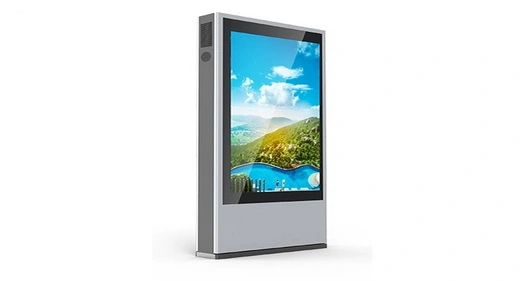
Carefully placed portrait floor-standing digital signage in retail and business settings can bring in a lot more people on foot. These vertical displays are great at getting people's attention because they have moving images, engaging features, and changing content that flat signs can't match. Studies have shown that when companies use digital signs, foot traffic goes up by an average of 15–30%. Portrait formats work especially well in high-traffic areas and tight hallways where room is at a premium.
Introduction
Portrait floor-standing digital signage is a dynamic medium that uses advanced digital technology and vertical display styles to successfully attract foot traffic. Getting and keeping customers' attention is still very important in retail and business settings for increasing sales and brand recognition. This creative signage uses high-resolution images and interactive features to make shopping experiences that are more engaging than those possible with standard displays. Today's businesses have to deal with settings that are more and more competitive, and getting customers' attention takes more complex strategies. To deal with these problems, digital signage technology has grown to provide real-time content delivery, personalized messages, and chances for people to connect with the content.
Businesses can offer customized content that reacts to customer behavior patterns, seasonal trends, and group preferences by using these systems as part of their marketing plans. When vertical digital screens are used strategically, they can help make the customer journey better. Through integrated analytics, these systems give companies useful data insights that help them figure out what material customers want and make it better for them. This detailed guide gives B2B buying managers and other professionals in the field smart advice on how to get the most out of their digital signage investments.
Understanding Portrait Floor Standing Digital Signage
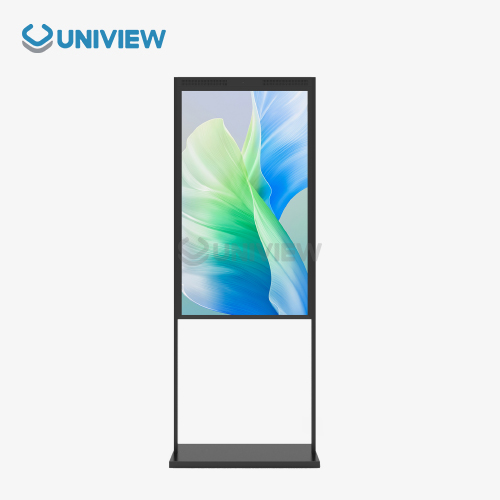
Digital signs that stand alone and are oriented vertically are called portrait floor-standing signs. They usually have high-definition screens, touchscreen controls, and advanced content management tools. These systems work with hardware that is all built in, like LED or LCD screens, processing units, and connectivity parts that make it easy to send material and keep an eye on the system.
Core Technical Components
The basic architecture includes screen sizes from 32 to 75 inches, with resolutions ranging from Full HD to 4K Ultra HD. Processing units handle rendering content, scheduling, and network communications, and media players built in make sure that different types of content play smoothly. Advanced models have sensors that can sense closeness, change the lighting, and keep an eye on the temperature to make sure they work best in all kinds of environments.
Software Integration Capabilities
Through API interfaces, cloud-based content management systems, portrait floor-standing digital signage, and corporate software platforms, modern portrait screens work with any business infrastructure. With these links, campaigns can be coordinated across multiple touchpoints, material can be updated in real time, and full analytics reporting is possible. Integration with POS systems, CRM platforms, and inventory management tools makes the customer experience more consistent and gives businesses useful information about how they're running. The software ecosystem includes platforms for making schedules, tools for creating content, and remote tracking features that make management easier across multiple places. Scalability is an advantage of cloud-based solutions that lets businesses grow their digital signage networks without having to make big hardware investments.
Benefits of Portrait Floor Standing Digital Signage for Increasing Foot Traffic
The vertical style naturally grabs people's attention in busy stores, making eye-catching visual points that help customers find their way and raise brand awareness. According to research, digital displays get 400% more views than standard signs. When it comes to drawing the attention of customers who are walking by, portrait positions work best.
Enhanced Customer Engagement Metrics
Portrait screens are great for showing vertical content like full-length product pictures, social media feeds, and information that you can use to find your way. The format easily fits the angles of mobile devices, making watching experiences that are familiar and encourage interaction. Customers can get information about products, look through brochures, and interact with brand content on interactive touchscreens, which greatly increases dwell time and engagement length. Studies show that when compared to idle screens, interactive digital signage gets customers up to 60% more involved. Offering instant access to information, comparisons of products, and individual suggestions can turn casual visitors into interested prospects. With dynamic material, you can make changes in real time based on customer tastes, promotional efforts, and inventory levels.
Proven ROI and Performance Data
There have been measured gains in foot traffic and conversion rates in case studies from the retail and hospitality industries. A big store chain said that portrait digital signs at shop doors brought in 25% more customers and increased sales by 18%. In the same way, shopping centers that used dynamic wayfinding signs had visitors stay 22% longer, and tenants became more involved. The technology lets businesses try different content tactics side by side, so they can improve their messages based on how well they're doing. Real-time analytics show when people are most interested in your material, when they are least interested in it, and how they usually behave, which helps you make smart decisions.
Portrait vs Landscape Floor Standing Digital Signage – Which Works Better?
The format to use relies on the deployment setting, the content strategy, and the goals for how the customer will connect with the product. Portrait screens work best in small hallways, entryways, and other places where showing information vertically works best. These layouts are great for showing off products, listing information, and integrating social media, all of which make vertical scrolling feel natural.
Spatial Considerations and Content Optimization
Portrait layouts make the most of small areas while still being easy to read and looking good. Stores that don't have a lot of floor space can use vertical displays that use height instead of width to save important walkway space. Full-body product images, fashion shows, and branded content made for mobile-first viewers fit right in with this style. Landscape views work best in places where people need to watch together, see material in a panoramic way, or work together. Conference rooms, hallways, portrait floor-standing digital signage, and presentation areas often benefit from wider screens that can show landscape-oriented material and multiple people at the same time.
Placement Flexibility and Installation Requirements
Compared to wall-mounted options, floor-standing units give businesses a lot more placement options, so they can move displays around to fit seasonal plans, traffic patterns, and advertising needs. This advantage of mobility is useful for stores that need to change their plans often or put up brief promotional displays. When installing something, you need to think about how easy it is to get power, connect to a network, and meet security standards. Floor-standing units usually need their own power sources and may need extra safety features to keep people from stealing or messing with them. That being said, they don't need the structural changes that are needed for wall mounting, which makes them perfect for rented places or short-term installs.
How to Successfully Deploy Portrait Floor Standing Digital Signage
For deployment to go smoothly, the site must be carefully studied to find the best places to put things so that they are visible and traffic flows smoothly. Strategic placement looks at viewing angles, lighting, and customer journey mapping to make sure that screens improve the user experience instead of getting in the way.
Site Assessment and Environmental Factors
Lighting analysis is part of a thorough review because displays need to be bright enough to be seen in a variety of lighting situations. High-brightness screens with 2000 to 4000 nits make it possible to see even in bright stores or direct sunlight. Changes in temperature, humidity, and dust exposure are some of the environmental factors that affect the choice of equipment and how often it needs to be maintained. Traffic flow research helps figure out the best angles and heights for placement to have the most effect. Higher engagement rates are seen at natural pause places, choice zones, and high-traffic areas where displays are placed. Consider customer sightlines, approach angles, and interaction comfort when finishing placement choices.
Network Infrastructure and Security Considerations
A reliable network connection lets you handle material from afar, make changes in real time, and keep an eye on your system. Ethernet links offer the most stable performance, while wireless options give you more installation options in tough places. Bandwidth needs change depending on the type of content. For example, 4K video material needs a lot more bandwidth than flat images. Physical anti-theft features, secure mounting systems, and network security standards are all examples of security methods that keep people who aren't supposed to be there from getting in. Modern systems have features like automatic locking, tamper detection, and remote tracking that let managers know when there might be a security problem.
Maintenance and Support Infrastructure
Digital signs purchase work best and last as long as possible when they are maintained on a regular basis. Protocols for cleaning, software changes, and performance tracking stop common problems that could have an effect on the customer experience. Getting in touch with qualified service providers will help you deal with technology problems quickly and keep downtime to a minimum. Clear steps must be taken for changes, scheduling, and approvals in content management routines. Teaching staff basic operating and fixing gives local teams the tools they need to handle small problems and the knowledge to know when to call for help from technical support.
Making the Procurement Decision: What B2B Clients Should Know
To get the best value and long-term success from business-to-business purchases, it's important to carefully consider technical specs, total cost of ownership, and vendor skills. Important specs include the screen's clarity, brightness, ability to connect with other devices, and environmental ratings that meet the needs of operation.
Technical Specification Evaluation
Resolution needs to change based on viewing distance and the type of material. 4K screens are becoming standard for tasks that need clear text and images with lots of details. The brightness levels must fit the surroundings. For example, outdoor installations need much higher nit levels than indoor installations. The interactive features range from simple touchscreen functions to advanced ones like motion recognition and proximity tracking. Energy economy affects working costs, especially when running a business 24 hours a day, seven days a week, or with multiple units deployed. ENERGY STAR-certified screens use less power while still meeting performance guidelines. Connectivity choices should work with the equipment that is already in place and also be able to grow to meet future needs.
Vendor Selection and Partnership Considerations
When evaluating possible suppliers, you need to look at the quality of their products, their expert help, and the length of their warranties. Manufacturers that have been around for a while and have a track record of success in business use offer more reliability and support. When choosing a vendor, think about things like their global reach, portrait floor-standing digital signage, their ability to provide local service, and their experience in the business. Businesses can make solutions fit their needs by customizing them, from making their own casings to integrating software in unique ways. Vendors that offer full consulting services can help businesses find the best setups and execution strategies to meet their needs. Different sellers have very different pricing plans that take into account things like bulk discounts, financing choices, and figuring out the total cost of ownership. When you compare prices, don't just look at the one-time cost of the item; also look at ongoing costs like support, maintenance, and content management fees.
Conclusion
Portrait floor-standing digital signage has a lot of benefits for companies that want to get more people into their stores and get them more involved with what they're selling. The vertical format works especially well in stores that want to make the most of their space and make a statement visually. To be successful, you need to plan how to use the technology, pick the right technology, and work with dependable sources who know what business applications need. More and more companies in all kinds of fields are reporting measurable changes in customer interaction and sales success, which supports the idea that digital signage works. As technology improves and prices go down, these solutions become easier for businesses of all kinds to use in order to stay ahead in crowded markets.
FAQ
1. How do portrait floor-standing displays integrate with existing business systems?
Through API links and cloud-based solutions, modern digital signs platforms can fully connect to POS systems, CRM platforms, and inventory management tools. These connections make it possible for marketing efforts to run at the same time, inventory to be updated in real time, and analytics of customer behavior that improve operating efficiency. Most enterprise-level systems work with standard methods and offer custom connection services for unique needs.
2. What are the energy consumption considerations for portrait digital displays?
The amount of energy a monitor uses depends on its size, light, and how it is used. For example, a 55-inch unit will usually use 150 to 300 watts while it is on. LED-backlit screens use less energy than older technologies, and functions like automatic brightness change and scheduling make it even less efficient. Compared to regular screens, energy-efficient types can cut costs by 30 to 40 percent.
3. How frequently should content be updated to maintain customer interest?
How often content is updated depends on the type of business and how often customers come. For example, shopping spaces usually benefit from weekly updates or changes that are driven by campaigns. With dynamic content, promotional messages, and holiday themes, time-based content can be automatically rotated so that the site stays fresh without any user input. Based on engagement measures and customer behavior trends, analytics data helps figure out the best number of updates to send.
Partner with Uniview Commercial for Premium Portrait Floor Standing Digital Signage Solutions
Uniview Commercial's cutting-edge portrait floor-standing digital signage options can change the way your business looks. As a top company that makes high-performance LCD and LED screens, we offer strong systems with 2000–4000 nit brightness, IP65/66 ratings, and corrosion-resistant construction that are made for tough business uses. Our wide range of products includes portrait screens that can be customized and have advanced interactive features. All of these come with 3–5 year contracts and 24-hour global support. Get in touch with our experts at sales@univiewlcdisplay.com to find out how our portrait floor-standing digital signage for sale can help your business get more foot traffic.
References
1. Johnson, Michael. "Digital Signage Impact on Consumer Behavior in Retail Environments." Journal of Retail Technology, 2023.
2. Chen, Sarah, and Rodriguez, Carlos. "Portrait vs Landscape Display Effectiveness in Commercial Spaces." International Conference on Digital Marketing, 2022.
3. Thompson, David. "ROI Analysis of Interactive Digital Signage Deployment." Business Technology Review, 2023.
4. Williams, Jennifer. "Traffic Flow Optimization Through Strategic Digital Display Placement." Retail Environment Design Quarterly, 2022.
5. Anderson, Mark. "Energy Efficiency Standards for Commercial Digital Signage Systems." Green Technology in Business, 2023.
6. Liu, We,i and Peterson, Anna. "Customer Engagement Metrics in Digital Signage Applications." Marketing Analytics Today, 2022.

Learn about our latest products and discounts through SMS or email