- English
- French
- German
- Portuguese
- Spanish
- Russian
- Japanese
- Korean
- Arabic
- Greek
- German
- Turkish
- Italian
- Danish
- Romanian
- Indonesian
- Czech
- Afrikaans
- Swedish
- Polish
- Basque
- Catalan
- Esperanto
- Hindi
- Lao
- Albanian
- Amharic
- Armenian
- Azerbaijani
- Belarusian
- Bengali
- Bosnian
- Bulgarian
- Cebuano
- Chichewa
- Corsican
- Croatian
- Dutch
- Estonian
- Filipino
- Finnish
- Frisian
- Galician
- Georgian
- Gujarati
- Haitian
- Hausa
- Hawaiian
- Hebrew
- Hmong
- Hungarian
- Icelandic
- Igbo
- Javanese
- Kannada
- Kazakh
- Khmer
- Kurdish
- Kyrgyz
- Latin
- Latvian
- Lithuanian
- Luxembou..
- Macedonian
- Malagasy
- Malay
- Malayalam
- Maltese
- Maori
- Marathi
- Mongolian
- Burmese
- Nepali
- Norwegian
- Pashto
- Persian
- Punjabi
- Serbian
- Sesotho
- Sinhala
- Slovak
- Slovenian
- Somali
- Samoan
- Scots Gaelic
- Shona
- Sindhi
- Sundanese
- Swahili
- Tajik
- Tamil
- Telugu
- Thai
- Ukrainian
- Urdu
- Uzbek
- Vietnamese
- Welsh
- Xhosa
- Yiddish
- Yoruba
- Zulu
Floor Standing Digital Display for Events, Malls & Hotels
Floor-standing digital screens are a revolutionary way to communicate visually in business settings. They can be used in a wide range of settings, such as events, shops, floor-standing digital display and hotels. These self-contained digital signage systems let you show changing material in ways that keep customers interested and make the delivery of information faster. Modern floor-standing digital display units combine cutting-edge LCD and LED technologies with sturdy housing designs, allowing companies to create engaging experiences that capture audiences while also offering useful functionality. Strategically placing these displays in public places is now necessary for businesses that want to boost brand awareness and improve working efficiency.
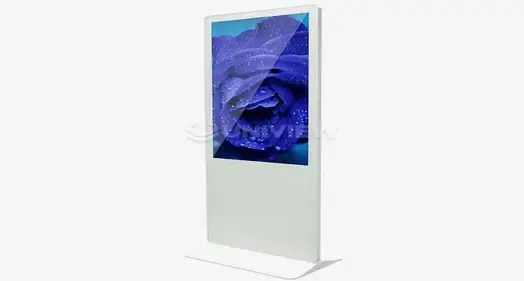
Understanding Floor Standing Digital Displays for Commercial Use
The old-fashioned static signs and the more advanced interactive technologies have been replaced by more advanced communication platforms on commercial floor-standing displays. These flexible units have high-tech display technologies, like high-resolution LCD screens and bright LED arrays, that are meant to give clear images in a range of lighting situations.
Core Technology Components
The technology that makes digital signs work is what makes them successful. Modern displays can handle 4K and Ultra HD resolutions, which means that material stays clear and interesting from a variety of watching angles. The brightness levels, which range from 2000 to 4000 nits, make it easy to see both inside and outside. The advanced heat absorption systems keep the performance stable even after long periods of use. Touch-screen technology turns passive screens into places where people can connect and learn. Capacitive touch technology correctly reacts to what the user types, making it easy to move between menus, maps, and advertising content. When content management systems are combined, they can be updated in real time and controlled from afar, which makes operations run more smoothly in many places.
Operational Benefits in Commercial Settings
Through dynamic content change and planned programming, these screens are great at getting people's attention. Digital displays change their content based on the time of day, the type of people who are viewing them, or events that are happening. This adaptability is very helpful in places where information needs change often, like meeting centers, shopping malls, and places where people gather. The gains in organizational efficiency go beyond just delivering information. Remote tracking lets you plan repairs ahead of time, which cuts down on downtime and makes sure that the system always works well. Energy-efficient designs keep running costs low and meet the sustainability standards that many businesses put at the top of their list when they buy things.
Choosing the Best Floor Standing Digital Display: Key Factors for B2B Buyers
To choose the right digital signs, you need to carefully look at the technical specs and make sure they match your unique operational needs. When making a choice, you have to look at a lot of different things that affect both the short-term and long-term usefulness.
Technical Specifications Analysis
Choosing the right floor-standing digital display screen size depends on how far away you want to see it and how much space you have in the room you want to use it. Displays from 32 inches to 86 inches can fit a variety of space needs. Larger screens are better for places with a lot of foot traffic where sight is important. Resolution isn't just about the number of pixels; it's also about aspect ratios and the ability to optimize material. Specifications for brightness must be in line with the lighting conditions around the subject. Most indoor settings need between 350 and 700 nits of brightness, while outdoor or places with a lot of natural light need higher amounts. Specifications for viewing angles make sure that the material can be seen from a variety of situations, which is especially important in places where people walk around in different ways.
Interactive Features and Durability Considerations
Adding a touch screen is very useful, but the reliability needs to be thought through first. Multitouch allows for more complex interactions, while single-touch methods are more cost-effective for simple navigation tasks. Capacitive or resistive touch methods should be chosen based on the surroundings and how the device will be used. There are clear benefits to both floor-standing and wall-mounted systems. Standing units on the floor are very easy to move and set up temporarily, which makes them perfect for events and advertising campaigns. Because they are portable, they can be moved with the seasons and used in ways that make the best use of the room that the installation can't. When things get tough, environmental safety scores become very important. The IP65 and IP66 grades protect against dust and water getting in, which is very important for outdoor uses or places with a lot of humidity. Specialized surface processes make things resistant to corrosion, which makes them last longer in seaside or industrial settings.
Application Scenarios: Optimizing Floor Standing Displays in Events, Malls & Hotels
Different business settings have different needs that affect the choice of displays and how they are used. Understanding these unique uses lets you choose the best configurations that give you the best return on your investment.
Event Venue Applications
Event settings need to be as flexible as possible and be able to launch quickly. Interactive guidance systems help people find their way around large sites, which makes the whole event experience better by cutting confusion. Real-time changes to the plan and last-minute messages reach everyone right away, without anyone having to do anything. The fact that floor-standing units are portable is very helpful when setting up and taking down an event. Modular designs let event planners change display patterns based on how many people are coming and how much room is needed. Battery-powered choices can be used in places where power isn't easily accessible, which increases the number of places where they can be put.
Shopping Mall Integration
Targeted advertising signs that react to shoppers' demographics and buying habits are good for stores. Customers can look at more information about a product in an interactive brochure than they can in a normal store display. Store listing systems that include maps make it easier for customers to find what they need while also making it easier for staff to help them. Through relationships with third-party content providers, digital advertising sites in malls bring in extra money. Being able to plan different material at different times of the day makes advertising more effective while still being relevant to shoppers' changing demographics at different times.
Hospitality Sector Implementation
Through interactive butler functions and local area information systems, digital screens in hotels improve the service they provide to their guests. Event plans and meeting room listings make running conferences easier and require less staff. Multilingualism makes sure that people from other countries can get information in the language they prefer. Interactive entertainment choices and methods for service requests make guests more interested. Modern displays look professional, which is in line with the standards of the hospitality business. They also have useful features that make the total guest experience better.
Procurement Guide: Buying, Customizing, and Maintaining Floor Standing Digital Displays
When you do strategic buying, you have to balance short-term needs with long-term business concerns. The buying process includes figuring out what the provider can do, a floor-standing digital display, what customization options are available, and what kind of ongoing help is needed.
Supplier Evaluation and Customization Options
Digital sign systems from well-known brands have a history of being reliable and coming up with new ideas. Because they can be customized, displays can be made to fit specific business and practical needs. Changes to the housing, custom mounting solutions, and custom software settings make it possible to integrate into current systems without any problems. Quality approvals and meeting foreign standards are signs that a product is reliable. Environmental approvals and Energy Star scores are in line with companies' efforts to be more environmentally friendly while also cutting costs. Warranty coverage and help available keep investments safe and make sure that products work the same way for as long as they are used.
Cost Analysis and Value Optimization
Price evaluation needs to look at more than just the original buy price. It also needs to look at the costs of installation, upkeep, and running the business. The way you use energy has a big effect on your long-term costs, so investing in styles that use energy efficiently is a good idea. The total cost of ownership should take into account the cost of software licenses, the need for content management, and any possible update options. When you buy in bulk, you can save money on operations with multiple units and make sure that everything is the same across all of them. Budget-friendly financing choices and rental programs are available for businesses that don't have a lot of cash on hand. Being able to gradually increase deployments lets companies test how well they work before making big investments.
Maintenance and Longevity Strategies
Routine repair plans make sure that equipment works well and lasts a long time. Software changes keep security standards up to date and add new features over time. Cleaning plans keep dust from building up and keep the quality of the show at its best, which is especially important in places with a lot of foot traffic. Troubleshooting skills and access to technology support help keep downtime to a minimum when there are practical problems. Remote troubleshooting tools make it easy to find and fix problems quickly, without having to go to the site. Preventive repair programs find problems before they affect processes, which makes sure that things work properly.
Market Trends and Future Outlook for Floor Standing Digital Displays
As technology keeps getting better, digital signage options keep getting better too, opening up new ways to make things work better and more efficiently. By understanding these trends, companies can make smart decisions about buying that set them up for future growth.
Emerging Technology Integration
Compared to traditional LCD screens, OLED technology has better color ratios and uses less energy. With the thinner profiles and flexible design choices, there are more ways to place them, and less room is needed. Modern LED technologies offer great light and color accuracy, making them ideal for challenging uses. Adding artificial intelligence makes it possible to optimize material intelligently based on metrics for audience research and involvement. Machine learning algorithms change the way displays work to make them more useful while lowering the amount of management that needs to be done by hand. Connecting things to the Internet of Things makes it possible to watch and handle many installations at once.
Industry Evolution and Growth Opportunities
More complex signage solutions are needed because of digital change projects in the retail, hotel, and event management industries. As marketing moves toward experiential marketing,floor-standing digital display engaging features and targeted content delivery are becoming more important. Companies know that digital screens are necessary to stay ahead of the competition when it comes to engaging customers. Sustainability standards affect what companies buy because they want to find energy-efficient options that are also in line with environmental goals. Using smart power control systems and green energy sources together cuts down on costs and helps companies meet their social responsibility goals.
Conclusion
Today's business settings need advanced ways to communicate that can change with the needs of the business while still providing steady performance. Digital displays that stand on their own give events, shops, and hotels the freedom, functionality, and dependability they need to meet these high standards. Picking the right display technology strategically, along with planning how to buy it and how to keep it in good shape, guarantees successful implementations that improve customer experiences and offer measured business value. Companies that buy good digital signage solutions set themselves up for long-term success in markets that are getting more and more competitive and where customer interaction and business efficiency are key to survival.
FAQ
1. What screen size works best for mall environments?
Screen sizes between 55 and 75 inches are best for seeing in most mall hallways and shared areas. Larger 86-inch screens work best in places with high ceilings and busy streets where they need to make the most impact. The final size choice should be based on the viewing distance and the lighting conditions to make sure that the content can be read from the predicted viewing ranges.
2. How do I evaluate energy efficiency in modern displays?
Ratings for energy use run from 150 to 400 watts, based on the type of technology and size of the screen. The brightness of LED illuminating systems is better than that of standard CCFL technology while using less power. Energy Star certifications show that a product meets standards for efficiency, and power control tools can lower usage when the product isn't being used.
3. What remote management capabilities are available?
Modern screens can be fully monitored from afar using cloud-based control systems. These systems let you schedule content, check on the health of devices, and fix problems from one central place. Real-time alerts let managers know about possible problems, and usage stats give them information they can use to make their optimization methods better.
4. How do I determine the right brightness level for my application?
350 to 700 nits are usually needed indoors, while 2000 to 4000 nits are needed outdoors or in places with a lot of natural light. When it comes to energy efficiency, lower settings can be used in controlled lighting conditions than in areas that get full sunlight. Automatic brightness sensors change the output based on the lighting conditions so that you can see clearly.
5. What customization options are available for specific branding requirements?
Customization choices include changing the color of the housing, adding a brand, and making your own mounting solutions. Brand colors and navigation designs that match the company's character standards can be used in software interfaces. Custom bezels and special fixing tools are examples of physical changes that can be made to meet specific installation needs.
6. How do I ensure long-term reliability and performance?
Screen cleaning and software changes are part of regular maintenance plans that keep things running at their best. Environmental security features, like IP65/IP66 grades, keep dust and water from doing damage. Quality parts and proper ventilation systems make sure that the system works consistently in tough business settings, and extended guarantee coverage protects your investment even more.
Transform Your Commercial Space with Uniview Commercial Floor Standing Digital Displays
Uniview Commercial provides state-of-the-art digital sign systems made especially for tough business settings. For more than ten years, we've been a floor-standing digital display maker, and our cutting-edge LCD and LED display technologies have helped clients in more than 100 countries. We offer a wide range of customization choices, from 4000-nit brightness panels to IP66-rated weatherproof housings that are highly resistant to rust. Our screens have ultra-clear AR glass technology, operate at a whisper-quiet 60 dB, and have strong security features like double-layer anti-theft locks. Talk to our knowledgeable staff at sales@univiewlcdisplay.com about your particular needs and find out how our 3–5 year guarantee and 24/7 global support can make your digital signage investment better.
References
1. Digital Signage Today: "Commercial Display Market Analysis: Floor Standing Solutions in Retail and Hospitality Sectors," Journal of Digital Marketing Technology, 2024.
2. International Association of Visual Communication Professionals: "Best Practices for Interactive Display Deployment in Commercial Environments," Commercial Signage Quarterly, 2024.
3. Retail Technology Review: "ROI Analysis of Digital Displays in Shopping Centers and Event Venues," Business Technology Journal, 2024.
4. Hospitality Technology Magazine: "Guest Experience Enhancement Through Digital Signage Integration," Hotel Management Review, 2024.
5. Commercial Real Estate Technology Report: "Energy Efficiency Standards for Digital Display Systems in Commercial Buildings," Facility Management Today, 2024.
6. Event Industry Association: "Technology Trends in Event Management: Digital Wayfinding and Information Systems," Event Planning Professional, 2024.

Learn about our latest products and discounts through SMS or email