- English
- French
- German
- Portuguese
- Spanish
- Russian
- Japanese
- Korean
- Arabic
- Greek
- German
- Turkish
- Italian
- Danish
- Romanian
- Indonesian
- Czech
- Afrikaans
- Swedish
- Polish
- Basque
- Catalan
- Esperanto
- Hindi
- Lao
- Albanian
- Amharic
- Armenian
- Azerbaijani
- Belarusian
- Bengali
- Bosnian
- Bulgarian
- Cebuano
- Chichewa
- Corsican
- Croatian
- Dutch
- Estonian
- Filipino
- Finnish
- Frisian
- Galician
- Georgian
- Gujarati
- Haitian
- Hausa
- Hawaiian
- Hebrew
- Hmong
- Hungarian
- Icelandic
- Igbo
- Javanese
- Kannada
- Kazakh
- Khmer
- Kurdish
- Kyrgyz
- Latin
- Latvian
- Lithuanian
- Luxembou..
- Macedonian
- Malagasy
- Malay
- Malayalam
- Maltese
- Maori
- Marathi
- Mongolian
- Burmese
- Nepali
- Norwegian
- Pashto
- Persian
- Punjabi
- Serbian
- Sesotho
- Sinhala
- Slovak
- Slovenian
- Somali
- Samoan
- Scots Gaelic
- Shona
- Sindhi
- Sundanese
- Swahili
- Tajik
- Tamil
- Telugu
- Thai
- Ukrainian
- Urdu
- Uzbek
- Vietnamese
- Welsh
- Xhosa
- Yiddish
- Yoruba
- Zulu
Floor Standing Digital Display with Split-Screen & Scheduling
Modern business communication technology has changed over the years. Floor-standing digital display systems with split-screen and schedule features are the next step forward. With these high-tech digital signage units' flexible placement choices and advanced content management tools, businesses can send focused messages while also running more efficiently. Multiple lines of content can be shown at the same time with split-screen functionality, and schedule features can automatically change the content based on time, audience, or business needs. This powerful mix changes how companies interact with customers, workers, and guests in retail, workplace, hospitality, and transportation settings.

Understanding Floor Standing Digital Displays and Their Core Features
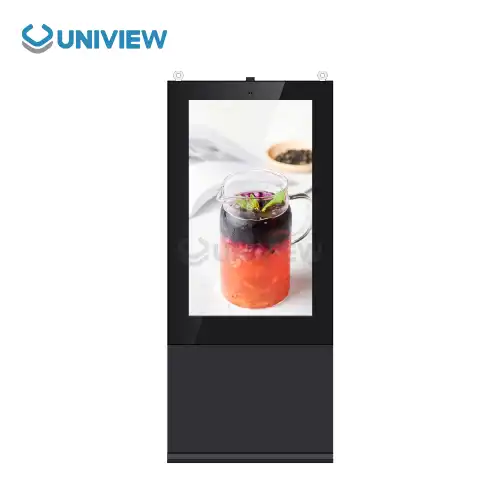
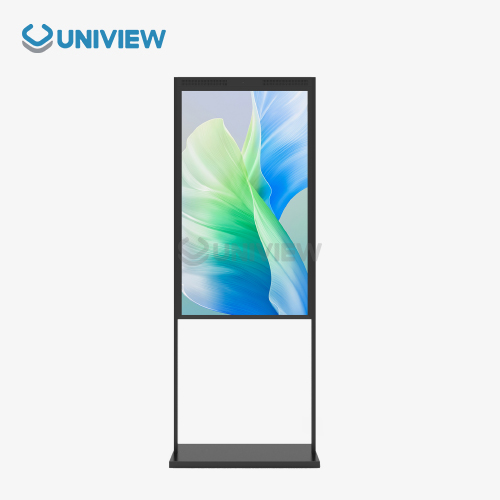
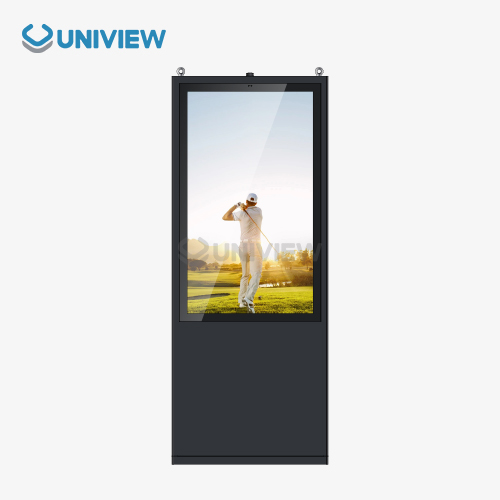
The way companies talk to their customers has changed thanks to digital signage technology, and floor standing digital display units are one of the most flexible options available. It's very easy to move and place these self-contained units, which makes them perfect for places where putting them on the wall isn't possible or desirable.
What Makes Floor Standing Digital Displays Unique
Floor-standing digital screens stand out because they can be moved around and installed in a variety of ways. Unlike wall-mounted options, these units can be moved around as needed by the business. This makes them especially useful in retail settings that change plans all the time or corporate settings that have to adapt to new needs. The strong base construction makes it stable, and the beautiful design goes with a lot of different types of architecture.
The idea behind these displays' design puts both usefulness and looks first. Modern units have slim outlines that keep things looking clean and make the most of screen space. With cable management systems, links are kept neat and out of sight, and the system looks professional, adding to the surroundings instead of taking away from them.
Split-Screen Technology: Maximizing Content Efficiency
Split-screen features turn a single screen into multiple contact areas, which greatly improves the efficiency of the material and the interest of the audience. With this technology, companies can show promotional material, updates with new information, emergency alerts, and interactive elements all at the same time, without having to use multiple display units.
The way split-screen works technically depends on the working power of the display and the content management system being used. Up to sixteen different content zones can be supported by advanced units. Each zone has its own control over video, pictures, text, and interactive elements. This level of detail lets you create complex content plans that can change based on the time of day, the type of audience you have, or your business goals.
Scheduling Features: Automating Content Management
Intelligent schedule systems get rid of the work that has to be done by hand that is usually involved with updating material. These computerized systems can change material based on the day of the week, events on the calendar, data feeds from outside sources, or real-time situations like traffic or weather.
Enterprise resource planning tools, customer relationship management databases, and social media feeds can all be connected to more advanced scheduling platforms to make dynamic content experiences. Businesses can use this integration feature to show relevant product information, staff plans, event announcements, or tailored welcomes based on information about each customer.
How Floor Standing Digital Displays Work and Why Split-Screen & Scheduling Matter?
Modern floor standing digital displays are built with strong processing powers and advanced software systems that work together to provide smooth content experiences. When procurement workers understand these technical roots, they can better understand the value offer and make smart choices about deployment strategies.
Hardware Components and System Architecture
Modern digital sign screens use industrial-grade parts that are made to work continuously in tough conditions. Usually, the processing unit has specialized graphics processors that can handle multiple HD video streams at the same time. This hardware base makes it possible to use split-screen without slowing down the computer or causing visual issues.
Multiple HDMI inputs, USB ports for local content storage, Ethernet connections for network-based content control, and wireless features allow for a variety of deployment situations. Edge computing is used in more advanced units to handle content management rules locally. This cuts down on network connections and speeds up response times.
Software Platforms and Content Management
Supporting complicated content processes and integration needs, the software environment around floor standing digital displays has grown over time. Modern content management systems have drag-and-drop interfaces that let you make split-screen setups. They also have expert features like color calibration, music synchronization, and content changes that happen in real time.
Cloud-based management systems let companies handle hundreds or thousands of displays from a single dashboard, making it possible to centrally manage networks of displays. These platforms have analytics tools that keep track of how well material is doing, how engaged audiences are, and system health measures to get the best return on investment.
Practical Applications Across Industries
In retail settings, split-screen features are used to show product ads along with useful information like shop maps, event plans, and customer reviews. Being able to change content plans based on foot traffic or inventory levels makes store experiences responsive, meaning they can change as the day goes on.
These screens are used for internal messaging in business settings. They show safety information, meeting room plans, company announcements, and employee recognition programs. The scheduling features make sure that private information only shows up at the right times, while still keeping the content interesting for both users and workers.
Comparing Floor Standing Digital Displays: What B2B Buyers Should Know?
It is important to carefully consider technical specs, deployment needs, and long-term operational issues when choosing the best floor standing digital display option. Buyers can find solutions that meet their business goals by learning about the differences between the tools and form factors that are offered.
Floor Standing vs. Wall-Mounted Solutions
Whether to use a floor-standing or wall-mounted display relies on the space available, personal taste, and the need for freedom in how the display is used. The placing options for floor-standing units are better, and they can fit bigger screens without needing special wall support. This amount of adaptability is especially useful in rental areas or places that are often rearranged.
Installing floor-standing screens usually takes less time and causes less trouble than installing wall-mounted ones. The self-contained design means that there is no need to drill holes in walls, make changes to the wiring, or do structural assessments, all of which can slow down rollout and raise project costs. Because they are easier to set up, floor-standing displays are good for temporary settings, trade shows, or situations where they need to be put together quickly.
LED vs. LCD Technology Considerations
Choosing between LED and LCD screens affects the quality of the images, how much energy they use, and the total cost of ownership. LED technology works best in places with a lot of natural light and reproduces colors and contrasts better than other technologies. However, LCD technology is a great deal for indoor uses and has stable production ecosystems that allow prices to be competitive.
Modern LCDs with LED lights take the best parts of both technologies and combine them to make a great picture display that is also affordable. These hybrid options can handle light levels above 4000 nits for outdoor use while still being energy-efficient, which lowers the cost of running the display over its lifetime.
Interactive vs. Non-Interactive Options
When you allow touch on a monitor, it changes passive watching into an interactive experience. Gesture-based navigation, product configurators, and self-service apps that improve the customer experience while lowering staff workload are all possible with multitouch. But dynamic features make things more complicated and need more upkeep, which needs to be thought about when planning the rollout.
The choice between interactive and non-interactive options should be based on the intended use and the expectations of the audience. Interactive displays are great for exploring products in stores, finding your way, and self-service situations. Non-interactive displays, on the other hand, are best for ads, messages, and showing information in public places.
Procurement Guide: How to Choose, Buy, and Customize Floor Standing Digital Displays?
The evaluation of technical needs, working limitations, and financial factors must be done methodically in order to successfully purchase floor standing digital displays. This all-around method makes sure that the chosen solutions offer real business value and help achieve long-term working goals.
Key Selection Criteria and Specifications
When choosing a display size, you should think about how it will look in relation to space and viewing distance. Larger screens get more attention and can support more complicated split-screen setups. Smaller screens may be better for more private settings or apps that need to save money. Specifications for viewing angles are especially important for floor-standing screens that can be seen from different angles.
Resolution needs vary depending on the type of information and how far away the screen is from the viewer. When watching something up close, 4K resolution gives you a lot of information, and it also lets you see text clearly in split-screen modes. But Full HD quality might be enough for advertising-focused apps where people are more than ten feet away.
Conditions outside and how the item is used must match the durability requirements. Displays made for business use that are rated for constant operation work well in tough conditions. Protection grades like IP65 make sure that devices can work in outdoor or industrial areas where dust and water can be a problem.
Budget Planning and ROI Analysis
When figuring out the total cost of ownership, you should include the original hardware costs, the costs of installation, the ongoing upkeep needs, and the amount of energy the display uses over its lifetime. Premium screens often offer better long-term value because they need less upkeep and come with longer warranties.
Calculating return on investment is very different depending on the type of program and the business's goals. Retail applications can measure ROI by looking at how many more sales they make, while business applications may focus on how well they communicate and how engaged their employees are. Setting clear performance metrics before release lets you accurately measure ROI and find ways to improve things.
Customization Options and Support Services
With the ability to customize, screens can fit in perfectly with current brand guidelines and business needs. Custom enclosures, unique mounting options, and labeled interface elements all work together to make experiences that are consistent with the brand and meet useful needs.
When launches are mission-critical, and downtime has a direct effect on business operations, technical support services become even more important. Support packages that cover everything should include the ability to watch from afar, promises of quick response, and the option for on-site service for more complicated problems.
Trusted Brands and Suppliers: Your Partners in Digital Display Solutions
There are a number of well-known makers in the digital signage business who are known for their creativity, dependability, and full support services. When looking at possible suppliers, you need to think about their product quality, professional know-how, and the chance of a long-term relationship.
Leading Global Manufacturers
The business display section of Samsung has a wide range of products that cover a lot of different technologies and form factors. Their screens have high-tech features like smart upscaling, ambient light sensors, and strong content control systems. The company's world service network helps with all aspects of foreign deployments.
LG's business screens focus on being energy-efficient and having a sleek, industrial look. Their webOS platform makes it easy to handle content and supports advanced features like scheduling and management from afar. Companies that care about the environment, like LG's approach to sustainable manufacturing methods.
Sony's professional display options are designed to deliver accurate colors and high-quality images, making them ideal for situations where visual correctness is very important. The advanced picture processing technologies in their screens keep the same level of performance even when the environment changes.
Supplier Evaluation Criteria
Certification compliance makes sure that screens meet the necessary performance and safety standards. Check for UL listings, FCC compliance, and energy-saving standards that show you care about quality and following the rules. International certifications are especially important for global applications where rules vary from place to place.
The quality of after-sales service has a big effect on long-term customer happiness and the speed of operations. Check out possible providers' response time promises, technical knowledge, and availability of parts. It's important to have local service skills to keep downtime to a minimum and service costs low.
Uniview Commercial: Innovation in Digital Display Solutions
Uniview Commercial has become a top company that makes professional digital sign solutions by mixing cutting-edge technology with a wide range of customization options. Our floor-standing digital display units have cutting-edge split-screen features and smart timing systems that are made to meet the needs of our B2B clients around the world.
When we make new products, we focus on making sure they are reliable and work well in tough conditions. Each screen is made of strong materials that won't rust and has an IP66 grade for security against the elements. The high-tech heat management systems make sure that the equipment works the same way even when the temperatures are very high or very low. They also keep the noise level at 60 decibels or less.
Quality assurance is more than just making sure things are safe; it also includes thorough testing and approval processes. Before being sent out, each unit goes through a lot of burn-in tests and quality control checks. Our relationship with China Pacific Insurance Company gives us more quality security and shows that we trust our manufacturing processes and the quality of our products.
Conclusion
Floor-standing digital displays that can split screens and make schedules are a great example of how freedom, technology, and practical efficiency can work together to make things run more smoothly. Businesses can use these advanced solutions to make conversations more interesting while still being able to adapt to changing situations. When you put together advanced hardware, smart software, and full support services, you get an appealing value offer for businesses that want to improve their communication strategies. To make sure the best answer is chosen and put into action, technical needs, operational limitations, and long-term business goals must all be carefully considered.
FAQ
What screen sizes are available for split-screen applications?
Our floor-standing digital displays come in sizes from 32 inches to 98 inches, and all of them can do complicated split-screen functions. Larger screens are better for complex setups with lots of content zones, while smaller units work best where room is limited. The ability to split screens instantly adjusts based on the screen size and computer power.
Is the scheduling software compatible with existing content management systems?
Through RESTful APIs and standard methods, our scheduling tool can connect to most content management systems. The system can bring in data from social media feeds, cloud storage services, and business records. You can get custom integration services if you have specific needs or want to make sure that your new system works with older ones.
What maintenance is required to keep displays performing optimally?
As part of regular upkeep, ventilation areas should be cleaned once a month, and links and mounting tools should be checked every three months. The screens have built-in self-diagnostic features that check the health of parts and the surroundings. With remote tracking services, problems can be found before they affect efficiency.
Partner with Uniview Commercial for Advanced Floor Standing Digital Display Solutions
With our wide range of floor standing digital display options that include built-in split-screen and schedule capabilities, Uniview Commercial is ready to revolutionize your business communication strategy. Our engineering team uses cutting-edge technology and decades of experience to create unique solutions that go above and beyond standards and provide great long-term value.
From the first meeting to ongoing support services, we are dedicated to providing the best service possible. Get in touch with our sales team at sales@univiewlcdisplay.com to talk about your unique needs and look into your choices for custom configuration. We are a reputable floor standing digital display maker and provide full guarantee coverage, support services around the world, and affordable bulk orders. Check out the difference that digital signs made by professionals can make for your business.
References
1. Digital Signage Federation. "Commercial Display Technology Standards and Best Practices." Digital Signage Professional Journal, 2023.
2. Johnson, Michael R. "Split-Screen Technology in Modern Digital Signage: Applications and Implementation Strategies." Commercial AV Technology Review, 2023.
3. Chen, Lisa Wang. "Scheduling Systems for Enterprise Digital Signage: Automation and Integration Approaches." International Journal of Digital Communication, 2023.
4. Rodríguez, Carlos. "Floor Standing vs. Wall-Mounted Digital Displays: A Comparative Analysis for Commercial Applications." Business Technology Quarterly, 2022.
5. Thompson, Sarah J. "LCD and LED Technology Trends in Commercial Digital Signage: Performance and Cost Considerations." Display Technology Today, 2023.
6. Anderson, David K. "Content Management Systems for Multi-Zone Digital Displays: Features and Integration Capabilities." Professional Signage Magazine, 2023.
Learn about our latest products and discounts through SMS or email