- English
- French
- German
- Portuguese
- Spanish
- Russian
- Japanese
- Korean
- Arabic
- Greek
- German
- Turkish
- Italian
- Danish
- Romanian
- Indonesian
- Czech
- Afrikaans
- Swedish
- Polish
- Basque
- Catalan
- Esperanto
- Hindi
- Lao
- Albanian
- Amharic
- Armenian
- Azerbaijani
- Belarusian
- Bengali
- Bosnian
- Bulgarian
- Cebuano
- Chichewa
- Corsican
- Croatian
- Dutch
- Estonian
- Filipino
- Finnish
- Frisian
- Galician
- Georgian
- Gujarati
- Haitian
- Hausa
- Hawaiian
- Hebrew
- Hmong
- Hungarian
- Icelandic
- Igbo
- Javanese
- Kannada
- Kazakh
- Khmer
- Kurdish
- Kyrgyz
- Latin
- Latvian
- Lithuanian
- Luxembou..
- Macedonian
- Malagasy
- Malay
- Malayalam
- Maltese
- Maori
- Marathi
- Mongolian
- Burmese
- Nepali
- Norwegian
- Pashto
- Persian
- Punjabi
- Serbian
- Sesotho
- Sinhala
- Slovak
- Slovenian
- Somali
- Samoan
- Scots Gaelic
- Shona
- Sindhi
- Sundanese
- Swahili
- Tajik
- Tamil
- Telugu
- Thai
- Ukrainian
- Urdu
- Uzbek
- Vietnamese
- Welsh
- Xhosa
- Yiddish
- Yoruba
- Zulu
Outdoor-Capable Window Digital Display for Direct Sunlight
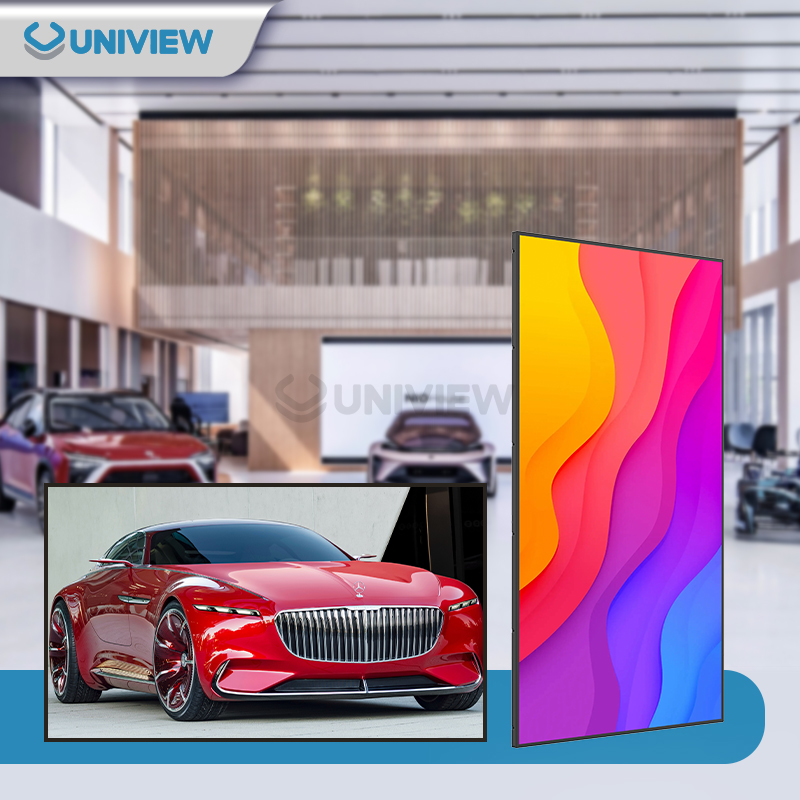
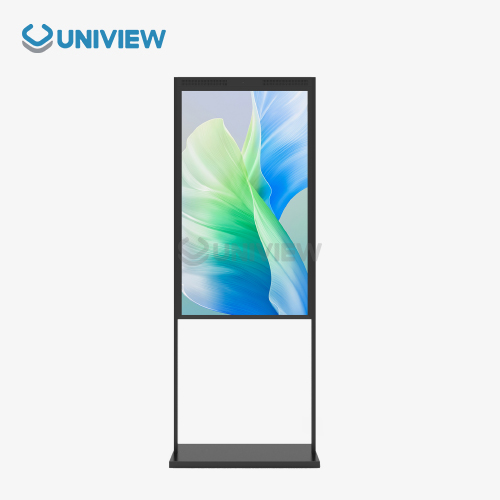
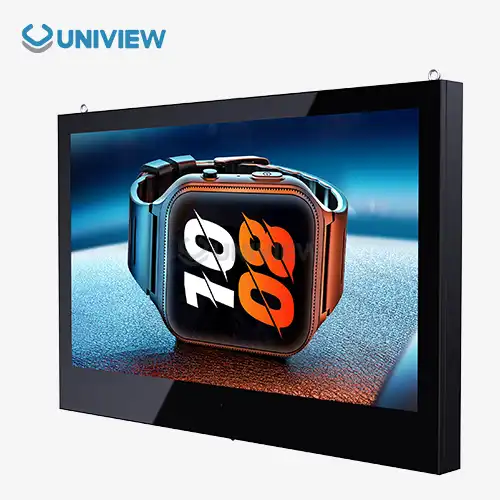
Outdoor-capable window digital displays are the best choice for businesses that need reliable storefront communication options that can stand up to direct sunlight. With their high-brightness LCD and LED technology and special weatherproofing features, these high-tech screens make it possible to see clearly even in harsh outdoor circumstances. Modern window digital display options have light levels between 2000 and 4000 nits, so your promotional content stays bright and interesting all day. This makes them must-haves for businesses, hotels, and retail stores that want to get the most out of their customers.

Understanding Outdoor-Capable Window Digital Displays
Outdoor-capable window digital displays are a huge step forward in shop communication technology. They were designed to work well in direct sunlight situations. These high-tech systems use the latest LCD and LED technology along with special visual processes that make them very visible in even the brightest lighting conditions.
Core Technology Components
The most important thing for outdoor digital signs is their powerful display technology. High-brightness panels use better backlighting systems to make levels of brightness that are much higher than those found in regular indoor screens. The brightness of professional displays is usually between 2000 and 4000 nits, while the brightness of most home screens is rarely more than 500 nits. This huge boost makes sure that text and images stay clear and easy to read even when they are in full sunlight.
The anti-glare technique is very important for outdoor displays. Manufacturers use special coatings and optical screens to cut down on glare and increase light transmission. When used with high-quality offline coated AR glass, these treatments make pictures very clear and keep their effect no matter what the lighting is like outside.
Weather Resistance Standards
When choosing outdoor display options, durability is still the most important thing. Protection grades of IP65 and IP66, which are normal in the industry, make sure that no dust or water damage from rain or cleaning can get in. These scores show that displays can handle high-pressure water sprays and long-term exposure to weather conditions without damaging their internal parts.
Temperature control systems use advanced technology to get rid of heat, which keeps things running at their best in all kinds of weather. Professional screens have strong thermal control that keeps them from overheating in the summer and makes sure they work reliably in the winter.
Challenges of Traditional Window Signage and Benefits of Outdoor Digital Displays
The problems with outdoor traditional standing signs are mostly related to how hard they are to see and how often they need to be maintained. When UV light hits paper-based materials, they fade quickly. Over time, vinyl images lose their stickiness and clarity. These patterns of wear and tear mean that things need to be replaced more often, which raises costs and lowers the effect of the brand.
Superior Performance Characteristics
Thanks to progress in engineering and materials science, these problems no longer exist with modern digital screens. With dynamic content, businesses can quickly change their messages to reflect new deals, the weather, or changes in their customer base, all without having to pay for new materials. This adaptability is especially useful in stores that use holiday marketing and flash sales to bring in more money.
Another big benefit over standard illuminated signs is that they use less energy. Modern LED technology is much brighter and uses a lot less power. A standard outdoor digital monitor makes about 60 dB of noise, so it can be used in places where noise levels are important.
Measurable Business Impact
When compared to static signs, research shows that digital signs can get customers 83% more involved. Customers can get more involved by using interactive features that let them get specific product information, directions, or special deals right from the display interface. Because of this better contact, sales have gone up by measurable amounts. Many stores have seen 20–30% rises in foot traffic after installing digital signage.
When looking at several years, the total cost of ownership numbers always show that digital options are cheaper than traditional signs. While the initial investment costs may be higher than those of static options, most business applications see a return on their investment within 18 to 24 months, thanks to lower upkeep costs, no longer having to pay for printing, and higher customer conversion rates.
How to Choose the Best Outdoor Window Digital Display for Your Business?
To choose the best outdoor display options, you need to carefully consider a number of technical and operational factors that are unique to each deployment setting. Procurement choices that are good combine the need for performance with the available budget, making sure that the decision will be reliable and helpful in the long run.
Critical Evaluation Criteria
When looking at outdoor screens, brightness specs are the most important thing to think about. Higher brightness levels are needed to keep things readable during the day in places that face south or have surfaces that reflect light. Professional screens with 3000 nits or more usually work well in most difficult settings, while models with 2000 to 2500 nits are fine for setups that are partly shaded.
Resolution needs change depending on how far away you are watching and how complicated the content is. Full HD (1920x1080) or 4K quality is usually best for storefront apps because it makes it easier to read text and see images clearly. When figuring out pixel density, the main viewing distance should be taken into mind to get the best visual effect without spending too much.
Power use has a direct effect on running costs over the duration of the display. Older technologies may need 50–100% more power than newer models, which range from 200 to 400 watts based on the screen size and light settings. These differences add up to a lot over long periods of time, which makes speed an important decision factor.
Brand Comparisons and Market Options
Leading makers offer clear benefits based on the needs of each application. Samsung screens put a lot of emphasis on accurate colors and even light levels, which makes them good for high-end stores. LG's solutions are based on using less energy and having slim forms that fit in with current architecture. Philips displays focus on dependability and long operating lifecycles, making them a good choice for installations that need little upkeep.
New companies like Uniview Commercial are making competing alternatives with unique features that are aimed at specific market groups. These solutions often offer better ways to customize them and faster technical help that bigger companies have a hard time matching in a wide range of global markets.
Installation and Maintenance Best Practices for Outdoor Window Digital Displays
For outdoor displays to work well, they need to be carefully planned so that they can handle the problems that come up at the spot and meet long-term operating needs. Professional placement provides the best performance, reduces the need for future upkeep, and maximizes the return on investment.
Strategic Site Assessment
Environmental research is the first step in planning a good placement. Sun path studies find the best mounting angles and high exposure times that combine sight with heat management. Wind load estimates make sure that mounting systems can handle the weather where they are installed. This is especially important for outdoor large-format screens.
A review of the electrical equipment stops changes that would be expensive to make during the installation phase. Outdoor screens need special circuits that can handle starting surge currents and keep the voltage fixed even when the load changes. Ground fault protection and waterproof electrical links make sure that safety rules are followed and the system works properly.
Professional Installation Protocols
The choice of mounting method has a direct effect on how long the display lasts and how consistently it works. Commercial-grade brackets are made of materials that won't rust and have multiple fixing places that spread the weight evenly across the structures they support. Valuable equipment in public areas is kept safe by anti-theft features like double-layer security locks.
Calibration processes make sure that the display works best in a certain setting. Adjusting the brightness takes into account changes in the lighting around you throughout the day, and the color temperature choices make sure that the image looks good from all viewing points. Professional calibration tools compare the real performance to what the maker says it should be. This finds problems before they affect the customer experience.
Preventive Maintenance Strategies
Cleaning the screen regularly keeps it clear and stops damage from external contamination. Certain cleaning products and methods get rid of dust, salt residue, and organic layers without hurting anti-glare coats or glass surfaces that protect them. Cleaning once a month is usually enough for most places, but places near the coast or factories may need more frequent care.
Monitoring thermal control stops parts from breaking down too soon by taking action. Temperature logging systems keep track of what's going on inside and let site managers know when working conditions go beyond what's considered safe. This tracking lets you do preventative repairs that keep performance standards high and extend the life of your equipment.
Procuring Outdoor-Capable Window Digital Displays – Where and How to Buy?
When you want to buy window digital displays strategically, you need to work with providers who have experience working in difficult installation settings and who can provide ongoing technical support. Successful relationships with vendors go beyond the original buy and include managing the whole project lifecycle.
Vendor Evaluation Criteria
Companies with a lot of experience in public display uses and a track record of success in similar industries should be given the most weight when choosing a supplier. Global support networks make sure that the quality of service is the same no matter where the installation is, and local expert resources make sure that practical problems are fixed quickly.
Leading sellers are different from commodity companies because they can customize their products. Mounting methods need to be changed for complex installations, and environmental safety or integration with current building control systems may also be needed. Suppliers with their own engineering teams can change standard goods to fit the needs of a specific project without affecting their performance or guarantee coverage.
Procurement Strategies and Considerations
When you buy in bulk, you can save a lot of money on costs for big projects or operations in multiple locations. When you buy in bulk, you often get better prices, longer warranty terms, and faster technical help, all of which lower the overall cost of the job and make it run more smoothly.
The review of warranty coverage goes beyond standard replacement plans to include full security against damage from the environment and loss of performance. Premium insurance plans cover accessories and mounting systems that standard warranties don't cover, as well as on-site service and faster repair processes.
Coordinating shipping and operations is especially important for big shows that need to be moved and handled in a certain way. Experienced providers offer full transportation support, including planning delivery times to the job site, providing temporary storage if needed, and working with installation teams to keep project delays to a minimum.
Conclusion
For companies seeking maximum visibility and customer interaction in difficult environmental conditions, outdoor-capable window digital display units are a crucial investment. The high-brightness technology, weatherproof design, and energy-efficient operation of these modern solutions make them work better than standard signage options. For implementation to go well, technical requirements must be carefully looked over, professional installation methods must be used, and strategic relationships between vendors must be formed to ensure long-term operating success and a good return on investment.
FAQ
What brightness level is recommended for direct sunlight readability?
Outdoor screens need to be at least 2000 to 2500 nits bright to be readable in bright sunlight, but 3000 to 4000 nits is usually needed for the best performance. Higher brightness makes sure that the material can be seen during the hottest parts of the day and keeps its impact in all kinds of weather.
How does energy consumption compare between digital displays and traditional illuminated signage?
LED digital displays today use 30–50% less energy than standard lighted signs of the same size and shape, but they are brighter and have more features. Models that use 200 to 300 watts of energy give results that would need 400 to 500 watts of traditional lighting technology.
What durability can be expected from outdoor window displays in harsh weather conditions?
Professional outdoor screens with an IP65 or IP66 grade can stand up to rain, snow, dust, and changes in temperature for long periods of time. With the right care, quality units will work reliably in temperatures ranging from -20°C to +50°C and will not corrode or break down from UV light for 7 to 10 years.
What installation requirements should businesses consider for outdoor window displays?
For installation, you need specific electrical lines that can handle the amount of power the display uses, weatherproof mounting systems that can handle the wind loads in the area, and enough air flow to keep the display cool. Professional installation makes sure that local electricity rules are followed and that the best performance is achieved.
How do maintenance costs compare between digital and traditional outdoor signage?
When compared to traditional signs, digital screens usually need 60–70% less upkeep over the course of their useful life. Even though the original investment costs more than static options, the long-term savings are huge because of less frequent replacement, no printing costs, and automated content management.
Partner with Uniview Commercial for Premium Window Digital Display Solutions
As a renowned maker of window digital displays, Uniview Commercial offers cutting-edge displays that can be used outside and are designed to work better in direct sunlight. Our high-brightness LCD and LED options have advanced anti-glare technology, IP65/66 weather protection, and brightness levels that can hit 4000 nits to make sure they are easy to see in any setting. We are the best choice for demanding B2B clients around the world because we offer full customization services, longer warranties that last for 3 to 5 years, and global technical help that is available 24 hours a day, 7 days a week. Get in touch with our knowledgeable staff at sales@univiewlcdisplay.com to talk about your unique needs and find out how our cutting-edge window digital display solutions can change the way you communicate with people in your shop in a way that is reliable and has an effect that goes above and beyond what you had anticipated.
References
1. Smith, J.A. "Advanced Display Technologies for Outdoor Applications: Performance Analysis and Environmental Considerations." Journal of Digital Signage Technology, 2023.
2. Chen, L. "Energy Efficiency Comparisons in Commercial Display Systems: LED vs Traditional Illumination." International Conference on Sustainable Business Technology, 2023.
3. Rodriguez, M. "Weather Resistance Standards and Testing Protocols for Outdoor Electronic Displays." Industrial Electronics and Environmental Protection, 2022.
4. Thompson, K. "ROI Analysis of Digital Signage Implementation in Retail Environments." Business Technology and Marketing Research, 2023.
5. Williams, R. "Installation Best Practices for High-Brightness Outdoor Display Systems." Professional Installation Guidelines, 2023.
6. Anderson, P. "Procurement Strategies for Large-Scale Digital Display Deployments in Commercial Applications." B2B Technology Procurement, 2022.

Learn about our latest products and discounts through SMS or email