- English
- French
- German
- Portuguese
- Spanish
- Russian
- Japanese
- Korean
- Arabic
- Greek
- German
- Turkish
- Italian
- Danish
- Romanian
- Indonesian
- Czech
- Afrikaans
- Swedish
- Polish
- Basque
- Catalan
- Esperanto
- Hindi
- Lao
- Albanian
- Amharic
- Armenian
- Azerbaijani
- Belarusian
- Bengali
- Bosnian
- Bulgarian
- Cebuano
- Chichewa
- Corsican
- Croatian
- Dutch
- Estonian
- Filipino
- Finnish
- Frisian
- Galician
- Georgian
- Gujarati
- Haitian
- Hausa
- Hawaiian
- Hebrew
- Hmong
- Hungarian
- Icelandic
- Igbo
- Javanese
- Kannada
- Kazakh
- Khmer
- Kurdish
- Kyrgyz
- Latin
- Latvian
- Lithuanian
- Luxembou..
- Macedonian
- Malagasy
- Malay
- Malayalam
- Maltese
- Maori
- Marathi
- Mongolian
- Burmese
- Nepali
- Norwegian
- Pashto
- Persian
- Punjabi
- Serbian
- Sesotho
- Sinhala
- Slovak
- Slovenian
- Somali
- Samoan
- Scots Gaelic
- Shona
- Sindhi
- Sundanese
- Swahili
- Tajik
- Tamil
- Telugu
- Thai
- Ukrainian
- Urdu
- Uzbek
- Vietnamese
- Welsh
- Xhosa
- Yiddish
- Yoruba
- Zulu
Future-Ready Portrait LCD Window Display Solutions
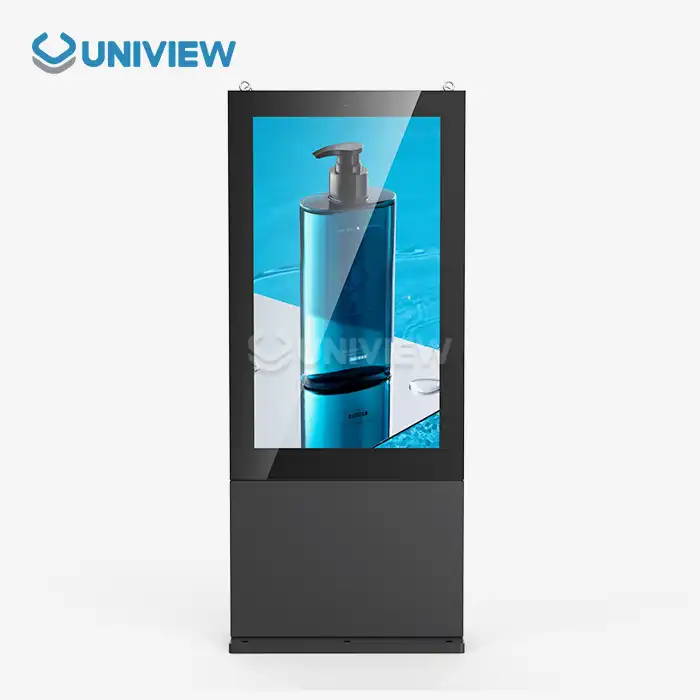
Businesses today need display technology that lets them see and be comfortable inside and outside. For transitional areas where conventional screens struggle, portrait semioutdoor LCD window display solutions provide the perfect mix of digital signs. These upright units work well in shops, transit stops, and covered outdoor areas because they are bright enough to read during the day and protected from the weather. When procurement pros look at next-generation sign investments, it's important to understand these mixed solutions so that ads have the most impact while keeping costs and upkeep to a minimum, and a portrait semioutdoor LCD window display can meet those requirements effectively.

Understanding Portrait Semioutdoor LCD Window Displays
Defining Semioutdoor Display Technology
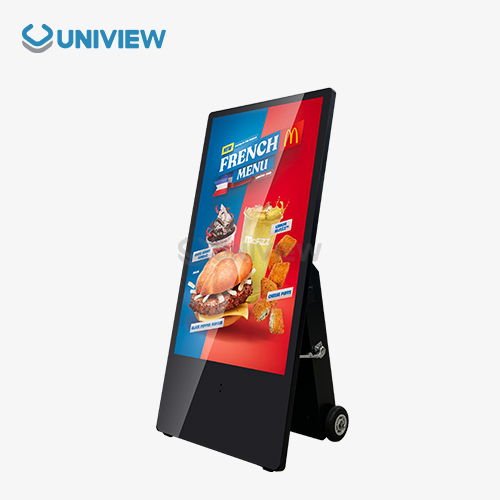
In the world of digital signs, portrait semioutdoor LCD window displays play a pivotal role. These screens can handle some sunshine, temperature changes, and wetness without the high cost of fully ruggedized options. This is different from fully outdoor screens that need to be completely weatherproof or indoor units that aren't resistant to the environment. Portrait orientation is best for people with natural sight lines and for getting the most out of small window spaces, mall passageways, and vertical architectural features where landscape forms take up too much room.
At Uniview Commercial, we've designed our portrait LCD options to have brightness levels between 2000 and 4000 nits, which is bright enough to read clearly even when sunlight is shining through window glass. This ability to light up turns window displays into brand ambassadors that stay bright during busy daytime hours, when regular signs become hard to see.
Technical Specifications That Matter
When looking at a portrait semioutdoor LCD window display, there are a number of features that directly affect how well it works. Our units have grades of IP65 to IP66, which protect the internal parts from dust and water jets that could happen when cleaning windows or when the weather changes quickly. This security makes the equipment last a lot longer than regular indoor displays put in the same places.
Efficient use of energy is another important issue. Our advanced heat dissipation systems keep screens cool while using less power than rival models. This lowers maintenance costs directly over deployment periods of several years. The screens work at a very low level of 60 decibels, which keeps noise pollution from happening in places like hotels and offices where loud noises can ruin the customer experience.
Screen widths for portrait setups usually run from 32 inches to 75 inches so that they can work with a variety of building types. These sizes go well with ultra-clear offline covered AR glass, which cuts down on glare and produces sharp pictures that are easy to see from far away.
Comparing Semioutdoor LCD Window Displays to Other Display Types
Decision Framework for Display Selection
When deciding between a portrait semioutdoor LCD window display and other technologies, you have to weigh a lot of cost and performance factors. Purchasing teams often have a hard time making this choice because each type of display has its own benefits that depend on the surroundings and how it is used.
Semioutdoor LCD versus Fully Outdoor LCD: Fully outdoor screens are the most weatherproof, with IP grades up to IP68 and brightness levels over 5000 nits. But because they are more durable, they cost more—often 40–60% more than semioutdoor options. If the area where you're installing the LCDs is protected from direct rain and other harsh conditions, they will last long enough and won't cost as much. Retailers have seen that our semi-outdoor units have the same visual effect in covered shopping areas as fully outdoor options, but they cost thousands less per installation point.
Semioutdoor LCD versus Indoor LCD: Regular indoor screens break down quickly when they are subject to changes in temperature, condensation, or high levels of light. With a normal brightness of 300 to 700 nits, information in windowed apps is almost invisible. Even though indoor units are cheaper at first, they don't work well in transitional settings, so the money saved is wasted on repair costs and bad performance. With the right weather hardening, these risks can be eliminated from semioutdoor displays without having to pay for full outdoor specs.
Semioutdoor LCD versus LED Displays: Large-format LED walls have a big visual effect, but they can be hard to use in some situations. Their lower pixel pitch makes images less sharp up close, so they're not as good for showing off detailed products or text-heavy material. Power usage is usually much higher than LCD equivalents, and upkeep becomes more difficult when an individual LED module fails. Portrait semioutdoor LCD window displays work best when people are only a few meters away, and the material has fine features, faces, or words that can be read.
Practical Applications and Ideal Locations for Semioutdoor Portrait LCD Window Displays
Industry-Specific Use Cases
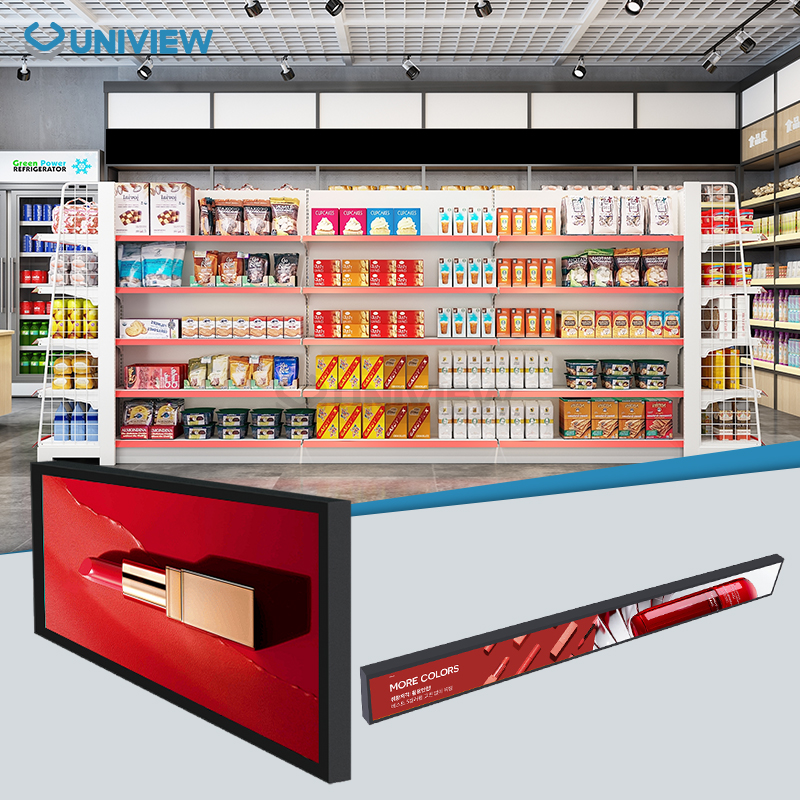
Portrait semioutdoor LCD window displays are very useful in retail settings. They're used by clothing shops to show off changing fashion content that doesn't cost anything to print and lets them use dayparting tactics to show breakfast deals in the morning and dinner deals in the evening. Jewelry stores use the high brightness and color accuracy to show product videos that look like they are real, which draws people in from the street.
These displays are used in corporate lobbies and greeting areas to show what the brand stands for, promote accomplishments, and help people find their way. The reliable operation and professional look keep up with company image standards. The portrait format works better than landscape formats in vertical places next to entrance doors or elevator banks because it fits better with the way the building is built.
Transportation hubs like airports, train stations, and bus stops need displays that can handle steady use, changes in temperature caused by doors opening and closing, and brief exposure to moisture. In order to meet these needs, our portrait semioutdoor LCD window displays show important plan information, ads, and emergency messages clearly every time.
Hotels, restaurants, and other places that serve food and drink put up outdoor displays with menu highlights, event ads, and pictures that set the mood to draw passing customers. The quiet operation won't bother people who are eating, and the brightness makes it possible to see no matter what the lighting is like outside.
Optimizing Installation Environments
Paying attention to weather factors is necessary for a portrait semioutdoor LCD window display rollout to go well. Positioning installations so they don't get direct sunlight during peak hours is best, but our high-brightness panels can handle a lot of natural light. When direct exposure can't be avoided, using building overhangs or awnings in a smart way can keep equipment working and make it last longer.
Managing glare is very important in window uses. Our AR-coated glass cuts down on reflections by a large amount, but placement angles shouldn't create mirror effects that turn competing light sources into lines of sight for viewers. Tilting screens inward by 5 to 10 degrees often gets rid of annoying shadows while keeping the viewing angle comfortable.
Even though our heat absorption devices work well, ventilation is still important. Installations shouldn't fully close off the display housing, which would trap heat. Instead, they should let air flow around the housing. This careful attention to temperature management keeps parts from wearing out too quickly and keeps their performance stable throughout their working life.
Displays last a lot longer when they are maintained regularly. We suggest cleaning the outside three times a year with the right products that won't harm the AR coatings, checking the security of the fixing gear every six months, and having a professional look at the inside once a year. This regular maintenance, along with our strong building, ensures that our products work reliably for 5 to 7 years, which is an incredibly long time that makes the total cost of ownership estimates much more accurate.
Procurement and Supply Chain Insights for Semioutdoor LCD Window Displays
Supplier Selection Criteria
Finding the right provider for the portrait semioutdoor LCD window display is just as important to the success of the project as the technical details themselves. People who work in procurement should judge makers based on several important factors that go far beyond product datasheets.
Expertise in manufacturing and quality control is what sets reliable providers apart from troublesome ones. At Uniview Commercial, our plant in Shenzhen uses quality systems that meet foreign standards from markets in the US, Europe, and Japan. Before it is shipped, each display goes through outdoor simulation testing that simulates years of real-world use by exposing units to strong light for long periods of time, changing temperatures, and shaking. This thorough testing finds any problems before they happen, not after they've been installed, which protects your investment and image.
Due to recent world problems, supply chain dependability has become very important. Procurement teams can meet project targets without incurring expensive delays when their suppliers offer a wide range of component sources, keep enough inventory on hand, and are open about wait times. Because we have long-term relationships with producers of parts in many areas, we can always get what we need, even when the market is short.
Customization options take into account the fact that B2B setups don't always have the same needs across all places. We offer custom portrait semioutdoor LCD window display solutions that include custom sizes, unique mounting options, built-in sensors for interactive apps, and custom integration of content management systems. This flexibility gets rid of the trade-offs that happen when standard portrait semioutdoor LCD window display goods are forced to work in different architectural or operational settings.
Strategic Purchasing Approaches
When you use portrait semioutdoor LCD window displays in a lot of different places, buying in bulk saves you a lot of money. When you buy in bulk, the price per unit is usually 15–25% less than when you buy in small amounts. This directly improves the economics of the project. We work with buying teams to set volume agreements that balance the need for instant rollout with plans for future growth. This way, we can get better prices without having to buy a lot of inventory up front.
Long-term purchase costs are greatly affected by warranty coverage and support services. Our extended insurance, which lasts for 3 to 5 years and includes full quality coverage from China Pacific Insurance Company and other third-party insurers, protects you financially in case something goes wrong. With 24-hour global online response support, expert help will always be able to reach your team, no matter what time zone they're in. This will keep downtime to a minimum when problems do happen. These support factors should be important when comparing suppliers, since the lowest price at first can end up being expensive if the warranty isn't good enough and the customer has to pay for repairs.
When you hire a professional installation service, you can avoid common rollout issues. Our approved installation partners know how to properly install portrait semioutdoor LCD window displays, including how to make sure they are sealed properly, given the right amount of power, and mounted securely so that they can withstand the 16 levels of wind resistance our displays are rated to handle. This knowledge stops the problems with moisture getting in, temperature issues, and physical safety that happen with projects that are put up by the homeowner.
Future Trends and Innovations in Portrait Semioutdoor LCD Window Displays
Emerging Technology Integration
Portrait semioutdoor LCD window displays are still changing quickly as new technologies come out that make them more useful while making them easier to use. We're putting in place technologies that make lights brighter than 4000 nits without using more power. This means that they can be installed in places with a lot of natural light that weren't possible before.
Smart sensors that change the brightness based on the environment are used to improve energy management. This lowers power use during low-light times while keeping vision at its best. When compared to steady brightness operation, these adaptive systems cut energy costs by 30–40%. They also improve environmental sustainability profiles, which are becoming more and more important to businesses when they decide what to buy.
Displays become smart network endpoints when they are connected to the Internet of Things (IoT). Our newest portrait semioutdoor LCD window displays connect to centralized content management platforms. This lets content be updated in real time across multiple installations, performance monitoring tells you when maintenance is needed before it happens, and analytics collect data on how engaged viewers are. This connection helps improve the effectiveness of advertising material and operations by using data.
More and more, interactive features are moving from indoor to partially outdoor settings. Portrait semioutdoor LCD window display screens that can be touched make it easier to use for finding your way, looking at products, and making purchases. Reliable touch performance through protective glazing in conditions of changing temperature and humidity requires complicated engineering, but the benefits for customer interaction make the work worth it in many cases with a portrait semioutdoor LCD window display.
Market Evolution and Strategic Considerations
When businesses buy things from each other, they are moving toward subscription and lease models that turn capital expenditures into routine expenses with set monthly costs. Maintenance, technology refresh rounds, and content management services are often grouped in these kinds of agreements. We're working on flexible programs that will take these desires into account while still letting some groups choose standard buying models.
Expectations about sustainability now have a big effect on what people buy. More and more, buyers are looking at how much energy equipment uses, how easily parts can be recycled, and how environmentally friendly a seller is. Because we are committed to using reusable materials, managing power efficiently, and following environmental rules, portrait semioutdoor LCD window displays are a good choice for businesses that need to be environmentally friendly.
Scalability and the ability to add on to existing features protect investments from how quickly technology changes. Modular designs that let you update parts—for example, you can replace a media player without replacing the whole screen—make tools last longer. We build our systems with standard interfaces that can be updated in the future. This helps buying teams avoid systems going out of date too soon, which wastes money and creates electronic trash.
Conclusion
In conclusion, portrait semioutdoor LCD window displays are a smart investment for businesses that want to use reliable, high-performance digital signs in changing settings. These special displays make the most of both performance and budget by offering outdoor-level light and safety from the elements at prices that are much lower than fully outdoor options. As technology integration improves with IoT connections, adaptive energy management, and interactive features, early users gain a competitive edge by making it easier to involve customers and run their businesses more efficiently. When procurement workers work with experienced makers, they get a lot of benefits, such as the ability to customize products, a full support system, and designs that can be used in the future. These features protect investments against how quickly the market changes.
FAQ
1. What is the typical lifespan of a portrait semioutdoor LCD window display?
Quality portrait semioutdoor LCD window displays usually last between 50,000 and 70,000 hours of use, which is about 5 to 7 years of constant 24/7 use or a lot longer if they are used only sometimes. This longevity relies a lot on the climate, the quality of upkeep, and the standards used when the product was first made. Our units always meet or beat the highest standards because we carefully choose the parts we use and strictly inspect the finished product.
2. How do these displays perform in extreme weather conditions?
Portrait semioutdoor LCD window displays can usually handle temperature ranges from -20°C to 50°C, which is enough to handle the temperature changes that happen a lot in covered outdoor setups. The IP65-IP66 security stops water jets and dust from getting in during cleaning or bad weather. They aren't made to be submerged or exposed to direct rain like fully outdoor units are, but they can handle the moisture, humidity, and temperature changes that happen in shops, covered sidewalks, and transit shelters well.
3. Can I customize displays to match specific branding requirements?
You can change many things about the product, such as the size to fit different architectural spaces, the color of the bezel to match your company's color scheme, the way it's mounted for odd installation situations, and how the content management system works with your current system. We work with clients to create custom solutions that meet the specific needs of each brand and place in terms of both look and function while still meeting technical performance standards.
Partner with Uniview Commercial for Superior Portrait LCD Window Display Solutions
With portrait semioutdoor LCD window display technology that is the best in its class, Uniview Commercial is ready to change your digital signage strategy. As a reliable producer with operations in more than 100 countries, we offer unmatched skill in creating custom solutions that solve your unique business problems and help you reach your brand goals. Our dedication to excellence goes beyond providing high-quality goods and includes full support, from the initial meeting to installation and during the extended warranty period of 3 to 5 years, which is backed by China Pacific Insurance for every portrait semi-outdoor LCD window display.
Talk to our technical experts to find out how our high-brightness displays that can handle 2000–4000 nits, IP65–IP66 environmental protection, and whisper-quiet operation can improve your setups in retail, business, leisure, or transportation. We have flexible bulk buying programs for both direct buyers and sellers of portrait semioutdoor LCD window displays. These programs make sure that prices are low no matter how big or small the project is. Get in touch with sales@univiewlcdisplay.com right away to set up a meeting and get full specs that are made just for you. You should have a partner who cares about your long-term success after you invest in show technology that is ready for the future.
References
1. Digital Signage Federation. (2023). "Environmental Specifications for Commercial Display Applications." Industry Standards Publication.
2. Chen, L. & Williams, R. (2022). "Comparative Analysis of LCD and LED Display Technologies in High-Ambient-Light Environments." Journal of Visual Communication Technology, 18(3), 245-267.
3. International Display Technology Association. (2023). "Total Cost of Ownership Models for Digital Signage Procurement." Annual Industry Report.
4. Martinez, S. (2022). "Portrait Orientation Advantages in Retail Digital Signage: An Eye-Tracking Study." Retail Technology Quarterly, 15(2), 112-128.
5 . Global Market Insights. (2023). "Semioutdoor Display Market Analysis: Technology Trends and Procurement Strategies 2023-2030." Market Research Report.
6. Thompson, J. & Zhang, W. (2023). "Energy Efficiency Innovations in Commercial LCD Display Technology." IEEE Transactions on Consumer Electronics, 69(1), 87-103.
Learn about our latest products and discounts through SMS or email