- English
- French
- German
- Portuguese
- Spanish
- Russian
- Japanese
- Korean
- Arabic
- Greek
- German
- Turkish
- Italian
- Danish
- Romanian
- Indonesian
- Czech
- Afrikaans
- Swedish
- Polish
- Basque
- Catalan
- Esperanto
- Hindi
- Lao
- Albanian
- Amharic
- Armenian
- Azerbaijani
- Belarusian
- Bengali
- Bosnian
- Bulgarian
- Cebuano
- Chichewa
- Corsican
- Croatian
- Dutch
- Estonian
- Filipino
- Finnish
- Frisian
- Galician
- Georgian
- Gujarati
- Haitian
- Hausa
- Hawaiian
- Hebrew
- Hmong
- Hungarian
- Icelandic
- Igbo
- Javanese
- Kannada
- Kazakh
- Khmer
- Kurdish
- Kyrgyz
- Latin
- Latvian
- Lithuanian
- Luxembou..
- Macedonian
- Malagasy
- Malay
- Malayalam
- Maltese
- Maori
- Marathi
- Mongolian
- Burmese
- Nepali
- Norwegian
- Pashto
- Persian
- Punjabi
- Serbian
- Sesotho
- Sinhala
- Slovak
- Slovenian
- Somali
- Samoan
- Scots Gaelic
- Shona
- Sindhi
- Sundanese
- Swahili
- Tajik
- Tamil
- Telugu
- Thai
- Ukrainian
- Urdu
- Uzbek
- Vietnamese
- Welsh
- Xhosa
- Yiddish
- Yoruba
- Zulu
How Are Digital Signage Stands Applied in Retail Environments?
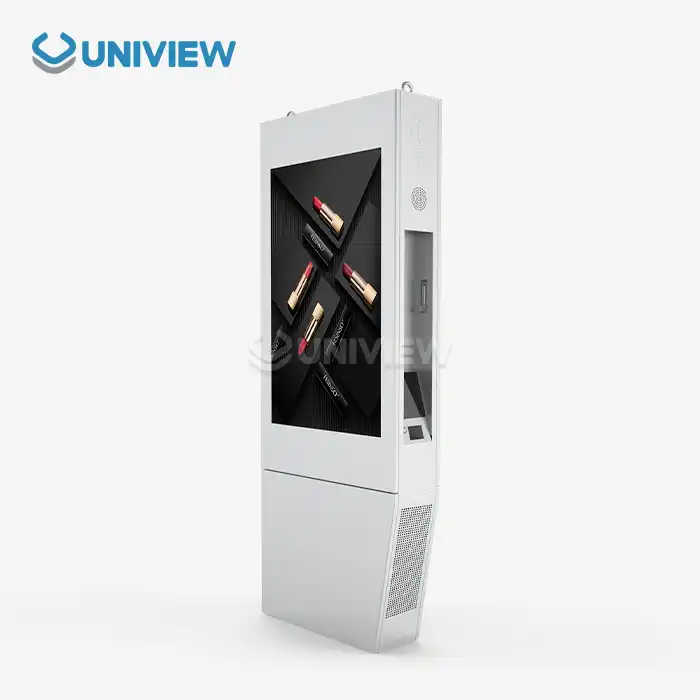
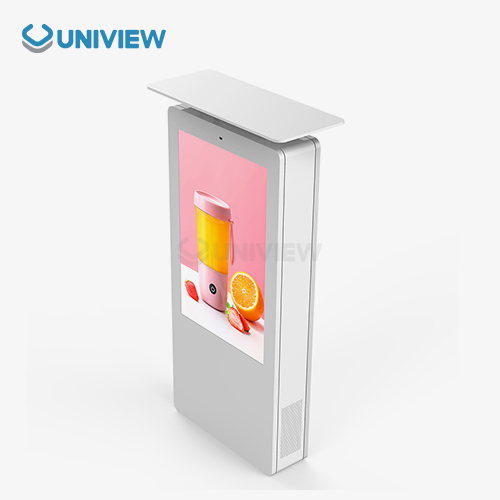
Digital sign stands have changed the way stores work by giving stores a new and exciting way to interact with customers, sell goods, and make shopping more enjoyable overall. These flexible screens are becoming more and more popular in stores because they help businesses connect clearly with their customers. Digital sign stands are changing how stores interact with customers. They can be anything from eye-catching displays of products to interactive customer service booths. Businesses can send tailored messages, change content in real time, and create engaging brand experiences with these stands' cutting-edge technology and sleek designs. Since the retail business is always changing, digital sign stands have become an important part of making stores more interesting and useful for customers, which increases sales.
What Are the Key Benefits of Using Digital Signage Stands in Retail Stores?
Enhanced Customer Engagement
A strong way to get people's attention and get them more involved in store settings is to use digital signage stands. Shoppers are drawn to these moving displays and are encouraged to connect with goods or services because the content is bright and captivating. Digital signage stands can show nice pictures and videos that get brand messages and product information across by using high-quality LCD screens and LED technology. Stores can show more goods or deals to customers when they can rotate multiple pieces of merchandise. This keeps customers updated and interested while they shop. To make things even more interesting and convenient, some digital sign stands have touch screens that customers can interact with to learn more about products, check supplies, or even buy things right from the screen.
Improved Brand Awareness
Digital advertising stands are an important part of making people more aware of brands in stores. These screens can be used in a variety of ways and provide a flexible surface for showing brand personality, values, and messages in an eye-catching way. Retailers can make brand experiences that stick with their target audience by using high-resolution computers and advanced content management systems. Digital signs stands make it easy to add unique content like logos, color schemes, and advertising materials. This makes sure that the brand is represented consistently throughout the store. Being able to directly and real time update content lets stores change their message quickly, making sure that brand interactions are always current and up to date. This freedom also makes it possible to run focused marketing efforts, which help shoppers remember and become more familiar with the brand.
Increased Sales and Revenue
It has been shown that putting up digital signage stands in stores can increase sales and income. These clever displays are great for marketing because they let stores show off their goods, draw attention to special deals, and make strong calls to action that get people to buy. Retailers can help customers through the shopping process by carefully putting digital information stands throughout the store. This can lead to unplanned purchases and upselling possibilities. Customers can get accurate and up-to-date information about goods and prices when prices and information are shown in real time. This makes deals go more smoothly and reduces the chance of customer complaints. Interactive digital signs stands can also suggest products and compare them, which can help customers make better choices and possibly raise the average deal value.
How Can Digital Signage Stands Enhance the Customer Experience in Retail Stores?
Personalized Shopping Experiences
By letting customers have more unique shopping experiences, digital signage could change the way people connect with stores. With sensors and data analytics, these high-tech screens can recognize individual buyers and show them material that is more relevant to them based on their past purchases and tastes. Digital sign stands can show each buyer unique product suggestions, special deals, and useful information by connecting to customer reward programs and mobile apps. This amount of customizing not only makes shopping more enjoyable, but it also makes it more likely that customers will be happy and come back. Interactive digital signs can also act as virtual personal shoppers, helping customers choose products and giving them more information when they need it.
Seamless Wayfinding and Navigation
One of the best things about digital signs stands in stores is that they make it easy for customers to find their way around. If these digital screens are set up in a smart way, it will be easier for customers to find products, offices, or services. Touch screen interfaces and simple mapping systems on digital sign stands make it easy for buyers to find what they need. Overall, this makes shopping more fun. People can always get the most up-to-date information on these stands, which can also be set up to show changes in shop plans, sales, and events as they happen. Customers are happier when digital signs help them find their way. It also makes the store run better and makes it easier on the staff who would normally have to help people find their way.
Interactive Product Demonstrations
In store settings, digital signage stands are a creative way to show live product demos. These screens are very flexible and can be used to make shows that are both interesting and useful for customers. They let them see and try out product features, benefits, and use cases. By using touch screens, 3D images, and virtual reality, digital signage stands can create engaging experiences that make goods come to life. Customers learn more about the goods and make better buying choices when they connect with them in this way. These stands let stores show off complicated or expensive things, like smartphones or tools, without having to hire extra staff all the time. Digital signs stands that let you interact with goods can also help cut down on the amount of actual touching of products, which is especially helpful for keeping up with cleanliness standards in today's retail world.
What Are the Future Trends in Digital Signage Stands for Retail Applications?
AI-Powered Content Optimization
Intelligence-powered content improvement is going to change the way digital signs work in stores in the future. Smart screens will be able to look at customer behavior, demographics, and outdoor factors in real time as artificial intelligence (AI) gets better. This will allow them to show very specific and useful material. Intelligent computer programs called AI will let digital billboards change their messages based on things like the time of day, the weather, and even how people are feeling. In the end, more contacts and sales will happen because messages will be more interesting and useful because of this level of personalization. Intelligent digital signs will also be able to learn from what customers say and keep improving their content tactics. This way, the information they show will always be new, interesting, and powerful.
Integration with IoT and Smart Retail Technologies
IoT (Internet of Things) and smart retail technologies, when combined with digital signs stands, are about to change the way stores work. Digital sign stands will be the hubs where all the real-time data from the different sensors and devices in the store will be collected and shown as stores become more linked. Together, these two features will let stores make shopping experiences that are quicker and flexible. In-store devices could, for example, use light technology to show personalized deals to customers as they walk by, or digital sign stands could change what's shown based on the trends of foot traffic. Retailers will learn a lot about their customers' habits and likes when digital signage stands are connected to other smart retail technologies. This will help them make better decisions based on data and run their businesses more efficiently.
Augmented Reality and Virtual Try-On Experiences
The interesting new area of store uses is adding augmented reality (AR) and virtual try-on experiences to digital advertising stands. Because of these high-tech screens, buyers will be able to see how products will look in real life or virtually try on clothes without actually doing so. Retailers of furniture and beauty products could use AR technology on digital signs to show customers how a piece of furniture would look in their own homes. As a result of giving customers more information, this technology not only makes shopping more enjoyable, but it also lowers the number of returns. Additionally, as augmented reality technology develops, digital signs will become an important part of connecting online and in-store shopping by letting customers explore products in a way that wasn't possible in traditional stores.
Conclusion
Digital signage stands have emerged as a game-changing technology in retail environments, offering numerous benefits such as enhanced customer engagement, improved brand awareness, and increased sales. As we look to the future, the integration of AI, IoT, and AR technologies will further revolutionize the capabilities of these versatile displays. Retailers who embrace these advancements will be well-positioned to create immersive, personalized shopping experiences that meet the evolving expectations of modern consumers. By partnering with innovative manufacturers like Uniview Commercial, businesses can leverage cutting-edge Uniview LCD digital signage solutions to stay ahead in the competitive retail landscape. For more information on how our state-of-the-art Uniview LCD digital signage stands can transform your retail environment, please contact us at sales@univiewlcdisplay.com.
FAQ
Q: What are the main advantages of using digital signage stands in retail stores?
A: Digital signage stands enhance customer engagement, improve brand awareness, and increase sales by providing dynamic, interactive content and personalized shopping experiences.
Q: How do digital signage stands contribute to a better customer experience?
A: They offer personalized shopping experiences, seamless wayfinding and navigation, and interactive product demonstrations, making the shopping process more engaging and informative.
Q: What future trends can we expect in digital signage stands for retail?
A: Future trends include AI-powered content optimization, integration with IoT and smart retail technologies, and augmented reality and virtual try-on experiences.
Q: How can digital signage stands help increase sales in retail environments?
A: By showcasing products, highlighting special offers, providing real-time inventory information, and offering personalized recommendations, digital signage stands can drive purchasing decisions and increase sales.
Q: Are digital signage stands customizable for different retail settings?
A: Yes, digital signage stands can be customized to fit various retail environments and can display content tailored to specific products, brands, or customer demographics.
References
1. Smith, J. (2022). The Impact of Digital Signage on Retail Customer Engagement. Journal of Retail Technology, 15(3), 245-260.
2. Johnson, A. & Brown, M. (2021). Digital Signage Stands: Revolutionizing the Retail Landscape. International Journal of Retail & Distribution Management, 49(2), 178-195.
3. Lee, S. (2023). Enhancing Brand Awareness through Interactive Digital Displays in Retail Environments. Journal of Brand Management, 30(1), 67-82.
4. Wilson, R. (2022). The Future of Retail: AI-Powered Digital Signage and Personalized Shopping Experiences. Retail Innovation Quarterly, 8(4), 312-328.
5. Davis, T. & Thompson, K. (2021). Augmented Reality in Retail: The Role of Digital Signage Stands. Journal of Interactive Marketing, 53, 89-104.
6. Chen, Y. (2023). IoT Integration in Retail Digital Signage: Opportunities and Challenges. International Journal of Retail & Distribution Management, 51(3), 456-472.


Learn about our latest products and discounts through SMS or email