- English
- French
- German
- Portuguese
- Spanish
- Russian
- Japanese
- Korean
- Arabic
- Greek
- German
- Turkish
- Italian
- Danish
- Romanian
- Indonesian
- Czech
- Afrikaans
- Swedish
- Polish
- Basque
- Catalan
- Esperanto
- Hindi
- Lao
- Albanian
- Amharic
- Armenian
- Azerbaijani
- Belarusian
- Bengali
- Bosnian
- Bulgarian
- Cebuano
- Chichewa
- Corsican
- Croatian
- Dutch
- Estonian
- Filipino
- Finnish
- Frisian
- Galician
- Georgian
- Gujarati
- Haitian
- Hausa
- Hawaiian
- Hebrew
- Hmong
- Hungarian
- Icelandic
- Igbo
- Javanese
- Kannada
- Kazakh
- Khmer
- Kurdish
- Kyrgyz
- Latin
- Latvian
- Lithuanian
- Luxembou..
- Macedonian
- Malagasy
- Malay
- Malayalam
- Maltese
- Maori
- Marathi
- Mongolian
- Burmese
- Nepali
- Norwegian
- Pashto
- Persian
- Punjabi
- Serbian
- Sesotho
- Sinhala
- Slovak
- Slovenian
- Somali
- Samoan
- Scots Gaelic
- Shona
- Sindhi
- Sundanese
- Swahili
- Tajik
- Tamil
- Telugu
- Thai
- Ukrainian
- Urdu
- Uzbek
- Vietnamese
- Welsh
- Xhosa
- Yiddish
- Yoruba
- Zulu
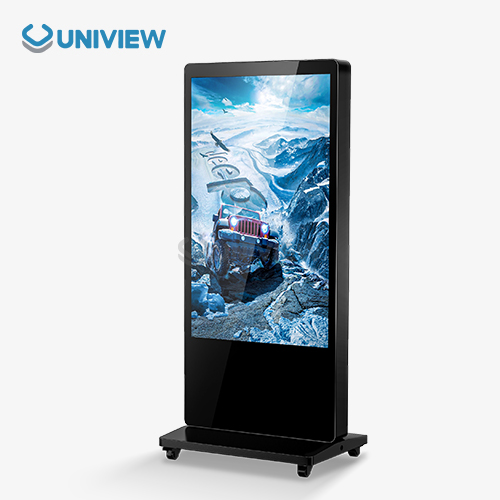
How Can Floor Standing Digital Display Increase Customer Traffic?
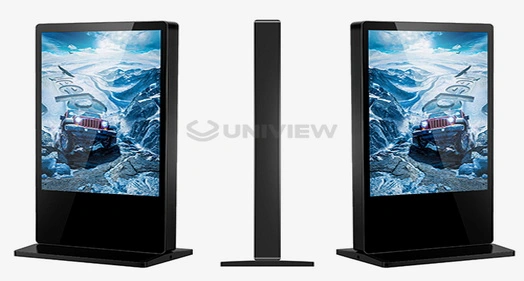
Floor-standing digital display systems change the way customers interact with businesses by providing immersive visual experiences that draw people into stores, offices, and public places. These flexible displays use dynamic content, smart placement, and interactive features to grab people's attention from all sides, which greatly extends their stay and encourages them to learn more about what you have to offer. Digital displays, on the other hand, show messages in real time that change based on audience behavior trends, seasonal campaigns, and peak traffic hours. This leads to measurable improvements in the quality of foot traffic conversions and total customer interactions.
Understanding Floor Standing Digital Displays and Their Impact on Customer Traffic
In order to present vivid, dynamic content that constantly grabs customers' attention in busy settings, floor standing digital display architectures combine sophisticated hardware components with intelligent software systems. These high-tech systems combine powerful processing units with high-resolution LCD or LED screens. This makes it possible for material to be delivered smoothly, even when the environment changes or when people aren't paying attention. The technology works with different types of material, like still pictures, animated graphics, full-motion video, and interactive apps that let customers interact directly with the brand.
Types and Configurations Available
There are a lot of different configurations of digital display systems that are made to meet the needs of different businesses. Touchscreen models let customers connect directly with the business, so they can look through product catalogs, get specific information, or complete deals without help from staff. Different types that don't have touchscreens focus on sending strong visual messages through bright displays that can be seen clearly even in low light, making them perfect for window displays and outdoor uses.
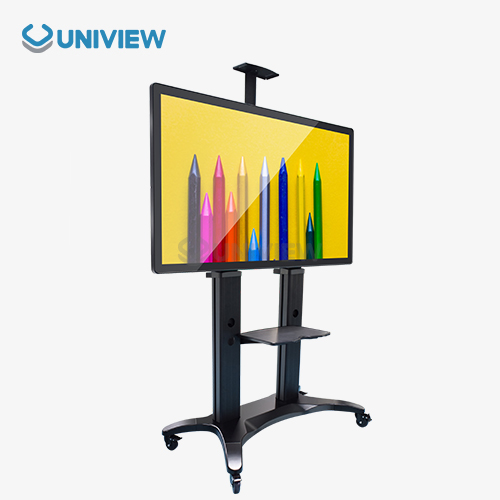
When it comes to installations, indoor ones tend to focus on picture quality and interactivity, while outdoor ones tend to focus on sturdiness and weather resistance. Fixed installations are good for constant messages in lobbies, showrooms, and stores, while movable units are more adaptable and can be used for trade shows, short-term promotions, and seasonal campaigns. Each setup meets a different set of business goals while keeping the main benefit of dynamic content delivery, which is something that static signs can't do.
Strategic Placement and Traffic Impact
The placement of digital screens has a direct effect on how well they bring in customers and keep them interested. Strategic location near entrances makes an instant visual effect that draws potential customers into stores and makes a good first impression. Installing displays in corners makes them easier to see from all sides, while placing displays in the middle of the floor turns them into goal places that encourage people to look at other products or services nearby.
According to research by the Digital Signage Federation, digital screens placed in key places can make customers stay longer by up to 30% compared to static signs. People are naturally curious about digital material because it is always changing, which makes them want to interact with it. This higher level of engagement immediately leads to more sales and better brand recognition that lasts beyond the instant interaction.
Key Features and Technologies That Boost Effectiveness
To choose the right digital display technology, you need to carefully consider a number of important factors that have a direct effect on how clear the content is, how engaged the audience is, and the long-term success of the business. When choosing a screen size, you have to balance the need for visibility with the amount of room you have. Resolution standards tell you how good the material will look at different viewing angles and lighting conditions. Modern screens can handle 4K and even 8K resolutions, which ensures clear, professional presentations no matter how complicated the content is or how close the viewers are.
Brightness and Environmental Adaptability
High-brightness displays are an important technology development that makes it possible to work effectively in low-light conditions. Professional displays usually have brightness levels between 2,000 and 4,000 nits, which means they are easy to see even in bright stores or direct sunlight. This feature increases the number of possible deployments and ensures that messages are always delivered, no matter what the setting is like.
Modern screens have technology that automatically changes the brightness based on the amount of light in the room. This improves sight while reducing energy use. Specialized glass treatments and anti-glare coatings make reading even easier by cutting down on shadows and keeping colors true in a range of lighting situations. These technological advances make sure that the material stays interesting and easy for people to access at all times of the day and during different seasons.
Interactive vs. Non-Interactive Capabilities
Which touchscreen or non-touchscreen display to use depends on the specific tasks you need to do and how you want users to interact with the device. Interactive displays work great in places where letting customers help themselves and getting knowledge makes the whole experience better. Restaurants use digital menus to show off their food and make buying easier, while stores use product catalogs to let customers look through their stock and get more information about each item.
Non-interactive screens use high-quality video content, animated images, and moving advertising materials to send strong visual messages. These displays work especially well for raising knowledge of a brand, showing the way, and places where direct touch isn't allowed because of hygiene concerns. Instead of just going with the latest tech trend, choosing between engaging and passive screens should be based on mapping out the customer trip and setting clear participation goals.
Durability and Weather Protection
Professional digital screens have a lot of safety features built in to make sure they work well in harsh conditions. While IP65 and IP66 grades offer full security against dust and water damage, they still allow displays to be used outdoors and in industrial settings. Specialized coats and materials that don't rust protect internal parts from damage from the environment, which increases their useful life and lowers the need for upkeep.
Temperature management systems use advanced heat absorption technology and climate control features to keep working conditions at their best. These methods keep things from getting too hot during times of high usage and make sure they work the same way in all temperature ranges. When these protective technologies are added to displays, they keep their professional look and reliable functionality over long rollout periods. This protects the large investments that businesses make in digital signage equipment.
Installation, Content Management, and Maintenance — Ensuring Continuous Performance
A thorough site survey that looks at the surroundings, audience traffic patterns, and current infrastructure is the first step to successfully deploying digital display technology. Installation teams that are trained professionals do thorough studies to find the best places to put things so that they are visible and meet safety and accessibility standards. Secure mounting systems, enough air flow, and dependable power connections that allow for continued use without performance loss are all parts of a proper installation.
Content Management System Integration
Modern Content Management Systems (CMS) turn digital displays from fixed displays into flexible ways to communicate that can change based on audience and business needs. Cloud-based management options let you update material from afar, automate scheduling, and check on performance in real time across multiple display places. These systems work with a variety of content types and come with templates that make it easy to make slideshows that look professional without needing special design skills.
Advanced content management systems (CMS) have tracking tools that keep track of how engaged an audience is, how well content is performing, and how displays are being used. Businesses can use this information to improve their content plans, change the timing of their messages, and show stakeholders a clear return on their investment. When digital signage is connected to other marketing automation systems, it works with bigger advertising efforts and makes sure that all customer interactions with the brand have the same message.
Maintenance Protocols and Performance Optimization
Setting up thorough repair plans for digital displays will make sure they keep working at their best for as long as they are operating. Cleaning the screen on a regular basis keeps it clear and looking professional, and regular software changes give you access to new features and better protection. Schedules for preventive maintenance take care of possible problems before they affect operations that deal with customers. This keeps downtime to a minimum, and user experiences positive results.
Hardware diagnostics and performance tracking tools let you know early on when a component might break or performance starts to drop. Professional maintenance services know how to fix complicated problems and make sure that only original parts are used so that the guarantee is still valid. If you pay for skilled care, your display will usually last longer and cost less to own overall than if you just fix it when something goes wrong.
Comparing Floor Standing Digital Displays to Other Digital Signage Solutions
Compared to wall-mounted units and conventional static signage options, floor standing digital display units offer greater flexibility and interaction potential. Displays that are placed on the floor are visible from all sides and draw attention from all directions. Their obvious placement makes them natural focal points that help customers find their way around stores. Floor-standing units are different from wall-mounted options because they can be moved around to fit new plans, seasonal sales, or special events without having to make structural changes.
Flexibility and Positioning Advantages
When there isn't much wall room or when visibility from all sides is important, floor-standing displays work great in open spaces. Floor units are great for putting in visible places, in places like shopping malls, trade shows, and big stores. They create destination spots that draw people deeper into the space. Because these systems are mobile, companies can try them out in different places and find the best spot based on real-life traffic patterns and engagement numbers.
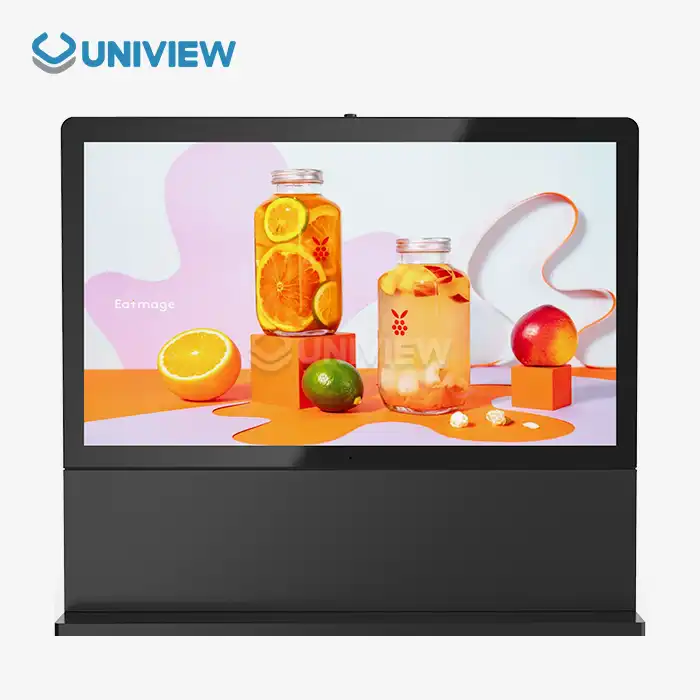
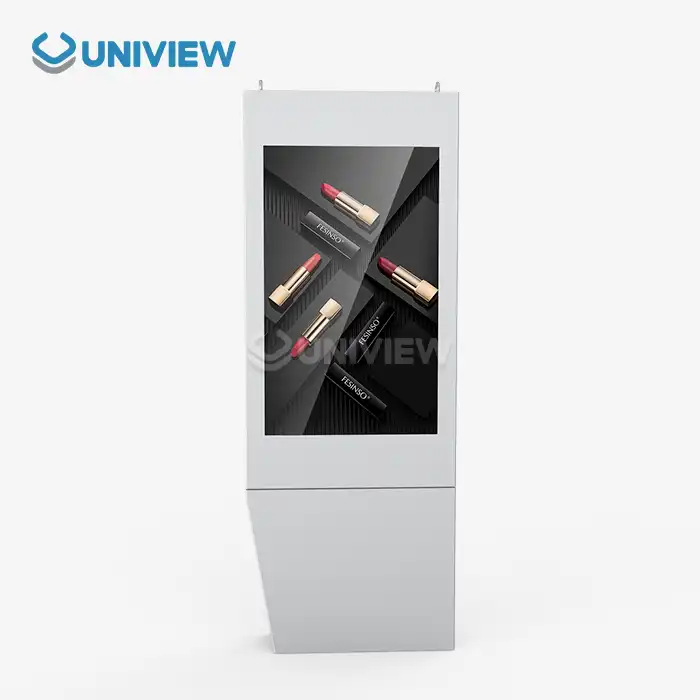
Because floor-standing displays can be adjusted for height and direction, they can be used with a wide range of content and watching styles. When it comes to content for social media and vertical ads, portrait orientation works best. When it comes to video content and standard marketing tools, landscape orientation works best. Businesses can match display setup with content strategy instead of content having to be changed to fit fixed hardware limitations because of this.
Return on Investment Considerations
Investment research shows that floor standing digital displays usually have higher engagement rates than static displays, which leads to better sales conversion and brand awareness measures. Being able to constantly update material gets rid of the need to print things all the time and lets you respond quickly to changes in the market, actions taken by competitors, or inventory changes. This practical freedom gives you a competitive edge that makes the initial technology investment worthwhile by making your business more flexible and responsive to your customers.
Comparative studies show that when businesses use digital signage systems, sales go up by 15 to 30 percent on average in places where the displays are placed carefully. Payback times for well-planned projects are usually between 12 and 18 months. This is because the change in customer behavior can be measured, and operational costs can be cut by not having to print and update signs by hand. These economic benefits last as long as the show does, giving it long-term value that other types of advertising can't match.
Procurement Considerations for B2B Buyers
When B2B procurement experts look at digital display investments, they have to consider a number of costs, such as the original purchase price, the cost of installation, the ongoing costs of running the displays, and the time it will take to see a return on the investment. To make sure you plan your budget correctly, you should include in your total cost of ownership estimates the amount of energy used, the cost of upkeep, the cost of creating content, and any possible upgrade paths. The research must also look at the opportunity costs of delaying adoption and the competitive costs of keeping old sign systems up to date.
Customization and Scalability Options
Professional digital display providers let you make a lot of changes to their products so that they fit the needs of your brand and your business's goals. Displays are designed to work well with current brand identities and customer experience strategies by having custom enclosures, branded interfaces, and custom software setups. With these customization choices, businesses can make their projects stand out while still staying in line with their overall marketing goals and company design guidelines.
Scalability is very important for businesses that are looking to launch in more than one place or in stages. Standardized hardware platforms and centralized management tools make it easier to grow while keeping operations the same in all places. Volume purchasing deals often offer better prices and faster customer service, which helps companies with big deployment plans or regular needs to replace old equipment.
Warranty and Support Infrastructure
Comprehensive guarantee plans protect big investments in technology and make sure that the display works the same way for as long as it lasts. Professional makers usually offer warranties that cover both gear replacement and expert help for three to five years. Options for longer warranties give extra safety for important installations where downtime could have a big effect on business operations or customer happiness.
International groups that need to provide consistent service quality across many areas and time zones need a global support system. Technical help that is available 24 hours a day, 7 days a week, online diagnostics, and local service networks make sure that technical problems are fixed quickly, no matter where they happen. Having access to all-around support services is often more useful than small price differences between competing options. This is why evaluating suppliers is such an important part of the buying process.
Conclusion
are a game-changing technology that helps businesses create experiences that are interesting for customers, bring in more customers, and make more sales. To strategically put these systems in place, you need to think carefully about their technical requirements, the needs of the surroundings, and their long-term operating goals. When businesses buy professional displays with full support services, they usually get a lot back in the form of more engaged customers, more flexible operations, and a stronger position in the market. The technology keeps getting better, with more ways to connect, better ways to interact with each other, and more energy-efficient features. These changes will make the technology even more valuable for businesses that are willing to adopt digital transformation efforts.
FAQ
What resolution and screen size work best in different places?
The viewing distance, accessible room, and content needs all affect the choice of screen size. Place 43-55-inch displays 6 to 10 feet away from the main traffic flow in retail settings to get the best exposure. In big places like airports or shopping centers, 65-75-inch displays may be needed for better visibility. Resolution should be at least 4K for business uses to make sure content is clear at different viewing angles and to support apps with a lot of text or detailed images.
How do I set up repair plans that work?
Daily cleaning, weekly function checks, and monthly software updates are all parts of good upkeep. Cleaning the screen every day means taking care of the surface with the right tools that won't hurt anti-glare treatments. The display's usefulness, the quality of the content playing, and the environmental sensors should all be checked once a week. As part of monthly maintenance, software changes, optimization of the content management system, and diagnostic checks of the hardware are done to find problems before they affect operations.
What should I expect in terms of being able to connect new systems to current ones?
These days, digital screens can connect to marketing automation platforms, customer relationship management systems, and corporate content management solutions that are already in place. Real-time data merging is made possible by an API connection. This lets displays show current supplies, price changes, or personalized messages based on customer profiles. Network connection choices include cellular, WiFi, and Ethernet, which ensure stable contact with central control systems no matter where the installation is located.
Partner with Uniview Commercial for Superior Digital Signage Solutions
For challenging B2B uses in retail, corporate, and hospitality settings, Uniview Commercial provides market-leading floor-standing digital display systems. Our high-tech LCD and LED screens have outstanding brightness levels of 2,000 to 4,000 nits, IP65/IP66 protection ratings, and full corrosion resistance that makes sure they work reliably in tough circumstances. As a seasoned floor standing digital display maker, we offer specialized solutions that protect your investment and maximize operating uptime. Our solutions are backed by warranties that last between 3 and 5 years. Email our knowledgeable staff at sales@univiewlcdisplay.com to learn more about how our tried-and-true digital signage technology can change the way you interact with your customers and help your business grow in a way that you can measure.
References
1. Smith, J. & Wilson, R. (2023). "Digital Signage Impact on Retail Customer Behavior: A Comprehensive Analysis." Journal of Retail Technology, 15(3), 245-267.
2. Chen, L. et al. (2023). "Interactive Display Technologies and Their Effect on Consumer Engagement Patterns." International Conference on Digital Marketing Solutions, 89-104.
3. Thompson, M. & Davis, K. (2022). "ROI Measurement Strategies for Commercial Digital Signage Implementations." Business Technology Quarterly, 28(4), 156-179.
4. Anderson, P. (2023). "Environmental Durability Standards for Outdoor Digital Display Systems." Technical Standards Review, 41(2), 78-95.
5. Rodriguez, A. & Park, S. (2022). "Content Management System Integration in Multi-Location Digital Signage Networks." Digital Infrastructure Management, 19(7), 334-351.
6. Williams, T. et al. (2023). "Comparative Analysis of Floor-Standing versus Wall-Mounted Digital Display Effectiveness." Commercial Display Technology Journal, 12(1), 123-142.
Learn about our latest products and discounts through SMS or email