- English
- French
- German
- Portuguese
- Spanish
- Russian
- Japanese
- Korean
- Arabic
- Greek
- German
- Turkish
- Italian
- Danish
- Romanian
- Indonesian
- Czech
- Afrikaans
- Swedish
- Polish
- Basque
- Catalan
- Esperanto
- Hindi
- Lao
- Albanian
- Amharic
- Armenian
- Azerbaijani
- Belarusian
- Bengali
- Bosnian
- Bulgarian
- Cebuano
- Chichewa
- Corsican
- Croatian
- Dutch
- Estonian
- Filipino
- Finnish
- Frisian
- Galician
- Georgian
- Gujarati
- Haitian
- Hausa
- Hawaiian
- Hebrew
- Hmong
- Hungarian
- Icelandic
- Igbo
- Javanese
- Kannada
- Kazakh
- Khmer
- Kurdish
- Kyrgyz
- Latin
- Latvian
- Lithuanian
- Luxembou..
- Macedonian
- Malagasy
- Malay
- Malayalam
- Maltese
- Maori
- Marathi
- Mongolian
- Burmese
- Nepali
- Norwegian
- Pashto
- Persian
- Punjabi
- Serbian
- Sesotho
- Sinhala
- Slovak
- Slovenian
- Somali
- Samoan
- Scots Gaelic
- Shona
- Sindhi
- Sundanese
- Swahili
- Tajik
- Tamil
- Telugu
- Thai
- Ukrainian
- Urdu
- Uzbek
- Vietnamese
- Welsh
- Xhosa
- Yiddish
- Yoruba
- Zulu
How Can Floor Standing LCD Digital Signage Increase Visibility?
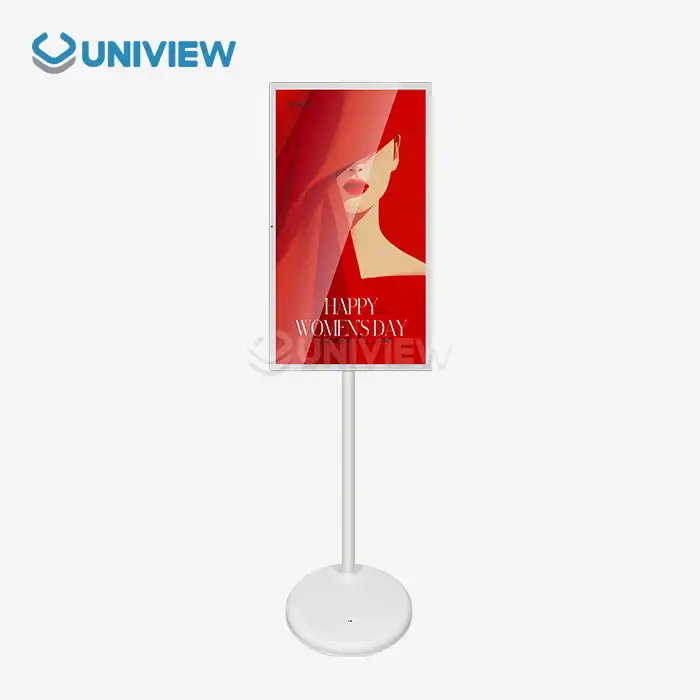
Positioning high-brightness screens at eye level in high-traffic areas makes floor standing lcd digital signage more visible. Dynamic content and bright visuals grab people's attention right away. These stand-alone units offer better screen placement than wall-mounted options, so they can reach more people in retail, business, and leisure settings. With its interactive features and ability to display material that you choose, floor-standing LCD digital signage creates visually appealing experiences that naturally draw customers to your brand message. This greatly increases engagement rates and brand knowledge in commercial spaces.

Understanding Floor Standing LCD Digital Signage and Its Impact on Visibility
Learning about LCD digital signs that stand on their own and how they affect visibility
Floor standing lcd digital signage is a completely new way for businesses to communicate visually, and it's changing how they interact with their customers. These flexible display options use cutting-edge technology and smart placement to get your brand seen by as many people as possible and get people to connect with your brand.
What Makes Floor Standing LCD Digital Signage Unique?
Floor-standing digital signage units give you a lot more freedom in where you put them and who they show them to than standard wall-mounted displays or static signs. The high-resolution LCD panels in these stand-alone displays are housed in sturdy cases that are made to survive the demands of business settings while still providing excellent visual performance. Floor-standing units are better because they are placed at eye level, which makes for natural viewing angles that grab people's attention without them having to look up or down. This positioning psychology makes it much easier to remember messages and brands, which makes these displays priceless for companies that want to improve how well they communicate visually.
Technical Components That Drive Visibility
Modern floor-standing LCD screens use cutting-edge technology that has a direct effect on how visible and engaging they are. Highly bright LCD screens, usually between 700 and 4,000 nits, make it easy to read even in places with a lot of natural light, like stores and offices. Anti-glare coats and wide viewing angles make the material easier to see from a variety of angles, so they can accommodate different foot traffic patterns. A lot of the units also have touchscreens that can be used to interact with the content. This turns idle watching into active participation, creating memorable brand experiences that connect with target audiences.
Strategic Placement Benefits for Commercial Environments
Because floor-standing units are portable, they can be placed in ways that change with the needs of the business. Unlike fixed installations, these displays can be moved around for events, seasonal campaigns, or when the space is rearranged. This gives you continued freedom that helps you get the most out of your investment. This advantage of mobility is especially helpful for companies in retail, hospitality, and professional settings where room needs are always changing. Moving displays to high-traffic areas or specific spots in the customer journey makes sure that visibility is optimized throughout all operating stages.
Core Benefits of Using Floor Standing LCD Digital Signage for B2B Environments
Why using floor-standing LCD digital signage in business settings is a good idea
Putting in floor-standing LCD screens in business-to-business settings makes it easier to see brands, get customers involved, and run the business more efficiently. These benefits directly address the most important issues for procurement managers looking for solutions that give them real returns on their technology investments.
Enhanced Brand Exposure and Customer Engagement
Digital screens that stand on the floor create active visual experiences that are much better at getting and keeping people's attention than static signs. Digital signs industry study shows that the use of motion graphics, bright colors, and interactive content can increase participation rates by up to 400% compared to standard printed materials. These changes in involvement directly lead to more brand exposure and chances for customers to interact with the brand. Companies that use floor-standing LCD signs say that their customers remember promotional material and brand messages better than when they used traditional advertising methods. Content management systems are very flexible, so they can make changes in real time and send focused messages. This lets businesses react quickly to changes in the market or promotional opportunities. This flexibility is especially useful in B2B settings that are competitive and where prompt communication can affect choices about what to buy.
Operational Flexibility and Cost Efficiency
Floor-standing LCD screens' modular design gives them a lot of operating freedom, letting them be used in a wide range of situations without needing lasting structural changes. This flexibility cuts down on building costs and lets businesses find the best place for displays based on changing business needs. LED backlighting that uses less energy and smart power management systems help keep costs down compared to older projection systems or multiple silent screens. Many current units use less than 200 watts of power while providing better brightness and picture clarity. This helps with environmental efforts and keeps costs down. Because commercial-grade LCD panels and sturdy casings are so durable, they require less upkeep and last longer. Quality units usually have panel life ratings of 50,000 hours or more and come with full guarantee coverage. This makes sure that the unit will work reliably and that the total cost of ownership is known.
Scalability and Integration Capabilities
Floor-standing LCD sign systems work well with current IT and marketing systems because they can connect to a variety of networks and use a variety of content management tools. Because of this flexibility, companies can use the technology they already have while also increasing their visual communication options. These systems can be expanded from single-unit deployments to full multi-location networks because they are scalable. Centralized content management systems let you arrange messages across multiple screens and locations. This helps businesses stay true to their brand and run their operations more efficiently as they add more digital signage.
Comparing Floor Standing LCD Digital Signage with Alternative Solutions
Taking a look at different options for floor-standing LCD digital signage
When procurement experts look at different digital display choices, they need to think about a lot of things, such as the visual quality, how easy it is to install, how flexible it is for operations, and the total cost of ownership. By understanding these similarities, you can make decisions that are in line with your business's goals and practical limits.
LCD vs LED Display Technology
When color accuracy and high clarity are important, floor-standing LCD screens are the best choice for indoor and semi-outdoor uses. LCDs have higher pixel density and sharper images than LED displays at the same viewing distance. This makes them perfect for apps with a lot of text and detailed material. LCD options tend to be cheaper for smaller to medium-sized screens, making them a better choice for uses that need screens smaller than 75 inches. LCD screens are also quieter and produce less heat than similar LED options, which means that climate-controlled settings don't need as much air conditioning. But LED displays work really well in very large setups and places where the light needs to be very bright. Instead of just looking at how much one technology costs, choosing between LCD and LED should be based on factors like watching distance, surroundings, and content needs.
Interactive Capabilities and User Experience
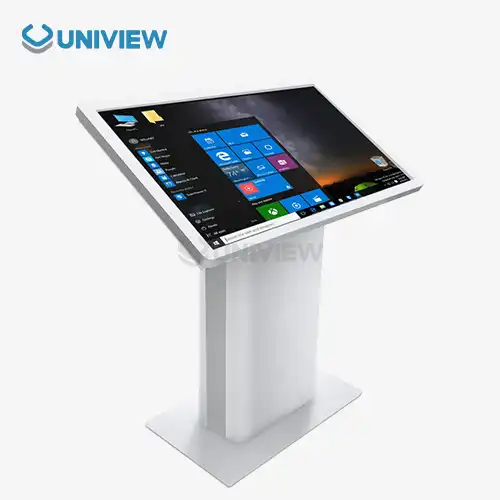
LCD screens that stand on their own and have touchscreen technology built in are more interactive than projection-based systems or static booths. Capacitive touch interfaces work quickly and easily, and they can handle complicated interactive programs like product configurators, guidance systems, and data collection tools. Floor-standing touchscreens are better for your health because they have easy interaction heights and stable mounting systems that let you touch the screen many times without losing quality. This durability is very important in business settings with a lot of foot traffic, where steady performance has a direct effect on user happiness. Floor-standing touchscreen screens are better for group presentations or collaborative apps because they let more people connect with them and are easier to see than tablet-based options. The strong build and professional look of commercial-grade units also send a message of quality and dependability that improves how people see the brand.
Space Efficiency and Installation Considerations
Traditional booth setups take up more space than floor-standing LCD units because they take up more floor space but have bigger screens. Modern LCD screens have thin profiles and small bases, which lets them be used in places where bigger cases would make it harder for people to move. Another big benefit is that it's easy to set up. Most floor-standing units only need power lines and network access, not structural mounting or specialized installation skills. This ease of access cuts down on setup times and lets businesses quickly set up or move screens as needed. Because floor-standing units are portable, they can also be used for short-term purposes like trade shows, events, or seasonal campaigns where fixed installs would not work. Compared to fixed display options, this makes it more useful and increases the return on investment.
How to Select the Right Floor Standing LCD Digital Signage for Your Business?
The Best Ways to Choose the Best LCD Digital Signage for Your Business
To choose the right floor-standing LCD digital signs, you need to carefully look at your business needs, the technical requirements, and the supplier's abilities. A methodical approach makes sure that the show features and operational goals are perfectly aligned, and it also maximizes long-term worth.
Defining Business Requirements and Objectives
The first step in the selection process is to clearly define the viewers, types of material, and situations in which the displays will work. Figuring out these basic needs helps you choose the right screen size, quality, brightness, and dynamic features to get the results you want. When choosing the best screen sizes, think about how far away people usually sit and how big the crowd is. Displays that are meant to be used by one person need different specs than displays that are meant to be used by a group or for casual ads. Similarly, the complexity of the content affects the resolution needed. For example, complicated graphics and words need more pixels than simple advertising. The surrounding lighting, temperature ranges, and humidity levels all have an effect on how well and how long a show works. Standard-brightness types may work in places with controlled lighting inside, but high-brightness panels are needed for the best vision in places with a lot of natural light outside.
Key Technical Specifications and Performance Criteria
Screen brightness is an important factor that has a direct effect on how well you can see and understand what's on the screen. Standard indoor screens have a brightness range of 350 to 700 nits. High-brightness models have a range of 1,000 to 4,000 nits for difficult lighting situations. By matching the brightness levels to the lighting conditions, you can be sure that the information will always be visible in all kinds of lighting. Resolution needs rely on how complicated the content is and how far away people usually sit to watch it. For close watching, 4K displays show a lot of detail, while Full HD resolution might be enough for general ads at intermediate distances. Displays with a higher definition can also show more detailed interactive material and make professional presentations. The quality of the content changes depending on where you look at it and how accurate the colors are. Commercial displays usually have bigger color gamuts and viewing angles than consumer displays. This makes sure that the picture quality stays the same for all viewing angles and professional settings.
Supplier Evaluation and Support Considerations
Working with well-known suppliers guarantees access to trustworthy goods, full warranties, and ongoing expert help. Check out providers based on the quality of their products, their ability to make changes, the length of their warranties, and their ability to set up a global support system that works with your business's needs. The availability and reaction times of technical help have a direct effect on the continuity of operations, especially for applications that are mission-critical. Suppliers that give help 24 hours a day, seven days a week, and quick replacement services reduce the risk of downtime and make sure that displays always work well. Also, think about companies with local service networks that can offer help on-site if needed. Because they can be customized, displays can meet special operational needs that normal models can't. This includes unique cases, special mounting systems, or extra parts that are built in and make the device work better. When it comes to unique solutions, suppliers who do their own research and manufacturing are usually more open to suggestions.
Implementing and Maintaining Floor Standing LCD Digital Signage for Maximum ROI
Putting up and taking care of floor-standing LCD digital signs for the best return on investment
Fo floor standing lcd digital signage to work well, it needs to be carefully planned out, installed correctly, and maintained regularly. All of these parts work together to make sure that the display performs at its best, lasts as long as possible, and gives you the best return on your investment.
Strategic Placement and Installation Best Practices
When deciding where to put floor-standing displays, it's best to think about traffic patterns, sight lines, and the goals of the content to get the most attention and participation from the audience. Advertising and informational material usually have the most effect and exposure in high-traffic areas like entrances, waiting areas, and decision spots. Make sure there is enough room around displays for safe operation and maintenance, but don't put them in a way that makes it hard for people to get to other areas. If you want to keep installation and ongoing operational problems to a minimum, think about power and network connectivity needs when deciding where to put things. Things in the environment, like HVAC systems, natural lighting, and heat sources close by, can affect how well and how long a show lasts. Avoiding direct sunlight and making sure there is enough air flow helps keep working temperatures at the right level and extends the life of parts.
Content Management and Performance Optimization
Dynamic advertising that changes based on viewer behavior, time of day, and business goals is made possible by good content management systems. By adding tracking tools, you can learn more about how people watch videos and interact with them, which helps you make better content improvement decisions. Updating material on a regular basis keeps people interested and helps marketers reach their long-term goals. Setting up workflows and review processes for content creation keeps messages up to date, correct, and in line with brand standards. Also, timing features let content rotate automatically, which keeps it relevant without needing constant human intervention. Performance tracking tools keep an eye on how the display works, how material is delivered, and how users interact with it all to find ways to improve it and problems that might arise. Proactive monitoring lets you fix technical issues quickly and gives you data-driven ideas on how to boost involvement and productivity.
Maintenance Protocols and Longevity Considerations
Cleaning screens on a regular basis keeps them looking good and professional, and it stops dust from building up, which can affect how well they cool and work. To keep screen surfaces and exterior finishes from getting damaged, use the cleaning products and methods that the maker suggests. Updates and security changes for software make sure it works at its best and protect it from possible flaws. Setting up tests and update plans helps keep the system safe and working properly while minimizing downtime. Also, backup and restore methods keep data from getting lost and make it easy to get it back quickly if needed. Component lifecycle planning predicts when parts will need to be replaced and sets aside money for ongoing operating needs. Knowing how long parts usually last and how they break down lets you plan for replacements that keep performance standards high and prevent unexpected downtime.
Conclusion
Strategic placement, advanced display technology, and the ability to be set up in a variety of ways make floor standing lcd digital signage a great way to improve visibility. These solutions meet the changing needs of the retail, business, leisure, and transportation sectors by giving them visual communication tools that are constantly changing and work much better than static signs. Businesses can give their customers a great experience by using high-brightness displays, interactive features, and flexible content management. This helps increase involvement and brand knowledge in a measured way. To make sure the best performance and return on investment throughout the display lifecycle, it is important to carefully consider technical specs, environmental factors, and the supplier's skills during implementation.
FAQ
Questions People Ask Often
What factors most significantly impact floor standing LCD digital signage visibility?
Screen brightness is the main thing that affects vision, and screens with 1,000 or more nits of brightness make sure that text can be read in low light. Placement height, watching angles, and content contrast all have a big effect on how well something can be seen. Anti-glare coatings and ambient light monitors also help keep vision at its best in a variety of weather situations.
How does energy efficiency compare between LCD and LED floor standing displays?
For indoor use, LCD displays usually use 30–40% less power than similar LED displays. Modern LCD units use an average of 150–300 watts, but this can change based on the screen size and brightness settings. Automatic brightness adjustment and energy-efficient LED backlighting further cut down on power use while keeping vision at its best in all lighting situations.
Can floor standing LCD digital signage be customized for specific B2B applications?
Modern LCD floor screens can be easily customized with a wide range of choices, such as custom enclosures, built-in accessories, unique mounting systems, and custom software solutions. A lot of companies offer custom design services that can fit specific size needs, weather conditions, and functional requirements while still meeting commercial-grade standards for performance and dependability.
What maintenance requirements should businesses expect with floor standing LCDs?
Cleaning the screen and air entry areas once a week, updating the software once a month, and doing full system checks every three months are all part of regular upkeep. Professional maintenance usually happens once a year or based on how many hours the display is used. Most commercial-grade displays don't need much maintenance as long as they are placed correctly and used within certain weather conditions.
How do floor standing displays compare to wall-mounted options for customer engagement?
Floor-standing displays usually get 25–40% more involvement because they are placed at eye level and have a bigger visual impact, which naturally draws attention. Because they are portable, they can be moved around to adapt to changing traffic patterns or advertising needs. Also, the interactive features are easier to reach than those that are hung on the wall.
Partner with Uniview Commercial for Superior Floor Standing LCD Digital Signage Solutions
Work with Uniview Commercial to get the best digital signage solutions for floor-standing LCD screens
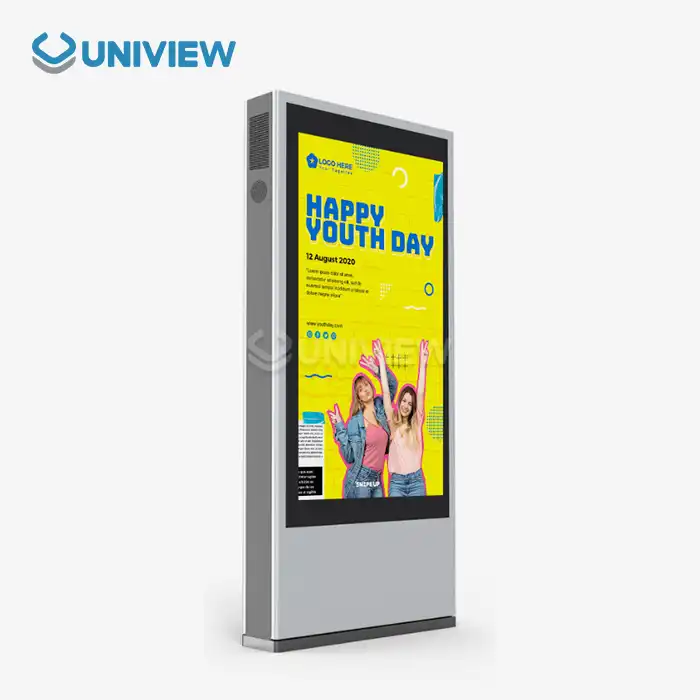
Uniview Commercial's advanced floor standing lcd digital signage systems are perfect for demanding business-to-business settings and can completely change the way you communicate visually. Our screens with high brightness levels between 2,000 and 4,000 nits make them very easy to see, and their IP65/IP66 ratings and corrosion-resistant construction make them reliable for a wide range of business uses. As a reliable maker of floor-standing LCD digital signs, we offer full customization services, longer warranties of 3 to 5 years, and 24/7 global support to help you get the most out of your investment. To find out how our cutting-edge display options can help your brand stand out and keep customers interested, contact our team at sales@univiewlcdisplay.com right away.
References
1. Chen, M. Also Rodriguez, A. (2023). The Journal of Retail Technology (18.3), 45–62, has an article called "Digital Signage Effectiveness in Commercial Environments: A Comprehensive Analysis of Visibility and Engagement Metrics."
2. Thompson, K. et al. Display Technology Quarterly, 12(1), 23–38. "Comparative Study of LCD vs. LED Display Technologies for Indoor Commercial Applications."
3. Williams, S. & Park, J. (2023). International Conference on Digital Marketing Technologies, 156–171. "Interactive Digital Signage: Impact on Customer Behavior and Brand Perception in B2B Environments."
4. Anderson, R. & Liu, X. (2024). Green Technology Journal, 29(2), 89–104. "Energy Efficiency and Total Cost of Ownership Analysis for Commercial Digital Display Systems."
5. Davis, L. et al. "Strategic Placement and Content Optimization for Maximum ROI in Digital Signage Deployments." Commercial Display Management Review, 7(4), 112-128.
6. Martinez, C. Singh, P., and others (2024). A study published in Technical Systems Management (15(2)) looks at "Maintenance Protocols and Longevity Factors in Commercial LCD Digital Signage Systems."

Learn about our latest products and discounts through SMS or email