- English
- French
- German
- Portuguese
- Spanish
- Russian
- Japanese
- Korean
- Arabic
- Greek
- German
- Turkish
- Italian
- Danish
- Romanian
- Indonesian
- Czech
- Afrikaans
- Swedish
- Polish
- Basque
- Catalan
- Esperanto
- Hindi
- Lao
- Albanian
- Amharic
- Armenian
- Azerbaijani
- Belarusian
- Bengali
- Bosnian
- Bulgarian
- Cebuano
- Chichewa
- Corsican
- Croatian
- Dutch
- Estonian
- Filipino
- Finnish
- Frisian
- Galician
- Georgian
- Gujarati
- Haitian
- Hausa
- Hawaiian
- Hebrew
- Hmong
- Hungarian
- Icelandic
- Igbo
- Javanese
- Kannada
- Kazakh
- Khmer
- Kurdish
- Kyrgyz
- Latin
- Latvian
- Lithuanian
- Luxembou..
- Macedonian
- Malagasy
- Malay
- Malayalam
- Maltese
- Maori
- Marathi
- Mongolian
- Burmese
- Nepali
- Norwegian
- Pashto
- Persian
- Punjabi
- Serbian
- Sesotho
- Sinhala
- Slovak
- Slovenian
- Somali
- Samoan
- Scots Gaelic
- Shona
- Sindhi
- Sundanese
- Swahili
- Tajik
- Tamil
- Telugu
- Thai
- Ukrainian
- Urdu
- Uzbek
- Vietnamese
- Welsh
- Xhosa
- Yiddish
- Yoruba
- Zulu
How Can Free Standing Digital Signage Boost Customer Engagement?
Free standing digital signage changes the way people connect with businesses because it gives them more freedom and ways to communicate that are always changing, which is something that static displays can't do. These portable digital screens, placed in strategic locations, create immersive brand experiences while providing real-time content updates that grab people's attention and get them to interact in a meaningful way. By using advanced LCD and LED technology with interactive features, companies in the retail, corporate, and hospitality sectors can improve customer response rates and brand recall in a way that can be measured. This turns viewers into active participants in their marketing ecosystem.
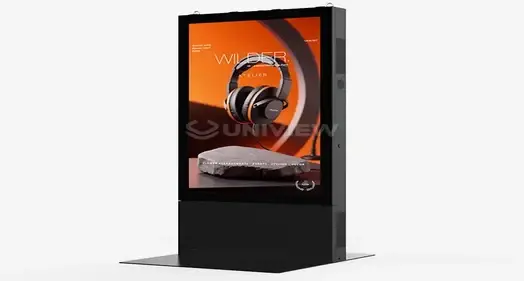
Understanding Free Standing Digital Signage and Its Role in Customer Engagement
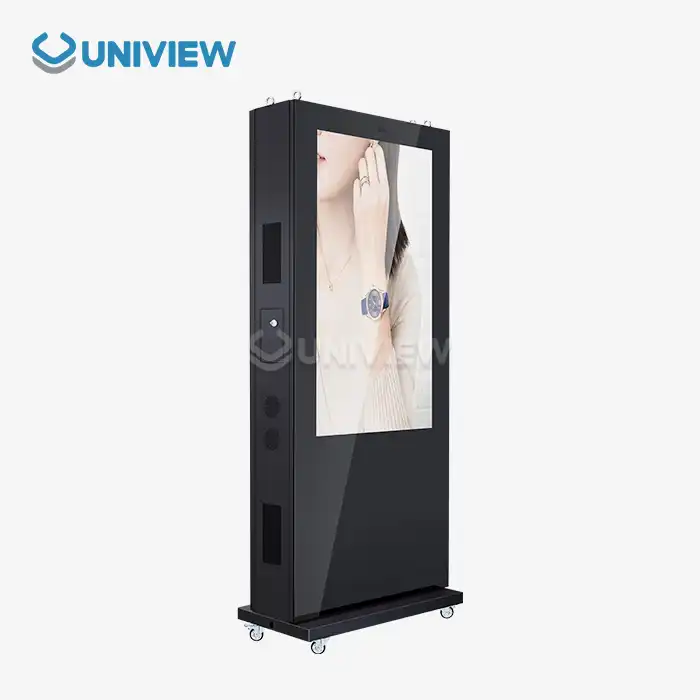
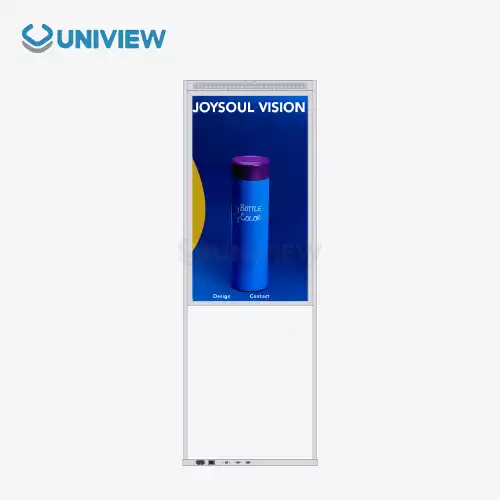
Free standing digital signage that stands alone is a flexible way to communicate that is different from screens that are placed on walls or in kiosks because it can be moved and put in many different places. These self-contained digital display units have advanced screen technology and strong support structures. This lets businesses put interesting material right where people are most likely to see it.
Fundamental Components of Modern Digital Display Solutions
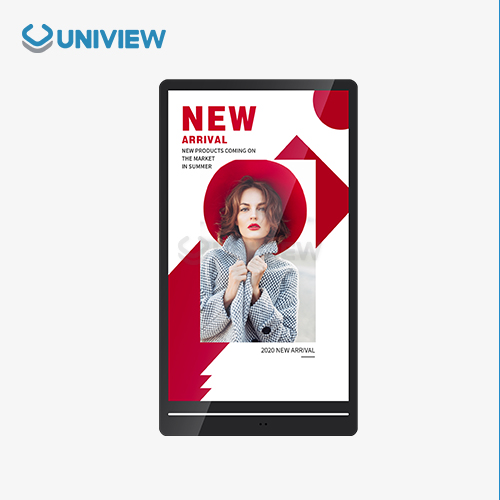
The main structure of movable digital displays is made up of several important parts that work together to make customer interaction as effective as possible. The base is made up of high-brightness LCD and LED screens that show clear images even in dimly lit rooms. Advanced processing units handle organizing and delivering content, and built-in speakers improve sound when it's needed.
With the ability to interact with touchscreens, these displays go from being silent sources of information to lively places for conversation. Customers can look through lists of products, get full information about them, or look through services at their own pace. Compared to standard static signage, this self-directed discovery makes involvement last a lot longer.
Maximizing Visibility Through Strategic Placement
Businesses can change how they communicate based on foot traffic trends and seasonal needs thanks to the movement of these display systems. When shopping is busy, it's helpful for stores to move displays closer to areas with a lot of foot traffic. In business settings, units can be moved between offices or events as needed.
Real-time content updates make sure that messages are always useful and up-to-date, meeting customers' instant wants or promoting new deals. This ability to change keeps people interested and pushes them to associate with brands again and again, which strengthens the bonds between brands and their target audiences.
Key Features and Types of Free Standing Digital Signage That Drive Engagement
Today, there are a lot of different movable display options that can be used in a variety of work settings. Knowing the differences between technologies helps procurement managers choose the best options for the goals of their individual projects.
LED Versus LCD Technology Considerations
When used outside, LED screens work great because their high brightness levels (usually between 2000 and 4000 nits) block out direct sunlight. These units have better vision in low-light situations and keep working at the same level for long periods of time. Because current LED technology uses less energy, it lowers running costs and produces bright colors that really grab customers' attention.
Although the lighting inside is managed, LCD screens are still very useful for indoor settings. Because these units have better clarity and color accuracy, they are perfect for showing complicated information or showing detailed product presentations. Businesses that care about being environmentally friendly like LCD technology because it uses less power.
Interactive Features That Enhance Customer Experience
With touchscreen technology, knowledge that isn't moving can be turned into fun, collaborative experiences. Through easy-to-use navigation tools, customers can look at product features, compare specs, or get to more material. This hands-on method greatly extends the time people are engaged and helps them remember what they've learned.
Modern software platforms make it easy to connect to current customer relationship management systems. This lets you offer personalized content based on how users interact with your site. Analytics tools keep track of participation data, which tells us a lot about what customers like and how they act, which helps us plan our future marketing campaigns.
Software Capabilities for Dynamic Content Management
Modern content management systems let companies plan campaigns, change messages from afar, and handle networks with multiple displays from one central website. These platforms work with many different types of media, so you can make powerful multimedia slideshows with video, pictures, and interactive parts.
Integration options include real-time data sources, social media feeds, and corporate software systems. This lets you make live content that shows how business is going and what customers want. This connection makes sure that messages stay useful and adapt to changing market conditions.
Comparing Free Standing Digital Signage Options: Making the Right Choice for Your Business
There are a number of practical and financial factors that affect the best choice when comparing portable digital display options to wall-mounted systems and standard kiosks. Businesses can better match their investments with their long-term goals when they know about these comparative benefits.
Operational Advantages of Portable Display Systems
Mobile displays are much better for business than fixed setups because they are more flexible. Businesses can change the placement of their signs based on events, yearly traffic trends, or changing store layouts without having to hire professionals to do the work. This ability to adapt lowers long-term running costs and increases interaction possibilities.
Portable units from reputable manufacturers don't need much upkeep as long as they are of good quality. Professional displays are built to last and have weather protection grades of IP65 to IP66, so they will work reliably in a wide range of circumstances. The modular nature of these systems makes it easier to change parts and cuts down on service interruptions.
Cost Considerations and Investment Optimization
Depending on the size of the operation and the budget, procurement methods are very different. Individual unit purchases work well for small-scale implementations, while buying in bulk saves a lot of money for bigger deployments. Leasing choices give seasonal companies or those that need to update their technology on a regular basis more freedom.
The initial buy price, fitting costs, ongoing upkeep costs, and replacement costs are all part of the total cost of ownership. Quality displays from well-known brands usually last between 5 and 7 years, which makes them a good investment compared to cheaper options that need to be replaced all the time.
Environmental Adaptability and Durability Features
Professional-grade displays have improved environmental safety features that keep the performance consistent and extend the life of the device. Treatments that stop corrosion keep chemicals and water out, and housing that is strengthened can handle hits and attempts at damage.
Temperature control systems keep things from getting too hot in full sunlight or rooms that don't have enough airflow. These temperature management features keep performance constant and stop parts from breaking down too soon, which could mess up efforts to get customers involved.
Seamless Installation and Software Solutions to Maximize Engagement
Professional distribution strategies have a big effect on how well free standing digital signage projects work in the long run. The best performance is guaranteed by following the right installation steps, and complete software solutions that include advanced content management tools make participation even higher.
Professional Installation Methodologies
Installation teams with a lot of experience know exactly where to put things so that customers are most interested. Calculations of viewing angles, assessments of atmospheric lighting, and traffic flow studies help people decide where to put things so that they are most visible and get the most contact. Professional workers also make sure that the power is managed correctly and that the network is connected so that the system works reliably.
Self-installation is still possible for smaller screens that come with detailed instructions on how to set them up. Manufacturers usually offer full installation guides and expert support to help with setting up the first system. Professional installation services, on the other hand, usually come with better warranties and ongoing technical help that make the extra cost worth it.
Content Management Platform Integration
Advanced software systems make it easier to create material, schedule it, and send it to multiple display screens. With these tools, marketing teams can work together to make campaigns, and IT managers can handle the technical parts of deployment. Role-based access rules make sure that the right steps are taken to approve material and keep the system safe.
Integration is possible with a wide range of popular business software, such as customer records, product management platforms, and social media management tools. This connection lets content be updated automatically based on real-time business data. This keeps messages up-to-date and relevant to what customers want.
Maintenance and Support Considerations
For big computer purchases, a guarantee that covers everything gives you peace of mind. Leading makers offer warranties that last between 3 and 5 years and have global support networks that make sure that technology problems are fixed quickly. For mission-critical deployments, extended warranty choices offer extra safety.
Regular repair plans keep equipment running at its best and extend its life. Regular cleaning, software updates, and preventative component reviews are usually part of professional service agreements. These checks find problems before they affect customer interaction efforts.
Real-World Applications and Case Studies Demonstrating Boosted Customer Engagement
Well-executed digital signs strategies have measured effects that can be seen in real-world applications across many industries. These cases show clear proof of return on investment and show the best ways to get the most out of customer interaction.
Retail Environment Success Stories
Major store chains say that the number of interactions with customers goes up by 15 to 30 percent after strategically putting up digital signs. Customers can get detailed product information, customer reviews, and ideas for related products by using interactive displays placed next to product areas. Higher conversion rates and higher average deal prices are linked to this better access to information.
Seasonal marketing flexibility lets stores quickly change their messages for sales, holidays, or times when they need to get rid of old stock. Being able to change content from afar in multiple places makes sure that brand messages are consistent while cutting down on the costs of labor needed for standard sign changes.
Corporate Communication Applications
Digital screens are used in business settings to communicate internally, give visitors information, and promote brands at events or trade shows. Interactive guides make it easier for guests to find their way around large buildings while also making the receptionist's job easier. Real-time updates are a good way to get information out about changes to schedules, emergencies, or company news.
Trade show applications are especially useful because they can generate leads. Interactive screens get visitors' contact information and give thorough product demos that help qualify possibilities. This automatic lead capture cuts down on the need for staff while making follow-up more efficient.
Hospitality and Transportation Implementations
Hotels and transportation hubs use interactive screens to help people find their way, give them information about services, and show ads. Support for multiple languages makes it easier for a wide range of customers, and real-time changes show the current state of services or special deals. These changes make customers happier and give staff more time to answer common questions.
Having emergency communication tools is useful because they let you share information quickly during bad weather, service interruptions, or building changes. Being able to override normal programming makes sure that customers get important information quickly, even when regular channels of contact are busy.
Conclusion
Strategic use of portable free standing digital signage technology makes it easier for customers to interact with businesses in a wide range of settings. These communication tools are both technically advanced and easy to use. They let businesses give customers a dynamic experience that leads to important conversations and stronger brand connections.
Evidence from real-world deployments shows that interest levels consistently rise by 15 to 30 percent in retail, workplace, and hospitality settings. When put together with skilled installation and full software solutions, these systems give businesses long-term competitive benefits by making it easier for customers to talk to them and run their businesses more efficiently.
FAQ
What is the typical lifespan of professional-grade portable displays?
If you use your displays normally, good displays from reputable manufacturers should last between 5 and 7 years. The real lifespan is affected by things like the environment, how often something is used, and how well it is maintained. With the right care, professional-grade units often work much better than what the maker says they should.
How do weather-resistant features protect outdoor installations?
These days' displays have IP65 to IP66 grades, which protect them completely against dust, water, and high temperatures. Treatments that stop corrosion protect metal parts, and the strengthened housing can handle wind loads up to certain levels. Advanced temperature control systems keep things from getting too hot and make sure they always work at the same level.
What content management capabilities should businesses prioritize?
Important benefits include the ability to update material remotely, set schedules, handle multiple displays, and generate analytics reports. Integration with current business systems lets content be updated automatically, and role-based access controls keep security and review processes running smoothly.
How does interactive functionality impact customer engagement rates?
Studies constantly show that customers are more interested for 40 to 60 percent longer when they can interact with display material instead of just passively watching it. Interactive features let you explore on your own, which helps you remember information and increases the chances that you'll buy something.
What installation considerations affect long-term performance?
Positioning correctly for the best viewing angles, making sure there is enough air flow to control temperature, and making sure power lines are safe will stop most performance problems. Professional installation usually includes evaluating the site, taking external factors into account, and providing ongoing technical help that makes the system as reliable as possible.
Partner with Uniview Commercial for Superior Digital Signage Solutions
Providing cutting-edge LCD and LED display solutions designed for maximum customer interaction, Uniview Commercial is your go-to provider for free standing digital signage. Our professional screens have high-brightness technology that ranges from 2000 to 4000 nits, weather protection of IP65 to IP66, and construction that doesn't rust, so they will work reliably in harsh conditions. We have the technical know-how and high-quality products that your business needs. Our warranties cover 3-5 years, and we offer help around the world 24 hours a day. Get in touch with our team at sales@univiewlcdisplay.com to talk about custom options that will help you reach your interaction goals.
References
1. Digital Signage Industry Report: Customer Engagement Metrics and ROI Analysis, 2023
2. Interactive Display Technology: Impact on Consumer Behavior in Retail Environments, Journal of Digital Marketing, 2023
3. Comparative Study of Digital Signage Technologies in Corporate Communication, Business Technology Review, 2022
4. Weather-Resistant Display Systems: Performance Standards and Testing Protocols, Technical Standards Institute, 2023
5. Content Management Systems for Multi-Location Digital Signage Networks, Enterprise Technology Quarterly, 2023
6. Return on Investment Analysis for Digital Signage Implementations Across Industry Sectors, Marketing Technology Association, 2022

Learn about our latest products and discounts through SMS or email