- English
- French
- German
- Portuguese
- Spanish
- Russian
- Japanese
- Korean
- Arabic
- Greek
- German
- Turkish
- Italian
- Danish
- Romanian
- Indonesian
- Czech
- Afrikaans
- Swedish
- Polish
- Basque
- Catalan
- Esperanto
- Hindi
- Lao
- Albanian
- Amharic
- Armenian
- Azerbaijani
- Belarusian
- Bengali
- Bosnian
- Bulgarian
- Cebuano
- Chichewa
- Corsican
- Croatian
- Dutch
- Estonian
- Filipino
- Finnish
- Frisian
- Galician
- Georgian
- Gujarati
- Haitian
- Hausa
- Hawaiian
- Hebrew
- Hmong
- Hungarian
- Icelandic
- Igbo
- Javanese
- Kannada
- Kazakh
- Khmer
- Kurdish
- Kyrgyz
- Latin
- Latvian
- Lithuanian
- Luxembou..
- Macedonian
- Malagasy
- Malay
- Malayalam
- Maltese
- Maori
- Marathi
- Mongolian
- Burmese
- Nepali
- Norwegian
- Pashto
- Persian
- Punjabi
- Serbian
- Sesotho
- Sinhala
- Slovak
- Slovenian
- Somali
- Samoan
- Scots Gaelic
- Shona
- Sindhi
- Sundanese
- Swahili
- Tajik
- Tamil
- Telugu
- Thai
- Ukrainian
- Urdu
- Uzbek
- Vietnamese
- Welsh
- Xhosa
- Yiddish
- Yoruba
- Zulu
Floor Standing LCD Digital Signage – Boost Brand Engagement
Floor standing lcd digital signage that stands on the floor is a game-changing option for modern businesses that want to improve brand interaction and communication. These flexible display systems show changing, high-resolution material that gets people's attention and encourages useful interactions in a range of business-to-business settings. These stand-alone digital screens are being used more and more by companies in the retail, business, hotel, transportation, and outdoor advertising sectors to send focused messages, show off goods, and make customer experiences more engaging. By strategically putting in place floor-standing digital signage systems, businesses can make their brand presence stand out while also improving customer involvement and operational efficiency.
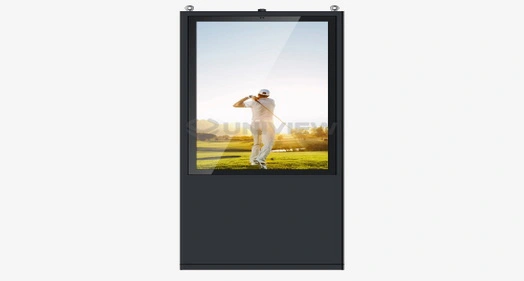
Understanding Floor Standing LCD Digital Signage
Floor standing lcd digital signage that stands on the floor uses advanced display technology that is designed to be highly visible and keep users interested. These stand-alone units have high-resolution LCD screens and powerful content management systems built in. This means that content can be updated in real time, and the units can be used in ways that standard static signage can't. The technology combines strong hardware with smart software platforms, which makes it easy to connect to current business systems and allows for control from afar.
Core Parts of Technology
High-quality LCD panels with brightness levels between 2000 and 4000 nits are the building blocks of current floor-standing displays. These panels make sure that the display is easy to see even in dimly lit rooms. Advanced heat disposal systems keep working properly for long periods of time, and the ability to simulate different weather conditions makes the systems work reliably in a wide range of exposure conditions. These technical specs directly address the tough needs of business-to-business (B2B) apps that need reliable and steady performance.
Comparative Benefits Compared to Other Options
Floor-standing models are more flexible than wall-mounted ones when it comes to placement and moving. This means that businesses can change their message strategy based on seasonal needs and traffic patterns. LCD technology, on the other hand, provides steady image quality without having to worry about how ambient light affects the picture or when to change the lamps. Additionally, OLED options have great contrast ratios, but they usually come with higher costs and may not last as long in high-use B2B settings.
Because floor-standing units are mobile, they can be quickly and easily set up in different places. This helps you get the most out of your investment by using them in a variety of ways. This adaptability helps system designers and brand owners who are in charge of multiple locations or seasonal campaigns, where moving equipment around can be useful from a business point of view.
Key Features and Applications of Floor Standing LCD Digital Signage
These days, floor-standing digital screens have the most up-to-date features to meet the changing needs of businesses in a wide range of industries. When procurement workers look at digital sign purchases, they can make smart choices if they understand these technical skills and how they can be used in real life.
Important technical information
Modern floor-standing displays have screen sizes that range from 32 inches to 86 inches, so they can fit in a variety of spaces and be seen from a distance. Resolutions range from Full HD (1920x1080) to 4K Ultra HD (3840x2160), which guarantees clear, professional display quality that looks good for your brand. When touch features are added, they allow for multi-point contact with reaction times of less than 10 milliseconds, which makes it possible for interactive apps to run smoothly.
Consumer reports on energy economy have gotten a lot better. The best models now use 30–40% less power than older models while still being brighter. Between 10 and 30 watts of sound output is possible, which is enough for multimedia shows without the need for additional amplifiers in most settings.
Applications for Specific Industries
Stand-alone displays on the floor that are placed strategically in stores and customer service areas are very helpful for retail settings. These installations show advertising content, product demos, and wayfinding information that helps customers find their way while also making staff's jobs easier. These screens are used in corporate lobbies to handle visitors, promote the company, and share real-time information in a way that makes people feel professional while also making conversation easier.
Ruggedized floor-standing units are used in factories to communicate about safety, show production data, and send training material directly to the production floors. The durability features, such as IP65/IP66 grades and corrosion resistance, make it possible for the display to work reliably in harsh industrial settings where other display options would fail.
These screens are used by transportation hubs for guidance, passenger information systems, and ads, all of which improve operating efficiency and the traveler experience. Being able to update material from afar makes sure that correct, up-to-date information gets to many places at the same time.
Trends in technology right now and how well they can be integrated
The use of artificial intelligence now makes it possible to customize content based on the demographics and participation habits of an audience. This makes messages more relevant and powerful. Connecting IoT devices to the internet makes it easy to connect them to building management systems. This lets automatic scheduling and environmental response features improve both efficiency and energy use.
Modern content management systems can be deployed in the cloud, which lets you handle multiple display networks from one place and make ordering and targeting more precise. These systems give thorough analytics like watching duration, interaction rates, and content efficiency measures that help improve strategies all the time.
How to Choose the Right Floor Standing LCD Digital Signage for Your Business?
Before choosing the best floor-standing digital signage, you need to carefully look at its technical specs, the vendor's skills, and how it will work in the long run. The process of making a decision has to find a balance between the practical needs of the present and the needs for future scalability, all while making sure that the decision is in line with budget limits and delivery schedules.
Analysis of Requirements for a Specific Industry
Stores with a lot of foot traffic need displays that are more durable and have anti-theft features like double-layer locking mechanisms and hanging systems that can't be changed. For promotional efforts and yearly changes in merchandise, these installations need to be able to quickly add new content. During normal business hours, lighting conditions change, so brightness levels must be able to adapt to keep colors accurate.
For industrial uses, tough constructions, can work in a wider range of temperatures, and can withstand vibrations are needed. Chemical resistance is very important in factories where cleaning products and other industry processes can shorten the life of machinery. Being able to communicate in an emergency and being able to connect to safety systems are often necessary in these situations.
Framework for Evaluating Vendors
Some of the biggest names in electronics, like Samsung, LG, Philips, and Panasonic, have wide ranges of products that work best in different situations. Samsung's business screens are very bright and last a long time, so they can be used outside or in places with a lot of ambient light. The webOS software from LG makes managing material easy and supports a lot of third-party apps. Philips focuses on features that save energy and last a long time, which appeals to companies that care about the environment.
When procurement teams look at different providers, they should check how long the warranties cover, how accessible the global service networks are, and how quickly technical help responds. Bulk buying deals often save a lot of money and make sure that specs are the same across operations in different places. Installation support services, such as site studies and project management, can make the process much easier and lower the costs that come with it.
Thoughts on the Total Cost of Ownership
Besides the initial cost of purchase, operational costs like power use, upkeep, and content creation should be taken into account when making a choice. Compared to basic options, energy-efficient models that have automatic lighting adjustments and sleep modes can cut yearly costs by 25 to 40 percent. Professional installation services cost more up front, but they often prevent mistakes from happening that cost a lot of money and make sure the system works perfectly from the start.
Rental and leasing choices give short-term projects and groups with small capital budgets more freedom. A lot of the time, these deals include maintenance and technical support services that make budgeting easier and make sure that the work is done consistently throughout the contract period.
Maintenance and Operational Best Practices for Floor Standing LCD Digital Signage
When you take care of you floor standing lcd digital signage the right way, they will last as long as possible and work perfectly every time. Systematic maintenance practices keep image quality and operating efficiency high, which meets the standards of a professional brand. They also keep breaks from being expensive.
Protocols for Preventive Maintenance
Regular cleaning with the right tools stops dust from building up and screen harm that can lower the quality of the display. Special cleaning products are needed to get rid of fingerprints and smudges on anti-reflective glass surfaces without harming the protective coatings. Every three months, the inside parts should be inspected, paying special attention to how the fans work, how the cables are connected, and how clear the airflow paths are.
Software changes need to be carefully planned so that they don't interrupt operations during busy times. Automated update systems can make this process faster and easier while keeping security and features up to date. Managing content storage keeps your system from slowing down because of too many cache files and old media assets.
Energy Efficiency Optimization
Many modern screens have smart systems that change the brightness based on the lighting around them. This saves power while keeping the best vision. Scheduling systems let machines turn off automatically when they're not being used. This could cut energy costs by 50 to 60 percent compared to running them all the time. By lowering thermal stress and working wear, these efficiency steps also help parts last longer.
Environmental tracking systems let repair teams know when there are problems with temperature, humidity, or airflow that could affect how well the system works. Responding to these alerts before they happen stops damage and guarantees coverage that protects investments in equipment.
Troubleshooting and Technical Support
Problems with connectivity, information display, and the user experience are some of the most common problems that need systematic ways to be diagnosed. 70–80% of operating problems can be fixed by following basic troubleshooting steps without the need for professional help. But if there are hardware failures, problems with the display panel, or complicated software issues, the maker needs to be contacted to stop more damage and keep the guarantee valid.
By building ties with skilled service providers, you can be sure that technical problems will be fixed quickly. Service level agreements should include reaction times, ways to fix problems, and the availability of new equipment so that business isn't too disrupted when equipment breaks down.
Future Outlook and Strategic Benefits of Investing in Floor Standing LCD Digital Signage
Floor-standing digital signs are still changing quickly as new technologies are added and the number of applications that can be used grows. Companies that buy these solutions now will be better prepared for future technology advances and will also see instant benefits in their operations and marketing.
Emerging Technology Integration
With the help of artificial intelligence, material can now be optimized in real time based on how engaged an audience is and their demographics. Machine learning systems look at how people watch, how long they interact, and how they respond to automatically change how material is presented for the best results. The performance of these smart systems keeps getting better without any help from a person, which maximizes return on investment by making audiences more interested.
Connectivity to the internet makes it easier to connect to larger business systems, such as customer relationship management platforms, warehouse management systems, and networks for automating buildings. This connectivity lets content be updated automatically based on changes in operational state, inventory levels, or advertising plans. This keeps messages correct while lowering the need for manual management.
Measurable Business Impact
A lot of different types of case studies show that when floor-standing digital signage is used, customer interaction measures go up by a lot. Retail setups usually see 15–30% more people knowing about a product and 20–25% more time spent by customers. Better internal communication and higher visitor happiness numbers are two things that happen in corporate settings that help make operations more efficient.
For most B2B applications, return on investment calculations always show positive results within 18 to 24 months, and the ongoing operational benefits last well past the original payback times. Being able to change material without having to pay for printing and installation work saves money over time and improves long-term financial performance.
Strategic Vendor Partnerships
Building long-term relationships with digital signage providers with a lot of experience guarantees access to technical know-how, continued support services, and future technology updates. These partnerships give businesses an edge over their competitors by giving them early access to new goods, better prices, and custom solutions that meet their specific operational needs.
Long-term service agreements protect the money you spend on equipment and make sure it works the same way throughout its working lifecycle. As part of these relationships, technology refresh programs are often used to make changes easier to make without having to make big capital purchases. This keeps technology up to date while spreading costs out over longer periods of time.
Conclusion
Floor-standing LCD digital signage is a smart investment for businesses that want to increase brand interaction and improve the efficiency of practical communication. The technology has real benefits in a wide range of industries, from improving the customer experience in stores to making business communications more efficient. Modern screens have strong technical specs, like high brightness levels, durability ratings, and energy economy ratings, that meet the needs of challenging B2B operations. A successful implementation relies on carefully choosing the right vendor, making sure that the technical specs match, and planning for long-term performance and return on investment.
FAQ
What is the typical lifespan of floor-standing LCD digital signage units?
In normal use, a good floor-standing LCD screen will usually work effectively for 50,000 to 70,000 hours, which is about 8 to 10 years of normal business use. Operating surroundings, brightness levels, and repair quality are some of the things that affect how long something lasts. Displays that are used in harsh settings may need to be replaced more often, while industrial-grade units with better parts may last longer. Maintenance and weather controls have a big effect on how long people live.
Can floor standing digital signage be customized for specific branding requirements?
Modern floor standing screens can be easily customized with a wide range of options, such as different housing colors, branded bezels, and built-in image placement. Customizing software lets you make user interfaces that are unique to your business, brand content themes, and functions that are special to your business that can be integrated. There are a lot of companies that make things that offer design services that make shows that are both visually appealing and technically sound. Special form factors and custom mounting solutions can be used to meet specific placement needs or building concerns.
What are the key differences between indoor and outdoor floor standing models?
Floor-standing displays that are used outside have higher brightness levels (usually 2000–4000 nits) than indoor types (300–700 nits) so they can be seen in full sunlight. Weather safety includes ratings of IP65 or IP66, materials that don't rust, and a building that is stronger to handle the elements. Outdoor units have improved security and thermal control features to keep them from being stolen. These higher standards usually make products 40 to 60 percent more expensive than indoor options, but they provide the sturdiness needed for outdoor use.
Partner with Uniview Commercial for Premium Floor Standing LCD Digital Signage Solutions
Uniview Commercial has a wide choice of floor standing LCD digital signage systems that are perfect for demanding B2B uses. These systems can completely change how you engage with your brand. Our team has a lot of experience making unique digital display solutions that meet exact technical requirements and are a great value for buying budgets. As a top maker of floor standing LCD digital signage, we provide brightness levels of up to 4000 nits, protection ratings of IP65/IP66, and extended guarantee coverage of 3–5 years, backed by global support services available 24 hours a day, 7 days a week. Get in touch with our experts at sales@univiewlcdisplay.com to talk about your unique needs and find out how our cutting-edge digital signage solutions can improve your brand's visibility and offer measurable engagement results.
References
1. Digital Signage Market Analysis and Growth Projections 2024–2028, International Display Research Institute, 2024.
2. Commercial LCD Display Technology Standards and Best Practices, Society for Information Display, 2024.
3. B2B Digital Signage Implementation Guide for Retail and Corporate Environments, Digital Marketing Technology Association, 2023.
4.Energy Efficiency Standards for Commercial Display Technology, Environmental Technology Council, 2024.
5. Interactive Display Technology Trends and Future Applications, Advanced Display Technology Research Group, 2024.
6. Comparative Analysis of Digital Signage ROI Across Industry Sectors, Business Technology Investment Review, 2023.

Learn about our latest products and discounts through SMS or email