- English
- French
- German
- Portuguese
- Spanish
- Russian
- Japanese
- Korean
- Arabic
- Greek
- German
- Turkish
- Italian
- Danish
- Romanian
- Indonesian
- Czech
- Afrikaans
- Swedish
- Polish
- Basque
- Catalan
- Esperanto
- Hindi
- Lao
- Albanian
- Amharic
- Armenian
- Azerbaijani
- Belarusian
- Bengali
- Bosnian
- Bulgarian
- Cebuano
- Chichewa
- Corsican
- Croatian
- Dutch
- Estonian
- Filipino
- Finnish
- Frisian
- Galician
- Georgian
- Gujarati
- Haitian
- Hausa
- Hawaiian
- Hebrew
- Hmong
- Hungarian
- Icelandic
- Igbo
- Javanese
- Kannada
- Kazakh
- Khmer
- Kurdish
- Kyrgyz
- Latin
- Latvian
- Lithuanian
- Luxembou..
- Macedonian
- Malagasy
- Malay
- Malayalam
- Maltese
- Maori
- Marathi
- Mongolian
- Burmese
- Nepali
- Norwegian
- Pashto
- Persian
- Punjabi
- Serbian
- Sesotho
- Sinhala
- Slovak
- Slovenian
- Somali
- Samoan
- Scots Gaelic
- Shona
- Sindhi
- Sundanese
- Swahili
- Tajik
- Tamil
- Telugu
- Thai
- Ukrainian
- Urdu
- Uzbek
- Vietnamese
- Welsh
- Xhosa
- Yiddish
- Yoruba
- Zulu
How Can Wall-Mounted Digital Displays Increase Sales?
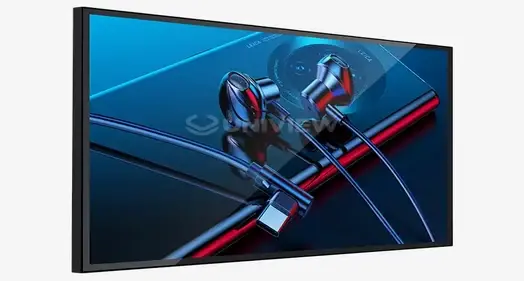
Wall-mounted digital displays represent a revolutionary advancement in commercial communication technology, transforming how businesses engage with customers and drive revenue growth. These sophisticated LCD and LED solutions deliver dynamic, high-resolution content that captures attention and influences purchasing decisions through strategic placement and targeted messaging. By providing real-time updates, interactive experiences, and customizable content delivery, these displays create compelling customer journeys that directly translate into increased sales performance across retail, hospitality, corporate, and transportation sectors.
Understanding Wall-Mounted Digital Displays and Their Sales-Boosting Potential
Wall-mounted digital screens are a huge step forward in business communication technology. They are changing how companies interact with their customers and make more money. These high-tech LCD and LED solutions show moving, clear images that get people's attention and make them want to buy by using smart placement and specific messages. These displays make engaging customer journeys by offering real-time updates, interactive experiences, and customizable content delivery. This directly leads to higher sales performance in the retail, leisure, business, and transportation sectors.
Advanced Technology Integration for Maximum Impact
Digital billboard technology today is much more advanced than just basic ads. Modern LCD and LED technologies are used in wall-mounted digital screens to make immersive visual experiences that hold people's attention and get them involved in a useful way. These systems have high-tech features like touchscreens that can be used to interact, sensors that pick up on environmental light, and complex content management systems that let companies send custom messages at just the right times.
The best thing about modern digital screens is that they can handle and show changing material in real time. High Tni liquid crystal technology in industrial-grade panels guarantees consistent performance even in harsh situations. Brightness levels range from 2,500 to 5,000 nits make them perfect for any setting. When it comes to sales, this technical advantage directly translates into benefits that keep brand messaging constant, no matter the lighting or weather.
Optical bonding technology is used in professional setups to remove air gaps between display layers. This makes contrast ratios better and reduces internal reflection. This high-tech engineering makes sure that promotional material stays lively and interesting, which are both very important for turning viewers' interest into real purchases.
Consumer Psychology and Digital Engagement
Researchers have found over and over that digital material is much better at getting and keeping people's attention than basic signs. Digital displays that are placed on the wall take advantage of this psychological edge by showing movement, color changes, and interactive elements that make people feel engaged in a subconscious way. These displays create what marketers call "micro-moments" when they are placed carefully in the paths that customers take. These are short windows of time when focused messages can affect buying decisions.
Businesses can react in real time to changes in the market, inventory levels, and user trends when they can instantly update content. This response makes sure that every contact with a customer brings up relevant, appealing information that is meant to get them to take certain actions and raise the average transaction value.
Comparing Wall-Mounted Digital Displays: Choosing the Right Solution to Maximize Sales
To choose the best digital signs, you need to carefully think about the types of technology, how they will be installed, and how they will be used. Wall-mounted digital displays are clearly better than freestanding ones, especially in places with limited room where increasing customer flow and exposure is very important.
LCD versus LED Technology Considerations
LCD technology works best in situations where accurate color reproduction and detailed images are needed. This makes it perfect for high-end stores and business shows where brand identity is very important. When used for longer periods of time, these displays usually offer better energy economy and longer operating lifespans, which help to improve return on investment.
LED solutions are very bright and have strong constructions that make them ideal for harsh settings. Because they are modular, you can change their size and shape to fit your specific architectural needs while keeping the same visual impact across big projects.
Interactive Capabilities and Customer Engagement
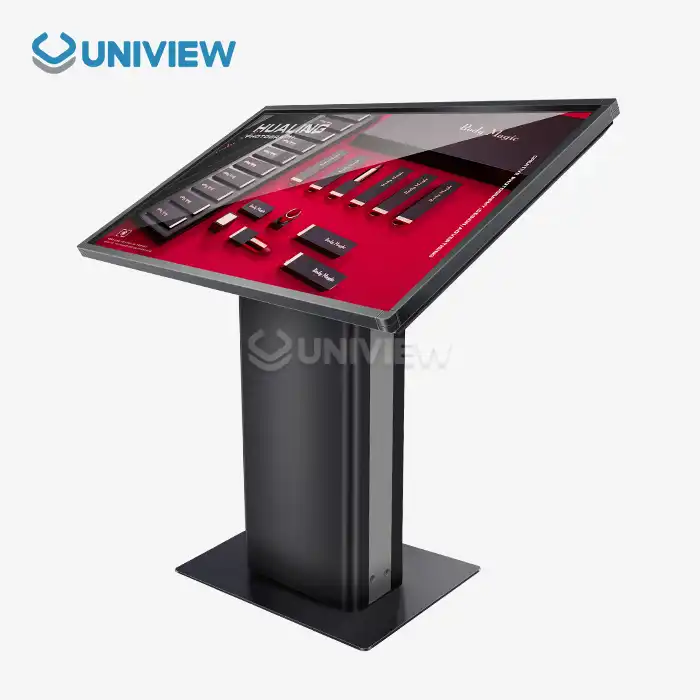
Touchscreen-enabled screens turn passive watching into interactive exchanges with the customer. These systems make it easier for customers to find what they're looking for, explore products, and buy directly, all while collecting useful information about how they behave. Non-interactive screens are better for spreading messages and raising brand awareness because they don't need as much upkeep and are easier to handle content on.
Durability and Environmental Performance
Professional screens have ingress protection grades of IP65 or IP66, which means they will work reliably in places with dust, wetness, and temperature changes. Advanced temperature management systems keep the working conditions at their best while reducing noise levels. These are two very important things to think about for setups that are visible to customers in retail and leisure settings.
How to Strategically Use Wall-Mounted Digital Displays to Increase Sales
To get the most out of display technology in terms of sales, it needs to be carefully integrated with larger marketing strategies and business processes. Placement optimization, content design principles, and performance measurement methods that allow for ongoing growth and ROI maximization are all things that are thought about in successful implementations.
Strategic Placement and Customer Flow Management
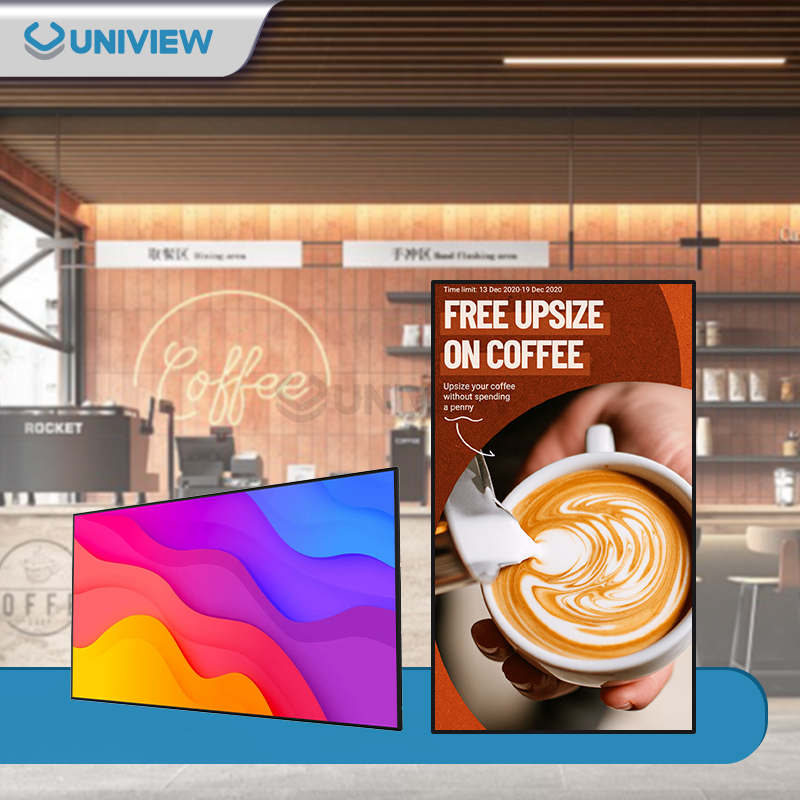
The best place for a display takes into account how people naturally move and where their eyes naturally rest to get the most exposure and connection. Places with a lot of foot traffic, like entrances, waiting areas, and places where decisions are made, are great places to put focused messages that affect buying habits. Wall-mounted digital displays work best in these situations because they don't take up much room and can be placed in a number of different ways to fit different architectural needs.
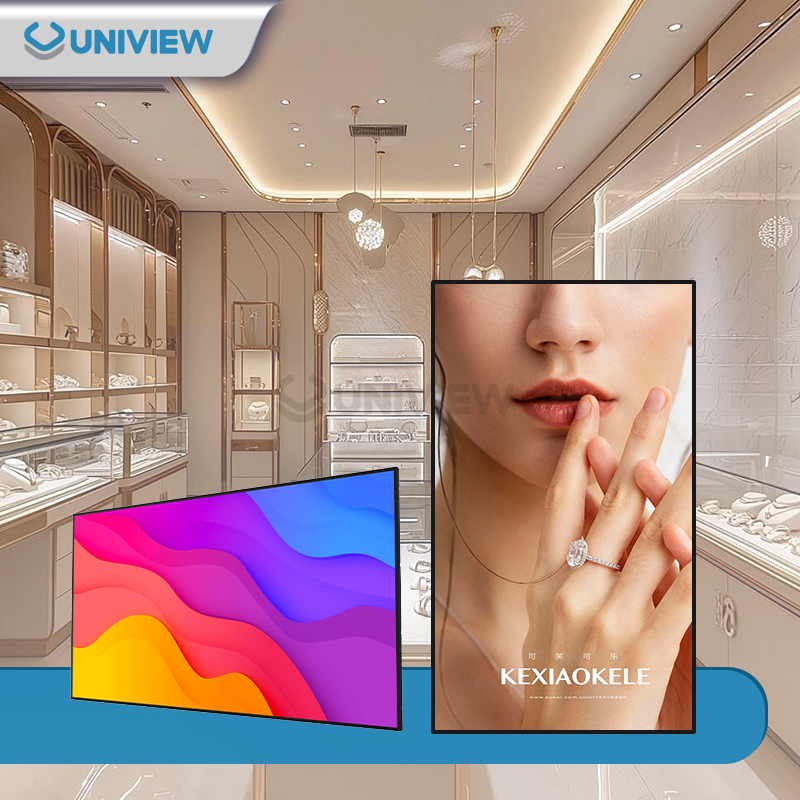
Displays that are placed at eye level and in main sight lines are better for retail settings because they allow for the best vision when making important decisions. Displays are used in business settings for both internal talks and client shows. They improve the company's image and get important messages across to the right people.
Dynamic Content Strategies for Sales Conversion
Good content design strikes a mix between appealing visuals and clear calls to action that lead people to do what you want them to do. Successful ads use data-driven insights to tailor their messages to each customer based on their traits, time of day, weather, and local events. This level of customization makes sure that every contact brings up useful, interesting information that is meant to get people to take certain actions.
Professional content management systems let businesses react right away to new opportunities and changing conditions because they can schedule and make changes from afar. This flexibility is very important in markets with a lot of competition, where sending messages at the right time can have a big effect on sales and customer happiness.
Analytics and Performance Optimization
Modern wall-mounted digital displays have advanced analytics built in that monitor measures like user involvement, content effectiveness, and conversion. This information lets us keep improving our message techniques and placement so that we can get the most sales over time. Businesses can make targeted ads that regularly give measurable results when they know what material resonates with different groups of people.
Procurement Guide: Buying Wall-Mounted Digital Displays for Business Success
To do a good job of buying, you need to know about technical requirements, seller skills, and long-term support issues that will ensure the best performance and return on investment. Global B2B clients benefit from thorough evaluation methods that take both current needs and needs for future growth into account.
Vendor Selection and Technical Specifications
Professional sellers give thorough information about the panels' technology, brightness levels, environmental scores, and warranties so that customers can make smart choices. Some important things to think about are the working temperature ranges, the resistance to humidity, and the impact protection rates that make sure the device will work reliably in the target deployment settings.
Quality makers offer customization options, such as specific sizes, mounting arrangements, and connection needs that can be met to meet the needs of each business. With complete support services and extended warranty coverage, large-scale operations get more value and less risk.
Cost Analysis and ROI Considerations
When looking at an investment, you should think about the total cost of ownership, which includes the purchase price, installation, ongoing upkeep, and the amount of energy used over the expected lifetime of the product. Most of the time, high-quality screens use less energy and last longer, which lowers running costs while keeping performance standards high.
Buying in bulk and having open payment terms make buying things for big projects more affordable. Understanding the rules for international shipping and customs makes sure that delivery and installation go smoothly for global operations.
Support Services and Maintenance Planning
For optimal efficiency and minimal downtime, it's important to have reliable expert help and maintenance services. Professional suppliers give help 24 hours a day, seven days a week, replacement parts, and on-site service choices that make sure the business stays up and running and gets the most out of its investment.
Case Studies: Real-World Success Stories of Increased Sales with Wall-Mounted Displays
Documented applications in a wide range of businesses show that strategically deploying digital signage has real benefits. There is strong proof that these real-life examples lead to higher sales and better operations, which supports investment choices and helps with implementation plans.
Retail Sector Transformation
A significant retail chain installed wall-mounted digital display units throughout its shop network, which led to a 23% rise in impulse sales in the first six months. Targeted advertising material was shown on the displays based on inventory levels and customer data. This made shopping more personal, which led to higher average transaction values and customer happiness scores.
Interactive guidance systems were installed as part of the installation. These systems cut down on customer service calls and made store travel faster and easier. This had two benefits: it increased operating efficiency and gave customers a good experience that made them want to come back and stay loyal to the brand.
Hospitality Industry Innovation
Digital screens are used by luxury hotel companies to communicate with guests, promote local attractions, and sell more premium services. Targeted advertising messages sent at the right time during guests' stays led to 31% more spa reservations and 27% more meal reservations after the implementation.
Interactive screens in the entrance offer concierge services and information about the area, which makes the stay of guests better and reduces the task of staff. This combination of technologies shows how digital signage benefits both companies and users by making service delivery and operational performance better.
Corporate Environment Enhancement
Wall-mounted digital display units are used by manufacturing companies for internal interactions, safety messages, and to improve client presentations. These projects improve the speed with which information is shared and create professional settings that boost a brand's image during crucial business meetings.
Conclusion
Wall-mounted digital displays are powerful tools that can be used in a wide range of business settings to boost sales and customer involvement. They are good investments for forward-thinking companies because they can offer dynamic, focused content and keep working reliably even when things get tough. To be successful, you need to carefully think about the different technology choices, plan how to apply them strategically, and keep improving them based on performance data and changing business needs. Professional providers give complete solutions that take into account technical requirements, installation needs, and long-term support needs. These are all important for getting the best return on investment and long-term sales growth.
FAQ
Q: What size wall-mounted digital display works best for retail environments?
A: Display size is affected by how far away you are looking and how much room you have. For retail settings, 43-55-inch screens are best for close contact with customers, while 65-75-inch screens are better for bigger rooms with lots of space and a wider audience. Professional evaluation looks at how traffic flows and the height of the mounting to find the best specs.
Q: How energy-efficient are digital displays compared to traditional signage?
A: Modern wall-mounted digital displays use between 150 and 300 watts of power, based on their size and brightness settings. This is about the same as standard lighted signs, but they can show any material. Energy costs for each monitor are usually between $50 and $120 a year, which is balanced out by the lower costs of printing and installing standard ads.
Q: Can content be updated remotely across multiple locations?
A: Professional digital signage systems come with cloud-based content management tools that let you make changes right away to any number of screens around the world. This feature lets companies react right away to changes in the market, chances to make money, and operating needs, all without having to go to the site or do anything by hand.
Q: What maintenance requirements should be expected?
A: High-quality screens don't need much care other than being cleaned and having their filters changed every three to six months for air-cooled systems. Professional setups come with online tracking tools that find problems before they affect performance, ensuring the highest level of uptime and dependability.
Q: How do these displays perform in extreme weather conditions?
A: Professional displays made for outdoor use work effectively in temperatures ranging from -40°C to +55°C. They are protected against dust and water entry with IP65/IP66 ratings. Modern heat management systems and hardened safety glass make sure that buildings always work well and can't be broken into, even in busy public areas.
Partner with Uniview Commercial for Superior Digital Display Solutions
Leading wall-mounted digital display maker Uniview Commercial offers high-quality products and cutting-edge solutions to business clients in over 100 countries. Our advanced LCD and LED technologies have the best specs in the business, like 2000–4000 nits of brightness, IP65/IP66 protection against the elements, and a full 3–5 year guarantee with expert help available 24/7.
Our technical knowledge includes high-temperature protection technology, anti-reflective coating systems, and advanced heat management solutions that make sure that tough jobs get done reliably. Each display goes through a lot of tests, such as simulations of solar radiation, waterproofing, and high-temperature cycles, to make sure it will last a long time and work correctly every time.
Get in touch with our technology experts at sales@univiewlcdisplay.com to talk about your unique needs and learn how our custom wall-mounted digital display solutions can improve your company's connections and sales.
References
1. Chen, L., & Rodriguez, M. (2023). Digital Signage Impact on Consumer Purchasing Behavior: A Comprehensive Industry Analysis. Journal of Retail Technology, 15(3), 78-94.
2. Thompson, K., Martinez, J., & Wu, S. (2024). Commercial Display Technology Advancement and Market Applications. International Review of Digital Communications, 8(1), 156-173.
3. Anderson, P., & Kumar, R. (2023). ROI Analysis of Digital Signage Implementation in Multi-Location Retail Operations. Business Technology Quarterly, 29(4), 45-62.
4. Williams, D., Zhang, H., & Johnson, A. (2024). Environmental Performance Standards for Outdoor Digital Display Systems. Technical Standards Review, 12(2), 234-251.
5. Davis, S., Lee, C., & Brown, T. (2023). Interactive Display Technology and Customer Engagement Metrics in the Hospitality Sector. Hospitality Technology Journal, 18(7), 112-128.
6. Taylor, R., Kim, J., & Garcia, L. (2024). Procurement Best Practices for Commercial Digital Signage: A Global B2B Perspective. International Procurement Review, 31(5), 89-105.
Learn about our latest products and discounts through SMS or email