- English
- French
- German
- Portuguese
- Spanish
- Russian
- Japanese
- Korean
- Arabic
- Greek
- German
- Turkish
- Italian
- Danish
- Romanian
- Indonesian
- Czech
- Afrikaans
- Swedish
- Polish
- Basque
- Catalan
- Esperanto
- Hindi
- Lao
- Albanian
- Amharic
- Armenian
- Azerbaijani
- Belarusian
- Bengali
- Bosnian
- Bulgarian
- Cebuano
- Chichewa
- Corsican
- Croatian
- Dutch
- Estonian
- Filipino
- Finnish
- Frisian
- Galician
- Georgian
- Gujarati
- Haitian
- Hausa
- Hawaiian
- Hebrew
- Hmong
- Hungarian
- Icelandic
- Igbo
- Javanese
- Kannada
- Kazakh
- Khmer
- Kurdish
- Kyrgyz
- Latin
- Latvian
- Lithuanian
- Luxembou..
- Macedonian
- Malagasy
- Malay
- Malayalam
- Maltese
- Maori
- Marathi
- Mongolian
- Burmese
- Nepali
- Norwegian
- Pashto
- Persian
- Punjabi
- Serbian
- Sesotho
- Sinhala
- Slovak
- Slovenian
- Somali
- Samoan
- Scots Gaelic
- Shona
- Sindhi
- Sundanese
- Swahili
- Tajik
- Tamil
- Telugu
- Thai
- Ukrainian
- Urdu
- Uzbek
- Vietnamese
- Welsh
- Xhosa
- Yiddish
- Yoruba
- Zulu
Semi-Outdoor LCD Window Display Features Retail Buyers Want
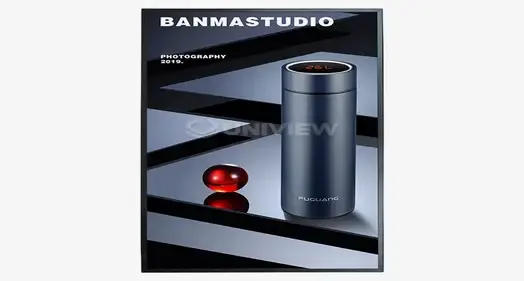
When evaluating storefront digital signage solutions, retail buyers consistently prioritize specific features that ensure optimal performance in challenging lighting conditions. Semi-Outdoor LCD window display technology has emerged as the preferred choice for retailers seeking displays that deliver exceptional visibility while maintaining cost-effectiveness. These advanced displays combine enhanced brightness capabilities with weather-resistant construction, making them ideal for storefront applications where traditional indoor screens fall short. Modern Semi-Outdoor LCD window display units offer brightness levels ranging from 2000 to 4000 nits, ensuring clear content visibility even in direct sunlight exposure.
Understanding Semi-Outdoor LCD Window Displays and Their Advantages
Semi-Outdoor LCD window display options are a high-tech mix between regular digital signs used inside and fully weatherproof displays used outside. These specialized units work best in semi-exposed areas like covered walkways, shops with shelter, and indoor-outdoor transitional places where the weather changes throughout the day.
Enhanced Brightness and Visibility Technology
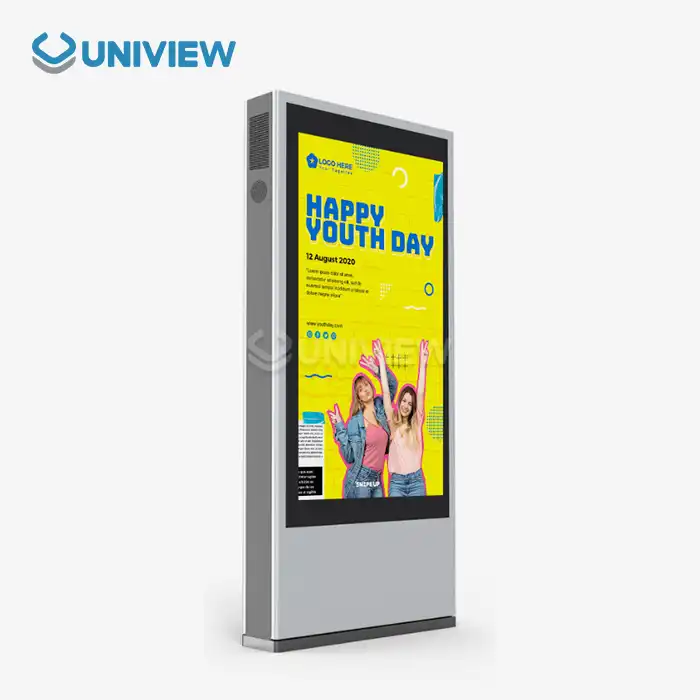
The main reason why semi-outdoor screens work so well is that they can show more light. The UW1500P model from Uniview is a good example of this technology because it lets you change the brightness from 2000 to 4000 nits. This range of adjustable lighting makes sure that material can be seen during the busiest parts of the day while also saving energy when the office is closed at night. Traditional CCFL technology isn't as good as the energy-efficient LED backlighting system, which gives you better pictures while using less power.
These screens are color-calibrated at the factory to make sure they show colors accurately and have high contrast ratios. The precise calibration method makes sure that the visual performance is the same in all lighting situations. This keeps the brand color accuracy that stores want for promotional content.
Weather Resistance and Durability Features
Standard indoor screens can't handle the problems that come up in semi-outdoor settings. Quality Semi-Outdoor LCD window display units have security grades of IP65 to IP66, which offer full protection against dust and moisture infiltration. The strong construction has special coats that protect against UV damage and changes in temperature.
Wind resistance makes sure that the system stays stable even in places where there is a lot of air movement. Premium types have 16 levels of wind resistance, so they can be used in places where the weather changes often. The corrosion-resistant surface treatments, which were created using European technology standards, make the screens last a lot longer than displays that aren't secured.
Comparing Semi-Outdoor LCD Displays with Other Display Types
People who work in procurement should know how semi-outdoor screens stack up against other types of sign technology. This comparison helps you make an informed choice based on your application's needs and your cash.
LCD Versus LED Technology Analysis
Semi-Outdoor LCD window display technology has clear benefits over LED options in some store settings. LCD screens show images more clearly and accurately, which is especially important for showing detailed pictures of products and advertising material with a lot of text. The high screen density of LCD technology makes sure that text is clear even when looking at it up close.
Outdoors, where it's very bright, LED screens work great, but they usually cost more to buy and need different upkeep. LCD technology makes it easier for store operations managers to figure out how much energy costs because it uses power in more regular ways.
Indoor Versus Semi-Outdoor Performance Metrics
Standard indoor screens usually work well at brightness levels below 500 nits, which is too low for storefront uses that get natural light. Semi-Outdoor LCD window display units fill in this performance gap by providing 4–8 times the light while still meeting energy economy standards that allow them to be used continuously.
The extra money that semi-outdoor displays cost is worth it because they last longer than indoor models. A guarantee that lasts longer, usually between 3 and 5 years, adds value that indoor screens don't usually have.
Essential Features Retail Buyers Should Evaluate When Purchasing Semi-Outdoor LCD Displays
To make a good purchase, you need to carefully look at the technical details and practical features that affect how well the display works and how much it costs to own.
Critical Technical Specifications
The most important thing for store buyers to look at is the brightness rating in nits. The 2000–4000 nits range of the UW1500P model works with a variety of window angles and lighting situations. Buyers should look at the lighting problems in their area to figure out what level of brightness is best.
Resolution choices have a big effect on the quality of the material and how interested viewers are in it. Modern Semi-Outdoor LCD window display units support high-definition material that shows off goods with great clarity. They come in both FHD and UHD configurations. The ultra-slim frame design makes the most of the screen space while still looking good and fitting in with shop architecture.
Installation and Mounting Considerations
There are more rollout options for a wide range of store settings, thanks to flexible installation choices. Retailers can choose the best place for displays based on foot traffic patterns and building restrictions because they can be hung on the wall or from the ceiling.
Hiring a professional installation service makes sure that the installation and electrical connections are done correctly and in line with local building codes. With a noise level of 60 dB, these screens are good for places where background noise needs to be kept to a minimum.
Operational Efficiency and Cost Management
Long-term running costs are directly affected by how much energy is used. Compared to older lighting systems, modern LED backlighting technology uses less power and provides better brightness performance. The factory-calibrated color choices mean that they don't need to be changed often, which lowers the cost of upkeep.
Retail buyers can feel safe using their purchases thanks to full warranty coverage and global help networks. Twenty-four-hour online reaction help makes sure that there is little downtime during busy sales times.
How to Choose the Best Semi-Outdoor LCD Window Display for Your Retail Business
Strategically choosing a vendor and carefully examining a product protects store investments and makes sure that displays work at their best throughout their working lifecycle.
Manufacturer Evaluation Criteria
Established companies with a history of making digital signs give customers more confidence in the reliability of their products and the help they receive over time. Uniview Commercial has been in the business for ten years and has a global delivery network that shows it is stable, which is what store buyers need in a long-term partner.
International certificates and meeting European, American, and Japanese norms are signs of strict quality control. These certificates also make it easier for regulators to approve products in different markets, which speeds up the rollout process for stores with multiple locations.
Financial and Warranty Considerations
Warranty terms of 3 to 5 years are much longer than what is normally expected for consumer display goods. Getting full coverage from reputable insurance companies is an extra way to protect your finances in case something goes wrong.
When figuring out the total cost of ownership, you should add up the initial purchase price, the cost of installation, the amount of energy used, and the expected costs of repairs and upkeep. Semi-Outdoor LCD window display technology is more durable, so even though it costs more at first, it usually ends up saving you money in the long run.
Customization and Scalability Options
Displays in stores often need to be set up in certain ways to match the store's design and branding needs. Companies that offer customization services can change standard goods to fit specific size or performance needs.
Scalable distribution methods can adapt to the needs of a growing business as it grows. Retailers can slowly grow their digital sign networks with modular systems, which make sure that all of the sites meet the same performance standards.
Future Trends and Innovations in Semi-Outdoor LCD Window Displays
As technology improves, semi-outdoor digital signage's features and uses are changing all the time. This opens up new ways to connect customers and make operations run more smoothly.
Interactive Technology Integration
Semi-outdoor LCD window display systems that can be touched turn passive ads into engaging experiences for customers. Advanced touch technology keeps the device active even through protective screen layers, so it can be used like an outdoor shop.
Integration with mobile devices and QR code systems lets people interact with displays in more ways than one. This is called omnichannel engagement, and it connects digital and real store settings.
Smart Connectivity and Content Management
Cloud-based content management systems let you make changes in real time and keep an eye on things from afar. With these systems, stores can instantly change ad material in multiple places, so they can react quickly to changes in inventory or sales.
Adding artificial intelligence lets the brightness change automatically based on the lighting conditions, which saves energy and keeps vision at its best at different times of the day.
Sustainability and Environmental Considerations
Improving energy efficiency helps the company reach its sustainability goals while also cutting costs. Modern power control systems change how well something works naturally based on how it is used and the weather.
Materials that can be recycled and products that last longer help the earth. Manufacturers are focusing more and more on eco-friendly production methods and recycling programs for old products that stores care about.
Conclusion
Semi-outdoor LCD window display technology gives retailers the best mix of performance, sturdiness, and cost-effectiveness for digital sign installations in storefronts that work. These displays are great for difficult store settings because they can be bright, can withstand bad weather, and can be installed in a variety of ways. A full analysis of the technical specs, the name of the manufacturer, and the total cost of ownership helps make sure that the purchasing choices support long-term business goals and customer engagement goals.
FAQ
Q: What brightness level is required for effective semi-outdoor display performance?
A: In order to remain visible in a variety of lighting conditions, efficient semi-outdoor LCD window display screens usually need brightness levels between 2000 and 4000 nits. The best brightness relies on where the screen is being installed, how much light is around it, and the viewing angle.
Q: How long do semi-outdoor LCD displays typically last in retail environments?
A: Quality semi-outdoor displays that are meant to be used all the time usually last between 50,000 and 70,000 hours, which is about 5 to 8 years of normal store use. With proper upkeep and environmental safety, operations last a lot longer.
Q: What protection ratings should retail buyers prioritize for semi-outdoor installations?
A: Most semi-outdoor store spaces with protection grades of IP65 to IP66 are good enough to keep out dust and water. Higher grades may be needed in places that are exposed to extreme weather or have a lot of humidity.
Q: Can semi-outdoor displays operate effectively in extreme temperature conditions?
A: Modern semi-outdoor LCD window display systems work effectively in temperatures from -40°C to +55°C, so they can be used in a wide range of weather situations. Built-in heat control systems keep things running at their best even when temperatures change a lot.
Q: What warranty coverage should buyers expect from reputable manufacturers?
A: For semi-outdoor LCD displays, well-known brands usually give warranties that cover them for 3 to 5 years, which is a lot longer than most household products' warranties. Parts, work, and expert support services should all be covered by full coverage.
Partner with Uniview Commercial for Premium Semi-Outdoor LCD Window Display Solutions
Transform your retail storefront with cutting-edge Semi-Outdoor LCD window display technology from Uniview Commercial, your trusted manufacturer and supplier of professional digital signage solutions. Our UW1500P model delivers exceptional brightness performance, factory-calibrated color accuracy, and robust weather protection that ensures reliable operation in challenging retail environments. With over a decade of industry expertise and a global presence spanning 100+ countries, we provide comprehensive support, including 3-5 year warranties, 24-hour technical assistance, and flexible customization options. Contact our team at sales@univiewlcdisplay.com to discuss your specific requirements and discover how our premium display solutions can elevate your customer engagement and brand visibility.
References
1. Digital Signage Today Research Institute. "Brightness Requirements for Semi-Outdoor Display Applications in Retail Environments." Commercial Display Technology Quarterly, 2023.
2. International Display Standards Organization. "Environmental Protection Ratings for Commercial LCD Displays: IP65-IP67 Certification Guidelines. "Technical Standards Publication," 2023.
3. Retail Technology Association. "Total Cost of Ownership Analysis for Semi-Outdoor Digital Signage Deployments." Industry Research Report, 2023.
4. Commercial Display Manufacturers Association. "Energy Efficiency Standards and LED Backlighting Technology in Professional LCD Displays." Technical Specification Guide, 2023.
5. Global Retail Digital Signage Council. "Installation Best Practices for Semi-Outdoor LCD Window Displays in Commercial Environments." Professional Installation Manual, 2023.
6. Electronic Display Industry Research. "Warranty and Service Support Trends in Professional Display Manufacturing: 2023 Market Analysis." Industry Analysis Report, 2023.
Learn about our latest products and discounts through SMS or email