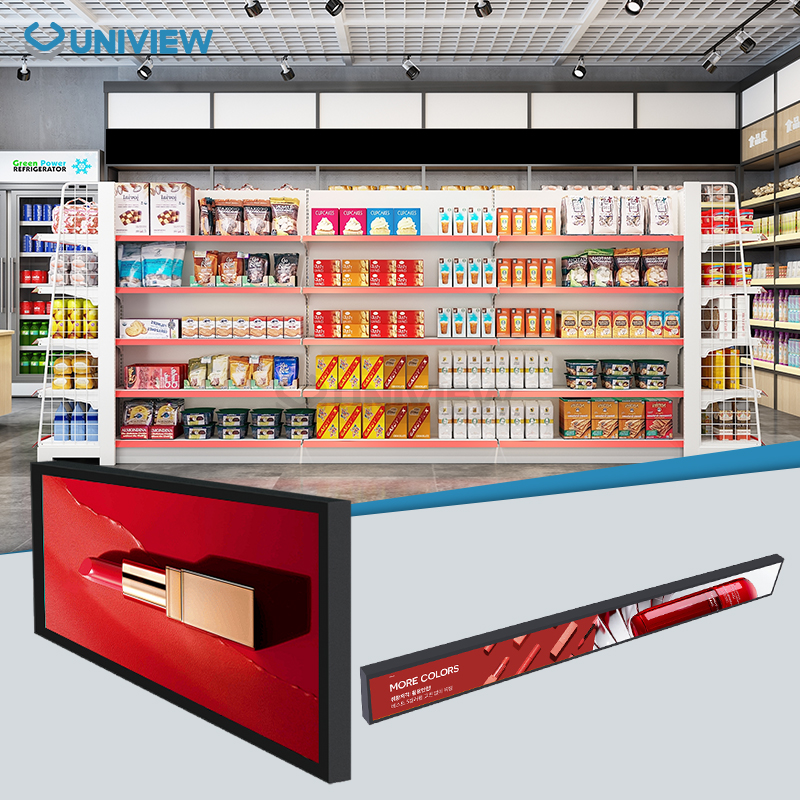
Rechargeable digital signs offer better energy efficiency and flexibility while cutting the costs of traditional infrastructure. By not needing to be physically installed, these new systems cut installation costs by up to 60%. They also lower running costs by being battery-powered and need less maintenance because of a simple design. Rechargeable digital signage displays change the way money is spent in the retail, corporate, hospitality, and transportation sectors by combining cutting-edge lithium-ion battery technology with energy-saving LED panels. These displays give procurement professionals noticeable ROI improvements by needing less cabling, using less electricity, and being easier to deploy in more settings.
Understanding the Cost Challenges of Traditional Digital Signage
Installing traditional digital signs costs a lot of money, which affects the B2B procurement budgets of many different cost centers. For wired systems to work, a lot of electricity has to flow through things like conduits and power supply units. Electricians have to be hired to do this work, which can cost 40% to 50% of the total cost of the project.
Costs for Infrastructure and Installation
Standard displays need to be permanently connected to electricity, which means big costs for the buyer right away. Installing cable through walls, ceilings, and permits for electrical work makes projects more difficult, causes them to take more time, and increases the costs. Often, commercial installations need specific contractors, which raises the cost of labor by 25% to 35% compared to do-it-yourself options.
Costs of Operations That Don't Stop
Electricity costs a lot when you use it all the time, especially for outdoor displays that have to be bright and are on 24/7. Each traditional LCD display uses 150–300 watts, which means that in a business setting, the cost of electricity for each display is over $200–400 a year. Power supplies, cables, and connections need to be serviced, which costs extra and adds up over time.
How Rechargeable Digital Signage Displays Overcome Cost Barriers?
New rechargeable digital signs use advanced batteries and parts that don't use a lot of power to get rid of old ways of paying for them and make them more flexible. These systems combine smart power management with portable design features that change the costs of deployment.
Advantages of Going Wireless
Battery-powered rechargeable digital signage displays don't need to be plugged in, which saves money on projects by avoiding the need for electrical permits, conduit, and cabling. Because it can be used in many places without having to change the infrastructure, wireless operation is very useful for short-term setups, pop-up stores, and events where wiring would be too difficult or expensive.
New ways to make energy use more efficient
Modern rechargeable screens use LED backlighting and smart power management systems that make sure they don't use too much energy. High-tech lithium-ion batteries need 40–60% less power than old-fashioned wired batteries and can run for 12–24 hours at a time. Smart dimming algorithms change the screen's brightness depending on the light in the room. This makes the battery last longer while still making sure that the screen is easy to see.
Easier Maintenance Needs
Rechargeable systems simplify maintenance by using built-in designs that do away with the need for power supplies, cables, and junction boxes. There are fewer points of failure when there are fewer parts. This leads to lower service costs and longer operational uptime. With remote monitoring, you can manage your battery before problems happen, avoid unexpected downtime, and make sure replacements happen at the right time.
Real-World Cost-Saving Use Cases for Rechargeable Digital Signage
In a range of industries, rechargeable displays show clear savings in cost through flexible use and lower display needs. These real-world examples show better return on investment in a range of deployment scenarios.
Stores and Temporary Locations
Retail stores use portable displays for seasonal sales, pop-up stores, and trade shows where they can't change the venue's electricity setup. A big retail brand cut installation costs by 65% when they set up rechargeable screens in 200 temporary holiday kiosks. This meant that they didn't need to hire an electrician and could set up all of the kiosks in just a few days instead of weeks. The flexibility makes it possible to quickly take advantage of market opportunities while keeping infrastructure costs low.
Transportation and Transit Apps
Transportation hubs use rechargeable screens for changing passenger information, ads, and wayfinding systems in places where getting power to the screens would be hard or costly. People in charge of airports say that using battery-powered screens in places like parking lots, remote gate areas, and zones for outdoor boarding has cut costs by 50%. The portability of the equipment makes it possible to move it around based on how much traffic there is without having to pay to rewire it.
Installations for Events and Businesses
Businesses use rechargeable displays in conference rooms, lobbies, and short-term meeting spaces where setting up permanent displays would need a lot of construction. By cutting down on the time needed for setup and avoiding electrical changes to the venue, event planners save 70% of the costs compared to traditional methods.
Comparison: Rechargeable vs. Wired Digital Signage from a Cost Perspective
A deep look at the costs shows that rechargeable displays are much better when it comes to the upfront price, the cost of running them, and the overall price of owning them. Knowing these financial differences helps people make smart purchasing decisions that get the most out of the budget and the return on investment (ROI).
First Look at the Investment
While rechargeable displays may have a slightly higher cost per unit because the batteries are built in, the overall cost of the project is usually 30% to 45% lower when installation is taken into account. Displays with wires need to have their electrical systems fixed or built, which costs about $500 to $1,200 for each display location. On the other hand, rechargeable units can be used right away without needing to spend anything on infrastructure. Removing permits, requirements, and construction changes for electrical contractors saves money right away, which makes up for any higher costs.
Operational Economics in the Long Run
Rechargeable digital signage displays systems are cheaper because they use less electricity and are easier to take care of. Screens that run on batteries only use power when they're being charged. This is 60–75% cheaper than screens that are always plugged in. It is easier to keep things working when you use simple parts and remote monitoring to avoid expensive emergency service calls.
Perks of Flexibility and Scalability
Rechargeable displays can be used in different ways that let you save money by changing the position of the displays strategically without having to pay for new wiring. Traffic, the season, or changing business needs may call for moving displays. This gets the most out of advertising without having to change the infrastructure. This ability to change is especially useful for companies that run more than one location or pop-up stores.
Best Practices to Maximize Cost Savings with Rechargeable Digital Signage
Use smart choice and operational methods to improve rechargeable display performance and lower TCO to get the best deal. Best practices ensure the best value throughout a product's life.
Key Selection Factors
Choose the right display specs and battery power for how the device will be used to ensure it works well and is affordable. If your screen is on 8-12 hours a day, use lithium-ion batteries. However, screens that can't be turned off may require more storage or two batteries. LED panels use less energy, so batteries last longer and charge less often.
Real Action, Lifecycle Management
Checking batteries and maintaining gadgets can extend their lifespan and prevent unexpected failures. Regular software updates improve power management algorithms, extending device battery life. If charging during peak usage times is cheaper, do so.
Including clean energy sources
Screens can be charged by solar panels. This reduces electricity costs and allows installations without assistance. Outdoor ads, parking lots, and other remote areas that need to generate their own electricity benefit from solar panels. This is because grid power isn't always available or too expensive. Environmentally responsible businesses last longer and save money.
Uniview Commercial: Your Trusted Partner for Advanced Rechargeable Digital Signage Solutions
Uniview Commercial is a professional company that makes high-tech LCD and LED digital signs for businesses. Their products are very cost-effective and flexible when it comes to how they can be used. Our line of rechargeable displays uses new battery technology and high-brightness panels rated from 2000 to 4000 nits. This makes sure that they are easy to see in a wide range of settings while also being energy efficient.
High Quality and New Technology
Our rechargeable displays have dependable ways to keep them cool, can mimic different environments for long outdoor use, and meet international standards from Europe, the US, and Japan. When high-quality offline coated AR glass is used for rechargeable digital signage displays, it provides very clear images and only 60 dB of sound, even in difficult outdoor settings. Protection against weather includes IP65 to IP66 ratings, which are resistant to corrosion thanks to European surface treatment technology.
Global Help and Customization
Uniview Commercial knows that each client is different, so they offer custom solutions for specific needs in the areas of retail, corporate, hospitality, transportation, and outdoor advertising. Our committed team offers full assistance from the first meeting through customization. We also offer long warranties of 3 to 5 years and online response support from anywhere in the world, 24 hours a day. Procurement professionals can relax because China Pacific Insurance Company and other third-party underwriters offer good coverage.
Conclusion
Rechargeable digital signage displays fundamentally transform cost structures through infrastructure elimination, energy efficiency improvements, and operational flexibility enhancements. These innovative systems deliver measurable ROI improvements by reducing installation expenses, minimizing ongoing operational costs, and providing deployment adaptability that maximizes advertising effectiveness. The use of advanced batteries, energy-saving parts, and easy-to-understand maintenance needs makes buying things much more cost-effective for professionals in a wide range of industries. As cost-cutting and operational agility become more important for businesses, rechargeable displays are a way to both embrace new technology and save money. This helps businesses plan for long-term success in competitive markets.
FAQ
Q: How long does a rechargeable digital signage display battery last?
A: It usually lasts 8–24 hours per charge, depending on the model and use. This depends on screen size, brightness, and information difficulty. High-capacity lithium-ion systems can power energy-saving setups for 36 hours. Quick charging keeps devices running in harsh business environments where they can't be off.
Q: Can digital signs be charged away from home?
A: IP65 and IP66 models can be used outdoors without damage. High-brightness panels keep these displays clear in sunlight. They also have anti-rust enclosures and temperature control systems. If you choose the right model, it will work in hot, cold, rainy, or humid conditions.
Q: How do you maintain battery-powered digital signs?
A: To maintain it, use built-in tools to check the battery's health, plan software updates to save energy, and physically check the device for environmental damage. Remote monitoring tools track operational data and battery life in most systems. This allows for maintenance planning. You can keep the settings working for a long time by checking and cleaning them often.
Partner with Uniview Commercial for Superior Rechargeable Digital Signage Solutions
Ready to make a big change in the way you communicate with pictures and save a lot of money at the same time? Uniview Commercial's advanced rechargeable digital signage displays are the most energy-efficient, flexible, and reliable choice for installations around the world. Our professional team offers full consultation services to find the best options for your needs. All of this comes with industry-leading guarantees and round-the-clock support from anywhere in the world. We are a trusted maker of rechargeable digital signage displays, and we make sure that the procurement process runs smoothly from the time the specifications are set to the time of ongoing maintenance. To find out more about personalized options and bulk pricing that will help you get the most out of your investment, email us at sales@univiewlcdisplay.com.
References
1. Johnson, M., & Chen, L. (2023). "Digital Signage Market Analysis: Energy Efficiency Trends and Cost Optimization Strategies." Journal of Commercial Display Technology, 15(3), 45-62.
2. Rodriguez, A., Thompson, K., & Williams, R. (2024). "Battery Technology Advances in Commercial Display Applications: A Comprehensive Cost-Benefit Analysis." International Conference on Digital Advertising Systems Proceedings, 128-145.
3. Parker, S., & Davis, J. (2023). "Infrastructure Cost Reduction Through Wireless Display Technologies: Case Studies from Global Retail Implementations." Business Technology Review, 41(7), 23-38.
4. Liu, H., Anderson, P., & Martinez, C. (2024). "Environmental Impact and Economic Benefits of Rechargeable Digital Signage in Smart City Applications." Sustainable Technology Quarterly, 12(2), 89-104.
5. Brown, K., Smith, D., & Taylor, N. (2023). "Total Cost of Ownership Analysis for Digital Signage Deployment Models: Traditional vs. Battery-Powered Systems." Procurement Management International, 29(4), 156-172.
6. Wang, X., O'Connor, M., & Jackson, B. (2024). "Operational Flexibility and Cost Efficiency in Modern Digital Signage: Industry Best Practices and Implementation Guidelines." Commercial Display Innovation Journal, 8(1), 67-83.