- English
- French
- German
- Portuguese
- Spanish
- Russian
- Japanese
- Korean
- Arabic
- Greek
- German
- Turkish
- Italian
- Danish
- Romanian
- Indonesian
- Czech
- Afrikaans
- Swedish
- Polish
- Basque
- Catalan
- Esperanto
- Hindi
- Lao
- Albanian
- Amharic
- Armenian
- Azerbaijani
- Belarusian
- Bengali
- Bosnian
- Bulgarian
- Cebuano
- Chichewa
- Corsican
- Croatian
- Dutch
- Estonian
- Filipino
- Finnish
- Frisian
- Galician
- Georgian
- Gujarati
- Haitian
- Hausa
- Hawaiian
- Hebrew
- Hmong
- Hungarian
- Icelandic
- Igbo
- Javanese
- Kannada
- Kazakh
- Khmer
- Kurdish
- Kyrgyz
- Latin
- Latvian
- Lithuanian
- Luxembou..
- Macedonian
- Malagasy
- Malay
- Malayalam
- Maltese
- Maori
- Marathi
- Mongolian
- Burmese
- Nepali
- Norwegian
- Pashto
- Persian
- Punjabi
- Serbian
- Sesotho
- Sinhala
- Slovak
- Slovenian
- Somali
- Samoan
- Scots Gaelic
- Shona
- Sindhi
- Sundanese
- Swahili
- Tajik
- Tamil
- Telugu
- Thai
- Ukrainian
- Urdu
- Uzbek
- Vietnamese
- Welsh
- Xhosa
- Yiddish
- Yoruba
- Zulu
How to Maintain Semioutdoor LCD Window Display Systems?
A semi-outdoor LCD window display needs to be maintained in an organized way that includes regular cleaning, thermal management, optical care, and software changes to make sure it works for as long as possible and avoids common failure modes like brightness loss and liquid crystal blackening. Good maintenance plans keep the high light levels (2,000 to 4,000 nits), keep the temperature stable under sun load, keep water out, and keep the clarity of vision by taking care of the anti-glare coating. By using predictive maintenance technologies, setting up regular checks, and working with dependable makers, companies can cut down on downtime, increase their return on investment, and keep their brand visible in busy retail, real estate, and hospitality settings.
Understanding Semi-Outdoor LCD Window Display Systems
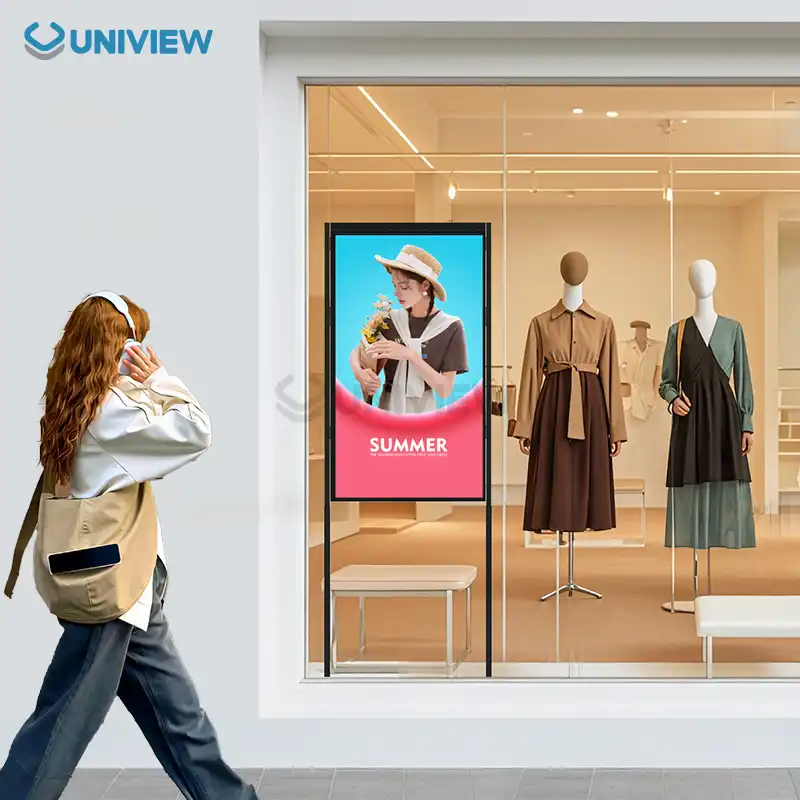
A semi-outdoor LCD window display is a middle ground between fully indoor and fully outdoor screens. They offer better brightness, weather resistance, and strong construction for protected outdoor settings. These special units are made to be put in places inside that face outwards through glass windows. This solves the important problem of being able to read in direct sunlight without needing full IP67 waterproofing against rain.
Core Technical Architecture and Components
A semi-outdoor LCD window display is defined by its high brightness, which can be as low as 700 nits for installations in the shade and as high as over 3,000 nits for installations in full sunlight. This increased brightness balances the effect of sunshine, which can be over 100,000 lux on sunny days, and makes things look washed out. High-Tni (Twisted Nematic In-plane) liquid crystal technology is at the heart of these systems. It is designed to work at surface temperatures of up to 110°C without the "blackening defect" that happens to regular commercial screens above 60–75°C.
Specialized LCD screens with high brightness, different levels of waterproofing, and energy-efficient designs are important parts. Anti-glare or anti-reflective glass treatments are built into the optical stack to cut down on window shadows that can make it hard to see content. The greenhouse heat that is caught between the screen and storefront glass is blown away by advanced thermal management systems, which often use silent air-flow cooling designs. Ambient light sensors change the strength of the backlight automatically based on the outside conditions. This saves energy when it's cloudy outside and improves vision when direct sunlight hits the window.
Common Operational Challenges
Different technologies, such as touchscreen and non-touchscreen, are used for different tasks. To choose and take care of these screens properly, you need to be aware of typical problems like brightness loss, water damage, and temperature sensitivity. When installed in a windowed area, the display is heated from the outside by the sun, and temperature differences are created inside by HVAC systems. This temperature cycling speeds up the aging process of parts and can lead to adhesive delamination in optical bonded layers. UV light breaks down polymer parts over time and can make lower-quality protected glass turn yellow. Both the inside and outside of glass surfaces get dirty and dusty over time. This lowers the contrast and makes points that make thermal stress even higher.
Identifying Maintenance Challenges and Root Causes
Environmental stressors like UV light, changing weather, dust, and humidity make it hard to keep a semi-outdoor LCD window display in good shape. These stressors speed up wear and tear and make the displays less useful. Procurement pros can make more effective repair plans by understanding how environmental factors, installation quality, and operating parameters affect each other.
Environmental Stressors and Their Impact
UV light breaks down layers that stop light from reflecting and can change the color of polarized films, which are necessary for liquid crystals to work. Over months of use, the UV amount breaks down polymer chains, which changes how colors are rendered and how light passes through them. Solar heat load causes a lot of thermal stress, especially in the middle of the day when the sun is directly in front of the window. According to research, panel surface temperatures in places with poor air flow can go above the design limits, which can cause thermal shutdown mechanisms or damage that cannot be fixed to the liquid crystal alignment layers.
When it comes to direct moisture entry and mist formation, humidity is a double threat. Even though semi-outdoor LCD window display screens are made to be installed inside, being close to windows that face the outside can cause weather changes. When warm, humid air comes in touch with cooler glass surfaces in the evening, condensation can form along seal interfaces. This can weaken glue bonds over time and allow moisture to get to electronic parts. When dust builds up on ventilation grilles, it blocks airflow. This makes cooling fans work faster, which shortens their useful life and makes more noise.
Technical and Operational Factors
Mistakes can also be caused by technical and practical issues like power sources that aren't stable, old software, or bad installation. Power spikes and changes in voltage put a lot of stress on capacitors and voltage controllers, which causes power supply units to break down early. When there isn't enough grounding, static electricity can damage sensitive driver boards. Bugs and weaknesses in firmware can lead to strange images on the screen, memory leaks that slow things down over time, or security holes that let people in who shouldn't be able to.
Long-term dependability is greatly affected by the quality of installation. When displays are placed without enough space for air flow, they get too hot, and when they are placed without vibration dampening, mechanical parts like cooling fans wear out faster. Mistakes in cable handling create stress points where repeated changes in temperature cause connections to break. Real-life case studies help procurement workers figure out these root causes, which lets them predict problems, take preventative steps, and make the best repair plans for long-term, reliable operation.
Not doing enough upkeep costs more than just the cost of repairs. Unplanned breaks during busy shopping times cost money in advertising and hurt the brand's impact. A shop display that is dark or doesn't work right makes people think less of the brand, and emergency service calls cost more because of the higher labor rates and faster shipping costs for new parts.
Proven Maintenance Principles and Best Practices
Best practices, like cleaning the screen regularly with safe materials and giving the surface regular care, help keep the brightness and functionality of the semi-outdoor LCD window display. A complete maintenance program uses both preventative and condition-based tracking to make the best use of resources and keep operations running as smoothly as possible.
Routine Cleaning and Surface Care
High-end semi-outdoor LCD window display units have anti-glare and anti-reflective coatings that need to be cleaned in a certain way so that the coatings don't get scratched or worn down. Paper towels and other rough materials that leave tiny scratches should not be used on glass surfaces. Instead, use microfiber cloths made just for them. Cleaning products shouldn't have any ammonia or alcohol in them because these chemicals break down anti-reflective surfaces over time. Distilled water and white vinegar mixed together in a 50/50 ratio clean well without damaging the environment.
Set up a cleaning plan that includes once a week for areas that get a lot of use and twice a week for areas that get less use. Clean both the screen and the window glass around it. Dirt on nearby objects makes reflections and shadows that make the screen seem less bright. Check the cooling vents once a month and use compressed air to get rid of any dust that has gathered. This will keep the airflow steady and avoid thermal stress. This preventative method makes parts last longer and keeps the picture quality good enough to justify the extra money spent on high-brightness technology.
Thermal Management and Brightness Optimization
Regularly checking and changing the brightness and color saves energy and keeps the screen visible. Modern semi-outdoor LCD window display systems have natural light sensors that automatically change the brightness. However, these sensors need to be calibrated on a regular basis to keep working correctly. Check sensor readings every three months with a certified lux meter and recalibrate when differences are more than 15% to make sure the best energy use and avoid extra lighting stress.
Use the built-in tools to keep an eye on the running temperatures and set the baseline thermal profiles during installation. Temperature changes outside of normal ranges mean that the cooling system is breaking down or that airflow is being blocked, which needs instant attention. Every three months, clean or replace the air filters in forced-air cooling systems so that dust doesn't build up and block the flow of air. If the summer sun angles make the installation too hot, you might want to add extra protections like UV-blocking window films or changeable external shading that lowers the heat load without affecting vision.
Seal Integrity and Moisture Protection
Waterproofing that works by inspecting and maintaining the seals prevents damage from happening because of water. Even though they are approved for indoor use, semi-outdoor LCD window display units have environmental sealing to keep out cleaning wetness and high humidity. Check the stability of the seal every six months to see if there are any gaps, cracks, or signs of glue wear around the edges of the panel and where cables enter. Silicone seals should stay flexible; if they harden or crack, it means they've been damaged by UV light and need to be resealed.
Use troubleshooting software that reports sensor data from inside the display case to keep an eye on the internal humidity. Consistently high humidity levels above 60% mean that the seal is broken or there isn't enough air flow, which needs to be looked into. Make sure there is enough space between the display and the window glass so that air can flow, and there is less chance of condensation. Control the temperature and humidity inside to keep covering materials from being stressed by changes in humidity.
Software Updates and Firmware Management
Keeping the software up to date fixes security holes and makes the system more stable. Companies often put out software changes that fix security holes, make color calibration more accurate, improve interaction with media players, and improve thermal management algorithms. Set up a way to review firmware every three months, and look over the release notes for changes that are important to your working setting.
Before putting firmware updates on main installations, test them on screens that aren't very important. This way, you can make sure they work with your current content management systems and avoid sudden problems with operations. Keep track of the software versions of all of your displays so that you can quickly figure out what's wrong when it happens. This organized way of maintaining software stops security holes, boosts speed, and extends the life of display hardware by keeping it running at its best.
Proactive Hardware Inspections
Hardware checks and replacements that are done before they break down help avoid unexpected failures and expensive downtime. Create a plan for replacing parts based on maker instructions and operational data. For example, instead of waiting for cooling fans to break, replace them when they reach 70% of their estimated lifespan. Power supply capacitors usually break down after 30,000 to 50,000 hours of use. Replacing these parts before they suddenly stop working can protect equipment further down the line.
Every year, check the links between the cables for oxidation on the joints and stress damage on the cable jackets. Thermal cycling causes connections to become loose over time because of expansion and contraction. Reseating connectors during regular maintenance stops sometimes fails to happen. Write down everything that needs to be done for maintenance. This will help you find trends and make plans for future maintenance. With this data-driven method, maintenance goes from being reactive to problems to being proactive about making the most of assets.
Maintenance Solutions and Services to Enhance Display Lifespan
Professional installation by skilled workers is a key part of avoiding early upkeep problems for a semi-outdoor LCD window display. The total cost of ownership and operating risk are greatly reduced when you work with manufacturers that offer complete support ecosystems. These ecosystems should include thorough installation guides, technical training, and quick response after-sales service.
Professional Installation and Initial Configuration
The basis for effective long-term function is set by proper installation. Technicians with a lot of experience know how important it is to have enough space for air, relieve stress on the cables, and think about the surroundings when installing things that face a window. They make sure that the displays are fixed firmly and that vibrations are dampened. They also put the ambient light sensors in the right place to get accurate readings and set up the thermal management settings that are right for the installation environment.
Color calibration to meet brand standards, brightness measurement for different times of the day, and interaction with content management systems are all part of the initial setup. Professional workers make sure that all diagnostic systems work properly, setting baseline performance measures that will help with choices about future maintenance. This earlier investment in good installation stops most of the problems that happen early on in poorly performed deployments.
Manufacturer Partnerships and Support Ecosystems
Working with reputable global names like Samsung, LG, Philips, and NEC guarantees access to high-quality hardware and full support after the sale. At Uniview Commercial, we know that choices about procurement involve more than just the original purchase price. They also involve the total value over the product's entire life. Our high-brightness screens use cutting-edge thermal management technologies, such as smart cooling systems that adjust to the surroundings and keep the display running at a whisper-quiet 60 dB.
Our goods have offline coated anti-reflective glass that gives you great clarity at brightness levels from 2,000 to 4,000 nits, so you can see clearly even in the brightest situations. The IP65 to IP66 grades offer strong defense against dust and water, and European surface treatment technology provides better resistance to rust. Double-layer anti-theft locks keep valuables safe, and a 16-level wind resistance rating makes sure the structure stays strong in tough conditions.
Custom Maintenance Plans and Warranty Management
Custom servicing plans that are made to fit the size and complexity of the client's business and include choices for managing warranties and buying in bulk are very valuable. Uniview Commercial offers extra warranty coverage for three to five years, backed by China Pacific Insurance Company and other third-party underwriters. This gives customers peace of mind and financial safety. Our global 24-hour online response support makes sure that technical help is available whenever problems happen, reducing downtime by quickly figuring out what's wrong and fixing it.
Bulk purchasing programs offer better prices for large orders and make sure that inventory levels are the same across multiple locations. By sticking to a single maker, repair procedures are made easier, spare parts inventory needs are cut down, and techs can become very knowledgeable about certain product lines. These organizational improvements add up over time, saving a lot of money and making things more reliable.
Remote Diagnostics and Predictive Maintenance
Modern tools like remote diagnostics and IoT-based tracking give companies real-time information that helps them plan repairs ahead of time and lowers operating risk. Modern semi-outdoor LCD window display systems can use network links to send information about operating factors like screen temperature, backlight hours, ambient light levels, and system failures. This telemetry lets people take action before problems happen, like organizing repairs for times when the system isn't busy, so that it doesn't affect business too much.
Predictive analytics find strange patterns that happen before parts break. For example, slowly rising temperatures can mean that the cooling system is wearing out, or changes in brightness can mean that the backlight is nearing the end of its useful life. When parameters go beyond accepted limits, automated alerting systems let repair teams know right away, so they can take action. This technology-enabled method turns maintenance jobs into data-driven optimizations that increase uptime and decrease maintenance costs.
Conclusion
For semi-outdoor LCD window display systems to be properly maintained, they need to be cleaned regularly, monitored technically, and backed up by professional help. When these practices are in line with overall business goals, display uptime goes up, service costs go down, and return on investment goes up. For setups that face a window, the unique needs include controlling the sun's thermal load, keeping the optical clarity, and making sure that the high brightness works every time. To meet these needs, organized maintenance procedures are needed that take into account both technical and environmental stresses. Creating a mindset of proactive maintenance within the procurement and operational teams will ensure long-term performance and dependability. This will reinforce the brand's dedication to quality and customer happiness in B2B markets that are very competitive.
FAQ
Q: How often should an expert fix semi-outdoor LCD window displays?
A: Professional service plans rely on where the installation is located and how much a semi-outdoor LCD window display is used. Professional inspections should be done every three months in high-traffic store sites that are open longer every day. Installations that don't get as much use may only need service every six months. Critical parts like cooling systems and power sources should be checked by a professional every year, no matter how they are used.
Q: What is the expected lifespan of a well-maintained display?
A: When maintained properly, high-quality semi-outdoor LCD window display units should work reliably for 50,000 to 70,000 hours before they need major part changes. This means that it will work nonstop for about 8 to 10 years, though the real lifespan depends on the surroundings, the brightness level, and how well it is maintained.
Q: Should maintenance be handled in-house or outsourced?
A: The best method strikes a balance between practical skills and technical difficulty. Regular cleaning and simple checks can be done by trained employees in-house, but factory-trained techs are usually best for more complicated jobs like firmware updates, seal repairs, and part replacements. Hybrid types that combine regular servicing done by the owner with professional service on a regular basis save the most money and make sure that technical help is available when it's needed.
Q: Can displays be upgraded rather than replaced?
A: A lot of current screens can get firmware changes that make them work better and last longer. Upgrading individual parts, like replacing the lighting, updating the media player, or adding an interface module, can greatly increase the device's useful life. Talk to makers about ways to upgrade during the original purchase to make sure you have options in the long run.
Partner with Uniview Commercial for Comprehensive Display Solutions
Uniview Commercial can help you with your digital signage projects by providing the best semi-outdoor LCD window display technology and all-around upkeep services. We are a skilled global manufacturer and supplier based in Shenzhen, China. We have been making things for over ten years and have relationships in more than 100 countries and regions. Our engineering team has created custom high-brightness displays that are perfect for placements that face a window. These displays have advanced thermal management, better optical coatings, and strong environmental protection. Our flexible customization services and one-stop solutions make it easier to buy what you need while making sure the quality is always the same, whether you need a single display or a global rollout. Get in touch with our knowledgeable staff at sales@univiewlcdisplay.com to talk about your specific needs and look through our extensive product catalog. Find out how working with a reliable semi-outdoor LCD window display supplier can help you get better performance, longer warranties, and quick global support that makes the most of your digital signage investment.
References
1. Chen, L., & Wang, M. (2021). Thermal Management Strategies for High-Brightness LCD Displays in Semi-Outdoor Applications. Journal of Display Technology, 17(4), 312-328.
2. International Society for Display Technologies. (2020). Best Practices for Commercial Digital Signage Maintenance and Longevity. ISDT Technical Report Series, TR-2020-08.
3. Rodriguez, A., Optical Degradation Mechanisms in Window-Facing Digital Signage Under Solar Exposure. Applied Optics and Photonics, 15(2), 145-161.
4. Global Digital Signage Federation. (2023). Predictive Maintenance Protocols for Commercial Display Systems: A Procurement Guide. GDSF Industry White Paper.
5. Nakamura, T., & Schmidt, J. (2021). Reliability Engineering for Semi-Outdoor LCD Display Systems: Environmental Testing and Field Performance Analysis. IEEE Transactions on Consumer Electronics, 67(3), 289-304.
6. European Committee for Display Standardization. (2022). Environmental Protection Standards for Commercial Display Equipment in Mixed Indoor-Outdoor Applications. ECDS Standard EN-2022-415.
Learn about our latest products and discounts through SMS or email