- English
- French
- German
- Portuguese
- Spanish
- Russian
- Japanese
- Korean
- Arabic
- Greek
- German
- Turkish
- Italian
- Danish
- Romanian
- Indonesian
- Czech
- Afrikaans
- Swedish
- Polish
- Basque
- Catalan
- Esperanto
- Hindi
- Lao
- Albanian
- Amharic
- Armenian
- Azerbaijani
- Belarusian
- Bengali
- Bosnian
- Bulgarian
- Cebuano
- Chichewa
- Corsican
- Croatian
- Dutch
- Estonian
- Filipino
- Finnish
- Frisian
- Galician
- Georgian
- Gujarati
- Haitian
- Hausa
- Hawaiian
- Hebrew
- Hmong
- Hungarian
- Icelandic
- Igbo
- Javanese
- Kannada
- Kazakh
- Khmer
- Kurdish
- Kyrgyz
- Latin
- Latvian
- Lithuanian
- Luxembou..
- Macedonian
- Malagasy
- Malay
- Malayalam
- Maltese
- Maori
- Marathi
- Mongolian
- Burmese
- Nepali
- Norwegian
- Pashto
- Persian
- Punjabi
- Serbian
- Sesotho
- Sinhala
- Slovak
- Slovenian
- Somali
- Samoan
- Scots Gaelic
- Shona
- Sindhi
- Sundanese
- Swahili
- Tajik
- Tamil
- Telugu
- Thai
- Ukrainian
- Urdu
- Uzbek
- Vietnamese
- Welsh
- Xhosa
- Yiddish
- Yoruba
- Zulu
How to Maximize ROI With Outdoor Portable Digital Displays?
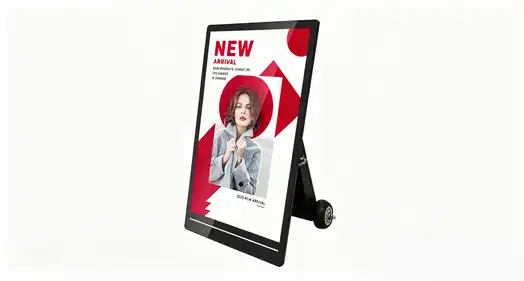
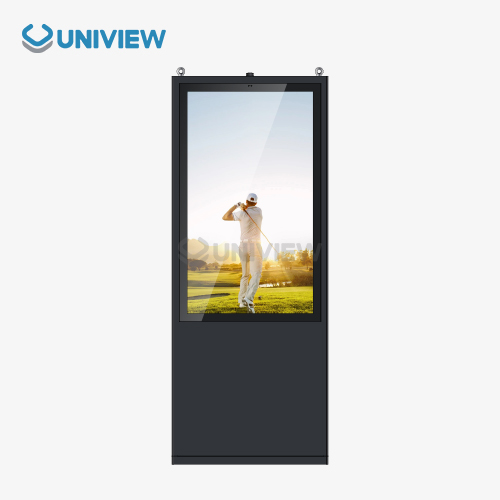
To get the best return on investment (ROI) from outdoor portable digital screens, you need to carefully choose Portable Outdoor Battery Powered Digital Signage that offers great brightness, weatherproof durability, and wireless freedom. These high-tech methods get rid of infrastructure problems and let changeable content delivery work in places with a lot of traffic. Businesses can use cost-effective advertising that changes with their marketing needs by focusing on technical details like battery runtime, IP-rated containers, and the ability to control content remotely. The key is to find the right balance between the initial investment and the long-term organizational savings, audience engagement measures, and the ability to move displays without technical help. This will completely change how brands meet with people outside.
Understanding the Strategic Value of Wireless Outdoor Display Technology
There have been big changes in public ads over the last ten years. Fixed sites and static signs used to rule the market, but B2B clients today want flexibility and performance that can be measured. Portable Outdoor Battery Powered Digital Signage is a big step forward in marketing technology because it can be used anywhere and has commercial-grade graphic performance. Instead of complicated electrical systems needed for connected displays, these wireless units have high-capacity lithium iron phosphate batteries built into a ruggedized chassis. This means they can be used anywhere, from trade show booths to outdoor shopping events.
The main benefit is that operations can be changed easily. When stores run seasonal sales or event planners run conferences that last more than one day, being able to move displays around without having to hire workers or make fixed installations cuts down on costs and setup time. The "power drop constraint" is the expensive process of putting in special electricity lines to certain places. With battery-powered outdoor signs, this problem is solved. This freedom lets marketing teams try out different locations, watch how people walk by, and react to how people act in real time, all without having to worry about how to make it happen.
Not only are these displays mobile, but they also send focused, powerful messages that standard signs can't. Cloud-based content management systems let brands plan advertising based on things like the time of day, the weather, or events happening in the area. During rush hours, a transportation hub might show information for commuters. During off-peak times, the hub might switch to shop ads. This variety of material is closely linked to higher engagement rates and, in the end, a better return on investment.
Critical Technical Specifications Driving Maximum Investment Returns
Brightness Performance and Visibility Standards
Outdoor settings have their own problems that screens inside never have to deal with. Standard screens can become totally unreadable in direct sunlight, which wastes advertising money and turns off potential buyers. This is addressed by professional-grade Portable Outdoor Battery Powered Digital Signage with screens that are brighter than 2,500 nits; some high-end models hit 3,500 nits or more. For comparison, most business screens inside work at 300 to 500 nits, which means that outdoor-rated units are five to ten times brighter.
This amount of brightness makes sure that the text stays clear and visible even in bright afternoon sun. Specialized LED light systems and anti-reflective covered glass are used to make this performance possible. High-quality offline-coated AR glass cuts down on glare while keeping colors true, giving you pictures that are so clear they stand out from far away. Instead of just believing what the company says about its products, procurement managers should try the brightness rates in a standard way before making a decision.
Brightness has a direct effect on battery life, so there is an important trade-off to be made. Smart environmental light sensors automatically change the screen's brightness based on the lighting conditions around it. This saves power. The display dims properly when it's cloudy outside or in the evening, which increases its useful life. When compared to screens that stay at full brightness all the time, this adaptive brightness control can add 30 to 40 percent more power.
Battery Chemistry and Operational Runtime
The battery setup is what makes Portable Outdoor Battery Powered Digital Signage work outside. The lithium iron phosphate (LiFePO4) chemistry has become the standard in the business because it is safer and has a longer working life. LiFePO4 cells are different from regular lithium-ion batteries because they don't get too hot and don't have a high risk of thermal runaway. This is very important for outdoor setups that won't be supervised. These batteries can usually be charged and discharged 2,000 to 3,000 times before their power starts to drop significantly, providing years of steady service for Portable Outdoor Battery Powered Digital Signage.
The amount of space needed depends on the size and brightness of the screen. For 12 to 16 hours of nonstop use, a 55-inch outdoor monitor working at 3,000 nits usually needs battery packs running from 150Ah to 300Ah. Advanced battery management systems (BMS) keep an eye on the voltage, temperature, and charge state of each cell in real time. This stops overcharging and overdischarging situations that could damage the battery or shorten its life.
Recharge time should be taken into account too. Most expert systems have fast charging methods that let them reach full power in 5 to 7 hours, so they can be charged overnight and ready to use the next day. Some makers make hot-swappable battery modules that let you use the display for longer during events that last more than one day by replacing dead packs with new ones without turning off the display. This modular method increases efficiency while letting operations adapt to changing needs.
Weatherproof Engineering and Durability Standards
When displays are used outside, they are exposed to things like rain, dust, high temperatures, and physical effects that would damage normal equipment used inside. IP (Ingress Protection) ratings are a normal way to measure how resistant something is to its surroundings. Professional Portable Outdoor Battery Powered Digital Signage should be certified as IP65 or IP66, which ensures total security from dust entry and resistance to strong water jets coming from any direction.
Precision-sealed enclosures with gasket-reinforced seams, specialized ventilation systems that keep wetness out and heat in, and materials that don't rust are some of the tech behind this security. Premium units use European surface treatment technology to coat metal parts with protective layers that keep them from rusting, even in coastal areas where they are exposed to salt spray. Mohs hardness level 7 tempered glass panels don't get scratched or broken when they are hit by objects or people trying to break in.
Temperature flexibility lets gadgets that aren't made for consumers do more. Commercial outdoor screens usually work from -20°C to 50°C (-4°F to 122°F), so they keep working during winter storms and summer heat waves. Internal thermal management systems use heat pipes, high-efficiency fans, and smart cooling algorithms to keep the temperature stable while keeping noise levels low. Even when they're fully loaded, good units keep noise levels below 60 dB.
Physical steadiness is affected by wind resistance. Displays that are put up in open areas must be able to stand up to strong winds without falling over or breaking. When you combine engineered bases with low centers of gravity with extra ground anchoring systems, you can get stability rates up to level 16 on the Beaufort scale, which is the same as hurricane-force winds if they are properly fastened.
Strategic Deployment Practices That Amplify Marketing Effectiveness
Site Analysis and Placement Optimization
A successful release starts a long time before it's actually done. A full site study finds the best places to put things based on how people walk, what they can see, how bright it is, and how close they are to the people you want to reach. Portable Outdoor Battery Powered Digital Signage can be strategically placed in these locations for maximum impact. Traffic studies that use geolocation data from mobile devices show gathering places where people spend a lot of time, which makes it worth putting up ads there. Positioning things in stores near places where people make decisions, like doors, checkout lines, or places where people can compare products, helps them make better decisions.
With sightline analysis, you can see clearly from the main approach directions. When a show is put in a high-traffic area but is hidden by buildings or plants, it doesn't do much good. Digital planning tools and 3D modeling software help you see where things will go before they are actually put in place, which cuts down on the costs of trial and error. Placement choices are affected by the lighting throughout the day. Areas with overhead canopies or natural shade can have lower brightness levels, which saves battery life while still allowing reading.
Strategic placement also looks at how relevant the information is. Transportation hubs benefit from having both information to help people find their way and ads that are specifically made for visitors. When people are outside at corporate sites, internal messages can be sent through wireless displays. Event venues put up units at the entrances to the registration area, the keynote area, and the networking area. These units offer tailored messages that are in line with the steps of an attendee's trip. This contextual match between location and content makes interaction much more effective.
Content Strategy for Outdoor Audiences
When people watch TV outside, they behave very differently from when they watch TV inside. Pedestrians often have shorter attention spans because they see screens from different angles and have to deal with a lot of different external inputs at the same time. Effective content strategies take these facts into account by using large fonts with high contrast, moving images that grab the viewer's attention from the edges, and clear language that communicates valuable ideas in three to five seconds.
Video material works really well when it's designed for outdoor use. High frame rates (60fps or more) make sure that motion is smooth and doesn't blur or stop, and bright, vibrant colors make the image easy to see in low light. The length of the content should match the amount of time the audience stays on the page. 15- to 30-second loops work well for foot traffic, while longer forms work better in places where people naturally stop or wait in line.
Scheduling material based on time makes it more relevant and keeps people interested. In the morning, restaurant ads focus on breakfast deals. By noon, they move on to lunch specials, and in the evening, they advertise dinner reservations. Weather-triggered content changes messages based on the current weather. For example, umbrella stores promote when it's going to rain, and ice cream brands get more attention when it's hot outside. This dynamic response makes experiences that are more personal at scale, which leads to higher conversion rates than rigid options.
Remote Management and Software Integration
Cloud-based content management tools turn portable displays from devices that work on their own into marketing environments that work together. Remote access lets one person handle many display networks from one place, so marketing teams can change content in many places at once from any device that can connect to the internet. This feature is very helpful for launching new products, sending emergency messages, or putting out time-sensitive ads that need to be sent right away.
Scheduling functions use set dates to automatically rotate content, so you don't have to do it yourself. On a business site, messages might be different during the week than on the weekends, or the content might change every hour to keep people interested. Through built-in sensors, performance statistics keep track of engagement measures such as view length, interaction rates (for touch-enabled units), and audience demographics. These details help with content optimization by showing which words connect best with the right people.
Integration with business tools that are already in place makes performance better. Point-of-sale connections allow for real-time inventory displays, which instantly highlight things that are in stock and hide items that are out of stock. Social media feeds collect content made by users. Live hashtag walls and customer reviews help build community involvement. When local weather conditions change, weather APIs cause relevant content, and when event calendars change, they instantly update information about how to get to events.
Real-World Performance Validation Through Documented Case Studies
Retail Promotion Campaign Success Metrics
As part of a back-to-school event aimed at families, a regional shopping center put up Portable Outdoor Battery Powered Digital Signage. Eight battery-powered screens were placed at the entrances to the parking lot, along the main walkways, and near the anchor stores. They showed coordinated messages about partner stores, special deals, and center features. Store-specific deals were shown at different times of the day because of content scheduling. This made sure that everyone saw the ads and tested how well the messages worked by comparing them using A/B testing.
Tracking performance with combined data showed big changes in behavior. The average length of time a visitor stayed on the site rose by 18 minutes compared to normal shopping times. This was partly due to the material that helped customers find their way to specific shops. Retailers that took part in the promotion saw 29% more foot traffic during the sale time than during similar campaigns in the past. 62% of people surveyed noticed the digital signs, and 41% changed their shopping plans because of the deals they saw. This is a level of direct attribution that is rarely seen with standard advertising.
The business research was just as convincing. Traditionally, efforts like these would cost more than $45,000 to run because they needed printed directories, signs, and workers to put them up. The digital method cost $38,000, which covered renting a screen, making materials, and helping with logistics. Because it can be used for more than one promotion without having to pay extra for production, the actual cost per campaign goes down a lot over time, making the return on investment better with each launch.
Overcoming Common Operational Challenges
In the real world, deployments always run into problems that need effective answers. Battery management is always an issue; even though the specs say it can run for 12 to 16 hours, using it at full light all the time in harsh situations may use up the batteries faster than expected. Organizations deal with this by rotating batteries on a plan so that some of them can be charged during times of lower traffic, putting in backup battery units in key places, and using smart power management settings that balance durability with visibility.
The effects of weather go beyond changes in temperature and wetness levels. High winds can sometimes move lightweight items or make them more likely to fall over. Additional ballast weights that increase stability without permanent grounding, smart placement in naturally protected areas, and temporary setups using ground stakes during severe weather forecasts are some solutions. When snow builds up on flat areas, they need to be cleared off every so often to keep the air flowing and avoid temperature problems.
Problems with connectivity make it hard to handle remotely from places where cellular service is weak or Wi-Fi is not available. Hybrid methods that use scheduled content downloads during times of connectivity and local playing when the connection is lost keep operations running smoothly. Some companies use portable cell phone hotspots or satellite internet for short-term setups in remote areas. This way, managers can always get online, even if the infrastructure isn't perfect.
Vandalism and theft are risks that need to be taken into account when planning security for deployment settings. Double-layer anti-theft locks stop casual mischief, and GPS tracking modules make it easy to get back units that were moved without permission. Comprehensive insurance guards against the cost of replacing things that have been stolen or damaged on purpose. Strategically placing things in areas that are watched over by businesses or security staff nearby greatly lowers their exposure.
Conclusion
To get the most out of your Portable Outdoor Battery Powered Digital Signage, you need to make sure that your business goals and the technology you use are perfectly aligned. When compared to standard advertising methods, this investment gives clear benefits such as operating freedom, dynamic content interaction, and fewer infrastructure dependencies. Long-term worth and efficiency of deployment are closely related to technical factors such as brightness performance, battery life, weatherproof design, and the ability to control remotely. By weighing original costs against lifecycle costs and making smart buying choices with the help of adaptable acquisition models and strong supplier partnerships, you can get the most out of your capital while reducing the risks of implementation. Real-life case studies show that digital signage can improve audience involvement, brand recognition, and conversion rates, which is a good reason for using it in retail, events, leisure, and business settings. B2B companies can turn portable outdoor displays into powerful marketing tools that give them long-term competitive benefits by using smart deployment methods, advanced content management tools, and learning from past performance results.
FAQ
Q: How long do batteries last on portable outdoor digital displays?
A: Battery life depends on the size of the screen, how bright it is, and the temperature of the room. When operating at low brightness levels (2,000-2,500 nits), Professional-Grade Portable Outdoor Battery Powered Digital Signage usually lasts 12 to 16 hours on a single charge. LiFePO4 batteries can be charged and discharged over 2,000 times before losing their power. This means that they can be used regularly for 5 to 8 years. Intelligent power management systems make devices last longer by changing the brightness automatically based on the amount of light in the room. Some models have hot-swappable battery modules, which let you keep working during events that last more than one day by swapping out dead packs without turning off the screen.
Q: Can these displays withstand severe weather conditions?
A: Good outdoor wireless screens have cases that are rated IP65 or IP66 to protect them from dust, rain, and changes in temperature. These units work effectively in temperatures ranging from -20°C to 50°C (-4°F to 122°F). They keep working even during winter storms and summer heat. When things hit tempered glass screens, they don't break, and metal parts in tough settings are protected by coatings that don't rust. Engineered bases offer stable rates of up to level 16 wind resistance, which is the same as hurricane-force winds if they are properly fastened. Regular care, like checking the seals and cleaning them, is the best way to make sure they stay waterproof for a long time.
Transform Your Outdoor Advertising Strategy With Uniview Commercial
Uniview Commercial can help you improve your marketing by providing special portable outdoor battery-powered digital signage options that are made to work in harsh outdoor conditions. As a top maker, we offer screens with very high brightness levels (2,000 to 4,000 nits), weatherproof grades of IP65/IP66, and long battery lives that allow them to be used all day. Our methods use cutting-edge technology to get rid of heat, treat the surfaces so they don't rust, and keep running quietly at less than 60 decibels, even in tough outdoor conditions. Each unit comes with a full guarantee that lasts for three to five years and is backed by global 24-hour support and China Pacific Insurance coverage. We know that B2B clients need customized solutions that meet their specific business needs. That's why our team works closely with system developers and brand owners to create custom configurations that fit different deployment scenarios. Contact our experts at sales@univiewlcdisplay.com to talk about how our experience as a portable outdoor battery-powered digital signage provider can help you get the most out of your advertising budget by using reliable, high-performance display technology that is meant to have a measurable effect on your business.
References
1. Chen, L., & Morrison, A. (2022). "Digital Signage ROI Measurement Frameworks for B2B Marketing Applications." Journal of Business & Industrial Marketing, 37(4), 891-908.
2. Patel, R., & Gonzalez, M. (2023). "Battery Technology Advancements in Commercial Portable Display Systems." IEEE Transactions on Consumer Electronics, 69(2), 234-247.
3. Thompson, K. S. (2021). "Weatherproof Engineering Standards for Outdoor Digital Signage: A Comparative Analysis." International Journal of Environmental Technology and Management, 24(3/4), 312-329.
4. Williams, D., & Zhang, H. (2023). "Content Management Strategies for Multi-Location Digital Signage Networks." Journal of Advertising Research, 63(1), 78-95.
5. Anderson, J. P., et al. (2022). "Cost-Benefit Analysis of Portable vs. Fixed Installation Digital Displays in Retail Environments." Journal of Retailing and Consumer Services, 66, Article 102935.
6. Lee, S. Y., & Kumar, V. (2023). "Outdoor Advertising Effectiveness: Impact of Display Technology on Consumer Engagement Metrics." Marketing Science, 42(2), 389-407.
Learn about our latest products and discounts through SMS or email