- English
- French
- German
- Portuguese
- Spanish
- Russian
- Japanese
- Korean
- Arabic
- Greek
- German
- Turkish
- Italian
- Danish
- Romanian
- Indonesian
- Czech
- Afrikaans
- Swedish
- Polish
- Basque
- Catalan
- Esperanto
- Hindi
- Lao
- Albanian
- Amharic
- Armenian
- Azerbaijani
- Belarusian
- Bengali
- Bosnian
- Bulgarian
- Cebuano
- Chichewa
- Corsican
- Croatian
- Dutch
- Estonian
- Filipino
- Finnish
- Frisian
- Galician
- Georgian
- Gujarati
- Haitian
- Hausa
- Hawaiian
- Hebrew
- Hmong
- Hungarian
- Icelandic
- Igbo
- Javanese
- Kannada
- Kazakh
- Khmer
- Kurdish
- Kyrgyz
- Latin
- Latvian
- Lithuanian
- Luxembou..
- Macedonian
- Malagasy
- Malay
- Malayalam
- Maltese
- Maori
- Marathi
- Mongolian
- Burmese
- Nepali
- Norwegian
- Pashto
- Persian
- Punjabi
- Serbian
- Sesotho
- Sinhala
- Slovak
- Slovenian
- Somali
- Samoan
- Scots Gaelic
- Shona
- Sindhi
- Sundanese
- Swahili
- Tajik
- Tamil
- Telugu
- Thai
- Ukrainian
- Urdu
- Uzbek
- Vietnamese
- Welsh
- Xhosa
- Yiddish
- Yoruba
- Zulu
Can Free Standing Digital Signage Drive Impulse Purchases?
Without a doubt, when placed carefully, indoor free standing digital signage can greatly increase the number of accidental purchases. These self-contained display systems put information right at eye level in areas with a lot of foot traffic, which grabs shoppers' attention when they need to make a choice. Unlike wall-mounted options, freestanding units can be placed anywhere, like near the register, product displays, or hallway crossings, where people are most likely to buy something on the spot. When you combine their ability to show changing, visually appealing material with the ability to connect with touchscreens, you get an experience that turns casual browsers into active buyers. When these screens have high-brightness panels and strong content management systems, they can effectively elicit emotional reactions that override logical buying plans. This makes them essential tools for stores that want to increase sales in a measured way.
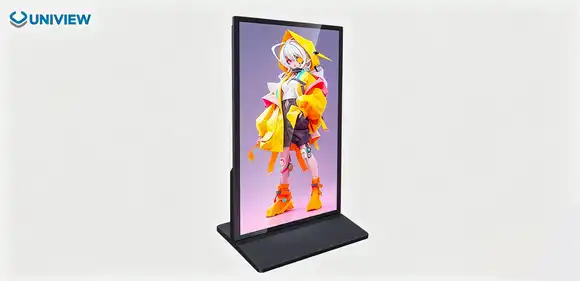
Understanding Indoor Free Standing Digital Signage and Its Role in Impulse Purchases
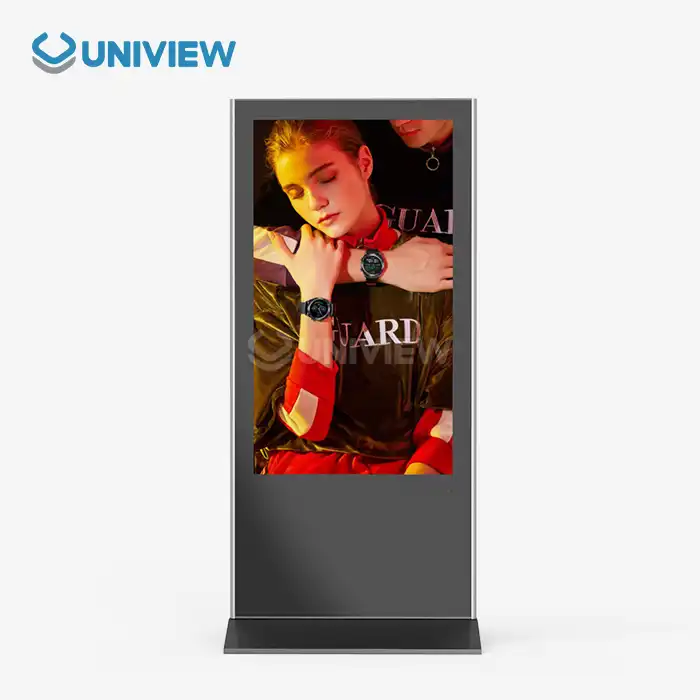
Indoor free standing digital signage is a type of business display device that can run continuously without needing to be mounted on a wall or supported from the outside. These units have industrial-grade LCD or LED screens inside sturdy vertical cases. They are different from regular TVs because they can be used 24 hours a day, seven days a week, and they can better control heat. The technology solves a basic problem with space: many modern store and office spaces have glass walls, open floor plans, or other architectural problems that make standard mounting impossible. When compared to ceiling-mounted or static signs, these screens increase dwell time and engagement rates by showing material at the best viewing heights and angles.
Touchscreen Versus Non-Touchscreen Configurations
Choosing between interactive and passive display styles relies on the needs of the business and how you want to involve your customers. Different types of touchscreens use 10-point PCAP (Projected Capacitive) technology and are covered by 4mm–6mm toughened glass with a Mohs hardness level of 7. This lets multiple people interact with the screen and keeps it safe in public places where it might be vandalized. These interactive units work great in places where people need to find their way, look through a list of products, or do self-service deals. Non-touchscreen types are only about delivering information. They don't have to be maintained as touch interfaces do, and they cost less to buy at first. Both setups support split-screen functionality, which lets video material, promotional images, and real-time data feeds through integrated content management systems all be shown at the same time.
How Free Standing Digital Signage Drives Impulse Purchases — A Systematic Breakdown
To make unexpected purchases, you have to get past the mental blocks that keep you from buying while you're looking. Traditional static signs can't compete with the emotional overload of modern stores, where people quickly block out things that aren't important to them. Digital screens deal with this problem by changing colors, moving images around, and adding motion, which keeps the visual scene fresh. Putting indoor free standing digital signage units in strategic places at decision zones—those important times when buyers are moving from looking to checking out—catch them when they are at their most open to new information.
Visual Appeal and Sensory Engagement Principles
Moving images and images with a lot of contrast catch people's attention. Digital signage takes advantage of these biological reactions by delivering information dynamically. Environmental psychology research shows that screens with human faces, product demos, or countdown timers make people feel things that go beyond their rational price judgment. High-brightness screens (450–700 nits) and Original A+ grade IPS technology work together to make sure that content looks great even when the lighting is changing. With split-screen, retailers can combine promotional messages with social proof like customer reviews, real-time buy updates, or limited-availability alerts. This creates a sense of urgency that helps people make decisions faster. Color temperature calibration makes sure that images of products stay true to life, which lowers customer complaints that hurt brand trust after the fact.
Choosing the Right Free Standing Digital Signage for Your Business
To choose the right gear, you need to carefully look at it from both a scientific and an operational point of view. The F-1 Criteria Screening Approach gives you a structured way to match the standards for the indoor free standing digital signage with the needs of your business. This method focuses on five main factors: screen size that fits the installation space, touchscreens that work with the way things need to be accessed, brightness levels that match the lighting in the room, and software ecosystem compatibility with the way things are already set up. Energy economy and ease of repair access are minor but still important factors to think about, especially when deploying multiple units in different places.
Resolution and Screen Size Considerations
Display clarity needs to match normal viewing distances so that information can be read without people having to get too close. Full HD (1920x1080) resolution on 43-55-inch panels works best in retail settings where people can see the screens from two to four meters away. This is because the pixel density makes text easy to read and videos clear. Larger screens (65 to 75 inches) can be used in corporate hallways or exhibition areas with long viewing distances. The 4K resolution (3840x2160) keeps the images from becoming pixelated when showing detailed architectural models or data visualizations. Choosing the right screen size also relies on how complicated the content is. Split-screen layouts that show multiple information streams need bigger forms to make sure that each element can be read, but single-message displays can be effective with any panel size.
Touchscreen Functionality and Interaction Design
Interactive features in indoor free standing digital signage are very useful in some release situations, but they also bring up upkeep issues that should be carefully thought through. When stores have "endless aisle" product browsing, touchscreens are helpful because they let customers look at out-of-stock sizes or color changes without help from staff. Touch-enabled wayfinding systems are used in corporate settings instead of basic guide boards that need to be updated by hand every time office assignments change. The long-lasting PCAP touch technology and toughened glass security make sure that the device will last even if it is used a lot every day. Procurement teams should make sure that touch-enabled models have antimicrobial coats and surfaces that can be cleaned. This is especially important now that people are more aware of how to keep public areas clean.
Brightness Requirements and Ambient Light Management
Different lighting problems can happen indoors, which has a direct effect on how well the show and information work. Normal stores with controlled ceiling lighting need 350 to 500 nits of brightness to keep the picture quality without making people's eyes tired. Higher specifications—600 to 700 nits—are needed for setups that face a window or are in areas with a lot of natural light to keep the content from being washed out during peak sunlight hours. Newer models have environmental light sensors that change the brightness of the lighting automatically, making it easier to see while also using less power. This dynamic brightness management makes panels last longer by preventing unnecessary wear and tear during times of low traffic and making sure they work at their best when customer density is high.
Best Practices for Maximizing the Impact of Indoor Free Standing Digital Signage Content
Technical specs alone can't ensure that people will buy something without thinking about it first. The content strategy is what determines whether investments in hardware lead to real sales results. When you use effective marketing, you strike a balance between how much you promote and how much information you give. This way, you avoid giving the impression of aggressive selling, which makes people refuse. Localization makes sure that content is relevant to different cultures and languages in different places, and real-time content changes keep things fresh, which makes regular viewers want to watch it again. Here are the main content improvement strategies that turn indoor free standing digital signage displays from passive sources of information into active sales tools:
Dynamic Content Rotation and Scheduling: Using time-based content variations keeps returning users from getting bored and makes sure that messages are in line with how customers think and feel throughout the shopping journey. Content in the morning might focus on speed and ease for people who are in a hurry to get to work, while content in the evening might focus on fun and relaxation. Seasonal rotation takes advantage of the way people shop around the holidays, with more and more promotions as important shopping dates get closer. Content management systems should be able to handle daypart scheduling and switch between creative versions instantly, without the need for human input.
Clear Call-to-Action Design: Every piece of material, including indoor free standing digital signage, should lead people to do certain things, like buy something right away, download an app, or sign up for a reward program. Visual hierarchy rules make sure that calls to action stand out by using opposing colors, smart placement, and size focus. "Scan now for instant savings" or "Limited quantities available today" are examples of action verbs and urgency signals that should be used in text to make decisions easier. Using QR codes connects digital and real-world experiences, letting buyers save information about deals for later review without stopping their current shopping flow.
Interactive Feature Implementation: Touchscreens are still not fully utilized when they are only used as information booths. More advanced apps create memorable experiences that improve brand loyalty while collecting useful customer data. Product configurators help people imagine how they can customize items like furniture in different fabrics and machines with different finishes. This makes people less likely to hesitate to buy because they can't picture what they want. Gamification features, such as spin-to-win games or trivia contests, make people stay on a website longer and feel good when they connect with a brand. These experiences include ways to collect data that are used to create customer profiles that will be used to personalize marketing in the future.
These tactics need to be constantly checked for effectiveness and improved based on conversion stats and ways for customers to give feedback. When launches go well, content is seen as an ongoing process of improvement rather than a one-time task of making.
Hardware-Specific Performance Considerations
How well content works rests on how well the hardware is set up and how the settings are. Brightness adjustment keeps images from looking washed out in places with a lot of natural light and keeps them from being too bright in places with little light, which can be uncomfortable for viewers. When choosing a resolution, you need to think about how complicated the content is. For example, detailed product photos need more pixels than simple text-based ads. Overheating can cause automatic dimming or shutdown routines that stop customer interaction, so thermal management becomes very important during long operation cycles. As part of regular upkeep, airflow should be checked to make sure that cooling systems don't get clogged with dust, which makes them less effective at removing heat.
Adapting to Traffic Patterns and Peak Hours
Foot traffic research shows patterns in time that should be used to guide both content strategy and hardware operation plans. Proximity sensors can only turn on content when watchers come within contact range. This saves energy during times of low traffic and makes sure that displays turn on before potential customers pass. Higher content rotation speeds are needed during busy buying times to handle more watchers, while slower rotation speeds during slow times give each viewer more time to process. Data integration with point-of-sale systems allows real-time inventory-responsive content, which promotes other goods automatically when highlighted items sell out. This stops the frustration of selling items that aren't available.
Conclusion
Indoor free standing digital signage that stands alone inside has become a strong way to get people to buy things on the spot in retail, business, and leisure settings. Strategic placement options, dynamic material, and the ability to connect customers at key decision-making times are what make the technology work so well. When set up with the right technical specs—like high-brightness panels, sturdy construction, and smart content management—these screens regularly do a better job of capturing impulse purchases than static options. To make procurement work well, you need to find a balance between the quality of the tools, the dependability of the suppliers, and the ongoing improvement of the content, all while working within the limits of your business's goals and operations.
FAQ
Q: What size indoor free standing digital signage works best for small retail spaces?
A: 43- to 49-inch displays work best in small retail spaces because they make an effect visually without taking up too much floor space. These sizes keep the text readable from normal viewing distances of two to three meters, while still allowing enough space for customers to move around. Designs with thin profiles and small bezels take up even less space, so they can be used in places like checkout lanes or narrow hallways where bigger forms would make things more crowded.
Q: How long do commercial-grade displays typically last under continuous operation?
A: Industrial LCD screens made for business use can work for more than 50,000 hours, which is about 5 to 7 years of nonstop use before the light drops to 50% of what it was at first. Compared to older CCFL technology, LED-backlit screens last longer, and proper temperature management through integrated cooling systems greatly increases lifespan by stopping heat-related component degradation.
Q: Do touchscreen features significantly increase impulse purchase rates?
A: Measurable involvement increases with interactive features, especially for complicated goods that need to be explained or customized. Retail data show that tablet displays get 15–25% longer dwell times than idle screens, which leads to more sales when combined with easy-to-use interface design. This extra value makes it worth the extra cost of investing in places where self-service or product teaching functions meet customer wants.
Reliable Indoor Free Standing Digital Signage Supplier: Partner with Uniview Commercial
With cutting-edge display systems that are built for longevity and performance, Uniview Commercial is your go-to indoor free standing digital signage maker. Our screens have high-brightness panels that range from 2000 to 4000 nits. They use quality offline-coated AR glass that makes images very clear even in dimly lit rooms. Each unit goes through strict outdoor simulation tests to make sure it can handle long-term exposure. The IP65/IP66 water and dustproof grades make sure it will work in a variety of installation settings. Our building is resistant to corrosion and uses cutting-edge European surface treatment technology. It also has 16-level wind resistance rates, double-layer anti-theft locks, and other features that protect your investment.
We know that putting up digital signs requires more than just good hardware. It also needs a relationship with a seller who cares about your business's success. Uniview Commercial offers a wide range of customization options to meet your exact needs. These are backed by longer warranties that last between 3 and 5 years and full quality security through China Pacific Insurance Company. Our world 24-hour online support team makes sure that people can get professional help no matter what time zone they are in or where they are located. We offer not only goods but also full solutions that get measurable results for clients in more than 100 countries and regions.
Improve your strategy for engaging customers by using cutting-edge display technology made to inspire casual purchases. You can talk to our expert team about your project needs, get full technical specs, or set up a product presentation by emailing sales@univiewlcdisplay.com. Learn how Uniview Commercial's indoor free standing digital signage solutions can turn your store into a dynamic sales engine by mixing high-quality construction with easy-to-use content management tools to give you a competitive edge that lasts.
References
1. Mehrabian, A. & Russell, J. A. (1974). "An Approach to Environmental Psychology." MIT Press, Cambridge, Massachusetts.
2. Burke, R. R. (2009). "Behavioral Effects of Digital Signage." Journal of Advertising Research, Vol. 49, No. 2, pp. 180-185.
3. Dennis, C., Newman, A., Michon, R., Brakus, J. J., & Wright, L. T. (2010). "The Mediating Effects of Perception and Emotion: Digital Signage in Mall Atmospherics." Journal of Retailing and Consumer Services, Vol. 17, No. 3, pp. 205-215.
4. Nordfält, J. (2011). "Improving the Attention-Capturing Ability of Special Displays with the Combination of Attention-Triggering Colors." Journal of Retailing and Consumer Services, Vol. 18, No. 6, pp. 169-173.
5. Roggeveen, A. L., Nordfält, J., & Grewal, D. (2016). "Do Digital Displays Enhance Sales? Role of Retail Format and Message Content." Journal of Retailing, Vol. 92, No. 1, pp. 122-131.
6. Poncin, I. & Mimoun, M. S. B. (2014). "The Impact of 'E-Atmospherics' on Physical Stores." Journal of Retailing and Consumer Services, Vol. 21, No. 5, pp. 851-859.

Learn about our latest products and discounts through SMS or email