- English
- French
- German
- Portuguese
- Spanish
- Russian
- Japanese
- Korean
- Arabic
- Greek
- German
- Turkish
- Italian
- Danish
- Romanian
- Indonesian
- Czech
- Afrikaans
- Swedish
- Polish
- Basque
- Catalan
- Esperanto
- Hindi
- Lao
- Albanian
- Amharic
- Armenian
- Azerbaijani
- Belarusian
- Bengali
- Bosnian
- Bulgarian
- Cebuano
- Chichewa
- Corsican
- Croatian
- Dutch
- Estonian
- Filipino
- Finnish
- Frisian
- Galician
- Georgian
- Gujarati
- Haitian
- Hausa
- Hawaiian
- Hebrew
- Hmong
- Hungarian
- Icelandic
- Igbo
- Javanese
- Kannada
- Kazakh
- Khmer
- Kurdish
- Kyrgyz
- Latin
- Latvian
- Lithuanian
- Luxembou..
- Macedonian
- Malagasy
- Malay
- Malayalam
- Maltese
- Maori
- Marathi
- Mongolian
- Burmese
- Nepali
- Norwegian
- Pashto
- Persian
- Punjabi
- Serbian
- Sesotho
- Sinhala
- Slovak
- Slovenian
- Somali
- Samoan
- Scots Gaelic
- Shona
- Sindhi
- Sundanese
- Swahili
- Tajik
- Tamil
- Telugu
- Thai
- Ukrainian
- Urdu
- Uzbek
- Vietnamese
- Welsh
- Xhosa
- Yiddish
- Yoruba
- Zulu
Indoor Free Standing Digital Signage for Events — Why Use It?
Indoor free standing digital signage changes how brands talk to people at events by giving them flexible, eye-catching screens that keep people's attention without having to be permanently installed. Providing dynamic, updatable content in temporary areas where hanging on the wall isn't possible is a big problem that event organizers have to deal with. These self-contained indoor free standing digital signage solve that problem. These stand-alone units put important messages right at eye level, which increases attendance and conversion rates. They can be used at trade shows, business workshops, or product launches. Because they are plug-and-play and have powerful visual features, they are the best choice for B2B clients who want to see a clear return on their event spending.
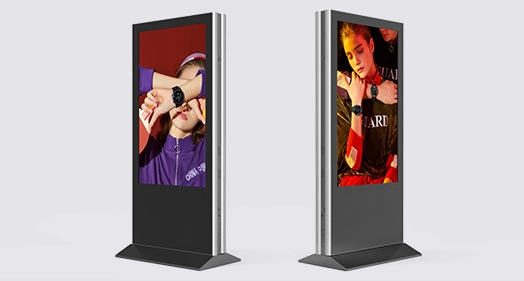
What Is Indoor Free Standing Digital Signage and How Does It Work?
Defining the Core Technology
Indoor free standing digital signage is made up of commercial-grade electronic display systems built into vertical enclosures that don't need any extra tools to place them. These units stand on their own thanks to weighted base plates that are built with anti-tip devices to keep them stable in areas with a lot of foot traffic. Unlike consumer TVs, they are made with industrial-grade parts that are rated to work nonstop 24 hours a day, seven days a week. They also have heat management systems that keep them working at temperatures from 0°C to 50°C. The screens, which are usually IPS LCD and have viewing angles of 178 degrees, have brightness levels between 350 and 700 nits that are set to work with the lighting inside without making people uncomfortable with too much glare.
Operational Architecture
The functional core of these systems is made up of many technology layers that work together. At the hardware level, Original A+ grade industrial screens have consistent colors and last longer than 50,000 hours of use. The frame is made of cold-rolled steel or an aluminum blend that has been powder-coated. This makes it durable and stylish enough for use in business settings. 4mm to 6mm toughened glass with a Mohs hardness level of 7 protects the screen and can handle the bumps and scrapes that happen in public places. Content management systems that support both Android and Windows platforms are used to handle software. These systems make it easy to schedule events remotely, get quick updates, and sync across multiple locations, which is very important for events that take place in more than one place or on more than one day.
Interactive Capabilities
Ten-point projected capacitive touch technology is often used in modern indoor free standing digital signage. This makes passive screens into engaging tools for involvement. This feature lets guests use easy-to-use touch screens to look through product catalogs, get detailed specs, or find their way around complicated venue plans. By adding barcode readers, payment systems, and data recording modules, these units become full-service customer service kiosks instead of just communication tools. Intelligent cooling systems change fan speeds based on internal thermal sensors, keeping operation below 60 dB even during heavy processing tasks. This is very important for keeping business events and dining sites professional.
Benefits of Using Indoor Free Standing Digital Signage for Events
Enhanced Attendee Engagement
The visual appeal of high-resolution digital displays makes event areas natural meeting spots, drawing people to branded content through motion graphics and bright images. Indoor free standing digital signage gets 400% more views than static displays, according to research done in stores. This is also true in show halls and meeting centers. Split-screen lets you show video demos, moving product features, and live social media feeds all at the same time, so you can keep viewers interested by showing them different types of material. Interactive touch screens let guests customize their information journey, which extends stay time from seconds to minutes—an important factor for qualifying leads and closing sales at B2B events.
Unmatched Flexibility in Deployment
One big benefit of portability is that it makes setup times much shorter, from days to hours for event apps. Because these pieces can be moved around without making any changes to the structure, they don't need any permits and can be put in any location. During multi-day conferences, event planners move displays around to make the best use of traffic patterns or to promote different sponsors during different parts of the program. While some models have safe construction and heavy weight, they still have hidden caster wheels built into their base sections. This lets a single person move the unit around. This ability to change quickly and easily is very helpful when dealing with the complicated logistics of shared display spaces where booth layouts change between events or when dealing with real-time attendance patterns that appear during the event itself.
Measurable Return on Investment
Digital screens with analytics tools change event marketing from a guessing game to a plan based on data. Built-in sensors keep track of how close viewers are, how long they interact, and how they interact with material, giving you useful information about which messages work best with your target groups. This ability to measure lets procurement managers use real success numbers instead of subjective evaluations to back up budget allocations. Using energy-efficient LED backlighting lowers running costs compared to older display technologies. Also, not having to print disposable signs and posters saves money over the course of multiple event deploys. Being able to remotely change content minutes before an event starts or in reaction to real-time events like sold-out goods or changes in the schedule cuts down on the waste that comes with old printed materials and makes operations more flexible.
Comparing Indoor Free Standing Digital Signage with Alternative Solutions
Advantages Over Fixed Installation Options
Wall-mounted and ceiling-suspended displays need to be structurally inspected, professionally installed, and often require permanent changes to the venue's infrastructure. These are all costs that make sense for permanent places but are not realistic for short-term events. These problems aren't a problem with indoor free standing digital signage because they come in their own boxes and are ready to use as soon as the power is connected. Floor-standing models let you position your eyes at eye level, which makes the best viewing geometry that ceiling-mounted screens have a hard time matching, especially in places with high ceilings or architectural obstacles. For event spaces with glass walls, rules about protecting historic buildings, or rental deals that don't allow wall penetration, indoor free standing digital signage options are the only ones that work. This means that these units are required rather than flexible for some venue types.
Performance Comparison with Traditional LED Displays
Traditional LED video walls have amazing size and brightness, but they usually need to be put together by professionals, with complicated wiring and technical supervision that most event staff can't handle. Indoor free standing digital signage combines these parts into unified packages that general event staff can handle. This cuts down on labor costs and technical complexity. The protected design keeps fragile electronics safe from the normal handling, temperature changes, and dust that happen when setting up and taking down an event. In indoor settings, the image quality from current LCD panels is as good as or better than that of modular LED tiles. They offer better contrast ratios and color accuracy without the noticeable pixel gaps that show up at close viewing angles, which is common at registration desks and product display areas.
Touch Versus Non-Touch Considerations
The choice between normal display-only units and engaging touch screens depends on the goals of the event and how the audience is supposed to be engaged. Touch-enabled systems cost more, but they can do things that passive displays can't. For example, they can turn signs into self-service information kiosks that cut down on staffing needs and boost attendee happiness by giving them instant access to detailed content. Non-touch screens are easier to maintain because they have fewer moving parts and safe surfaces that need to be cleaned. This makes them better for campaigns that want to spread information more than get people to interact with it. Event planners who want to stay within their budgets often use a mix of tactics. They put touch-enabled units in high-value contact places like registration areas and use non-touch displays in secondary circulation spaces to help people find their way and recognize sponsors.
How to Procure the Best Indoor Free Standing Digital Signage for Your Event
Critical Specification Assessment
The choice of screen size has to do with how much visibility you need and how much room you have. For most indoor event uses, 43- to 55-inch displays work well. Full HD (1920x1080) is the standard, and 4K (3840x2160) makes sure clarity on bigger screens or up close. Resolution is very important for material with detailed product images or small text. For most indoor lighting, brightness levels between 450 and 700 nits are ideal. These levels give off enough light to compete with natural light without making your eyes tired like outdoor-rated high-brightness panels do. Specifications for viewing angles of 178 degrees horizontally and vertically make sure that the material can be seen, and colors are true even when people come up from odd angles. This is especially important for indoor free standing digital signage placed at booth corners or circulation hubs.
Warranty and Support Considerations
When equipment breaks down during busy times, it can ruin whole marketing efforts. This is because event deployments have special dependability needs. A full guarantee that lasts for 3 to 5 years shows that the maker trusts the quality of the part and protects you financially in case it breaks down early. Global support infrastructure is very important for organizations that are in charge of events in multiple areas. Having 24-hour technical response skills keeps small problems from turning into crises that stop the events. Insurance backing from well-known underwriters like China Pacific Insurance Company shows that the maker is responsible and gives you more options than just the guarantee terms. Professional-grade suppliers are different from consumer-grade sellers that aren't ready to support business-critical projects because they have better documentation, more training tools, and easier access to technical experts.
Strategic Sourcing and Budget Planning
To find trustworthy makers and suppliers, you need to look at their track records in business installations instead of reviews of consumer products. Well-known brands like Samsung, LG, Sony, and Philips have large B2B support networks. On the other hand, niche makers like Uniview business only make business indoor free standing digital signage and can customize it in ways that mainstream brands can't. Prices change a lot depending on the features they have. Basic display-only units start at prices that most people can afford, while fully integrated interactive systems with high-end panels cost a lot more. Event companies and system designers who are in charge of multiple installations at the same time can save a lot of money by buying in bulk. This makes supplier relationships useful beyond individual transactions. Capital expenditures can be turned into reasonable operating costs through equipment rental. This is especially appealing for businesses that want to try indoor free standing digital signage strategies before committing to buying the equipment outright.
Installation, Content Management, and Maintenance Best Practices
Pre-Deployment Site Assessment
For setups to go well, the venue needs to be thoroughly surveyed to find the best places to put them so that they have the best sight, traffic flow, and power access. When it comes to stability, the type of flooring makes a big difference. For example, carpeted areas need different base layouts than tile or polished concrete. Ambient lighting analysis checks to see if normal brightness levels are enough or if brighter panels are needed near windows or when there is a lot of light from above. A network infrastructure review that looks at things like WiFi coverage, wired Ethernet access, and cellular signal strength makes sure that material is delivered reliably through the right means of communication. These early reviews keep expensive mistakes from happening during setup windows, when time constraints make it much harder to solve problems.
Content Management System Integration
CMS systems that are very advanced can turn individual indoor free standing digital signage into linked communication networks that can be managed from one central panel. Cloud-based systems let you change content from any device that is linked to the internet. This means that marketing teams can change their messages based on how events are changing in real time without having to physically access the displays. Scheduling tools automatically change the content, showing breakfast sponsors during morning sessions, then lunch sponsors in the middle of the day, and finally information about the evening gathering as afternoon sessions end. Enterprise CMS systems with template libraries and design tools make sure that the brand is consistent across all of their units while also letting them be localized for different event zones or audience groups. When you connect to data sources like registration systems, social media feeds, or live voting platforms, you can make dynamic content that changes based on what's happening right now instead of static loops that were designed ahead of time.
Ongoing Maintenance Protocols
Regular maintenance increases the life of equipment and keeps it looking professional during events that last more than one day and during multiple outings. Cleaning tempered glass surfaces every day with microfiber cloths and the right non-abrasive cleaners gets rid of dust and fingerprints without hurting the protection layers or the touch sensor's ability to work. When software changes are sent out outside of normal business hours, they include security patches and feature improvements that stop vulnerabilities and improve speed. Built-in diagnostic systems that check the temperature of the system warn workers of problems with the cooling system before they become major component failures. Regular checks of the power links stop power outages caused by loose cables. Guidelines for transporting displays using custom-made flight boxes with foam inserts protect them during the most dangerous parts of transporting and storing them: loading, transiting, and unloading.
Conclusion
Indoor free standing digital signage has gone from being a new technology to an important part of any business that wants to make an impact with event marketing. When you combine great visuals with operating freedom and measurable engagement, you get strong value propositions that make investment worthwhile in business, retail, hospitality, and exhibition settings. Display technologies are getting better, and content management platforms are getting smarter. This means that these systems will keep getting better and easier for businesses of all kinds to use. If procurement professionals know about the technical details, comparative advantages, and strategic deployment practices, they can help their companies get the most out of their event marketing investments by making decisions based on data and building partnerships with vendors based on performance rather than price alone.
FAQ
Q: What resolution works best for event digital signage?
A: The main things that determine the resolution needed are the size of the screen and the distance from which it is usually viewed. Full HD resolution (1920x1080 pixels) works best for screens between 43 and 55 inches when watched from more than four feet away, which is usually the case in show halls and lobby areas. For screens bigger than 65 inches or when people will be looking at detailed material up close, like on product specifications screens or interactive listings, 4K resolution (3840x2160 pixels) is recommended. Because 4K screens have more pixels per inch, text stays sharp and pictures stay clear even when looked at closely. However, this means that content files and processing needs grow in the same way.
Q: Can these displays adapt to different event types?
A: Commercial indoor free standing digital signage solutions are built with flexibility in mind from the start. Visual elements, messages, and interactive features can all be fully customized on content management platforms so that they fit the goals of an event and the needs of the business. A technology conference might focus on hands-on product demos with detailed technical specs, while an event for the hotel business might show off high-resolution photos of the site and customer reviews. The same hardware is used for corporate town halls with internal communication content, product launches in stores with promotional videos, and transportation hub wayfinding through map interfaces. Different content packages are loaded onto the hardware to meet the specific needs and expectations of each application and audience.
Q: How quickly can installation happen for events?
A: Installation times depend on many factors, but for normal setups, most deployments are finished in two to four hours per unit. People with basic technical knowledge can do simple setups like connecting the power and pairing the WiFi in less than an hour. More complicated installs that need to connect the wired network, load content, and calibrate interaction features may take up to half a day per place. Parallel processing helps multi-unit deployments because it lets teams work on multiple setups at the same time, shortening the total project length. Testing and validating material before the event and during setup avoids finding compatibility or layout issues at the last minute, which could ruin the experience for attendees once the event starts.
Partner with Uniview Commercial for Your Event Digital Signage Needs
With more than a decade of experience, Uniview Commercial is the world's top provider of indoor free standing digital signage. Our factory in Shenzhen makes high-tech LCD and LED signs with Original A+ grade IPS screens, brightness levels between 350 and 700 nits that are great for indoor events, and Mohs hardness level 7 tempered glass for safety. Each unit goes through strict quality checks and comes with a warranty that lasts for 3 to 5 years and covers everything from China Pacific Insurance Company. This security makes sure that your equipment will keep working even during the worst events.
Our engineering team specializes in custom solutions that meet the needs of each place. For example, they can make enclosures in colors that match a company's brand or mount them in unusual ways for difficult areas. The technical specs include dual-OS support for both Android and Windows platforms, built-in cooling systems that keep the device running at its best from 0°C to 50°C, and split-screen functionality that lets you show video, images, and data at the same time. We offer responsive global support 24 hours a day, 7 days a week, and have formed relationships in more than 100 countries. We don't just sell tools; we also provide full solutions backed by knowledge and accountability.
Find out how our indoor free standing digital signage can increase attendee interaction and produce quantifiable results by getting in touch with our team at sales@univiewlcdisplay.com to talk about your unique event needs. Ask for exact specs, set up product demonstrations, or look into ways to buy in bulk that will save you the most money. Let Uniview Commercial become your reliable partner in using cutting-edge digital communication technology to make events truly unforgettable.
References
1. Digital Signage Federation. (2023). "Commercial Display Standards for Event and Exhibition Applications." Industry Technical Report, Vol. 12.
2. Jensen, M. & Roberts, K. (2022). "Measuring ROI in Event Marketing Technology: Analytics and Engagement Metrics." Journal of B2B Marketing Communications, 18(3), pp. 127-145.
3. Thompson, L. (2023). "Comparative Analysis of Display Technologies for Indoor Commercial Applications." International Display Technology Conference Proceedings, pp. 203-219.
4. Williams, S. (2022). "Content Management Systems for Multi-Location Digital Signage Networks." Commercial AV Integration Quarterly, 15(2), pp. 54-68.
5. Zhang, H. & Kumar, P. (2023). "Material Science in Commercial Display Enclosures: Durability and Thermal Management." Applied Industrial Engineering Review, 29(4), pp. 312-328.
6. Anderson, T. (2022). "Best Practices for Temporary Digital Signage Deployment in Exhibition Environments." Event Technology Association White Paper, December 2022 Edition.

Learn about our latest products and discounts through SMS or email