- English
- French
- German
- Portuguese
- Spanish
- Russian
- Japanese
- Korean
- Arabic
- Greek
- German
- Turkish
- Italian
- Danish
- Romanian
- Indonesian
- Czech
- Afrikaans
- Swedish
- Polish
- Basque
- Catalan
- Esperanto
- Hindi
- Lao
- Albanian
- Amharic
- Armenian
- Azerbaijani
- Belarusian
- Bengali
- Bosnian
- Bulgarian
- Cebuano
- Chichewa
- Corsican
- Croatian
- Dutch
- Estonian
- Filipino
- Finnish
- Frisian
- Galician
- Georgian
- Gujarati
- Haitian
- Hausa
- Hawaiian
- Hebrew
- Hmong
- Hungarian
- Icelandic
- Igbo
- Javanese
- Kannada
- Kazakh
- Khmer
- Kurdish
- Kyrgyz
- Latin
- Latvian
- Lithuanian
- Luxembou..
- Macedonian
- Malagasy
- Malay
- Malayalam
- Maltese
- Maori
- Marathi
- Mongolian
- Burmese
- Nepali
- Norwegian
- Pashto
- Persian
- Punjabi
- Serbian
- Sesotho
- Sinhala
- Slovak
- Slovenian
- Somali
- Samoan
- Scots Gaelic
- Shona
- Sindhi
- Sundanese
- Swahili
- Tajik
- Tamil
- Telugu
- Thai
- Ukrainian
- Urdu
- Uzbek
- Vietnamese
- Welsh
- Xhosa
- Yiddish
- Yoruba
- Zulu
Indoor Standing Digital Display Ideas for Retailers
In the competitive retail landscape, businesses constantly seek innovative ways to capture customer attention and drive engagement. Indoor standing digital displays represent a revolutionary approach to retail marketing, combining mobility, visual impact, and interactive capabilities to transform ordinary shopping experiences into dynamic brand encounters. These freestanding digital solutions offer retailers unprecedented flexibility in content delivery, allowing for real-time promotional updates and strategic placement throughout store environments without permanent installation requirements.
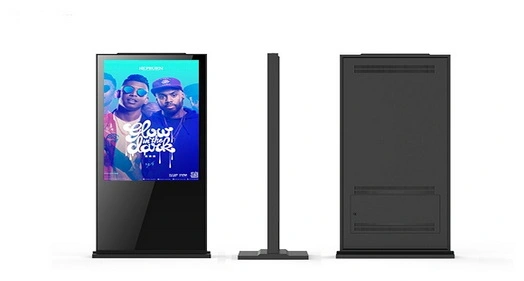
Understanding Indoor Standing Digital Displays for Retail
Indoor standing digital displays are sophisticated signage solutions engineered specifically for retail environments, designed to maximize customer engagement through strategic positioning and dynamic content delivery. Unlike traditional wall-mounted displays or fixed touchscreen kiosks, these versatile units provide exceptional mobility and placement flexibility that enables retailers to adapt their marketing strategies based on seasonal campaigns, customer traffic patterns, and evolving business objectives.
Key Technologies and Display Specifications
Modern digital signs units are made up of a lot of important parts that work together to make them work and last a long time. Usually, commercial-grade LCD screens have brightness levels between 450 nits for normal indoor settings and 700 nits for places with a lot of natural light. With IPS (In-Plane Switching) technology, these screens show colors consistently and have 160-degree horizontal and vertical viewing angles, which are important for getting people's attention from a variety of situations.
Options for display quality range from Full HD (1920x1080) to 4K UHD (3840x2160), and screen sizes usually come in 43", 49", 55", and 65" forms. Quality business displays have a Mean Time Between Failures (MTBF) of more than 60,000 hours, which means they can work reliably 24 hours a day, seven days a week in busy store settings. The latest models have anti-glare (AG) and anti-reflective (AR) surfaces that make them easier to read in places with overhead business lighting.
Hardware Architecture and System Integration
These days' standing screens have either ARM-based System-on-Chip (SoC) processors running Android for low-cost cloud signage uses or x86 OPS (Open Pluggable Specification) units supporting Windows or Linux for more complicated interactive computing needs. These systems allow for split-screen viewing, which means that video material, scrolling text, weather widgets, and advertising images can all be shown at the same time.
Intelligent thermal management systems use temperature-controlled fans and air cooling paths to get rid of the heat that backlight modules produce. This keeps liquid crystal clearing point problems from happening during extended use. Weighted base plates are used in the physical building to keep it stable and prevent it from falling over by mistake. This is an example of anti-topple design. Faceplates are made of 3mm to 6mm thermally tempered glass that has a Mohs hardness value of 7. This makes the glass resistant to damage and theft.
Energy Efficiency and Sustainability Considerations
The latest digital displays put energy economy first by using LED lights and smart brightness sensors that change output automatically based on the lighting conditions. Power use is usually between 150 and 300 watts, based on the size of the screen and the brightness level. This is a lot less than regular fluorescent-backlit displays. Many units have schedule features that turn them off immediately when they're not in use, which cuts down on costs and damage to the environment.
Best Use Cases and Benefits of Indoor Standing Digital Displays in Retail
Strategically deployment of indoor standing digital displays in high-traffic retail zones delivers measurable improvements in customer engagement, promotional effectiveness, and overall sales performance. These solutions excel in capturing attention at critical decision-making moments throughout the customer journey, from initial store entry to final purchase decisions.
Store Entrance and Welcome Areas
Putting digital displays at shop entrances makes an instant visual effect and lets customers know about current sales, seasonal campaigns, or brand messages. According to research, door displays that are put correctly can increase the time that customers stay in a store by 15 to 20 percent compared to static signs. Brand positioning and shopping standards are set by dynamic welcome material that includes high-resolution product images and strong calls to action.
Product Aisles and Category Zones
In product aisles, standing displays give information about products in context, cross-selling possibilities, and discounts for particular categories without having to change permanent fixtures. These boxes can be moved around with the seasons to accommodate new product displays and marketing plans. Customers can access thorough product specifications, customer reviews, and comparison information that affects their purchase choices through interactive features.
Retail analytics firms have found that carefully placed aisle displays can boost sales by 12 to 18% while lowering customer service calls by giving customers access to information on their own. The mobility advantage lets stores choose the best locations based on data about foot traffic and shopping trends during different times of the year.
Checkout Areas and Queue Management
Digital screens placed in checkout areas take advantage of the fact that people are waiting there and can't do anything else. Promotions for impulse purchases, signing up for a loyalty program, social media interaction campaigns, or news about future sales can all be included in content. More advanced queue management programs show customers how long they have to wait and send them to registers that are open, which increases business efficiency and customer happiness.
Measurable ROI and Performance Metrics
When retailers use complete digital display strategies, sales go up by 8 to 15 percent on average in areas with busy digital signage compared to control sites. Real-time content management lets you try promotional messages with A/B pairs, which lets you improve the efficiency of your marketing based on data. Integration with point-of-sale systems makes it possible to directly connect what's shown on the screen to how people behave when they buy something, which makes it easier to measure ROI accurately.
How to Choose the Best Indoor Standing Digital Display for Your Retail Business
Selecting optimal digital signage solutions requires comprehensive evaluation of technical specifications, operational requirements, and long-term business objectives. Procurement professionals must balance performance capabilities with budget constraints while ensuring compatibility with existing technology infrastructure and future expansion plans.
Screen Size and Resolution Considerations
The viewing distance, the type of material, and the amount of floor room you have all affect the choice of screen size. As a general rule, the minimum watching distance for best reading is 1.5 times the screen height. For 55-inch screens, the ideal distance for watching is between 6 and 8 feet, making them good for areas with moderate traffic and showing detailed material. Larger 65-inch screens, on the other hand, work well in places with high ceilings or where they need to be seen from farther away.
Resolution needs change depending on how complicated the content is and how close the viewer is. Full HD resolution is good for video presentations and bright advertising graphics, while 4K resolution is best for detailed product images and material with a lot of text. As guidelines for making material keep moving toward ultra-high definition formats, displays with higher density are also better prepared for the future.
Interactive Features and Touch Capabilities
Touch-enabled screens make it possible for customers to actively interact with information instead of just passively viewing it. Capacitive touch technology lets you connect with things at multiple points and is responsive. It can be used for things like product listings, figuring out your way, and interactive brand experiences. Touch capabilities, on the other hand, mean higher starting costs and ongoing care needs, especially in places with a lot of foot traffic where the screen needs to be cleaned more often.
When non-touch screens are combined with proximity sensors or mobile device connectivity through QR codes, they provide different ways to interact without the need for direct contact. This method cuts down on upkeep needs while still letting customers use their own gadgets to interact.
Comparative Analysis: LCD vs LED Technology
LCD screens are the most common type of monitor used in stores because they are accurate in colors, use little power, and are inexpensive. Commercial LCD screens have even brightness levels and can handle the long hours of use that are common in store settings. As a result of its higher brightness and longer lifespan, LED technology comes at a higher cost that may not be worth it for indoor uses where lighting is managed.
While OLED technology is a new choice that offers great contrast ratios and color brightness, it is currently too expensive and prone to burn-in to be widely used in stores. As OLED production improves in the future, it may become more useful for specific uses that need high-quality images.
Installation and Maintenance Best Practices for Retailers
Successful indoor standing digital display deployment requires careful planning of physical placement, power infrastructure, and network connectivity. Professional installation ensures optimal performance while protecting manufacturer warranty coverage and minimizing operational disruptions during deployment.
Installation Requirements and Considerations
Power needs usually include standard 110V AC connections, and surge safety is suggested to make tools last longer. There are different ways to connect to a network, such as wired Ethernet for the most reliable link and wireless connections for more creative placement in places where cable handling is hard to do. For remote tracking and material updates, content management systems need to be connected to the internet all the time.
Physical placement factors include making sure there is enough space for air flow, making sure upkeep tasks can be done easily, and finding a spot that gives the best view while still allowing safe pedestrian traffic flow. Stability and levelness of the floor surface keep the display from moving and give it a professional look.
Professional vs DIY Installation Options
Professional installation services know the best places to put things, how to organize cables, and how to set up systems so that they work with your home's electricity code and safety rules. Installation teams usually finish deploying each unit in two to four hours, which includes testing and teaching staff how to do basic tasks.
Businesses with technology know-how and easy deployment needs can still do their own installations. Self-installation is possible with the help of installation guides and video lessons from the manufacturer. However, for complex multi-unit deployments or difficult physical settings, it may be best to get professional help.
Routine Maintenance and Troubleshooting
Regular repair plans make sure that equipment works well and lasts a long time. Cleaning the screen once a week with microfiber cloths and approved cleaning products keeps it clear without hurting the protection coatings. Cleaners with alcohol should not be used because they can break down anti-reflective treatments over time.
As part of software maintenance, firmware updates, syncing of content management systems, and checks for storage device security are all done on a frequent basis. Keeping monthly maintenance logs that record operating hours, temperature readings, and performance metrics make it easier to plan maintenance and provide proof for warranty claims when needed.
Display connection issues, content playing issues, and touch screen calibration drift are all common problems that need to be fixed. Most manufacturer help tools offer remote diagnostics and step-by-step instructions for fixing common technical problems.
Future Trends and Innovations in Indoor Standing Digital Displays
The digital signage industry continues evolving through integration of artificial intelligence, Internet of Things (IoT) connectivity, and advanced analytics capabilities. These technological advances enable personalized content delivery and data-driven optimization that transforms retail environments into intelligent, responsive marketing platforms.
AI-Powered Content Personalization
When artificial intelligence is added, material can be changed in real time based on demographics, time of day trends, and past engagement data. Computer vision algorithms can figure out a customer's age, gender, and amount of attention so that they instantly see appropriate ads. Machine learning systems keep improving the accuracy of their targeting by looking at how customers interact with them and how many of them buy something.
Implementations that care about privacy rely on demographic research as a whole rather than identifying individual customers. This way, customers stay anonymous while still getting personalized experiences. These systems follow the rules for protecting data while also making marketing more effective by choosing the right material.
IoT Integration and Environmental Awareness
When connected to the Internet of Things, screens become smart network points that can sense their surroundings and change how they work based on that information. Sensors built into the monitor instantly adjust the settings for best visibility and energy economy based on changes in temperature, sound levels, and ambient lighting.
Advanced IoT systems connect many displays in stores so that advertising campaigns run at the same time and material is shown based on how many customers are in the store. Integration with current store management systems gives you a full picture of how well your marketing is working and how efficiently your business is running.
Modular Hardware and Upgrade Pathways
Future-looking display designs focus on modular construction, which lets you update parts without having to replace the whole unit. Swappable processor parts let you improve speed and update the operating system without having to replace the display. Through selected component refreshing, modular methods lower long-term ownership costs and increase the useful life of equipment.
Thanks to software-defined display, you can add more features by downloading apps and using cloud-based services. This method makes sure that displays keep up with new marketing tools and ways to connect customers without having to change the hardware.
Conclusion
Indoor standing digital displays represent transformative marketing tools that enhance customer engagement while providing retailers with unprecedented flexibility in promotional content delivery. The combination of advanced display technology, intelligent software integration, and strategic placement capabilities creates powerful platforms for driving sales growth and brand differentiation. Successful implementation requires careful consideration of technical specifications, installation requirements, and ongoing maintenance needs to maximize return on investment and ensure long-term operational success.
FAQ
Q: What is the expected lifespan of indoor standing digital displays in retail environments?
A: Under normal conditions, commercial-grade indoor standing digital displays made for stores should work well for 5 to 7 years with regular upkeep. Quality screens have an MTBF value of more than 60,000 hours, which is about 6.8 years of nonstop operation, 24 hours a day, seven days a week. Regular upkeep and the right conditions in the surroundings can make an operating life last longer than what the maker says it should.
Q: Can displays show multiple content types simultaneously?
A: These days, digital signs can show video, text that scrolls, still pictures, and live data feeds like weather or social media updates all at the same time using clever split-screen features. This multi-zone feature increases the amount of information while keeping the layout's visual appeal and readability across all content types.
Q: What financing options are available for bulk display purchases?
A: A lot of makers and wholesalers offer flexible ways to pay for their products, such as leasing tools, volume discount programs, and longer payment terms for large orders. Leasing choices usually have terms of 24 to 48 months, and at the end of the deal, you can choose to get new technology. Most of the time, volume prices start at 5 to 10 units, and the benefits get better as the order size grows.
Partner with Uniview Commercial for Premium Indoor Standing Digital Display Solutions
Uniview Commercial stands ready to transform your retail environment with industry-leading indoor standing digital display technology designed for superior performance and reliability. Our comprehensive product portfolio includes commercial-grade displays featuring brightness levels up to 4000 nits, IP65/66 environmental protection, and advanced thermal management systems engineered for demanding retail applications.
As a trusted indoor standing digital display manufacturer with over a decade of global experience, we provide complete customization capabilities, extended 3-5 year warranty coverage, and 24-hour international support services. Our dedicated procurement specialists work closely with retail partners to develop tailored solutions that maximize customer engagement while optimizing operational efficiency. Contact our expert team at sales@univiewlcdisplay.com to explore how our innovative digital signage solutions can enhance your retail success and schedule your personalized consultation today.
References
1. Digital Signage Federation. "Retail Digital Signage Market Analysis and Growth Projections." Journal of Digital Marketing Technology, 2023.
2. Retail Technology Institute. "Customer Engagement Metrics in Modern Retail Environments." International Retail Research Quarterly, 2023.
3. Commercial Display Manufacturers Association. "Technical Standards for Indoor Digital Signage Applications." Industrial Display Technology Review, 2023.
4. Marketing Analytics Society. "ROI Measurement Methodologies for Digital Retail Signage." Business Intelligence and Analytics Journal, 2023.
5. International Retail Design Association. "Environmental Considerations in Digital Display Deployment." Sustainable Retail Technology Magazine, 2023.
6. Global Procurement Council. "B2B Digital Signage Procurement Best Practices Guide." Supply Chain Management Review, 2023.

Learn about our latest products and discounts through SMS or email