- English
- French
- German
- Portuguese
- Spanish
- Russian
- Japanese
- Korean
- Arabic
- Greek
- German
- Turkish
- Italian
- Danish
- Romanian
- Indonesian
- Czech
- Afrikaans
- Swedish
- Polish
- Basque
- Catalan
- Esperanto
- Hindi
- Lao
- Albanian
- Amharic
- Armenian
- Azerbaijani
- Belarusian
- Bengali
- Bosnian
- Bulgarian
- Cebuano
- Chichewa
- Corsican
- Croatian
- Dutch
- Estonian
- Filipino
- Finnish
- Frisian
- Galician
- Georgian
- Gujarati
- Haitian
- Hausa
- Hawaiian
- Hebrew
- Hmong
- Hungarian
- Icelandic
- Igbo
- Javanese
- Kannada
- Kazakh
- Khmer
- Kurdish
- Kyrgyz
- Latin
- Latvian
- Lithuanian
- Luxembou..
- Macedonian
- Malagasy
- Malay
- Malayalam
- Maltese
- Maori
- Marathi
- Mongolian
- Burmese
- Nepali
- Norwegian
- Pashto
- Persian
- Punjabi
- Serbian
- Sesotho
- Sinhala
- Slovak
- Slovenian
- Somali
- Samoan
- Scots Gaelic
- Shona
- Sindhi
- Sundanese
- Swahili
- Tajik
- Tamil
- Telugu
- Thai
- Ukrainian
- Urdu
- Uzbek
- Vietnamese
- Welsh
- Xhosa
- Yiddish
- Yoruba
- Zulu
Indoor Standing Digital Screens That Grab Attention Fast
In today's competitive business landscape, indoor standing digital screens represent the pinnacle of visual communication technology, delivering unparalleled engagement rates that traditional static displays simply cannot match. These versatile digital signage solutions combine cutting-edge LCD and LED technology with strategic mobility, enabling businesses across retail, corporate, hospitality, and transportation sectors to captivate audiences instantly while maximizing brand impact through dynamic content delivery and interactive experiences.

Understanding Indoor Standing Digital Screens
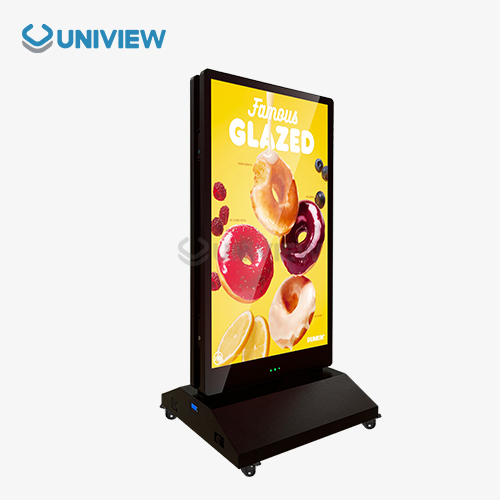
Digital screens that stand alone inside are flexible communication tools that have changed the way companies connect with their customers through moving visual stories. These high-tech gadgets combine advanced display technology with strategic placement features to create brand experiences that are more immersive than what standard signs can offer.
Core Features and Operational Technology
Modern indoor standing digital screens use industrial-grade panels with IPS or VA technology that are designed to work nonstop 24 hours a day, seven days a week, without losing images or slowing down due to heat. These commercial-grade displays usually have very high screen-to-body ratios. They achieve almost frameless images by using edge-to-edge toughened glass and frames that are less than 3.5 mm wide.
The operational backbone is made up of System-on-Chip (SoC) media players that make organizing and managing material easy. Advanced connectivity choices include HDMI, VGA, USB, and network-based streaming, which lets you control and update material in real time from afar. The anti-glare coating on display screens is strong enough to cut down on reflections from indoor lighting systems while keeping the best vision across 178°/178° viewing angles.
Display Panel Technologies and Software Integration
Most modern stand-alone displays use either LCD technology with LED backlighting or straight LED panel building. Each has its own benefits for different uses. LCD setups offer better color accuracy, covering more than 90% of the sRGB color space. This makes them perfect for stores where accurate product displays are very important. Different types of LEDs have very high brightness levels (2000 to 4000 nits), which makes them easy to see in bright environments.
Software integration features include being able to work with the most popular content management systems, which lets workflows be easily connected to current marketing platforms. These systems can handle many file types, such as MP4, AVI, and JPEG. They also come with schedule tools for automatic content rotation and cloud-based platforms for online tracking.
Typical Use Cases Across Industries
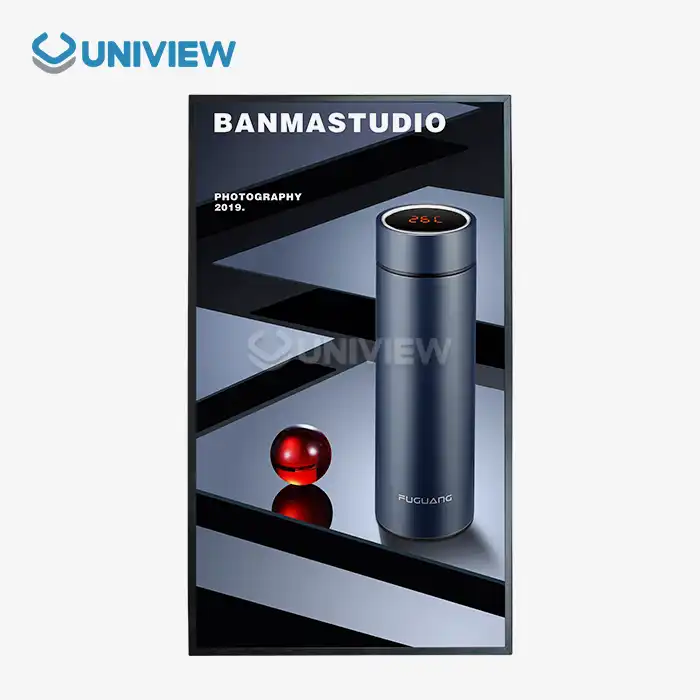
Indoor standing digital screens are used as digital posters and magic mirrors in high-end stores, where the full-screen look fits in perfectly with the store's design and shows high-resolution 4K fashion material. These screens are used as interactive directories in corporate halls. The zero-bezel design keeps dust from building up and makes upkeep easy.
Exhibition halls and art galleries use these units as synchronized video walls or as information points that stand alone. To keep the artistic atmosphere when spotlighting is used, they need to have strong anti-reflection qualities. They are used to help people find their way and get real-time information at transportation hubs, where their movement lets them strategically move based on how people are moving through the area.
Choosing the Best Indoor Standing Digital Screen for Your Business
To choose the best indoor standing digital screen, you need to carefully consider the technical specs that are compatible with your work setting and long-term goals. In this way of making decisions, many factors are looked at to get the best return on investment while also meeting certain performance standards.
Screen Size, Resolution, and Brightness Considerations
The size of the screen you choose will depend on how far away it is to be seen and how many people can fit in the room. Units with screens ranging from 32 to 86 inches can be used in a variety of settings. Larger screens are better for seeing in big lobbies or shopping areas. Content quality standards should be in line with resolution capabilities, and 4K screens should become standard for apps that need clear text and detailed product images.
Brightness standards are very important in places where the lighting isn't always the same. For normal office settings, 300 to 700 nits are usually enough for indoor uses. However, rooms with lots of windows or bright artificial lighting may need closer to 1000 nits. These requirements make sure that vision stays the same throughout the day, even if the lighting changes.
Touchscreen Capabilities and Interactive Features
Touch-enabled indoor standing digital screens support self-service, product listings, and wayfinding apps, which increase interaction. Capacitive touchscreen technology is better at responding and supporting multiple touches, while infrared touch systems are more durable in areas with a lot of foot traffic.
Some interactive features are proximity sensors, motion recognition, and the ability to connect to mobile devices via QR codes or NFC technology. These features let you collect data for analyzing customer behavior and offer personalized content based on how users interact with it and what they like.
Comparing Standing Units with Wall-Mounted Alternatives
Standing digital screens are much more flexible in how they can be installed and where they can be placed than wall-mounted systems. When you use mobile setups, you can move them strategically based on the needs of an event or the traffic patterns that change with the seasons. This way, you don't have to worry about structural mounting issues in leased spaces or temporary installations.
Some benefits of visibility are placing at the best viewing height and being accessible from all directions, so material can be seen from a variety of approaches. Some of the benefits of brand involvement include making it easier for handicapped users to use and adding extra hardware like payment systems or product dispensers.
How to Maximize the Impact of Indoor Digital Signage
Maximizing the usefulness of indoor standing digital screens requires careful planning that includes the right placement, interesting content design, and the use of advanced software to get measured business results. Professional implementation strategies make sure that the audience is fully engaged and that technology investments yield measurable returns.
Strategic Placement in High-Traffic Areas
Using human movement analysis to place displays at natural gathering points, decision-making spots, and transition zones in your building is an effective way to place them. According to research, displays that are placed at eye level and have clear lines of sight get more than 70% more interest than displays that are placed lower.
Studies of traffic patterns show that the best places to put things are at entrances where people naturally stop to get their bearings, in waiting areas where they can watch for longer, and at route crossings where people decide which way to go. Cross-selling chances are increased when related services or goods are close by, and displayed material is more relevant in this case.
Compelling Content Design and Interactive Interfaces
Visual order, color psychology, and message clarity that is best for people with short attention spans are all important for content to work. Dynamic ads with motion graphics and video content get a lot more interest than plain images. In fact, studies have shown that animated content keeps viewers for 400% longer.
Interactive platforms should have clear call-to-action buttons, responsive design features, and easy-to-use scrolling. Product research tools, virtual try-on options, and game-like experiences that encourage long-term interaction while gathering useful user data for future marketing campaigns are all examples of successful applications.
Advanced Software Tools and Analytics
Professional content management systems can automate schedules, let you watch from afar, and give you detailed data reports. These systems let you change content in real time, do A/B testing, and measure success with engagement data and tracking of conversions.
Analytics features include heat mapping to show where people are interacting with the screen, analyzing watching time, and gathering personal information through built-in cameras or sensors. This information lets content strategy and placement choices be improved all the time, and it shows stakeholders ROI through measurable performance gains.
Real-World Case Studies from Retail and Corporate Sectors
As a result of adding interactive product listings and style suggestions to their indoor standing digital screens, a well-known clothing store saw their average transaction value rise by 35%. Touchscreen displays with virtual fitting rooms and personalized outfit ideas based on items chosen were part of the rollout.
Implementing a corporate setting makes a big difference in how well employees and visitors can communicate and interact with each other. A global technology company put interactive directory systems in the university lobbies. This cut the number of questions asked at the front desk by 60% and increased guest happiness by letting them find their way around on their own.
Navigating the Procurement Process with Confidence
To ensure long-term practical success, it's important to carefully consider strategic supplier evaluation, detailed cost analysis, and thorough after-sales service when purchasing indoor standing digital screens. Professional buying practices reduce risks to the bare minimum while increasing value by making smart choices and forming strategic relationships.
Supplier Selection and Sourcing Strategies
When compared to distributor routes, direct manufacturer relationships often offer better value because they allow for customization, offer cheap prices, and give direct access to expert support. Established companies with locations around the world make sure that quality standards are always met, that supply lines are reliable, and that warranties cover everything and are backed by foreign service networks.
When looking at possible providers, you should look at their producing skills, quality certifications, and reviews from past customers. Suppliers should show that they follow international standards by getting approvals like CE, FCC, and RoHS. They should also write down how they test and control quality.
Cost Considerations and Bulk Purchase Benefits
The original purchase price is only one part of the total cost of ownership. Other costs include setup, upkeep, software license, and running the business. Most of the time, bulk buying deals cut costs by 15 to 25 percent while making sure that the same specifications are used in all places. This makes maintenance and content management easier.
When making a contract, these are the main cost factors to think about:
• The price is directly related to the hardware specs and the level of customization needed. Standard setups are cheaper than solutions that need a lot of modification.
• Service level agreements and warranty coverage affect long-term costs of doing business. They should cover all parts and work.
• The total cost of a project can be affected by how hard it is to install and how much work needs to be done to prepare the spot.
• Software licenses and content management platform fees are ongoing costs that change based on the number of users and the features that are needed.
These cost factors help you make a good budget plan and find ways to save money by negotiating with suppliers strategically and making sure that the specifications are perfect.
Professional Installation and Maintenance Plans
Professional installation guarantees the best performance and protects the contract through the use of trained technicians. Installation services should include site studies, figuring out what wiring needs to be done, setting up the network, and thorough testing to make sure everything works before handing over the keys.
Through regular cleaning, software updates, and component checks, preventive maintenance programs make devices last longer and reduce unplanned downtime. Service agreements should spell out reaction times, the availability of replacement parts, and how to get in touch with technical help so that operations run smoothly all the time.
Financing Options and Delivery Solutions
Flexible financing choices, such as leases, longer payment terms, and equipment-as-a-service models, help you get the most out of your budget while also speeding up the project implementation timeline. Maintenance and repair plans are often part of these agreements. This lowers long-term financial obligations while still allowing access to the newest technology.
For jobs that need to be finished quickly, the ability to produce quickly is very useful. Reliable providers offer fast production and logistics services. Global supply chain management makes sure that goods are always available, no matter where they are in the world, and area service networks help people in need locally.
Future Trends and Innovations in Indoor Standing Digital Screens
Innovative new technologies are changing indoor standing digital screens in new ways, including better panel designs, smart software integration, and eco-friendly changes that make operations more efficient while lowering their impact on the environment. By understanding these trends, you can make plans for future technology purchases and gain a competitive edge.
Advancements in LED and OLED Panel Technology
Next-generation LED screens use micro-LED technology, which makes them brighter all the way through, lasts longer (more than 100,000 hours), and uses less energy, which cuts costs by up to 40%. The color accuracy of these screens is very good, and they work the same way in a wide range of temperatures and different environmental situations.
The latest development in OLED technology makes ultra-thin forms possible with perfect black levels and endless contrast ratios. This makes for stunning visual experiences that work especially well in high-end brand settings. Flexible OLED screens make it possible for displays to be bent and for new shapes to fit in with building elements without any problems.
Integration of AI and IoT for Intelligent Signage
Adding artificial intelligence lets material be automatically optimized based on information about the audience, the surroundings, and past engagement data. Smart screens can instantly change the brightness, content, and interactive features to be as useful as possible while lowering the amount of management that needs to be done by hand.
Connecting things to the internet of things (IoT) lets you do forecast maintenance by constantly checking the health of parts, environmental sensors, and usage trends. Through cloud-based data tools, this combination makes it easier to schedule services ahead of time, do remote diagnostics, and improve performance.
Interactive and Personalized Content Through Data Analytics
Advanced analytics systems use information about how users interact with material to give them more personalized experiences, which increases interest and improves conversion rates. Machine learning systems find trends in how people use the internet. This lets content change on the fly and messages be sent to specific people based on their likes and dislikes and demographic information.
Collecting data in a way that doesn't invade users' privacy through anonymous analytics gives us useful information about how customers act while still respecting their privacy. This knowledge makes it possible to keep improving content strategy and user experience without putting data security at risk.
Sustainability and Energy Efficiency Considerations
Advanced power management systems, LED light optimization, and intelligent brightness control are all used in energy-efficient designs to keep electricity use as low as possible. These changes often save 30 to 50 percent of the energy used by older screens while still providing better visual performance.
Materials and production methods that are good for the environment help companies meet their sustainability goals while also lowering their long-term environmental impact. Circular economy principles and business responsibility goals are helped by parts that can be recycled, less packing, and products that last longer.
Conclusion
Indoor standing digital screens represent transformative technology solutions that revolutionize audience engagement across diverse business environments. Through strategic selection, professional implementation, and advanced content management, these displays deliver measurable improvements in customer experience, brand recognition, and operational efficiency. The continuous evolution of display technology, combined with intelligent software integration and sustainability improvements, ensures long-term value while positioning businesses for future growth and competitive advantage in an increasingly digital marketplace.
FAQ
Q: What is the typical lifespan of indoor standing digital screens?
A: While being used continuously, commercial-grade indoor standing digital screens usually work effectively for 50,000 to 100,000 hours, which is about 8 to 12 years of normal business use. The length of time an item lasts depends on how it is used, its surroundings, and how well it is maintained. In general, LED screens last longer than traditional LCD technology.
Q: How do maintenance requirements compare between standing and wall-mounted units?
A: When it comes to regular upkeep, cleaning, and part replacement, standing digital displays are easier to get to than wall-mounted ones. The mobile design makes it easy to get to connection ports, ventilation systems, and internal parts without the need for special tools or supports. This cuts down on maintenance time by 60–70% on average.
Q: Are digital screens compatible with existing marketing software ecosystems?
A: Through API interaction and standard methods, modern digital signage solutions work well with many popular marketing platforms, such as CRM systems, content management platforms, and analytics tools. Most systems can read and write common file types and are compatible with major software ecosystems, so they can be easily added to current processes.
Q: What network connectivity options are available for indoor displays?
A: Wi-Fi, Ethernet, cellular, and hybrid setups are all available on modern indoor standing digital screens. Cloud-based content management lets you make changes and keep an eye on things from afar, and local storage makes sure that operations can keep going even when the network goes down. For places with limited fixed network infrastructure, advanced units can join via 4G or 5G.
Q: How quickly can content be updated on indoor standing digital screens?
A: Network-connected displays can show content changes in real time, which lets people use instant messaging for things like emergencies or ads that need to be seen quickly. Scheduled updates can be set up ahead of time, and direct updates through USB or network links usually only take a few minutes, though this depends on the size of the file and the display's working power.
Transform Your Business Environment with Uniview Commercial Indoor Standing Digital Screens
Ready to revolutionize your customer engagement and brand visibility? Uniview Commercial delivers industry-leading indoor standing digital screens engineered for superior performance across retail, corporate, hospitality, and transportation environments. Our expert team provides personalized consultations, comprehensive demonstrations, and competitive pricing tailored to your specific requirements. Contact our dedicated specialists at sales@univiewlcdisplay.com to discover how our premium digital signage solutions can transform your business communications while maximizing your technology investment returns.
References
1. Digital Signage Industry Report: Market Trends and Growth Projections for Commercial Display Technology, 2024
2. Interactive Display Systems: A Comprehensive Analysis of Touch Technology Applications in Business Environments
3. Energy Efficiency Standards for Commercial Digital Signage: Environmental Impact and Cost Analysis
4. Customer Engagement Metrics in Retail Digital Signage: Comparative Study of Static vs. Dynamic Content Performance
5. Professional Installation Guidelines for Commercial Indoor Display Systems: Best Practices and Safety Standards
6. Advanced Content Management Systems for Digital Signage: Integration Strategies and ROI Optimization Techniques
Learn about our latest products and discounts through SMS or email