- English
- French
- German
- Portuguese
- Spanish
- Russian
- Japanese
- Korean
- Arabic
- Greek
- German
- Turkish
- Italian
- Danish
- Romanian
- Indonesian
- Czech
- Afrikaans
- Swedish
- Polish
- Basque
- Catalan
- Esperanto
- Hindi
- Lao
- Albanian
- Amharic
- Armenian
- Azerbaijani
- Belarusian
- Bengali
- Bosnian
- Bulgarian
- Cebuano
- Chichewa
- Corsican
- Croatian
- Dutch
- Estonian
- Filipino
- Finnish
- Frisian
- Galician
- Georgian
- Gujarati
- Haitian
- Hausa
- Hawaiian
- Hebrew
- Hmong
- Hungarian
- Icelandic
- Igbo
- Javanese
- Kannada
- Kazakh
- Khmer
- Kurdish
- Kyrgyz
- Latin
- Latvian
- Lithuanian
- Luxembou..
- Macedonian
- Malagasy
- Malay
- Malayalam
- Maltese
- Maori
- Marathi
- Mongolian
- Burmese
- Nepali
- Norwegian
- Pashto
- Persian
- Punjabi
- Serbian
- Sesotho
- Sinhala
- Slovak
- Slovenian
- Somali
- Samoan
- Scots Gaelic
- Shona
- Sindhi
- Sundanese
- Swahili
- Tajik
- Tamil
- Telugu
- Thai
- Ukrainian
- Urdu
- Uzbek
- Vietnamese
- Welsh
- Xhosa
- Yiddish
- Yoruba
- Zulu
Portable LED Display Kiosk – Easy Setup & Relocation
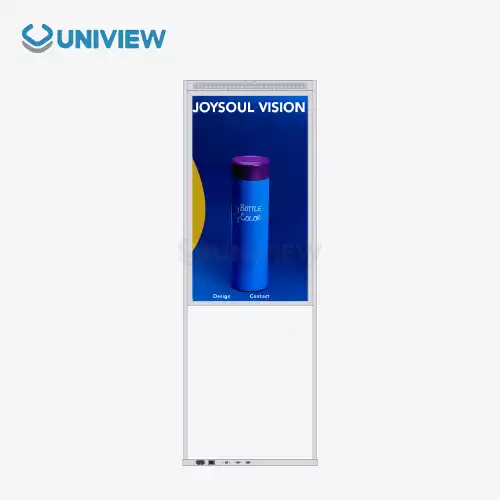
Businesses today need digital sign options that work well visually and are easy to set up and use. The next step in this development is a portable LED display kiosk, which lets businesses show amazing visual material while still being able to move and set it up in a variety of ways. These cutting-edge display systems combine advanced LED technology with lightweight design, making them easy to set up and move to different locations. Portable display kiosks have changed how businesses use visual communication tactics that change over time. They are now used for trade shows, company events, store promotions, and short-term advertising campaigns.
Understanding Portable LED Display Kiosks
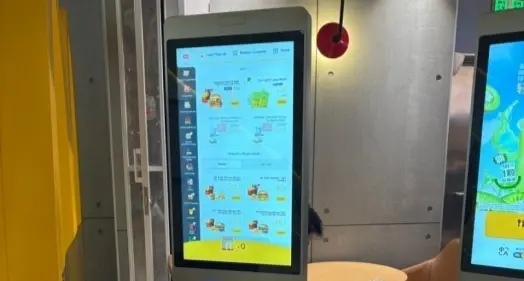
Portable LED display kiosks are a completely new way to use digital signs because they combine cutting-edge LED technology with the ability to move around easily. These new solutions are different from traditional fixed installations because they have lightweight aluminum frames, modular panel designs, and advanced move mechanisms that let businesses put up powerful visual messages anywhere they work.
Core Components and Technology
Three important parts make up the core of any good portable display system: high-quality LED screens, advanced control systems, and built-in mobile features. Surface-mount device technology is used by modern LED screens to get very high light levels while still being energy efficient. Control systems have features like wireless connection, content management, and online tracking that make operations easier in a variety of deployment situations. Transport systems for different types are very different, ranging from flight cases on wheels to frame systems that can be taken apart into doable pieces. The best designs favor tool-free assembly, which cuts setup time from hours to minutes and makes sure that the structure stays strong even after multiple deploys.
Benefits for B2B Operations
The operating freedom that portable displays offer is especially useful for business-to-business uses. Rather than installing fixed equipment at each site, purchasing managers like how cost-effective it is to use a single unit for multiple events. Engineers like that the standard connection choices and accurate performance measures make it possible for content delivery to be the same, no matter the deployment setting. Portable solutions are especially appealing to system designers because they make project planning easier and let them serve more clients who need temporary or seasonal displays. Being able to offer "turnkey" display options without making lasting changes to infrastructure creates new income possibilities and makes installation easier.
Types and Features of Portable LED Display Kiosks
The market for movable displays includes a wide range of products that are made to work in different settings and with different operating needs. By knowing about these differences, procurement workers can choose systems that work perfectly with the tasks they want to do and meet their performance standards.
Indoor vs. Outdoor Applications
When used in places with controlled lighting, indoor portable screens that focus on pixel resolution and color accuracy do the best. These units usually have brightness levels between 800 and 1,500 nits, which are best for places with a lot of natural light, like showrooms, corporate buildings, and stores. Advanced color correction makes sure that the viewing quality stays the same over long periods of time. Outdoor movable booths focus on being resistant to weather and having high-brightness features that are necessary for use outside. These tough systems have light levels higher than 3,000 nits and are rated IP65 or IP66 for safety against dust and water getting in. Temperature control systems keep working at their best even in the worst weather, which increases business reliability in tough places.
Interactive vs. Non-Interactive Options
With touchscreens, portable displays can turn boring watching into fun, collaborative activities. These systems use capacitive touch technology, motion recognition, and the ability to support multiple users to make brand experiences more engaging. Interactive features are especially useful in store settings, product demos, and educational settings where user participation directly affects how well a campaign works. Non-interactive screens are best for broadcasting, where getting the information to the viewer quickly is more important than letting them interact with it. Compared to their interactive peers, these streamlined systems usually have better brightness performance, use less power, and require less upkeep.
Size and Resolution Considerations
There are many types of portable displays, ranging from small 32-inch units that can be used for talks at a table to large movable video walls that are over 100 inches diagonal. Resolution options range from Full HD (1920x1080) for basic uses to 4K (3840x2160) and higher for high-end setups that need very clear images. Modular designs let you make your own arrangements that fit the needs of the space and the viewing lengths of your audience. This scalability makes sure that the visual effect is at its best while keeping shipping and setup time to a minimum in a wide range of deployment situations.
Setting Up and Maintaining Your Portable LED Display Kiosk
To successfully use portable displays, you need to follow organized setup steps and keep them in good shape in a way that makes them last longer and work better. Modern portable systems are made with features that make these tasks easier, so even people who aren't tech-savvy can regularly get professional results.
Site Assessment and Preparation
A thorough site review that looks at things like power supply, structural issues, and environmental factors is the first step to a successful rollout. Power needs are very different for indoor and outdoor use. For example, high-brightness screens need their own electrical lines to make sure they work properly. Understanding these standards keeps deployments from being held up and makes sure that performance is stable during the whole event. Ambient lighting, wind conditions, and extreme temperature changes all have a direct effect on how well and safely a show works. By doing a proper site survey, teams can put in place the right remedies, such as extra anchoring systems or environmental shelters that keep sensitive parts safe.
Step-by-Step Setup Process
Modern portable screens focus on easy-to-use setup steps that don't require a lot of technology know-how. Connectors that don't need tools, colored parts, and built-in wire management systems make setup faster and less likely to go wrong. With two people, the most efficient methods can be put together in less than 30 minutes. Content loading and system settings are important steps in the setup process that determine the success of the launch. Modern screens have wireless content management systems that let programming and changes happen from afar and in real time during the event. This feature is very useful for programs that need to schedule changeable content or send last-minute message changes.
Maintenance and Energy Efficiency
Preventive repair makes sure that equipment works the same way in all operations and extends its useful life. Cleaning regularly gets rid of outdoor pollutants that can affect how well heat is managed and how well things look. Schedules for inspecting components find possible problems before they affect the efficiency of operations. Strategies for energy saving cut down on costs while also helping to protect the environment. Smart heat management systems, brightness optimization, and power-saving modes all work together to save a lot of energy without affecting the visual effect. These features are especially useful for long-term missions where power costs directly affect operating budgets.
How to Choose the Right Portable LED Display Kiosk for Your Business?
To choose the best portable display options, you have to think about performance needs, practical limitations, and budgets in a number of different application situations. When making a good purchase choice, you should think about the total cost of ownership, which includes the costs of buying, running, and maintaining the equipment over its expected lifetime.
Performance Specifications
Brightness is the most important performance factor for portable screens because it affects how well they can be seen and how engaged the audience is in a variety of settings. For indoor uses, 800-1,500 nits are usually enough, but for outdoor use, 3,000+ nits are needed to deal with problems caused by natural light. By choosing the right lighting settings, you can get the best visual effect while also saving power. The resolution needed depends on the type of content and the viewing distance that are popular for the program. Text-heavy material needs more pixels per inch than image or video presentations. By understanding these connections, buying teams can choose solutions that meet performance standards without overstating their powers while also being cost-effective.
Durability and Reliability Factors
Transport longevity decides how long portable display systems can work after being set up and moved many times. Quality construction with reinforced frames, impact-resistant panels, and secure shipping cases keeps delicate parts safe and calibration accuracy high. Professional-grade systems are made with shock-absorbing materials and safe mounting systems that keep working after hundreds of deployments. When using something outside or in a place with tough weather, weather protection is very important. IP-rated casings, materials that don't rust, and sealed wire links make sure that the equipment works reliably no matter the weather. These features are necessary for situations where broken tools could ruin an event or hurt a brand's image.
Budget and ROI Considerations
To figure out the total cost of ownership, you have to add up the costs of buying the equipment, running it, and maintaining it over the expected lifetime of the item. Even though luxury systems cost more at first, they often end up being more valuable in the long run because they are more reliable and come with longer guarantees. When you do a return on investment study, you should look at both the direct and indirect benefits, such as brand visibility, lead generation, and better operating efficiency. Portable displays often have a higher return on investment (ROI) than traditional forms of advertising because they can be used in specific areas and provide measurable results for audience interaction.
Real-World Applications and Case Studies
It's amazing how portable LED display kiosks can be used in so many different fields and situations, from retail stores to public advertising efforts. Organizations looking at similar technologies for their business needs can learn a lot from looking at successful uses.
Retail and Trade Show Applications
It is common for stores to use portable displays to make product displays that change with the seasons and special events. A big electronics store put up portable video walls in 50 sites and got 35% more people to interact with their products and 22% more sales than with static screens. Because it was mobile, the placement could be adjusted based on foot traffic patterns and product setting for the season. When it comes to trade shows, portable displays are especially useful because they are easy to set up and make a big impression. Event managers say that exhibitors who use portable systems save a lot of money because they cut down on the time it takes to set up the place and the amount of electrical equipment that is needed.
Corporate and Hospitality Implementations
Portable screens are used in corporate settings for presentations, wayfinding, and internal messages that need to be able to be moved around and have their information updated quickly. A global company put portable kiosks in all of its meeting rooms. These kiosks showed dynamic room assignments and real-time event information, which made attendees 28% happier with their experiences. Hospitality applications range from event signage to outdoor dining promotions, where weather resistance and mobility enable responsive marketing strategies. Hotels say they get more event bookings when they use portable displays for wedding shows and conference marketing that can be moved around depending on the season.
Transportation and Outdoor Advertising
Transportation hubs use portable displays for emergency messaging, promoting, and giving information to passengers. These displays need to be able to be set up and moved quickly. Authorities at the airport like that they can move displays around to accommodate changes in terminal traffic and building work while still upholding the same standards for customer communication. By putting up portable displays in high-traffic areas during busy viewing times, outdoor advertising campaigns can target people more precisely than ever before. Advertising firms say that using data-driven location optimization and real-time content updates makes campaigns 40–60% more effective than using static sign placements.
Conclusion
Portable LED display kiosks have changed digital signs by mixing great visual performance with the greatest freedom in how they can be used. With these new options, businesses can send powerful visual messages in a variety of settings, all while keeping costs low and operations running smoothly. Portable displays give businesses the flexibility they need in markets that change quickly, whether they're using them for store sales or company events. As time goes on, the technology keeps getting better, with higher brightness, longer longevity, and easier setup steps that make more uses possible. Companies that buy good portable display solutions are ready to take advantage of new possibilities and keep their brand experiences uniform in all deployment situations.
FAQ
What is the typical lifespan of a portable LED display kiosk?
In normal settings, a good portable LED display should work effectively for 50,000 to 100,000 hours, which is about 10 to 15 years of frequent use. Lifespan is affected by the setting in which it is used, how it is maintained, and how often it is used. Outdoor uses may have slightly shorter lifespans because of the stresses of the environment, but with the right care, indoor units often last longer than the manufacturer's recommendations.
How quickly can portable LED kiosks be set up and relocated?
Modern portable screens can be set up by two people in 15 to 30 minutes, based on how big and complicated they are. Breakdown and moving usually take about the same amount of time. Advanced modular designs with tool-free links make setup even faster, which means that for urgent needs, same-day moves are possible.
What customization options are available for branding?
Portable screens can be changed in a lot of ways, such as by choosing their own colors, having their own carrying cases, and having built-in mounting systems for logos and company images. Customizing software lets you make unique interfaces, content templates, and company color schemes that make sure your brand looks the same in all of your apps.
How do weather conditions affect outdoor portable display performance?
With the right weather protections, good outdoor portable screens work consistently in temperatures ranging from -20°C to +50°C. The IP65/IP66 grades make sure that the device will work reliably in dust and rain. Different models have different wind resistance. Professional systems can withstand steady winds of up to 60 mph when they are properly grounded.
What power requirements do portable LED kiosks typically need?
Power needs are very different depending on the size and brightness of the screen. Small indoor units can work on standard 120V/15A circuits, but big outdoor screens need 240V/30A+ connections. A lot of new screens have energy-saving features that make them 30–50% less power hungry than older technologies.
Partner with Uniview Commercial for Superior Portable LED Display Solutions
Uniview Commercial is a reliable company that makes LED display kiosks. They offer cutting-edge portable display options that work very well and are always reliable. Our engineering know-how and ability to make products all over the world make sure that you get high-quality systems that are made for tough B2B uses in retail, business, leisure, and outdoor advertising settings.
Our portable LED display screens have the best specs in the business, like 2000–4000 nits of brightness, IP65/IP66 environmental protection, and a build that doesn't rust and can handle tough deployment conditions. We give your businesses the dependability they need with guarantees that last 3 to 5 years and full global support.
Experience the Uniview Commercial edge with our unique solutions, low prices, and top-notch technical support. Get in touch with us at sales@univiewlcdisplay.com to find out how our portable LED display technology can change the way you communicate visually and help your business achieve measurable goals.
References
1. "Digital Signage Market Analysis: Portable Display Technology Trends and Growth Projections 2024-2028." Global Display Technology Research Institute, 2024.
2. Chen, Michael. "Comparative Analysis of LED Display Durability in Outdoor Applications." Journal of Electronic Display Technology, Vol. 45, No. 3, 2024.
3. "Energy Efficiency Standards for Commercial LED Display Systems." International Energy Conservation Association, Technical Report IEC-2024-07.
4. Rodriguez, Sarah, and Johnson, David. "ROI Analysis of Portable vs. Fixed Digital Signage Installations." Business Technology Quarterly, Spring 2024 Edition.
5. "Environmental Impact Assessment of Modern LED Display Technologies." Environmental Technology Assessment Board, Research Publication ETA-2024-12.
6. Williams, Robert. "Setup Efficiency and User Experience in Portable Display Systems." Digital Signage Professional Magazine, Issue 8, 2024.
Learn about our latest products and discounts through SMS or email