- English
- French
- German
- Portuguese
- Spanish
- Russian
- Japanese
- Korean
- Arabic
- Greek
- German
- Turkish
- Italian
- Danish
- Romanian
- Indonesian
- Czech
- Afrikaans
- Swedish
- Polish
- Basque
- Catalan
- Esperanto
- Hindi
- Lao
- Albanian
- Amharic
- Armenian
- Azerbaijani
- Belarusian
- Bengali
- Bosnian
- Bulgarian
- Cebuano
- Chichewa
- Corsican
- Croatian
- Dutch
- Estonian
- Filipino
- Finnish
- Frisian
- Galician
- Georgian
- Gujarati
- Haitian
- Hausa
- Hawaiian
- Hebrew
- Hmong
- Hungarian
- Icelandic
- Igbo
- Javanese
- Kannada
- Kazakh
- Khmer
- Kurdish
- Kyrgyz
- Latin
- Latvian
- Lithuanian
- Luxembou..
- Macedonian
- Malagasy
- Malay
- Malayalam
- Maltese
- Maori
- Marathi
- Mongolian
- Burmese
- Nepali
- Norwegian
- Pashto
- Persian
- Punjabi
- Serbian
- Sesotho
- Sinhala
- Slovak
- Slovenian
- Somali
- Samoan
- Scots Gaelic
- Shona
- Sindhi
- Sundanese
- Swahili
- Tajik
- Tamil
- Telugu
- Thai
- Ukrainian
- Urdu
- Uzbek
- Vietnamese
- Welsh
- Xhosa
- Yiddish
- Yoruba
- Zulu
Premium LED Display Kiosk for Retail & Advertising Campaigns
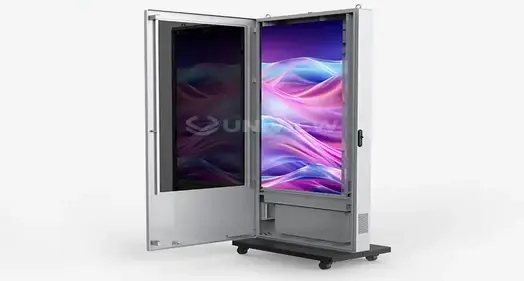
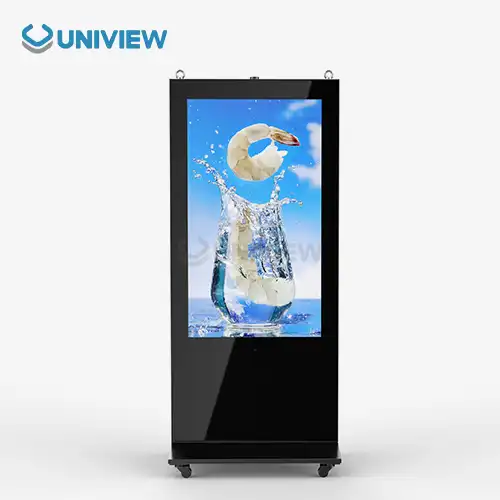
Businesses need active digital solutions that get people's attention and keep them interested in today's market. A luxury LED display kiosk is the best advertising technology available today. It has high-brightness LED screens, complex control systems, and interactive features that change the way brands interact with their customers. These cutting-edge digital signage options offer better visibility, lower energy use, and long-lasting sturdiness that regular screens just can't match. These kiosks have the visual effect and dependability needed to get the best return on investment while creating unforgettable customer experiences. They can be used in stores, business lobbies, or outdoor advertising campaigns.
Understanding Premium LED Display Kiosks: Technology and Benefits
Core Technology Components
Modern LED display booths use a lot of different technologies to make strong advertising sites. High-quality LED screens with pixel pitches that range from 1.2mm to 10mm, based on the viewing distance, make up the base. Complex processing units run advanced control systems that handle how material is distributed, how brightness is changed, and how engaging features work. These systems use heat management technologies to keep the right working temperatures and make parts last longer. When touch sensors and motion recognition are added to displays, they go from being silent to being dynamic and fun. Professional-level media players can easily play 4K and 8K content, and being connected to a network lets you control and change content in real time. Weatherproof enclosures keep critical gadgets safe while still letting repair workers get to them.
Key Advantages Over Traditional Displays
These booths are necessary for modern advertising efforts because LED technology has clear benefits. The high levels of brightness, which are usually between 2000 and 4000 nits, make it easy to see even in full sunlight. It's especially helpful to have this feature for outdoor setups where regular LCD screens are hard to read. Another great thing about LED displays is that they use a lot less power than similar LCDs, even though they show colors and brightness better. Since LED panels are made up of separate modules, they can be put together in a variety of sizes and resolutions to make unique solutions that fit any area and viewing distance. One of the best things about LED displays is that they last a long time. Good LED displays can keep working well for over 100,000 hours of constant use. Because they last a long time and don't need much upkeep, they save you a lot of money over time compared to traditional advertising methods.
Indoor vs Outdoor Applications
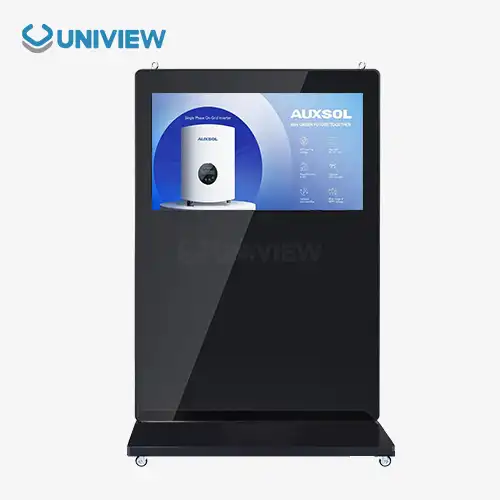
There are important technical differences between indoor and outdoor LED display kiosk booths that affect how well they work and how reliable they are. Indoor units focus on pixel density and color accuracy, with smaller pixel pitches that make pictures that are sharp and clear even up close. Most of the time, these screens work at lower light levels and focus on accurate calibration and wide color gamuts. For outdoor displays to work, they need to be able to withstand harsh weather and be very bright. Weatherproof cases that meet IP65 or IP66 standards keep out dust, water, and changes in temperature. Better structural designs can stand up to wind loads and offer safe mounting methods for a range of placement situations.
Comprehensive Comparison and Selection Criteria for LED Display Kiosks
LED vs LCD Technology Analysis
Choosing between LED and LCD booth technology has a big effect on how well they work, how much they cost to maintain, and how much they cost to run. LED screens are great at keeping the brightness even across the whole viewing area, without the points that are common with LCD backlighting systems. This stability is especially important for big screens, where changes in viewing angle can make light differences that are easy to see. The ways that these devices reproduce colors are very different. LED displays have bigger color gamuts and better saturation levels, which is especially important for brand-critical uses where marketing depends on correct color representation. Because LED screens are modular, it's easier to maintain and fix them because separate parts can be swapped out without affecting the whole display. A study of power usage shows that LED technology is more efficient, especially when used in high-brightness situations. Even though LED options may cost more at first, they usually have a lower total cost of ownership over the duration of the product because they use less energy and last longer.
Interactive vs Non-Interactive Configurations
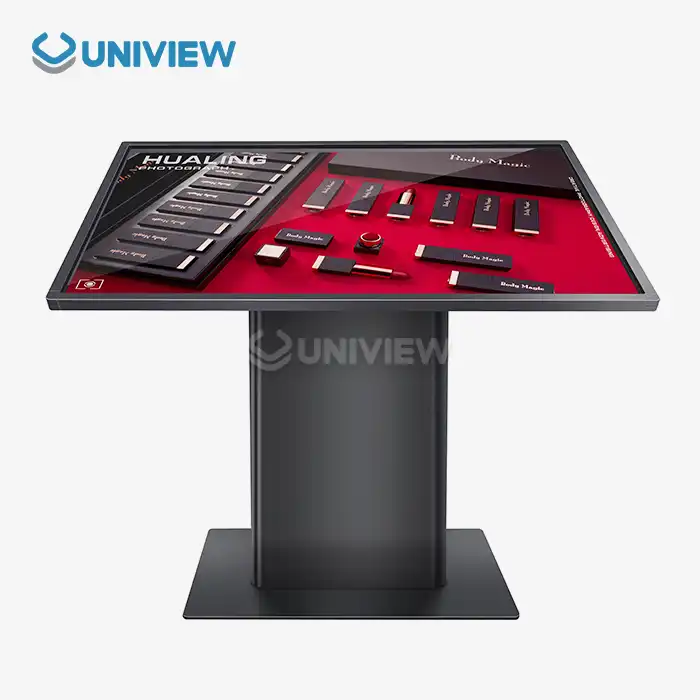
The choice between interactive and non-interactive kiosks is based on the material and participation goals. Interactive displays with touch screens, motion recognition, or nearby sensors make it possible to collect data and make interactions more personal. Wayfinding apps, product configurators, and information sites that keep users interested while giving useful data are made possible by these systems. The only thing that non-interactive screens do is show information. This makes them easier to set up and keep up. These solutions work great for campaigns to raise knowledge of a brand, promotional messages, and informational displays that don't need users to connect with them. Because it is less complicated, it is more reliable and doesn't need as much ongoing help.
Environmental Considerations and Sizing
Environmental factors are very important in choosing kiosks and making sure they work as well as possible. Temperature ranges, humidity levels, and direct sunshine all affect how to choose components and how much cooling is needed. To keep their performance and look over time, outdoor projects need better thermal management systems and materials that are resistant to UV light. Aside from just the dimensions, other things to think about when sizing are viewing distances, resolution needs, and installation limitations. Choosing the right pixel pitch has a direct effect on both cost and picture quality. For example, smaller pitches are needed for close watching, while larger pitches are fine for far viewing.
Procurement Guide: Finding the Right LED Display Kiosk Supplier and Services
Evaluating Manufacturer Capabilities
To choose the right supplier, you need to carefully look at their manufacturing skills, quality control methods, LED display kiosk, and expert help systems. Well-known companies show they care about quality by getting foreign licenses, using thorough testing methods, and having a history of success in similar situations. It's very important to be able to offer customization services for projects that need particular form factors, connectivity needs, or environmental requirements. Stability in the supply chain makes sure that products are always available and that deliveries happen on time, which is important for the success of a project. Manufacturers who can get their parts from a variety of sources and who can produce in a variety of ways can better adapt to changing market conditions and customer needs while still meeting quality standards.
Pricing Trends and Cost Optimization
As LED technology gets better and production numbers rise, current market trends show that value arguments are getting stronger. For deployments of multiple units, buying in bulk can save you a lot of money, and flexible payment terms and leasing choices can help you better control your project's cash flow. The initial purchase price, installation costs, continued energy use, upkeep needs, and estimated lifespan should all be part of the total cost of ownership analysis. These in-depth reviews often show that buying high-quality goods may cost more at first, but they end up costing less in the long run because they need less upkeep, are more reliable, and last longer.
Installation and Support Services
Professional installation services lower project risks and make sure that the product works as well as the guarantee says it should. Installation teams with a lot of experience know how to do complicated things like wiring, putting, and setting up content management systems. These services are especially helpful for work that needs to be done outside, where special tools and weather factors are needed. Full guarantee coverage and quick technical help protect the value of your investment while keeping downtime to a minimum. Remote diagnostics and quick access to replacement parts can cut down on delay costs in important uses by a large amount.
Advanced Features and Innovations in Premium LED Display Kiosks
Interactive Technology Integration
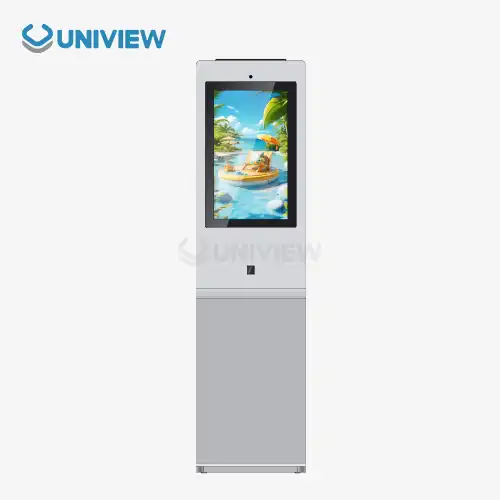
LED kiosks are no longer just displays; they now have dynamic features that make them fun places for customers to connect. Multitouch lets multiple users connect with a device at the same time and with complicated gestures. This lets people work together and explore a product in great detail. Integrated cameras and sensors allow contactless interaction through motion recognition and proximity detection. This eliminates worries about cleanliness while keeping users interested. Advanced analytics tools keep track of how users interact with your site, how long they stay on it, and what material they like best. This gives you useful information for improving your campaigns and learning more about your audience. These insights, based on data, allow content changes and unique experiences to happen in real time, which makes interaction more effective.
Energy Efficiency and Sustainability
People who care about the environment come up with new energy-efficient tools that cut costs and help companies reach their sustainability goals. Automatic brightness control systems keep things as bright as possible while minimizing power use based on the lights around them. Smart scheduling features let screens only work during times of high traffic, which uses even less energy. Advanced temperature management systems make things more efficient by figuring out how much cooling is needed and how long parts should last. These systems constantly check the working conditions and change the fan speeds or turn on passive cooling elements as needed to keep the system running at its best while using as little power as possible.
Weatherproofing and Durability Enhancements
The longevity of outdoor kiosks keeps getting better thanks to new materials and designs. Corrosion-resistant coats keep metal parts looking good for a long time by protecting them from the environment's damage. Better closing systems keep out water while still letting in the air that's needed for temperature control. Improvements to the structure make it possible to put things in tough places with lots of wind, extreme temperatures, and vibrations. These improvements make it easier to release things, lower the amount of upkeep that needs to be done, and make things last longer.
How to Choose the Best Premium LED Display Kiosk for Your Retail or Advertising Campaign
Matching Business Objectives to Technical Specifications
To choose the right booth, you must first have clear business goals and performance standards. Campaigns to raise recognition of a brand focus on making material easy to see and appealing by focusing on things like brightness, color reproduction, and viewing angles. Touch screens that respond to touch, powerful processors, and stable software bases are needed for interactive apps. Location research shows environmental needs, watching lengths, and placement limitations that affect the technical specs. Traffic trends and demographic information help with deciding what size to use and what engaging features to include so that people are more likely to be engaged.
Evaluation Framework for Procurement Decisions
A structured review strategy makes sure that all the important factors that affect the performance and value of kiosks are taken into account. Brightness, clarity, refresh rates, LED display kiosk, and color accuracy are some of the technical specs that have a direct effect on visual quality and audience involvement. Environmental grades, like IP protection levels and working temperature ranges, tell you if something is right for a certain installation situation. Operational factors include how much power is used, how often upkeep is needed, and how long the product is expected to last. All of these factors affect the total cost of ownership. Financial security, professional help, warranty terms, and references from similar projects should all be taken into account when evaluating a supplier. The plan should also include ways to grow in the future and improve technology in a way that protects the value of investments as needs change. Standardized interfaces and modular designs make it easy to connect to current systems and add on to them in the future.
Conclusion
In today's competitive market, premium LED display booths are a must-have tool for companies that want to get more customers and make their ads more effective. Traditional displays can't compare to these high-tech digital sign options when it comes to visibility, sturdiness, and the ability to be interacted with. This guide lays out a complete review strategy that helps procurement professionals make smart choices that match technical skills with specific business goals while also maximizing long-term value. As technology keeps getting better, companies that get quality LED kiosk options early can take advantage of changing customer needs and digital advertising trends.
FAQ
1. What is the expected lifespan of a premium LED display kiosk?
Premium LED display screens usually work well for 100,000 hours, which is about 11 years of nonstop use. The real length can be affected by things like the environment, how it is used, and how well it is maintained. Outdoor setups may have slightly shorter lifespans because they are exposed to the weather, but indoor units usually last longer if they are well taken care of.
2. How customizable are LED display kiosks for specific branding requirements?
Modern LED booths let you change a lot of things about them, like the style of the enclosure, the colors used, the placement of logos, and the way users interact with them. To meet the needs of each brand, manufacturers can change form factors, add custom mounting systems, and combine their own software platforms. Content management platforms let you make changes to your brand on the fly and make changes that are specific to a promotion.
3. What maintenance practices are essential for optimal LED kiosk performance?
Cleaning the screens, checking the ventilation systems, looking over the electrical links, and changing the software are all part of regular upkeep. Visual inspections done once a month find possible problems early, and professional repair done every three months ensures the best performance. Many diagnostic tasks can be done automatically by remote tracking systems, which can also let repair teams know about possible problems before they affect operations.
Partner with Uniview Commercial for Superior LED Display Solutions
With cutting-edge digital signage options for companies all over the world, Uniview Commercial is a reliable LED display kiosk manufacturer. Our high-end LED display stands have extremely bright screens (up to 4000 nits), are weatherproof (IP65/66), and are designed not to rust. They are great for demanding retail and advertising uses. We offer full customization services, extended warranties of 3 to 5 years, and 24/7 global expert help. We have been serving customers from over 100 countries for more than 10 years. Our expert team can be reached at sales@univiewlcdisplay.com to talk about your unique needs and get a quote for your next digital signs project.
References
1. Digital Signage Federation. "LED Display Technology Standards and Best Practices for Commercial Applications." Industry Report, 2023.
2. Johnson, Mark R. "Energy Efficiency Analysis of LED vs LCD Display Technologies in Commercial Environments." Journal of Digital Display Technology, Vol. 15, 2023.
3. International Sign Association. "Global Market Trends in Digital Signage and LED Display Systems." Annual Market Analysis, 2023.
4. Chen, Sarah L. "Interactive Display Technologies: Impact on Customer Engagement in Retail Environments." Retail Technology Review, Issue 8, 2023.
5. Williams, David P. "Environmental Durability Testing for Outdoor LED Display Systems." Technical Standards Quarterly, Vol. 22, 2023.
6. Global Digital Signage Research Institute. "Total Cost of Ownership Analysis for Commercial LED Display Installations." Procurement Guidelines Report, 2023.
Learn about our latest products and discounts through SMS or email