- English
- French
- German
- Portuguese
- Spanish
- Russian
- Japanese
- Korean
- Arabic
- Greek
- German
- Turkish
- Italian
- Danish
- Romanian
- Indonesian
- Czech
- Afrikaans
- Swedish
- Polish
- Basque
- Catalan
- Esperanto
- Hindi
- Lao
- Albanian
- Amharic
- Armenian
- Azerbaijani
- Belarusian
- Bengali
- Bosnian
- Bulgarian
- Cebuano
- Chichewa
- Corsican
- Croatian
- Dutch
- Estonian
- Filipino
- Finnish
- Frisian
- Galician
- Georgian
- Gujarati
- Haitian
- Hausa
- Hawaiian
- Hebrew
- Hmong
- Hungarian
- Icelandic
- Igbo
- Javanese
- Kannada
- Kazakh
- Khmer
- Kurdish
- Kyrgyz
- Latin
- Latvian
- Lithuanian
- Luxembou..
- Macedonian
- Malagasy
- Malay
- Malayalam
- Maltese
- Maori
- Marathi
- Mongolian
- Burmese
- Nepali
- Norwegian
- Pashto
- Persian
- Punjabi
- Serbian
- Sesotho
- Sinhala
- Slovak
- Slovenian
- Somali
- Samoan
- Scots Gaelic
- Shona
- Sindhi
- Sundanese
- Swahili
- Tajik
- Tamil
- Telugu
- Thai
- Ukrainian
- Urdu
- Uzbek
- Vietnamese
- Welsh
- Xhosa
- Yiddish
- Yoruba
- Zulu
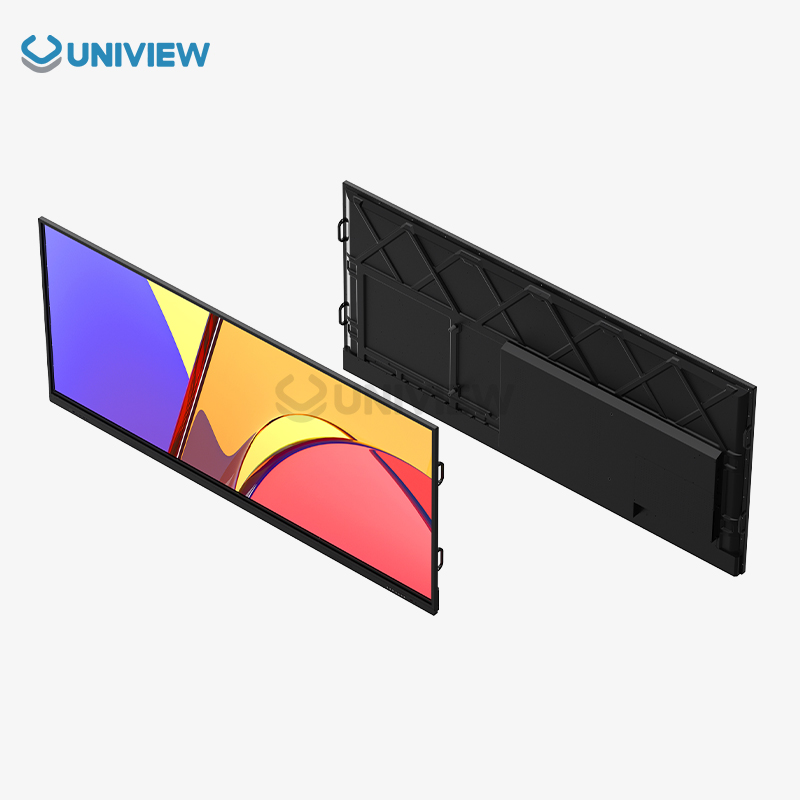
Window Digital Display with Dual Orientation Marketing Impact
Using two screens facing each other, window digital display technology is a new way to advertise today that gets your brand seen by as many people as possible. These clever displays show information to people both inside and outside at the same time, effectively doubling marketing reach while taking up very little room. Businesses that want to get more from their customers and make their advertising more effective are finding that dual orientation displays are more and more useful in retail, workplace, and leisure settings. The technology turns regular storefronts into moving advertising screens that catch people's eyes from different directions and encourage real relationships with customers.
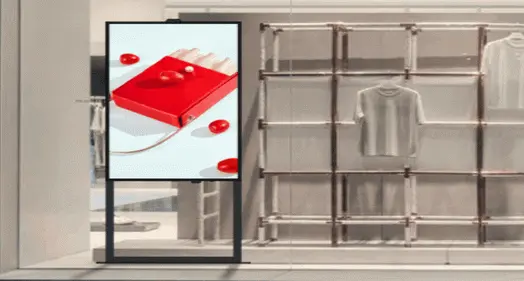
Understanding Window Digital Displays and Dual Orientation Marketing
The Foundation of Dual Orientation Technology
Digital window displays use advanced screen technologies that make the information visible from both sides of a glass surface. These screens can be fully or partially clear. Unlike regular single-sided signs, these displays use new LED and OLED technologies to provide better brightness levels ranging from 2000 to 4000 nits, making sure they are easy to see even in bright environments. The screens have special settings for openness that change depending on how the content is being viewed. This lets businesses make sure that content is delivered most effectively to certain groups of people while still looking good from all sides.
Key Benefits of Dual Orientation Marketing
Modern screens that can show images in both portrait and landscape modes are much better than older ways of advertising. These systems let you advertise to more people without taking up more space, which makes them perfect for places that don't have a lot of room. The technology lets businesses run marketing efforts both inside and outside at the same time, so they can send different kinds of messages to different groups of people. One of the best things about these screens is that they use less power than multiple single-sided units while still having the same or even better visual effect. Businesses can change their messages throughout the day thanks to the marketing freedom that dual orientation screens offer. Retail spaces can show off goods to people who are just looking while also showing promotional content to people who are already in the store. Corporate buildings can show off their professional brand to the outside world while also sharing internal messages with guests and workers.
Comparative Analysis: Why Choose Dual Orientation Window Digital Displays?
Performance Advantages Over Traditional Signage
On a number of different criteria, dual orientation screens work better than traditional LCD panels and projector systems. Traditional displays with only one side need to be installed differently for indoor and outdoor use, which raises the cost of materials and upkeep. These redundant features are taken care of by dual positioning systems, a window digital display, which also offers better control over light and weather resistance rated from IP65 to IP66.
Today's dual-orientation screens are better than older ones in several important technology areas:
- Brightness: Newer screens have 2000–4000 nits of brightness, which makes them visible in full sunlight, where older screens don't work.
- Weather resistance: IP65 and IP66 grades offer full security against dust and water infiltration, greatly extending working lifespan.
- Noise Reduction: These screens can work quietly at 60 dB, so they can be used in places with a lot of noise without bothering customers.
- Corrosion resistance: European surface treatment technology stops damage from happening in harsh weather situations, so the look lasts for a long time.
These improvements in performance directly lead to lower total costs of ownership and better marketing results for companies in many different industries.
Environmental Adaptability and Durability
Strong engineering and high-quality materials make dual orientation screens work well in a wide range of situations. High-quality offline protected AR glass protects against damage from UV light, temperature changes, and rain while still displaying very clear pictures. Up to 16 levels of wind resistance make sure that these screens work reliably even in bad weather, so they can be used at high elevations and along the coast.
Selecting and Procuring the Right Dual Orientation Window Digital Display
Identifying Specific Business Requirements
To choose a good display, you should first do a thorough study of the apps and groups you want to reach. High-resolution screens are good for stores because they show off product features well to both people walking by and people shopping in the store. For centralized content control across various sites, corporate buildings need professional-grade displays that can connect to networks. Transportation hubs need screens that are brighter and last longer so they can handle heavy traffic and constant use. Some of the most important specs to look at are the screen size, clarity, engaging features, and how well it works with other marketing systems. When businesses figure out what the best show features are, they also need to think about watching distances, ambient lighting, and how often material needs to be updated.
Supplier Evaluation and Partnership Considerations
When looking for trusted suppliers, you should look at their technical skills, customization options, and pledges to long-term support. Leading makers offer full warranties that last between 3 and 5 years and include global 24-hour response support. This makes sure that there is little downtime and that the equipment keeps working. Customization options are very important for companies that need specific sizes, hanging arrangements, or features that work only with certain products. Manufacturers of good products provide thorough technical paperwork, installation instructions, a window digital display, and training materials to help with the deployment process. Getting third-party insurance through reliable companies is another way to protect big investments in digital display technology.
Installation, Maintenance, and Ensuring Long-Term Performance
Professional Installation Best Practices
For a proper installation, you need to work with skilled workers who know about dual orientation display technology and the building rules in your area. When getting a site ready, the structure needs to be checked to make sure it can hold the weight of the show and the wind. The electrical grid needs to be able to meet the power needs of content management systems and connect them reliably. Professional workers protect mountings with double-layer anti-theft locks and hardware that can't be tampered with and is made for business use. With the right cable handling and weatherproofing, electrical links are kept safe from the elements while keeping a clean look.
Maintenance Protocols and Performance Optimization
Regular care plans keep displays working well and greatly extend their useful lives. Cleaning AR glass surfaces in a certain way keeps them bright and clear while protecting them from damage caused by bad methods or strong chemicals. Software changes make sure that it works with new security standards and content management systems. Energy tracking tools keep track of how much power is used and look for ways to improve efficiency and lower costs. With remote diagnostics, you can plan maintenance ahead of time and fix technology problems quickly, before they hurt your marketing efforts.
Real-World Applications and Marketing Impact Case Studies
Retail Environment Success Stories
The involvement of customers at major store chains has gotten a lot better since dual orientation displays were put in place. After putting clear displays in their main store windows, a big clothing store saw 40% more foot traffic and 25% higher conversion rates. People walking by could see seasonal collections on the screens, and people inside the stores could interact with them to learn more about the products. Many restaurant groups use displays that can show menu items and advertising material to both people driving by and people eating in. This method has worked especially well for quick-service restaurants that want to get more customers during busy times while keeping a nice atmosphere inside.
Corporate and Hospitality Applications
Corporate offices use screens that can be used in both portrait and landscape modes to support the brand and get visitors involved. These installations send professional business messages to people outside the company while also keeping workers and guests up to date on company news and recognition programs. Displays in hotel lobbies are a nice way to greet new guests and show off services and local sites to people who are leaving. Airports, train stops, window digital display and other transportation hubs use dual-orientation screens to help people find their way and show commercials. The technology lets visitors see information about departures at the same time, and it also makes money by advertising with local companies.
Conclusion
Dual-position window digital displays are a game-changing investment for companies that want to improve their marketing and get customers more involved. These high-tech systems offer better performance by being able to handle high brightness, being resistant to weather, and using less energy. They also give you more ways than ever to send information. The technology lets businesses increase the number of people who see their ads without needing more space. This makes it especially useful for high-traffic areas with limited space. To make sure you get the best return on your investment and long-lasting marketing effects, you need to carefully choose your seller, have a professional install it, and keep up with the upkeep.
FAQ
1. What pricing should businesses expect for dual orientation displays?
Prices range from mid-range to high-end levels depending on the technical features and factors like screen size, quality, and customization needs. Bulk purchases are often eligible for big discounts, which makes them more cost-effective for operations in more than one place.
2. Can displays adapt to both indoor and outdoor usage without modifications?
Modern dual-orientation screens have settings for adaptive brightness and transparency that change instantly to make the picture look best in all kinds of lighting. The IP65/IP66 grades make sure that the system works perfectly both indoors and outdoors without any hardware changes.
3. What installation timeline should businesses anticipate for storefront deployments?
Standard installations usually take two to three days to prepare the spot, put in the equipment, and set up the system. Depending on the local permitting rules, complex tasks that need special mounting or a lot of electrical work may take an extra 5 to 7 days.
Transform Your Marketing Strategy with Uniview Commercial
When it comes to window digital displays, Uniview Commercial is the name you can trust. They make cutting-edge dual-orientation solutions that change the way people interact with businesses, hotels, and stores. Our high-tech screens have a brightness range of 2000 to 4000 nits, are protected against weather by IP65 or IP66, and come with a full 3- to 5-year guarantee and global 24-hour support. Our team offers great one-stop service from advice to launch, and we can make things exactly how you want them. This service has been used successfully in over 100 countries. Get in touch with our experts at sales@univiewlcdisplay.com to talk about custom solutions that use cutting-edge window digital display technology to make your brand more visible and get measurable marketing results.
References
1. Johnson, M. & Williams, R. "Transparent Display Technology: Market Analysis and Future Trends in Digital Signage Applications." International Journal of Digital Marketing Technology, 2023.
2. Chen, L. "Dual Orientation Marketing Systems: Performance Evaluation in Retail Environments." Commercial Display Research Quarterly, 2023.
3. Thompson, A. et al. "Weather Resistance Standards for Outdoor Digital Signage: IP Rating Analysis and Long-term Performance Studies." Environmental Technology Review, 2022.
4. Rodriguez, S. "Customer Engagement Metrics in Interactive Window Display Implementations." Retail Marketing Technology Journal, 2023.
5. Kumar, P. & Anderson, K. "Energy Efficiency Comparative Analysis: Traditional vs. Modern Digital Display Technologies." Sustainable Business Technology Report, 2022.
6. Mitchell, D. "Installation Best Practices for Commercial Window Digital Display Systems." Professional Installation Standards Guide, 2023.
Learn about our latest products and discounts through SMS or email