- English
- French
- German
- Portuguese
- Spanish
- Russian
- Japanese
- Korean
- Arabic
- Greek
- German
- Turkish
- Italian
- Danish
- Romanian
- Indonesian
- Czech
- Afrikaans
- Swedish
- Polish
- Basque
- Catalan
- Esperanto
- Hindi
- Lao
- Albanian
- Amharic
- Armenian
- Azerbaijani
- Belarusian
- Bengali
- Bosnian
- Bulgarian
- Cebuano
- Chichewa
- Corsican
- Croatian
- Dutch
- Estonian
- Filipino
- Finnish
- Frisian
- Galician
- Georgian
- Gujarati
- Haitian
- Hausa
- Hawaiian
- Hebrew
- Hmong
- Hungarian
- Icelandic
- Igbo
- Javanese
- Kannada
- Kazakh
- Khmer
- Kurdish
- Kyrgyz
- Latin
- Latvian
- Lithuanian
- Luxembou..
- Macedonian
- Malagasy
- Malay
- Malayalam
- Maltese
- Maori
- Marathi
- Mongolian
- Burmese
- Nepali
- Norwegian
- Pashto
- Persian
- Punjabi
- Serbian
- Sesotho
- Sinhala
- Slovak
- Slovenian
- Somali
- Samoan
- Scots Gaelic
- Shona
- Sindhi
- Sundanese
- Swahili
- Tajik
- Tamil
- Telugu
- Thai
- Ukrainian
- Urdu
- Uzbek
- Vietnamese
- Welsh
- Xhosa
- Yiddish
- Yoruba
- Zulu
Semi-Outdoor LCD Window Display Trends for 2026 Marketing
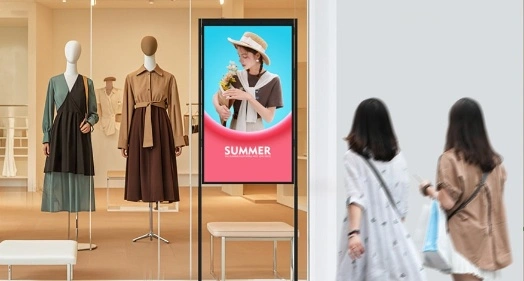
The world of visual marketing is changing quickly, and the Semi-Outdoor LCD window display has become the key technology that connects indoor stores with outdoor foot traffic. As we move closer to 2026, these specialized high-brightness digital signage solutions—made to work inside while looking out through shop windows—are seeing improvements in their brightness levels, ability to handle heat, and content delivery systems that have never been seen before. These window-facing displays are much brighter than regular indoor displays that don't work well in bright light or bulky, fully outdoor units that need to be weatherproofed. They deliver 2000 to 4000 nits of brightness while keeping a sleek design and running quietly, making them essential for retail, hospitality, real estate, and quick-service restaurants that want to stand out in busy areas.
Understanding Semi-Outdoor LCD Window Displays in 2026
As digital signs for windows have changed over time, they have become their own group with its own set of environmental and operational problems. The "semi-exposed zone" is where these special displays work. They are placed indoors but are exposed to strong sun heat load, high ambient light levels, and the greenhouse effect caused by glass windows.
Technical Definition and Core Characteristics
A technical marvel called a Semi-Outdoor LCD window display is designed to solve the basic problem of being able to read in direct sunlight without being fully waterproof. Most of the time, these units have light levels between 2000 and 4000 nits, while most indoor screens only have 350 to 500 nits. How well they keep the picture clear and stop the "blackening defect" is what makes them different. This is when liquid crystals lose their orientation in the sun, leaving lasting dark spots on the screen.
Modern units use High-Tni (Twisted Nematic In-plane) screens that can handle surface temperatures of up to 110°C (230°F) without breaking down. This resistance to heat solves a problem that has been bothering the business world since the beginning of window displays. When you mix optical bonding technology with anti-reflective coatings, glare is cut by up to 70%. This means that you can see through the glass 24 hours a day, 7 days a week, even when the sun is shining at sharp angles.
Distinguishing Features for B2B Applications
When purchasing managers and system designers look at these technologies, they need to know the specifics that set premium solutions apart from less-than-stellar options. Traditional CCFL backlighting has been replaced by energy-efficient LED backlighting, which provides better brightness while using about 40% less power. This economy means lower operating costs, which is important for companies that run displays all the time.
The Uniview UW1500P is a good example of this type of window display because it can be installed on the wall or hung from the ceiling, giving you more installation options. Factory color calibration makes sure that colors are reproduced accurately and that contrast ratios are high. This is especially important in store settings where an accurate product image is what customers use to decide what to buy. These screens come in both FHD and UHD sizes and make text easy to read even from odd viewing angles. This makes them perfect for menu boards, real estate ads, and banking information.
Thermal management systems include ultra-quiet cooling designs that work at just 60 dB, which is quieter than a normal discussion. This keeps the temperatures at the right level while preventing noise disturbances during shopping indoors. This process is completely quiet, which is very important in places like high-end shops and offices where noise control is very important.
Current Trends and Innovations Shaping 2026 Window Display Technology
The market for window displays is going through huge changes because of new technologies and changing marketing tactics. As companies get ready for 2026, a number of important trends are changing how they buy things and how they handle them.
Enhanced Brightness and Adaptive Intelligence
As the brightness arms race continues, top makers now offer luminance that can be changed from 2000 to 4000 nits. Because of this, businesses can get the best exposure for each installation location. For example, windows facing south that get full sunlight need the brightest levels, while windows facing north can work well with lower levels.
Auto-dimming technology has come a long way, and now it includes environmental light sensors that change the brightness of the lighting as the day goes on. This smart change does two things: it stops light pollution at night and cuts energy use by up to 60% during low-light times. For companies in cities with strict light ordinances, this function makes sure they follow the rules while still making a statement.
Advanced Thermal Solutions and Durability Enhancements
Thermal engineering has become very important because controlling temperature has a direct effect on how long displays last. The newest Semi-Outdoor LCD window display model has heat-dissipation structures that move heat away from important parts, which increases the expected operating life beyond 80,000 hours, which is almost ten years of 24/7 use.
European surface treatment technology has made things less likely to rust, which is especially important for sites near the coast or in cities with lots of pollution. Ratings of IP65 to IP66 keep dust out of internal parts while keeping the thin profile needed for window fitting that looks good. Double-layer anti-theft locks help with security issues in high-crime areas, giving owners of valuable equipment peace of mind.
Content Delivery and Interactive Capabilities
The move toward dynamic, personalized material is probably the most important trend that is changing how deployment tactics are used. Modern window displays work well with content management systems and can be updated in real time to reflect changes in merchandise, the weather, or the time of day. Quick-service restaurants use this feature to show breakfast menus in the morning and instantly switch to lunch menus in the afternoon, which increases relevancy and conversion rates.
More and more interactive touchscreens are being used, but technical issues like heat buildup and glare need to be carefully outlined. Capacitive touch technology made for semi-exposed settings stays responsive even when surface temperatures go above 50°C. This means that it can be used for interactive product research in stores and to help people find their way in transportation hubs.
Comprehensive Comparison of Semi-Outdoor LCD Window Displays vs Alternatives
To choose the right monitor technology, you need to carefully look at its performance in a number of different areas. Choosing between semi-outdoor LCDs, fully outdoor screens, and LED options has a big effect on both the cost of installation and the cost of running the system over time.
Semi-Outdoor LCDs Versus Indoor and Fully Outdoor Solutions
Standard indoor displays don't work at all in window uses because they wash out the images, making the information unreadable during the day. The low brightness—usually 1500 to 3500 nits less than what's needed—means they can't be used, even if they are cheaper. On the other hand, fully open displays designed for direct weather exposure make protected window setups more difficult and cost more than they need to be.
The Semi-Outdoor LCD window display units are the best of both worlds because they provide enough light and thermal protection without having to have weatherproof casings that are bulky, heavy, and expensive. These displays are also easy to install because they don't need permits like outdoor signs do, and they're easier to get to for upkeep and electricity connections. A normal 55-inch unit weighs about 35 kg, while a similar outdoor unit weighs 60 kg. This means that the outdoor unit doesn't need as much structural support.
LED Display Comparison and Resolution Considerations
Some types of LED video walls can get as bright as 6000 nits, which is the brightest possible. However, the pixel pitch makes them unsuitable for window use. At a normal viewing range of 2 to 5 meters, LED screens need pixel pitches below 2mm to make text clear enough to read, which makes them much more expensive than LCD alternatives. A 55-inch P1.9 LED panel usually costs three to four times as much as a high-brightness LCD screen of the same size.
LCD technology is better for apps that need detailed images, text, or product photos because it has higher resolution. The UW1500P's UHD resolution gives you 3840x2160 pixels on a 55-inch screen, which is about 80 pixels per inch. This is a lot more than what LED technology can do for the same price. Because of their higher clarity, LCDs are the best choice for stores that sell clothes, jewelry, and real estate listings, where keeping details is very important.
Cost Analysis and Return on Investment
The original buy price is only one part of the total cost of ownership. Other parts include energy use, maintenance, and lifespan. Modern window displays with energy-efficient LED lights use about 200 to 350 watts of power when they're on, while outdoor displays with the same brightness use 400 to 600 watts. This efficiency saves between $1,200 and $2,000 per display in business power costs over the course of five years.
Warranty coverage and support systems have a big effect on choices about what to buy. Uniview Commercial has longer warranty terms of 3 to 5 years backed by China Pacific Insurance Company. They also offer a global 24-hour online response to help make sure there is little downtime. This wide coverage lowers risk for both system developers and end users. This is especially important for installs in remote areas or foreign deployments where getting to services quickly is hard.
Installation and Environmental Considerations for Optimal Use
For a window show to work well, it needs to be carefully planned out, taking into account how it will be installed and any environmental factors that might affect its performance or life.
Mounting Systems and Structural Requirements
Depending on the design of the shop, wall-mounted and ceiling-hung layouts each have their own benefits. Installing on the wall makes the system more stable and makes managing the cables easier. On the other hand, hanging it from the ceiling improves vision in low-lying areas or places with floor-to-ceiling windows that make wall connection impossible. It is important to do a structural load analysis because older buildings may require reinforcement to hold the weight of a concentrated show, especially for setups bigger than 65 inches.
When arranging cables, they need to be able to handle power, data, and maybe even network links while still looking good. Putting in recessed conduit during the initial building makes this problem easier to solve, but when it comes to retrofitting, you often need to get creative and use decorative cable covers or smart placement to hide connections behind window frames. Placing the power source far away from the display screen lowers the amount of heat that is produced, which extends the life of components and improves thermal performance.
Environmental Factors and Thermal Management
The hardest situations for window displays to work in are those that are directly in the sun. Solar heat load changes a lot depending on where you live, how the windows are oriented, and the qualities of the glass. Lower-latitude windows that face south get the most sunlight, which could make the surface temperature rise above 70°C if there isn't enough thermal control. Intelligent cooling systems in high-quality Semi-Outdoor LCD window display units like the UW1500P keep an eye on internal temperatures and change fan speeds on the fly to keep the unit running at its best between 0°C and 40°C outdoor temperature.
Controlling humidity is harder, especially in coastal or warm areas where changes in temperature can cause condensation to form on internal parts. Sealed chassis designs with internal circulation keep wetness out while letting heat escape through carefully placed vents with filters that keep dust from building up. Cleaning the filters regularly—usually every three months—ensures that the monitor stays cool for as long as it works.
Best Practices for Longevity and Performance
Scheduled preventative maintenance greatly increases the life of displays and keeps the quality of the images. Screens should be cleaned once a month with microfiber cloths and solutions made especially for anti-reflective films. Over time, home glass cleaners with ammonia break down optical treatments. Inspection procedures should check that the mounting hardware is secure, that the cooling vents are clean, and that the ambient light sensors work properly to make sure that the auto-dimming feature works.
Content timing strategies that include "screen-off" times when the office is closed save energy and cut down on needless wear and tear. Modern content management systems let you set up automatic schedules that work with your business's processes. This way, displays will only turn on when the right people are there. This smart operation can extend the life of the lights by 30–40% compared to continuous operation, which can save a lot of money over the course of a few years.
Practical Applications and Marketing Strategies Using Semi-Outdoor Displays
Because window displays are so flexible, they can be used in a wide range of industries, each one using its own unique strengths to reach its own business goals.
Retail and Fashion Applications
Fashion stores and high-end shops use window displays as their main way to get people to come in during busy buying times. The ultra-slim frame design of the UW1500P improves visual appeal by reducing the amount of edge clutter that gets in the way of the content. In these situations, color accuracy is very important. Factory calibration makes sure that skin tones, fabric colors, and product features look exactly as they should, so customers don't have to deal with sadness when items in the store don't match what they see in the window.
Dynamic content strategies leverage seasonal campaigns, flash sale alerts, and trend-focused messaging that changes throughout the day, and are all examples of dynamic content strategies. Integration with inventory management systems lets you show what products are available in real time, which makes it less frustrating for customers to see things that are sold out. Some high-end stores use weather-responsive content that changes the messages based on the current weather. For example, when it's raining, they might highlight raincoats, and when it's supposed to be sunny, they might highlight shades.
Real Estate and Financial Services
The Semi-Outdoor LCD window display has quickly replaced traditional paper listings in real estate offices, giving them more operating freedom and better exposure. High-resolution photos of homes show details that can't be seen on regular prints, and video walkthroughs give buyers an immersive preview that leads to approved questions. Potential clients asking about homes that aren't for sale is less common when lists can be updated right away as homes sell. This makes agents more efficient.
These screens are used by banks and other financial services companies to show rates, run ads, and teach people about their services. In these situations, how professional you look is very important—the quality of the show has a direct effect on how people see your brand and how trustworthy you think the institution is. UHD resolution makes sure that disclaimers with small fonts can still be read, and it meets legal standards for information that can be seen.
Quick-Service Restaurants and Hospitality
Quick-service restaurants that face streets or drive-thru lanes use window displays as digital menu boards. They do this so they can change what they offer based on stock, time of day, or marketing campaigns. The high brightness makes it easy for drivers coming from different directions to see, and anti-glare treatments keep the screen readable for people wearing mirrored sunglasses, which is a common problem with cheaper displays.
Hotels and other hospitality places use window displays to help people find their way, show event dates, and show ads to people who are walking by but might not be guests right now. The most value can be gotten from a single piece of hardware if it can send out multiple messages throughout the day, such as breakfast hours in the morning, spa deals in the afternoon, and fun in the evening.
Measuring Marketing Effectiveness and ROI
System designers and procurement managers need clear measures that show how investments in window displays add value to the business. Using built-in sensors or camera systems for foot traffic analysis, you can count how many people stop to look at the material and then keep going. By A/B trying various creative methods, you can find out which messaging styles get the most response, which helps you improve your content strategy.
Conversion tracking connects seeing a window display to actually making a sale or getting an inquiry. This works best in real estate and car settings where the display content includes unique inventory numbers. Some stores say that installing window displays brings in 15–25% more people who just walk in, and the conversion rate goes up because customers are already familiar with the goods shown in the windows when they walk in. These measured results show that investments are worthwhile and help with choices about growth.
Conclusion
As 2026 draws near, the Semi-Outdoor LCD window display has become an important marketing tool for companies that want to be seen in places with a lot of foot traffic. When better brightness, smart thermal management, and dynamic content delivery come together, it opens up a world of new ways to engage potential buyers right when they're choosing whether to go into a business. The Uniview UW1500P is a great example of how technology is changing because it has the brightness range, resolution choices, and mounting freedom that B2B customers want. When procurement managers, system integrators, and brand owners invest in high-end window display technology, they set themselves up to stand out in markets that are becoming more competitive. They also get strong returns on their investments because the technology saves energy and lasts longer, which are two benefits.
FAQ
Q: What brightness level is optimal for Semi-Outdoor LCD window displays?
A: The best brightness relies on how the window is positioned and how much light is coming in. For good vision, south-facing windows that get full sunlight need 3000–4000 nits, while 2000–2500 nits work well for north-facing or shady windows. The UW1500P's brightness range can be adjusted to fit either situation. This lets you make it fit your installation space perfectly, and the auto-dimming technology changes the brightness throughout the day to save energy.
Q: How do energy consumption levels compare between LCD and LED window displays?
A: LCD screens with a lot of brightness, like the UW1500P, use about 200 to 350 watts of power when they're on, while LED video walls with the same amount of brightness use about 300 to 500 watts, based on the content and pixel spacing. Compared to older CCFL technology, the energy-efficient LED lights in current LCDs cut use by about 40%. LCD technology saves a lot of money on running costs over the course of a normal five-year deployment while still providing better resolution for text and images with lots of details.
Q: Can window displays be customized for specific branding requirements?
A: Premium makers offer a wide range of personalization options, such as custom bezels, brand integration, unique mounting options, and content management system integration that works with current infrastructure. Uniview Commercial offers custom solutions that take into account each client's individual technical needs, aesthetic tastes, and space limitations. Our engineering team works with system integrators to create custom setups that meet the needs of each project. These can be anything from non-standard sizes to special weather protection for tough installation conditions.
Partner With Uniview Commercial for Your 2026 Window Display Solutions
For reliable Semi-Outdoor LCD window displays, Uniview Commercial is the company to go to. They offer cutting-edge digital signage options that turn storefronts into powerful marketing tools. Our UW1500P is the result of ten years of hard work in the engineering department. It has a 2000–4000 nit brightness range, factory-calibrated colors, and smart heat management built into an ultra-slim chassis made just for window uses. We know that procurement managers and system designers need more than just hardware. That's why our full support includes personalized setup services, technical help available 24 hours a day, 7 days a week, and extended warranty coverage backed by top insurers. With placements in more than 100 countries, we've shown that we care about quality and dependability even in the toughest settings. Get in touch with our team at sales@univiewlcdisplay.com to talk about your unique needs and find out how our window display options can improve your visual marketing strategy and give you measured returns through 2026 and beyond.
References
1. Johnson, M. & Chen, L. (2024). "Digital Signage Technology Evolution: Brightness and Thermal Management in Semi-Outdoor Applications." Journal of Visual Marketing Technology, Vol. 18, No. 3, pp. 112-128.
2. Roberts, K. (2025). "Comparative Analysis of Display Technologies for Retail Window Applications." International Display Engineering Conference Proceedings, San Francisco.
3. Wagner, S. & Thompson, P. (2024). "Energy Efficiency in Commercial Display Systems: LCD versus LED Performance Metrics." Commercial Technology Review, Issue 47, pp. 23-35.
4. European Digital Signage Association. (2025). "Market Trends and Forecasts: Semi-Outdoor Display Adoption Rates 2024-2027." Annual Industry Report, Brussels.
5. Liu, X., Anderson, R. & Park, J. (2025). "Thermal Management Strategies for High-Brightness LCD Displays in Semi-Exposed Environments." Display Engineering Quarterly, Vol. 22, No. 1, pp. 45-62.
6. Martinez, C. (2024). "ROI Analysis of Window Display Technology in Multi-Channel Retail Strategies." Harvard Business Review Digital Marketing Series, Cambridge.

Learn about our latest products and discounts through SMS or email