- English
- French
- German
- Portuguese
- Spanish
- Russian
- Japanese
- Korean
- Arabic
- Greek
- German
- Turkish
- Italian
- Danish
- Romanian
- Indonesian
- Czech
- Afrikaans
- Swedish
- Polish
- Basque
- Catalan
- Esperanto
- Hindi
- Lao
- Albanian
- Amharic
- Armenian
- Azerbaijani
- Belarusian
- Bengali
- Bosnian
- Bulgarian
- Cebuano
- Chichewa
- Corsican
- Croatian
- Dutch
- Estonian
- Filipino
- Finnish
- Frisian
- Galician
- Georgian
- Gujarati
- Haitian
- Hausa
- Hawaiian
- Hebrew
- Hmong
- Hungarian
- Icelandic
- Igbo
- Javanese
- Kannada
- Kazakh
- Khmer
- Kurdish
- Kyrgyz
- Latin
- Latvian
- Lithuanian
- Luxembou..
- Macedonian
- Malagasy
- Malay
- Malayalam
- Maltese
- Maori
- Marathi
- Mongolian
- Burmese
- Nepali
- Norwegian
- Pashto
- Persian
- Punjabi
- Serbian
- Sesotho
- Sinhala
- Slovak
- Slovenian
- Somali
- Samoan
- Scots Gaelic
- Shona
- Sindhi
- Sundanese
- Swahili
- Tajik
- Tamil
- Telugu
- Thai
- Ukrainian
- Urdu
- Uzbek
- Vietnamese
- Welsh
- Xhosa
- Yiddish
- Yoruba
- Zulu
How to Use Digital Floor Standing Signage for Seasonal Campaigns?
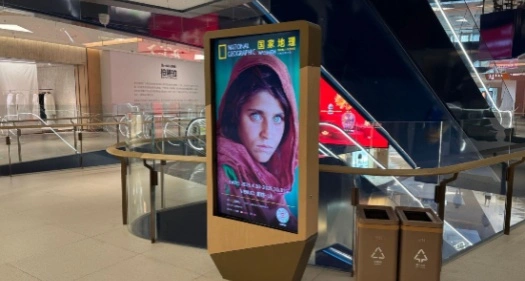
For seasonal campaigns that use digital floor standing signage, freestanding display units that sit directly on the floor are carefully placed to promote limited-time deals, holiday themes, and special events. These business displays can show a lot of different kinds of material and can be scheduled in real time thanks to built-in content management systems. Businesses can greatly boost engagement and conversion rates by putting these units in areas with a lot of foot traffic and changing the messages to match how customers act during different times of the year. The key is to choose the right screen sizes, make material that is important to different cultures, and use interactive features that turn people who are just watching into active participants during busy buying times.
Understanding Digital Floor Standing Signage: Key Features and Benefits
Understanding what makes digital floor standing signage different from traditional advertising techniques is crucial when planning holiday marketing efforts. These complete business display solutions include industrial-grade LCD or LED panels that are mounted vertically, as well as ruggedized metal cases and built-in media players. They are all made to work continuously without the need for wall mounting hardware.
What Makes Floor Standing Digital Signage Different?
Unlike consumer TVs or static signs, digital floor standing signage is designed to work nonstop in tough business settings 24 hours a day, seven days a week. The hardware has thermal control systems that keep the monitor from breaking down even after long periods of use. These units solve important marketing problems like banner blindness caused by static signs, the ongoing costs of printing and replacing old ads, and the failure to show the same content in multiple places at the same time.
The actual building includes cold-rolled steel or extruded aluminum enclosures that are very strong and have powder-coated finishes that don't rust or scratch. Commercial IPS technology is used in display parts to make sure that colors stay true no matter where the user is located, even at wide viewing angles of up to 178 degrees in both horizontal and vertical directions.
Technical Specifications That Drive Campaign Success
When running seasonal ads, brightness levels are an important factor to consider. Standard indoor units give off 450 nits, but places with windows or that are partly outside need 2,500 to 3,500 nits to block strong sunlight and keep vision. Protecting the screens is tempered glass with a Mohs hardness level of 7. This glass has anti-glare and oleophobic treatments to reduce shadows and fingerprint marks in places where people touch the screens a lot.
One of the main benefits is that it can show advertising videos, weather updates, and scrolling announcements all at the same time. This is great for seasonal campaigns that need to send multiple messages. With RJ45, Wi-Fi, and 4G/5G modules as connectivity choices, you can update material remotely, so your holiday messages stay up to date without having to be visited in person.
Following quality standards makes sure that you can rely on them during busy sales times. Certifications like UL for safety, FCC for interference compliance, CE, and RoHS show that a product is made well. Outdoor models need to have IP65 or IP67 ratings for protection against water and dust, and IK10 ratings for protection against theft. These are important things to think about for seasonal outdoor sales.
Dynamic Content Capabilities for Seasonal Flexibility
For seasonal efforts, the ability to connect to content management systems might be the most useful tool. With these systems, buying teams can plan different materials for different times of the day so that messages are more relevant to how customers are browsing the site. Promotions for coffee in the morning can easily change to lunch deals and then to entertainment options in the evening, all without any help from a person.
With real-time update features, you can react right away to changes in the weather, inventory, or competition pressures. If it snows unexpectedly during your winter sale, you can change the messages on all linked screens at once to stress the comfort of shopping inside and longer hours.
Planning Your Seasonal Campaign with Digital Floor Standing Signage
Digital floor standing signage can help you plan your seasonal campaign. Seasonal ads that work start a long time before the holidays. If you plan, you can be sure that your investment in portrait digital floor standing signage will pay off and that you will avoid the common problems that happen when things are put together quickly.
Defining Clear Campaign Objectives
Clear, attainable goals are the foundation of any successful seasonal effort. Do you want to get a certain number of people to walk through the door? Make people aware of new holiday product lines? Increase the average value of transactions during sales times? These goals guide all subsequent choices about creating material, deciding where to put it, and measuring success.
Different types of businesses use different objectives for their seasonal marketing. The goal of stores is to get people to buy things right away and get rid of seasonal stock. Hospitality places focus on improving the experience and offering more expensive services. Transportation hubs put a high value on business relationships and helping people find their way. Seasonal material is used in corporate settings to reinforce business culture and get employees more involved.
Selecting Appropriate Screen Sizes and Formats
The choice of screen size relies on how far away you are watching, how big the room is, and how complicated the content is. Smaller screens, between 32 and 43 inches, work well in small places where people stand within 6 to 10 feet, like in restaurant waiting rooms or small shops. Medium-sized 49- to 55-inch screens work well in general store floors and company halls where people don't move around too much. People pay attention to big 65- to 75-inch screens in airports, meeting centers, and shopping malls with viewing lengths of more than 15 feet.
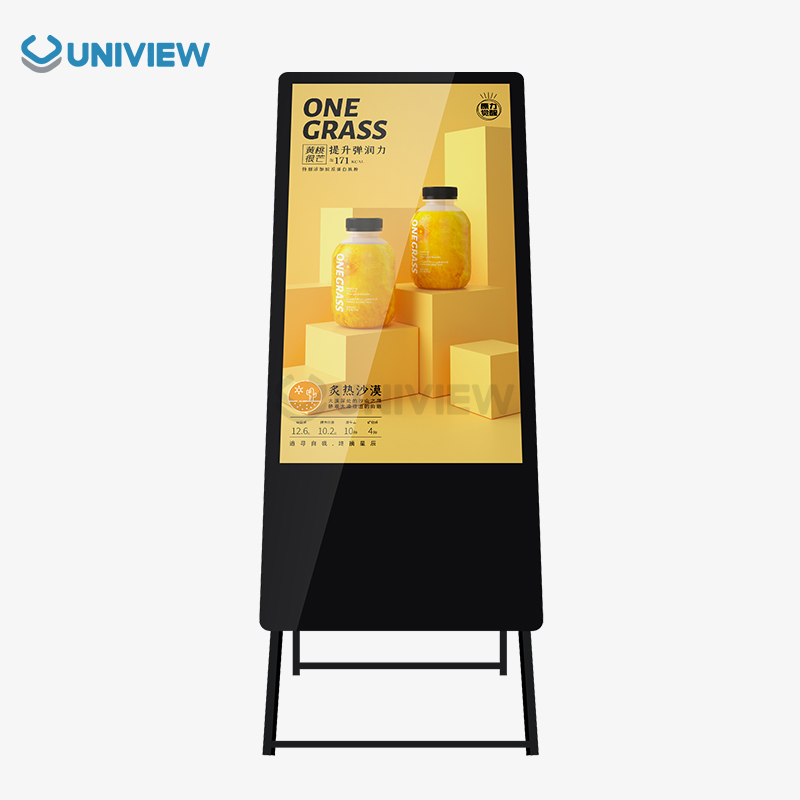
Portrait orientation is becoming more popular for seasonal ads because it looks like a smartphone screen, which makes people feel comfortable and pushes them to interact. The tall, narrow shape makes the best use of floor space and naturally divides messages into different groups for each season.
Content style choices are based on how the audience acts and what the campaign's goals are. Video material is good at getting people's attention, but it needs more speed and more complex content creation. Using static images with small movements makes production easier while still keeping the visual interest. Interactive displays that can be touched turn watchers into players. This works especially well for setting up products, shop directories, or holiday sales that are more like games.
Strategic Placement and Timing Considerations
Placement technique can make or break how well a holiday ad works. High-visibility places near entrances get people's attention when they are making their first views, which is a very important time for making decisions. Positioning near decision points like checkout lines, elevator banks, or information desks takes advantage of the time people spend there, when they are open to messages.
Traffic flow research shows the best places to put things. Studies using heat maps show that in Western markets where people read from left to right, right-side spots often do better than left-side placements. places in the corners offer sight in both directions, while places in the middle of the aisles give you the most exposure but may slow down traffic during busy times.
Timing material to match how customers act increases its effect. The material in the morning might focus on making things easier and faster for workers. Messages sent during the day can promote food deals or deals for breaks. In the evening, the themes change to include eating, entertainment, and relaxing. During seasonal peaks, the intensity of content needs to be changed. For example, as big holidays approach, regularity and urgency need to go up, and in the immediate aftermath, clearance messaging needs to be used.
Creating and Deploying Effective Seasonal Content on Digital Floor Standing Signage
Whether your investment in digital floor standing signage pays off or just looks like expensive wallpaper depends on the quality of the content. To make holiday content that people want to read, you need to find a balance between how it looks and how it encourages people to take action that leads to real business results.
Design Principles for Seasonal Engagement
Bright colors that go with holiday themes make things stand out right away. Fresh greens, soft pinks, and sunny yellows that make you think of rebirth work well in spring ads. Bright oranges, ocean blues, and lively reds make summer material stand out. Warm browns, burnt oranges, and deep golds are used in autumn colors. For winter ads, cool blues, whites that are as clean as snow, and rich reds with metallic details work best.
Cultural importance makes sure that messages get through to a wide range of people. Western December marketing is mostly about Christmas, but popular global efforts also include Hanukkah, Kwanzaa, and other secular winter holidays. The Lunar New Year is a huge chance for businesses in Asia. To bring people together, regional holidays and neighborhood events should be celebrated.
Animation methods keep people's attention without being too much. Moving things in a subtle way, like falling snowflakes, leaves, or lights sparkling, makes things look more interesting while still being easy to read. The effects that go from one piece of content to the next should feel smooth, not jarring. Text images that draw attention to sales or dates with limited time periods make things feel urgent without making people feel anxious.
Typeface choices affect how easy something is to read at different distances. When looking at something from a distance, sans-serif fonts are clearer than serif fonts. Font sizes need to be scaled correctly. For example, headlines that can be seen from 20 feet away need much bigger point sizes than body copy that is meant to be read from 6 feet away.
Incorporating Interactive Features
Interactive touch screens turn holiday displays from passive sources of information into fun activities. People can keep touching and interacting with projected sensitive touch technology, and it will still work. Touch-enabled holiday content could include virtual gift guides that let buyers look through different types of products, collections of holiday recipes with lists of ingredients, or advertising games where people can win discount codes.
The participatory method works especially well for complicated holiday items. Hotels can show off vacation packages with full descriptions of the facilities and prices. Retailers can give shoppers who are having a hard time choosing gifts tools that let them compare products. Transportation hubs can let you plan your trip in a way that takes into account changes to your schedule during the holidays.
For people who don't have time or desire to participate, static screens keep things simple. These units are great at sending short messages, like flash sale alerts, daily deal announcements, or directions to seasonal pop-up locations. The lack of engaging features makes the site less complicated to use and less maintenance-intensive while still providing value.
Real-World Campaign Examples
For their winter holiday promotion, a sizable shopping mall company put 120 digital floor standing signage units in 15 different places. The content plan included messages for morning commuters about how easy it is to buy gifts, content for lunchtime that talked about food choices, and promotions for entertainment in the evening. Touchscreens with interactive features let buyers find specific stores and see what parking spots are available right now. The effort led to a 23% rise in average dwell time compared to the flat signs strategy used the previous year.
A hotel group used centrally controlled material that could be customized at each property to run seasonal ads across 40 properties. Vacation packages for the summer included pictures of the beach and activities for the whole family. Business travel ads for the fall focused on meeting rooms and the perks of reward programs. Special dining parties and New Year's Eve packages were advertised in materials during the holiday season. The unified management cut the cost of making material by 35% while keeping it relevant to the local market.
An airport authority used digital floor standing signage to handle regular problems with the flow of people. During busy travel times around the holidays, material was automatically updated with information about security wait times, gate changes, and weather delays. Advertising space was given to holiday stores and services related to travel. During the first holiday season after execution, passenger happiness scores went up by 18 points.
Procurement Considerations: Choosing and Managing Digital Floor Standing Signage Solutions
To choose the right digital floor standing signage option, you need to look at more than just the price of the original buy. The total cost of ownership includes how long the gear lasts, how much it costs to install, how much it costs to license software, how much it costs to make content, and how much it costs to maintain.
Evaluating Hardware Quality and Warranty Terms
Commercial-grade screens are not at all like consumer devices. Industrial IPS screens keep working well for more than 50,000 hours, which is more than five years of nonstop running 24 hours a day, seven days a week. The rating Mean Time Between Failures (MTBF) tells you what kind of dependability you can expect. Higher MTBF numbers mean that the parts are better made and the manufacturing process is better.
The way an enclosure is built affects how long it lasts in harsh settings. The frames made of aluminum are very strong for their weight and don't rust. Galvanized steel bodies are the most durable choice for outdoor or partially outdoor uses where theft is a possibility. Protecting the screen with tempered glass keeps it from getting broken by drops or deliberate damage.
Warranty terms show that the company that made the product is confident in its quality. Longer guarantees, between 3 and 5 years, show that you care about long-term success. Full coverage should include the cost of replacing panels, fixing broken parts, and labor. For international deployments, having global support access is important—24-hour reaction times across time zones keep downtime from lasting too long during busy seasonal times.
Software Integration and Content Management
The features of a content management system decide how well it works. Cloud-based systems let you update material across multiple networks from afar, without having to hire technical staff to be on-site. Scheduling tools make it easy to change material automatically based on daily, weekly, and yearly campaigns. With multi-zone playback, one screen can show different kinds of material at the same time, like advertising movies, social media posts, and operational information.
System-on-chip designs put media players right into display units, which cuts down on the number of parts and possible failure spots. Android-based devices let you use a wide range of apps and have an easy-to-use UI. Windows platforms make business apps work with each other. Linux options are popular with businesses that value protection and customization.
Installation, Maintenance, and Support Services
Professional installation makes sure that everything is set up correctly and works at its best. Technicians check the site's safety, lights, and electricity access, among other things. Managing cables correctly keeps things looking neat and removes trip risks. Secure installation keeps units from tipping over by chance in places with a lot of foot traffic. This is especially important for tall units that are portrait-oriented.
Preventive repair makes equipment last longer and keeps it from breaking down during important campaign times. Cleaning the screen on a regular basis keeps it clear and looking professional. Updates for software fix security holes and add new features. Checking parts for wear finds problems before they happen. Maintenance contracts help you plan your budget and make sure that the level of service stays the same.
Remote tracking makes it possible to find problems before they happen. Tech teams can fix problems before they affect campaign delivery with systems that give operational state, temperature readings, and error codes. Administrators are notified automatically when displays go dark or performance measures change from what they should be.
Purchasing, Renting, and Leasing Options
It makes sense to buy something outright for fixed installations where the economics of long-term control favor capital investment. Companies that already have yearly marketing plans can save money by buying tools that can be used for more than one year or campaign. The real cost of ownership is affected by depreciation plans and tax issues.
Rental agreements give you the freedom to try out new ideas before you buy something or to move things around temporarily during the season. With rental models, you don't have to commit to long-term capital, which is good for holiday pop-up shops, seasonal events, and promotional trips. Delivery, setup, and removal services are usually included in the rental price.
Leasing systems are a good way to keep your cash safe while still giving you access to new technology. Operating deals keep tools off of balance sheets and give you a way to plan your monthly costs. Finance loans help you get closer to owning something. As display technology changes, lease agreements with technology update clauses make sure that tenants can use the newest features.
Measuring Performance and Optimizing Future Seasonal Campaigns
When you measure, seasonal ads go from being artistic exercises to smart business projects. Keeping an eye on key performance indicators gives you reliable data to use to judge success and make decisions about future investments.
Essential Performance Metrics
Impression counts measure the total number of watchers by counting how many people came within watching range of displays. Optical cameras or camera-based analytics systems can find faces without collecting personal information. This protects privacy while collecting useful traffic data. High-value job options can be found by comparing the number of impressions in different places and at different times.
Measurements of dwell time show the level of interest. A glance suggests that the content didn't interest people, but long watching sessions show that the message is strong. Different types of businesses have different average stay time goals. For example, stores usually see 3 to 8 seconds, while transportation hubs with captive crowds may see 15 to 45 seconds. Seasonal campaigns should aim to increase stay time compared to baseline periods when there aren't any promotions.
Analytics Tools and Data-Driven Optimization
Specialized analytics tools turn data from networks of scattered signs into dashboards that can be used. Real-time tracking shows how the campaign is doing right now, so content can be changed quickly if the message isn't working. By looking at historical trends, you can find patterns that happen across yearly cycles, which helps you make plans for the coming years.
A/B testing methods improve how well the material works. Running different versions of the same content in similar places or at similar times lets you see which creative methods, message strategies, or calls to action work best. Statistical significance testing makes sure that differences seen are caused by real performance gaps and not just chance variation.
Addressing Common Challenges
Visualizations called "heat maps" show where people are most interested in on a screen. Eye-tracking studies show what parts of material people pay attention to and what parts they don't. These insights help us decide how to lay out future holiday efforts so that important information is in places where people are most likely to see it.
When people see the same message over and over again, they get content fatigue and tune out the displays. Seasonal campaigns keep people from getting tired by changing the messages they send at different times during campaign periods. Even small changes, like new background pictures, headlines, or recommendations that are rotated, keep things fresh without having to completely redo the design.
Technical failures during busy times of the year represent worst-case scenarios. Risks are lower when there are backup systems and contracts for quick help. If you load backup material offline, you won't see blank screens if your network connection drops. Monitoring systems that let managers know right away when a display goes down allow problems to be fixed quickly, before they have a big effect.
Continuous Improvement Process
Stakeholders get together for post-campaign analysis meetings to look over success data and write down what they learned. Which methods of material went above and beyond? What technical problems came up? How did real results compare to what was expected before the campaign? These talks help institutions learn things that make future projects better.
Getting feedback from customers and front-line employees gives you qualitative insights that go along with quantitative data. Employees of a store may say that signs make customers confused or ask questions. Direct feedback from customers shows whether ads or deals seemed appealing or useful.
By keeping an eye on technology trends, you can make the most of new features as they become available. Content personalization driven by AI changes messages based on the groups of viewers found by camera analytics. Augmented reality adds computer information to real-world objects. Voice contact makes things more accessible and lets you use them without using your hands. By keeping up with new developments, you can put your holiday ads ahead of the rest.
Conclusion
In conclusion, for seasonal campaigns to work with digital floor standing signage, they need to be carefully planned out, have interesting content made, be bought with care, and have their success closely monitored. With these flexible display options, holiday marketing goes from using static posters to using live, responsive tools for engaging customers. Companies in the retail, hotel, business, and transportation sectors can make seasonal campaigns much more effective by choosing the right hardware specs, putting in place strong content management systems, and constantly tweaking based on performance data. Investing in commercial-grade digital displays pays off with more engaged customers, a better image of the brand, and measured sales growth during key holiday times that often determine the success of the entire year.
FAQ
Q: What makes digital floor standing signage better than traditional posters for seasonal campaigns?
A: Digital floor standing signage gets rid of the need to print things over and over again and lets material be changed instantly in many places at once. For every change in campaign, traditional signs have to be physically replaced, which costs money and takes time. Video and animation are examples of dynamic material that can be shown on digital floor standing signage that gets people's attention better than still pictures. With real-time timing, you can send different texts at different times of the day to be more relevant. Analytics tools can measure real viewership and interaction, giving you information that you can't get from written materials.
Q: How much content should I prepare for a seasonal campaign?
A: Plan for variety that will keep viewers from getting bored without making production costs too high. At least three to five different types of content are changed throughout marketing periods to keep things fresh. You might want to make models for the morning, the middle of the day, and the evening to cater to different customer needs. Make content for early-campaign notice, promotional content for mid-campaign, and late-campaign urgency messages. Custom content creation may be limited by budget, but even small changes, like rotating customer reviews or changing the background picture, are much better for performance than single pieces of static content.
Q: What brightness level do I need for window-facing seasonal displays?
A: Installations that face a window need between 2,500 and 3,500 nits of brightness to stay noticeable in full sunlight. When there is a lot of light around, standard indoor screens that work at 450 to 700 nits look washed out. Depending on the angles and times of the sun, 1,500 to 2,000 nits may be enough for semi-outdoor spaces like covered paths or atriums. Do site inspections when the sun is shining the best to find out what needs to be done. By spending money on more brightness, you can avoid visible issues that hurt the efficiency of your promotion.
Partner with Uniview Commercial for Your Digital Floor Standing Signage Solutions
When you need digital floor standing signage, work with Uniview Commercial as your reliable digital floor standing signage maker. We are an international company based in Shenzhen that has been doing business in over 100 countries for ten years. Our specialty is creating industrial-grade LCD and LED screens that can be used 24 hours a day, seven days a week. Our units have high-brightness screens with quality offline-coated AR glass that reach 2,000 to 4,000 nits. This makes it possible to see very clearly, even in dimly lit rooms. Advanced thermal management keeps the screen from breaking down, and IP65 to IP66 grades for water and dust resistance protect your investment in harsh settings.
We know that seasonal efforts need dependability when the risks are highest. Our extended guarantee coverage of 3 to 5 years, backed by China Pacific Insurance Company, gives you peace of mind while you own the product. Global 24-hour online answer support makes sure that you can get professional help whenever you need it, no matter what time zone you're in. In addition to selling high-quality gear, we also offer customization services that can be changed to fit your holiday marketing needs. Get in touch with our sales team at sales@univiewlcdisplay.com to talk about how our digital floor standing signage can help your next seasonal campaign.
References
1. Johnson, M. & Williams, R. (2022). "Digital Signage ROI in Seasonal Retail Campaigns: A Quantitative Analysis." Journal of Retail Marketing Technology, 15(3), 112-128.
2. Chen, L., Anderson, P., & Martinez, S. (2023). "Interactive Display Technologies and Consumer Engagement: Applications in Hospitality and Transportation Sectors." International Journal of Commercial Display Systems, 8(2), 45-67.
3. Thompson, K. (2021). "Content Management Systems for Distributed Digital Signage Networks: Technical Evaluation Framework." Digital Marketing Infrastructure Quarterly, 12(4), 203-225.
4. European Digital Signage Association (2023). "Industry Standards for Commercial Display Durability and Environmental Resistance: Technical Specifications Guide." Brussels: EDSA Publications.
5. Roberts, D. & Kumar, A. (2022). "Measuring Campaign Performance: Analytics Methodologies for Digital Out-of-Home Advertising." Marketing Metrics Review, 19(1), 78-94.
6. Zhang, W., O'Brien, T., & Patel, N. (2023). "Procurement Strategies for Commercial Display Technology: Total Cost of Ownership Analysis." B2B Technology Purchasing Journal, 7(3), 156-174.
Learn about our latest products and discounts through SMS or email