- English
- French
- German
- Portuguese
- Spanish
- Russian
- Japanese
- Korean
- Arabic
- Greek
- German
- Turkish
- Italian
- Danish
- Romanian
- Indonesian
- Czech
- Afrikaans
- Swedish
- Polish
- Basque
- Catalan
- Esperanto
- Hindi
- Lao
- Albanian
- Amharic
- Armenian
- Azerbaijani
- Belarusian
- Bengali
- Bosnian
- Bulgarian
- Cebuano
- Chichewa
- Corsican
- Croatian
- Dutch
- Estonian
- Filipino
- Finnish
- Frisian
- Galician
- Georgian
- Gujarati
- Haitian
- Hausa
- Hawaiian
- Hebrew
- Hmong
- Hungarian
- Icelandic
- Igbo
- Javanese
- Kannada
- Kazakh
- Khmer
- Kurdish
- Kyrgyz
- Latin
- Latvian
- Lithuanian
- Luxembou..
- Macedonian
- Malagasy
- Malay
- Malayalam
- Maltese
- Maori
- Marathi
- Mongolian
- Burmese
- Nepali
- Norwegian
- Pashto
- Persian
- Punjabi
- Serbian
- Sesotho
- Sinhala
- Slovak
- Slovenian
- Somali
- Samoan
- Scots Gaelic
- Shona
- Sindhi
- Sundanese
- Swahili
- Tajik
- Tamil
- Telugu
- Thai
- Ukrainian
- Urdu
- Uzbek
- Vietnamese
- Welsh
- Xhosa
- Yiddish
- Yoruba
- Zulu
Semi-Outdoor Window Facing Display for Fashion & Retail Ads
To bridge the gap between indoor and outdoor digital advertising for fashion and retail settings, the semioutdoor window facing display is a new solution. These high-tech display systems make products easy to see through shop windows while also keeping them safe from bad weather. Traditional outdoor displays are fully exposed to the elements, but semi-outdoor window displays work in slightly protected areas. They provide stores with the best mix of performance, durability, and cost-effectiveness. Fashion brands are relying more and more on these screens to show changing content that grabs people's attention while keeping the visual appeal that is important for placing the brand and getting customers to interact with it.
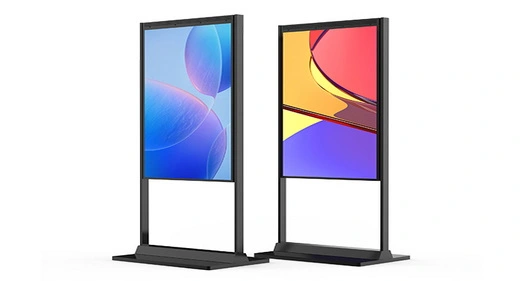
Understanding Semi-Outdoor Window Facing Displays
Semi-outdoor window-facing displays are great for fashion and retail stores that want to improve awareness without exposing their products to the harsh outdoor elements. These screens are more durable and brighter than fully outdoor screens, which is what you need to draw people into your store through the windows.
Core Features and Technologies
Advanced LED lights and better brightness control systems are used in the technology behind semi-outdoor window displays. These screens usually have brightness levels between 2000 and 4000 nits, which means that ads will be clear and bright even in direct sunlight or as the light changes during the day. The screens use premium offline-coated AR glass that makes the pictures very clear and cuts down on the glare and reflections that can happen with setups that face windows. Modern semi-outdoor screens have advanced heat control systems that keep the displays at the right temperature for operation. The screens have effective ways to get rid of heat and can simulate different environments, so they can be used for long periods of time in bright light. These improvements in technology make sure that the displays always work well and last longer, which makes them perfect for long-term advertising in stores.
Differences between Indoor and Outdoor Displays
Semi-outdoor window displays are a special kind of display system that sits between fully indoor and fully outdoor systems. When it comes to window uses, indoor screens aren't bright enough, but semi-outdoor models are brighter while still using less energy. Compared to fully outdoor displays, semi-outdoor versions offer reasonable weather resistance, semioutdoor window facing display, making them good for places with some cover but not needing the extra weatherproofing needed for full outdoor exposure. This difference is especially important for store purchasing managers who are looking at long-term prices and performance needs. Most semi-outdoor displays have IP65 security ratings, which are good enough for window-facing setups because they don't need to be as expensive as IP66-rated outdoor displays.
Installation & Maintenance Guide for Semi-Outdoor Displays
Putting up semi-outdoor window displays that work well requires careful planning and regular maintenance. The construction process requires a careful study of the site and careful placement to ensure maximum exposure and a smooth fit with existing storefronts.
Site Assessment and Positioning
The construction process starts with a full site evaluation that includes measuring the available window space, checking the amount of light in the room, and looking at how people walk around the area. The best placement takes into account things like viewing angles, possible obstacles, and how well the new display fits in with the rest of the store's design. Professional installation teams look at how much structural support is needed and how much electrical equipment is needed. The positioning plan should take into account the best viewing lengths, which are usually between 3 and 15 feet for foot traffic, while also making sure that the display information can be seen clearly during busy buying times. Installation problems that could affect long-term performance can be avoided with safe mounting systems and good wire management.
Maintenance Best Practices
To make devices last longer, routine care plans include ways to clean them, keep them safe from the weather, and fix problems before they get worse. As part of regular cleaning, the surface should be gently cleaned with the right tools and materials that won't hurt the AR layer or the display surface. Inspections once a week help find problems before they affect how well the show works or how the customers feel about it. Some ways to protect against the weather are to check for humidity buildup, make sure there is enough air flow, and check the seals around the hardware. To keep the quality of the ads uniform, proactive troubleshooting includes regular software changes, brightness calibration, and performance tracking. These repair procedures help purchasing managers in stores keep costs down while making sure that displays work properly during the warranty period.
Energy Efficiency Optimization
Energy management techniques are very important for semioutdoor window facing display, keeping prices down, and keeping the efficiency of the display. The recommended brightness levels should change instantly based on the amount of light in the room. This would save power when it's dark outside and make sure there's enough light for seeing during the day. Power management systems can set up display processes to work with shop hours and times when there are a lot of customers. These steps to improve efficiency help create long-lasting display solutions that help companies meet their environmental goals while also keeping long-term operating costs low.
Comparing Semi-Outdoor vs Outdoor Window Facing Displays
Procurement workers can make better choices based on operational environment and business needs when they know the differences between semi-outdoor and fully outdoor display systems. This review gives you important information that you can use to choose the best monitor technology.
Brightness and Weather Resistance
Most semi-outdoor screens have brightness levels between 2000 and 3000 nits, which is bright enough for uses that face a window in partly shaded areas. Displays that are completely outside have higher brightness levels, often surpassing 4000 nits, so they can be seen in direct sunshine and bad weather. The levels of weather protection for these monitor types are very different. Some types that are partially outside have IP65 ratings for security against dust and water getting in for covered installations. Outdoor screens have IP66 ratings, which means they are better protected from the weather. They are resistant to corrosion thanks to improved surface treatment technology, and they can withstand up to 16 levels of wind force.
Cost Analysis and Warranty Considerations
The initial prices of buying semi-outdoor and outdoor display systems are very different. Retailers who want professional-grade performance without the high costs of outdoor displays can use semi-outdoor displays instead. The price difference is usually between 20% and 40%, based on the size and features you need. Warranty coverage and service packages after the sale are also good ways to think about value. Manufacturers of good products offer extended warranty terms of 3 to 5 years, with full coverage that includes online help 24 hours a day, 7 days a week. Getting insurance through a third-party underwriter adds extra safety against damage or failures that you can't plan for.
Environmental Sustainability Factors
As stores work to meet their corporate social responsibility goals, environmental concerns are becoming more and more important in their buying choices. Because they don't need to be as bright and have better heat control systems, semi-outdoor displays usually use less energy than outdoor displays. Some things that contribute to sustainability are reusable materials, LED technology that uses less energy, and products that last longer, so they don't need to be replaced as often. These things help buyers choose options that are good for the environment while still letting stores advertise effectively.
How to Choose the Best Semi-Outdoor Window Facing Display for Your Retail Needs
To choose the best semi-outdoor display, you need to look at a number of factors, semioutdoor window facing display such as the size of the store, the location, your advertising goals, and how reliable the seller is. This all-around method makes sure that choices about buying are in line with long-term goals and specific business needs.
Evaluation Criteria for B2B Buyers
Key selection factors start with the size and quality of the display, which should be right for the watching distance and the type of content. The best screen size depends on the size of the store, while the location affects the light and safety needs. Advertising goals help figure out what features need to be interactive, how to handle material, and how to connect to other marketing systems. When a supplier is reliable, they make sure their products are of good quality, follow all approval rules, and offer good service. Reliable makers keep foreign certifications from the US, Europe, and Japan to make sure their goods meet quality standards around the world. When evaluating a supplier, you should look at their production capacity, ability to make changes, and service reach in different areas.
Certification and Warranty Considerations
Professional screens need to have the right licenses, such as being marked with the CE mark, meeting FCC rules, and meeting safety standards. These licenses make sure that products are reliable and follow the rules in all places. There should be full coverage for parts, labor, and expert help in the warranty terms. Bulk buy choices often offer big savings on costs for stores with multiple locations or large-scale deployments. Customization services let you make solutions that are unique to your brand, like custom hardware options, software integration that is just right for your needs, and unique form factors.
Trusted Suppliers and Service Packages
Established producers with a foothold around the world offer benefits such as local service support, standardized quality control, and a history of success. To make sure that rollout and operation go smoothly, service packages should include support for installation, training programs, and ongoing expert help. Offering full services makes the buying process easier by combining solutions from the first meeting to installation and continued assistance. These all-inclusive packages help buying managers keep projects as simple as possible while still making sure they are carried out correctly and will be successful in the long run.
Future Trends and Innovations in Semi-Outdoor Window Facing Displays
Long-term financial success in retail digital signs depends on staying ahead of changes in technology and the market. New technologies keep making displays better while also supporting changing store tactics and ways of engaging customers.
Enhanced Display Technologies
The main goals of next-generation display technologies are to use less energy, make images clearer, and let you connect with them more. New LED technologies claim that they will last longer, be more accurate in terms of color, and use less power. These changes help reach environmental goals while also cutting down on costs. Digital signs are becoming more and more able to connect with mobile apps, social media sites, and customer relationship management systems as integration tools keep getting better. These connections make it possible to send personalized content and improve campaigns in real time based on how customers behave and what they like.
Evolving Retail Trends
More and more, attempts to change retail spaces focus on flexible signage solutions that can handle different types of material and changing marketing strategies. Semi-outdoor screens need to be able to semioutdoor window facing display show a wide range of material, from standard ads to engaging games and real-time social media integration. More and more people want flexible display options, which leads to new modular designs, easier installation processes, and better content management systems. These changes make it easier for stores to quickly adjust to changing market conditions while keeping brand experiences uniform across multiple sites.
Strategic Recommendations for Future-Proofing
When buying display systems, scalability should be taken into account to make sure they can handle future growth and technology advances. Upgrades can be made cheaply without having to update the whole system, thanks to modular designs and standardized connections. Investment plans should balance what is needed now with what is expected to be needed in the future. They should take into account things like how technology is changing, how store models are changing, and how customers want to be engaged in new ways. These strategic methods help procurement teams get the best return on their investments and stay ahead of the competition in retail settings that are always changing.
Conclusion
Fashion and retail stores that want to make their storefronts more visible and get customers involved should definitely buy semi-outdoor window-facing displays. For window-facing uses, these high-tech systems offer the best mix of speed, durability, and value for money. The technology keeps getting better, adding new features, using less energy, and being able to connect to more systems, all of which help with current retail tactics. Careful thought about technical specs, dependable suppliers, and long-term service support guarantees a smooth execution and long-term value from these display purchases.
FAQ
1. What brightness level is optimal for semi-outdoor window displays?
Between 2000 and 3000 nits of brightness is ideal for most semi-outdoor window uses because it makes things very clear. This range makes sure that the material can be seen clearly during the day, while also saving energy and making the display last longer.
2. How do weather protection requirements differ for semi-outdoor displays?
Semi-outdoor screens need to have IP65 ratings to make sure they can handle dust and water. This level of protection is good for window installations that are partly covered but don't need the extra weatherproofing that is needed for fully outdoor installations.
3. What warranty coverage should I expect from quality manufacturers?
Reputable makers usually offer warranties that cover everything for three to five years. These warranties cover parts, professional help, and access to services all over the world. Options for longer warranties and insurance coverage offer extra safety for bigger purchases.
4. Can semi-outdoor displays integrate with existing marketing systems?
These days, semi-outdoor screens can connect to content management systems, social media sites, and apps that help with customer interaction. These connection features let you use omnichannel marketing strategies and dynamic content changes.
5. What maintenance requirements should I plan for semi-outdoor installations?
Maintenance tasks include cleaning once a week, checking the system's performance once a month, and updating the software every three months. Professional service contracts can include planned maintenance programs that keep technology running at its best and extend its life.
Partner with Uniview Commercial for Premium Semi-Outdoor Display Solutions
Providing cutting-edge digital signage solutions especially suited for fashion and retail uses, Uniview Commercial is your go-to semioutdoor window facing display maker. Our high-tech displays have protection grades of IP65/66, high-brightness technology running from 2000 to 4000 nits, and a build that doesn't rust thanks to European surface treatment technology. We offer full customization services, longer contracts of 3 to 5 years, semi-outdoor window-facing display, and 24-hour global support. We have been doing business around the world for more than 10 years and are present in more than 100 countries. For more information on how our premium semioutdoor window facing display options can change your store advertising strategy, please email us at sales@univiewlcdisplay.com.
References
1. Digital Signage Market Analysis: Semi-Outdoor Display Technologies and Retail Applications. International Display Technology Research Institute, 2024.
2. Retail Window Display Effectiveness Study: Impact of Digital Signage on Customer Engagement. Journal of Retail Marketing Technology, Vol. 45, No. 3, 2024.
3. Weather Protection Standards for Semi-Outdoor Electronic Displays: Engineering Guidelines and Best Practices. Society of Display Engineers Professional Standards, 2024.
4. Energy Efficiency in Commercial Digital Signage: Comparative Analysis of Semi-Outdoor vs Outdoor Display Systems. International Energy Efficiency Association, 2024.
5. Global Retail Digital Signage Investment Trends: Technology Adoption and ROI Analysis. Retail Technology Research Foundation, 2024.
6. Semi-Outdoor Display Installation Guidelines for Commercial Retail Environments. Professional Display Installers Association Technical Manual, 2024.
Learn about our latest products and discounts through SMS or email