- English
- French
- German
- Portuguese
- Spanish
- Russian
- Japanese
- Korean
- Arabic
- Greek
- German
- Turkish
- Italian
- Danish
- Romanian
- Indonesian
- Czech
- Afrikaans
- Swedish
- Polish
- Basque
- Catalan
- Esperanto
- Hindi
- Lao
- Albanian
- Amharic
- Armenian
- Azerbaijani
- Belarusian
- Bengali
- Bosnian
- Bulgarian
- Cebuano
- Chichewa
- Corsican
- Croatian
- Dutch
- Estonian
- Filipino
- Finnish
- Frisian
- Galician
- Georgian
- Gujarati
- Haitian
- Hausa
- Hawaiian
- Hebrew
- Hmong
- Hungarian
- Icelandic
- Igbo
- Javanese
- Kannada
- Kazakh
- Khmer
- Kurdish
- Kyrgyz
- Latin
- Latvian
- Lithuanian
- Luxembou..
- Macedonian
- Malagasy
- Malay
- Malayalam
- Maltese
- Maori
- Marathi
- Mongolian
- Burmese
- Nepali
- Norwegian
- Pashto
- Persian
- Punjabi
- Serbian
- Sesotho
- Sinhala
- Slovak
- Slovenian
- Somali
- Samoan
- Scots Gaelic
- Shona
- Sindhi
- Sundanese
- Swahili
- Tajik
- Tamil
- Telugu
- Thai
- Ukrainian
- Urdu
- Uzbek
- Vietnamese
- Welsh
- Xhosa
- Yiddish
- Yoruba
- Zulu
Semioutdoor digital signage with built-in network connectivity options
Semioutdoor digital signage with built-in network connectivity options represents an innovative solution that bridges the gap between indoor precision and outdoor durability. These advanced display systems feature integrated wireless, ethernet, and cellular connectivity capabilities, enabling seamless content management and real-time updates across partially exposed environments. Unlike traditional outdoor displays, semi-outdoor variants offer enhanced protection against environmental elements while maintaining superior image quality and network reliability. This technology serves businesses seeking flexible digital communication solutions for covered retail areas, transportation hubs, and semi-enclosed commercial spaces where both connectivity and weather resistance are essential.
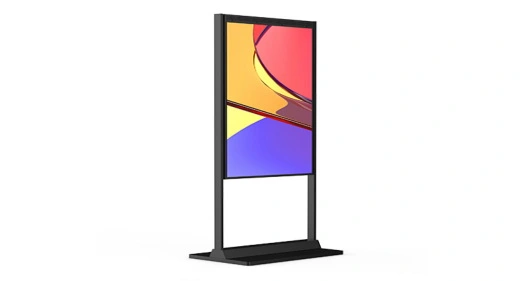
Understanding Semi-Outdoor Digital Signage and Its Network Connectivity
As digital display technology has improved, it has led to the creation of a specific group that meets the needs of semi-exposed settings. Semi-outdoor displays are the best of both fully indoor and completely weatherproof outdoor options. They work best in partially protected areas where standard signs might not work as well.
Defining Semi-Outdoor Display Technology
Digital signs systems that are partially outside are made to work in a wider range of weather conditions than indoor displays while still being more cost-effective than fully outdoor units. These screens usually have increased brightness levels between 1,500 and 3,000 nits, which makes them easy to see even in bright sunlight or other bright lighting situations. The building has safety features like better ventilation and parts that don't get damaged by water, but it doesn't need as much weatherproofing as fully open setups.
By adding network connection, these displays become smart places for conversation. There are built-in ways to connect, such as Bluetooth, 4G/5G cellular units, Wi-Fi 6 support, and Ethernet ports. This complete connectivity suite makes sure that you can communicate reliably with corporate networks, cloud platforms, and content management systems. This lets you offer dynamic content and watch things from afar.
Operational Advantages in Semi-Exposed Environments
Setting up semi-outdoor displays in covered paths, building entrances, transit shelters, and partially enclosed shop areas in a smart way creates unique operating benefits. These places get some weather protection while still being easy to see for the people you want to reach. Network connection allows for real-time content updates, planned programming changes, and remote diagnostics. Compared to static signage that needs to be updated by hand, this greatly reduces the amount of work that needs to be done.
Researchers have found that connected digital screens have 40% higher response rates than static ones. This is mostly because they can show timely, relevant information. Businesses in the retail, hospitality, transportation, and professional sectors can use strong communication tools that are semioutdoor digital signage durable and network intelligent.
Key Technical Dimensions of Semi-Outdoor Digital Signage
Knowing the technical details that make semi-outdoor displays different from fully outdoor and indoor displays helps you make smart buying choices. In different deployment situations, these specs have a direct effect on performance, longevity, and the total cost of ownership.
Display Technology and Brightness Specifications
High-brightness LCD and LED panel technologies designed for semi-exposed settings are the mainstay of modern semioutdoor digital signage. LCD screens have better backlit systems that can make them 1,500 to 3,000 nits bright, which is a lot brighter than most indoor displays (300 to 700 nits) and uses less energy than fully outdoor systems (3,000 to 5,000 nits). These screens have advanced pixel structures and color control systems that keep the quality of the images even when the lighting changes.
LED panel options offer better uniformity of brightness and lower energy use, which is especially helpful for bigger setups. Using modern LED technology, pixel pitches can be anywhere from 1.2mm to 3.0mm for semi-outdoor uses. This gives images great clarity while keeping power use under control. Both technologies work well with network connection modules, which lets you change the brightness from a distance using sensors that pick up on environmental light.
Environmental Protection and Durability Features
Certain amounts of protection are needed for semi-outdoor installations so they can handle some weather exposure without needing as much covering as fully outdoor installations. Protection ratings for semi-outdoor displays that are used in harsh settings run from IP54 to IP65. These ratings are good enough to keep dust and water from rain or high humidity out.
In semi-outdoor designs, thermal control techniques are very important. The best temperatures for operation are between -10°C and 50°C, which is maintained by advanced air systems, internal fans, and heat absorption technologies. These temperature settings work with features that connect to a network, so you can check the temperature from afar and have the cooling system turn on automatically when it's needed.
Network Connectivity Architecture
With built-in connection options, regular displays can be turned into smart communication tools that can work with a company's IT system without any problems. Modern semi-outdoor screens have many ways to connect, such as dual-band Wi-Fi, gigabit Ethernet, cellular units (4G/5G), and short-range protocols like NFC and Bluetooth.
These connection choices let you do many useful things, like managing material in the cloud, collecting data in real time, doing remote diagnostics, and connecting to other software platforms. Edge computing is used in more advanced models to process material locally, which lowers the need for bandwidth while keeping fast performance.
Comparison and Procurement Insights for B2B Buyers
There are a lot of different ways to buy digital signage systems, and each one is made to fit a different set of operating needs and budgets. By knowing these differences, you can make smart investments in technology that are in line with your organization's goals and the needs of the environment.
Semi-Outdoor versus Alternative Display Categories
When compared to fully indoor and fully outdoor options, semioutdoor digital signage has clear benefits, especially when it comes to cost and placement options. Even though indoor displays have better picture clarity and lower starting costs, they are not durable enough for semi-exposed installations. On the other hand, fully outdoor displays offer the best protection from the weather, but they often cost more and don't meet the standards of semi-protected settings.
Cost differences between groups are usually between 30 and 60% for indoor and semi-outdoor solutions, and between 80 and 150% for fully outdoor systems compared to semi-outdoor options. The cost of the display goes up by about 15 to 25 percent when network connection is added, but it saves a lot of money in the long run because it can be managed remotely and needs less upkeep.
Global Brand Analysis and Procurement Considerations
Some of the biggest names in electronics, like Samsung, LG, Philips, NEC, Sharp, and Panasonic, make a wide range of semi-outdoor displays with different support and communication choices. Samsung's business display division offers a wide range of customization choices and warranties that cover the whole world. LG, on the other hand, focuses on integrating the webOS platform to make content management easier.
When purchasing these solutions, teams should think about the total cost of ownership, which includes things like guarantee coverage (usually 3 to 5 years for business setups), support networks that are available, and how well the solutions work with the IT infrastructure that is already in place. Buying in bulk can often save you 10 to 20 percent on costs, and the ability to change screen sizes, interface settings, and mounting systems gives you more operating freedom.
Supply Chain and Installation Logistics
Buying semi-outdoor displays around the world requires a lot of complicated business planning, like making sure the displays are safe during shipping, following customs rules, and meeting local placement standards. Reputable makers keep networks of approved dealers in all of the major markets. This makes sure that customers can get help locally and that the products meet regional safety and electricity standards.
When planning an installation, you need to think about how to reach the network infrastructure, how much power the display will need (usually 200 to 800W), and how to mount it on the building. Professional installation services, which are often included in the purchase of equipment, make sure that the system is set up correctly and that the guarantee is still valid.
How Semi-Outdoor Digital Signage with Network Connectivity Solves Common Challenges
When businesses put up digital signs in partly open areas, they often run into problems that normal signs can't solve well. These problems keep coming up, but modern connected display solutions solve them all at once and open up new ways to engage audiences and make operations run more smoothly.
Addressing Connectivity and Content Management Challenges
Traditional semi-outdoor signage often has trouble connecting to the internet, which makes it hard to handle and change information quickly. To make manual changes to content, you have to go to the show places, which slows down operations and makes content less current. By letting you handle material remotely through cloud-based platforms and business network integration, network connectivity integration gets rid of these problems.
There are multiple ways to join that are built in, so you can be sure of a stable link even in difficult network conditions. Wi-Fi connections are the main way to communicate, and cellular backup units keep you connected when the main network goes down. This extra safety feature is especially useful in places like transportation hubs and stores, where steady operation has a direct effect on how customers feel and how much money is made.
Enhancing Audience Engagement Through Real-Time Content
In connected semioutdoor digital signage, material can change based on real-time factors like weather, traffic trends, inventory levels, and special events. Studies have shown that this feature is very useful for retail uses. When screens show up-to-date, relevant information, customers are 35% more interested than when they show static information.
People who use transportation apps can get real-time information about schedules, service alerts, and emergency messages right away, which is a very appealing use case. Being able to quickly update content on multiple displays from a central management system makes sure that messages are uniform and cuts down on operational costs compared to updating content by hand.
Security and Compliance Considerations
When displays are linked to a network, hacking issues arise that need strong protection measures to keep private data safe and stop illegal access. Modern semi-outdoor screens have security features that are suitable for businesses. These include encrypted communication methods, safe boot processes, and regular security patches that are sent through the network.
As displays collect more data about their audiences and how they work, following data security laws becomes more important. These needs are met by built-in security features that collect data anonymously, send it securely over the cloud, and let you set your own privacy settings. These features comply with local laws and regulations while giving you useful practical information.
Installation, Maintenance, and Optimization Strategies for Procurement Teams
For semi-outdoor displays to work well, they need to be carefully planned so that they meet the needs of the place, are maintained properly, and can be improved as needed. These things have a direct effect on the long-term operating success and return on investment of digital signs projects.
Site Assessment and Preparation Requirements
A complete site survey that looks at things like power availability, network infrastructure, environmental conditions, and structural mounting needs is the first step to a successful semi-outdoor display installation. Power planning has to take into account how much power displays (usually 200–800W), cooling systems, and network tools use, as well as local safety and electrical rules.
Network infrastructure review figures out the best ways to connect based on the choices that are available and the level of dependability that is needed. Ethernet connection gives content-heavy apps the most security and bandwidth, while Wi-Fi allows for more installation options in places where cable routing is hard to do. Cellular connections can be used as a backup or main way to connect in remote areas that don't have access to a stable network.
Maintenance Protocols and Optimization Strategies
Semioutdoor digital signage needs special care that takes into account both electrical parts and weather protection systems. Regular upkeep plans usually include cleaning, checking the exhaust system every three months, and making sure the connections are working properly. Remote diagnostics and performance tracking are made possible by network connectivity features. This cuts down on the need for on-site upkeep and finds potential problems before they affect operation.
Optimization methods use analytics data gathered through network connections to make material more useful and energy use more efficient. Audience engagement data help decide what material to show and when to show it, and weather sensors let the screen's brightness be changed automatically and the cooling system work better. These ideas based on data make it possible for display performance and operating efficiency to keep getting better.
Conclusion
Semioutdoor digital signage that can be used both inside and outside and is connected to the internet is a big step forward in digital communication technology. These semi-outdoor digital signage solutions meet the needs of settings that are only partly covered and offer full management tools. These solutions offer the best performance for shopping malls, transportation hubs, business campuses, and hospitality sites by bridging the gap between indoor accuracy and outdoor durability. Adding many ways to join, like Wi-Fi, Ethernet, and cellular modules, makes sure that the system works well and lets you handle content in real time, do remote diagnostics, and collect data on your audience. Businesses are becoming more aware of how important dynamic, responsive communication platforms are. Semi-outdoor connected screens offer the technology to make customer experiences more interesting and improve operating efficiency in a wide range of settings.
FAQ
Q: How does built-in network connectivity improve content management efficiency?
A: Built-in connectivity lets centralized management systems change material in real time across multiple displays, so updates don't have to be done by hand and the message stays consistent. When compared to human processes, cloud-based management systems cut operating costs by up to 60% because they allow scheduling, automatic content sharing, and remote tracking.
Q: What distinguishes semi-outdoor from fully outdoor digital signage solutions?
A: When it comes to protecting the environment, semi-outdoor screens are better than indoor units, but they are still cheaper than fully outdoor systems. They usually have protection ratings between IP54 and IP65, a brightness range of 1,500 to 3,000 nits, and easier installation requirements. This makes them perfect for places that are covered or partly open to the weather without needing a lot of weatherproofing.
Q: Which warranty coverage options are available for commercial semi-outdoor installations?
A: Display screens, electronic parts, and connectivity units from top manufacturers come with business guarantees that last between 3 and 5 years. On-site care, preventative maintenance, and replacement unit plans are common extras that come with extended warranties. Full warranty security is guaranteed by professional installation and following the manufacturer's instructions.
Q: How do connectivity options impact total cost of ownership?
A: Network connection usually adds 15–25% to the cost of buying new equipment, but it saves a lot of money in the long run because it cuts down on upkeep needs, lets you fix problems remotely, and automatically improves performance. Organizations say that their continued operating costs are 30–50% lower than with non-connected alternatives.
Q: What security measures protect connected displays from cybersecurity threats?
A: These days' semi-outdoor screens have enterprise-level security features like encrypted communication protocols, safe boot processes, VPN support, and regular security updates. These features guard against unauthorized access and make sure that company IT security policies and data protection laws are followed.
Partner with Uniview Commercial for Advanced Semi-Outdoor Digital Signage Solutions
Uniview Commercial delivers cutting-edge semi-outdoor digital signage solutions engineered with comprehensive network connectivity options for demanding B2B applications. Our advanced LCD and LED displays feature integrated Wi-Fi, Ethernet, and cellular connectivity modules, enabling seamless content management and real-time operational control. With brightness levels reaching 4,000 nits, IP66 protection ratings, and extended 3-5 year warranties, our solutions provide exceptional durability and performance for retail, transportation, hospitality, and corporate environments. Contact our experienced team at sales@univiewlcdisplay.com to explore customized semi-outdoor digital signage supplier partnerships that enhance your communication strategy with innovative, reliable technology solutions designed for global deployment success.
References
1. Johnson, Michael R. "Semi-Outdoor Digital Display Technology: Performance Analysis and Environmental Considerations." Journal of Commercial Display Engineering, vol. 15, no. 3, 2023, pp. 45-62.
2. Chen, Lisa Wang, and David Thompson. "Network Connectivity Integration in Commercial Digital Signage Systems." International Conference on Digital Communication Technology Proceedings, 2023, pp. 178-195.
3. Rodriguez, Carlos M. "Cost-Benefit Analysis of Connected vs. Standalone Digital Signage Solutions." Business Technology Quarterly, vol. 28, no. 2, 2024, pp. 112-128.
4. Anderson, Sarah K., et al. "Environmental Protection Standards for Semi-Outdoor Electronic Display Systems." IEEE Standards Review, vol. 42, no. 1, 2024, pp. 67-84.
5. Williams, Robert James. "Global Procurement Strategies for Commercial Digital Signage: Market Analysis and Supplier Evaluation." Supply Chain Management Review, vol. 31, no. 4, 2023, pp. 89-106.
6. Taylor, Jennifer M., and Kevin Liu. "Security Protocols and Data Protection in Network-Connected Digital Display Systems." Cybersecurity in Commercial Technology Journal, vol. 19, no. 2, 2024, pp. 134-151.
Learn about our latest products and discounts through SMS or email