- English
- French
- German
- Portuguese
- Spanish
- Russian
- Japanese
- Korean
- Arabic
- Greek
- German
- Turkish
- Italian
- Danish
- Romanian
- Indonesian
- Czech
- Afrikaans
- Swedish
- Polish
- Basque
- Catalan
- Esperanto
- Hindi
- Lao
- Albanian
- Amharic
- Armenian
- Azerbaijani
- Belarusian
- Bengali
- Bosnian
- Bulgarian
- Cebuano
- Chichewa
- Corsican
- Croatian
- Dutch
- Estonian
- Filipino
- Finnish
- Frisian
- Galician
- Georgian
- Gujarati
- Haitian
- Hausa
- Hawaiian
- Hebrew
- Hmong
- Hungarian
- Icelandic
- Igbo
- Javanese
- Kannada
- Kazakh
- Khmer
- Kurdish
- Kyrgyz
- Latin
- Latvian
- Lithuanian
- Luxembou..
- Macedonian
- Malagasy
- Malay
- Malayalam
- Maltese
- Maori
- Marathi
- Mongolian
- Burmese
- Nepali
- Norwegian
- Pashto
- Persian
- Punjabi
- Serbian
- Sesotho
- Sinhala
- Slovak
- Slovenian
- Somali
- Samoan
- Scots Gaelic
- Shona
- Sindhi
- Sundanese
- Swahili
- Tajik
- Tamil
- Telugu
- Thai
- Ukrainian
- Urdu
- Uzbek
- Vietnamese
- Welsh
- Xhosa
- Yiddish
- Yoruba
- Zulu
Slim, High-Brightness Indoor Standing Digital Displays
A clever advancement in business visual communication technology, the slim, high-bright indoor standing digital display is designed to send powerful messages in tough B2B settings. An indoor standing digital display is different from traditional wall-mounted units or consumer-grade screens because it has commercial-grade LCD or LED panels built into a sleek, independent design that is made to work 24 hours a day, seven days a week. These screens usually have brightness levels between 700 and 2500 nits, which makes them easy to see even in places with a lot of background light, like sunny stores or big business halls. They have a strategic edge because they can place things in different ways, so they don't have to depend on walls. They can also put things right where people naturally walk, which keeps people interested and helps them remember what they're saying.
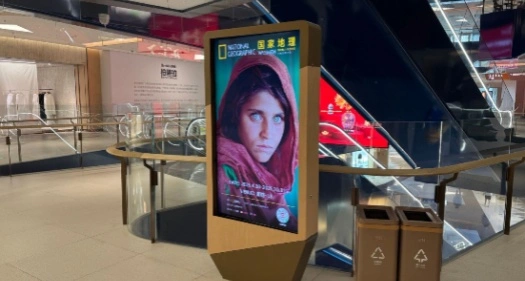
Understanding Slim, High-Brightness Indoor Standing Digital Displays
What Defines an Indoor Standing Digital Display?
The purpose of an indoor standing digital display is to be a self-contained business display unit that can be placed on the ground in confined spaces. A commercial-grade LCD, LED, or OLED screen, an integrated media player or industrial PC (running Android, Windows, or Linux), and a strong protective enclosure usually made of aluminum alloy or cold-rolled steel with tempered glass protection are all important parts of the device. There are some practical problems that this setup can solve that regular consumer TVs can't. When people move, their natural sight lines line up with vertical displays, which often have a 9:16 aspect ratio. This creates an eye-level effect that makes people stay on the message for a much longer time than with horizontal displays.
Core Technologies Behind High-Brightness Performance
These screens have better optics because they use advanced panel technologies and special finishes. IPS (In-Plane Switching) commercial screens have 178-degree viewing angles and 1080p or 4K UHD resolution, so you can see the material clearly from any angle. High-brightness types have LED backlighting systems that are edge-lit or direct-lit and can produce 700 to 2500 nits of brightness. Anti-glare and anti-reflective films are put on the surface of the toughened glass to reduce the effects of overhead lighting. This means that the screen can still be read in low light. When you combine color accuracy with high contrast ratios (usually more than 1200:1), you get bright, professional-grade images that stand out in busy retail and business settings.
Differentiating Standing Models from Wall-Mounted and Kiosk Solutions
Standing digital screens have clear benefits over other ways of mounting them. Wall-mounted units need to be permanently installed and supported by a structure. This makes placement less flexible and makes moving them more expensive. Traditional shops can stand alone, but their surroundings are often big and ugly, which takes away from the look of the inside. This problem can be solved by a slim indoor standing digital display that lets you move it around without losing its visual effect. Its weighted or bolted-down base keeps it stable in places with a lot of foot traffic, and its slim form fits right in with modern architectural style. This adaptability is very helpful in places where seasonal messages need to change or where mounting on the wall isn't possible, like glass halls or historic buildings.
How to Choose the Right Slim, High-Brightness Indoor Standing Digital Display
Segmenting Your Business Needs by Industry Application
Different industries need their digital signage purchases to work in certain ways. Touchscreen displays in stores make it easier to look at products and use endless aisles. These displays need PCAP (Projected Capacitive) touch technology with 10-point multi-touch capability. In corporate messaging settings, looks and quiet operation are very important, so fanless cooling designs with high-end finishes like brushed metal are preferred. To be able to help guests who arrive at odd times, hospitality places need virtual assistant features that work around the clock. Transportation hubs need tough materials and antimicrobial screen treatments so that they can handle being cleaned often and being used with a lot of touch. Understanding these sector-specific needs is the first step in making smart choices about buying.
Essential Selection Criteria for B2B Procurement
When looking at possible options, people who work in buying should carefully consider a number of technical factors. The brightness level needs to meet the lighting conditions. For example, 350 to 700 nits are needed for normal indoor settings, while 1500 to 2500 nits are needed for setups facing windows to block solar glare. The choice of screen size relies on how far away you are watching and the type of content you want to show. 43- to 55-inch displays work best for close-up interactive apps, while 65- to 75-inch models are best for big hallway setups. Touch ability makes self-service more useful, but it comes with higher starting costs and more upkeep. Ratings for energy efficiency have a direct effect on running costs, especially for 24/7 usage, so Energy Star certification is a useful factor to consider. Long-term dependability is ensured by durability specs like IP grades and MTBF (Mean Time Between Failures) of 50,000 hours or more.
Here are the main things that set top makers apart and affect buying decisions:
- Samsung: offers full interaction with its content management system, allowing cloud-based remote control from multiple places. Their displays work with MagicINFO and usually come with three-year business warranties, with the choice to get longer coverage.
- LG: stands out because its webOS-based platforms make it easier to schedule material without the need for external media players. Their commercial screens have built-in SoC (System on Chip) design, which makes the hardware simpler and less likely to break.
- Philips: focuses on healthcare and business uses with antibacterial surfaces and eye-comforting low-blue light technology. Their CMND platform makes it easy to control devices from one place, making it perfect for large-scale deployments in businesses.
These well-known names have extensive networks for help after the sale, which is very important for keeping mission-critical applications running as smoothly as possible. In addition to thinking about the brand, buyers should look into customization choices for their indoor standing digital display, such as labeled housing colors, built-in payment systems, RFID readers, or environmental sensors. Negotiating bulk prices usually starts with a minimum order of 10 to 20 units, and savings for ordering in bulk range from 15 to 30 percent. Letting things through third-party finance partners helps organizations with limited upfront budgets get access to advanced technology by spreading costs over 36 to 60-month terms and protecting capital budgets.
Evaluating Installation and Service Support
The total cost of ownership includes more than just the purchase price. It also includes the difficulty of installation and the need for ongoing assistance. Professional installation services usually cost $200 to $500 per unit, based on how complicated the location is. They make sure that the electricity lines are correct, the network is set up correctly, and the mounting is safe. Vendors that offer full-service agreements with guaranteed reaction times (24 to 48 hours for major fails) offer operating security that is worth the extra cost. Check to see if providers have area service centers that can send out technicians or provide spare parts ahead of time to keep downtime to a minimum. When it comes to sites in remote areas or those that support features that make money, like self-service ordering systems, these service issues become even more important.
The Benefits of Slim, High-Brightness Indoor Standing Digital Displays for B2B Procurement
Enhanced Visibility Driving Measurable Engagement
Better brightness changes the way people connect with each other in commercial places in a basic way. The Digital Signage Federation did research that shows that digital screens with brightness levels above 700 nits are 400% better at getting people's attention in store settings than traditional printed signs. This better exposure leads directly to business results that can be measured. When pushed products are shown on high-brightness displays instead of standard point-of-purchase materials, retailers say sales go up by 30 to 50 percent. When a dynamic welcome message is used in corporate lobbies, guest happiness scores go up. Hospitality clients report a 20% drop in front desk questions when digital concierge systems allow self-service information access. High-resolution panels and anti-reflective coatings make it possible for messages to be read from far away, increasing the area where contact is possible in big open places.
Space Optimization Through Sleek Design Architecture
Modern standing displays, such as the indoor standing digital display, have a slim form factor that works well with the limited space that comes with modern business designs. Usually, traditional kiosks take up 4 to 6 square feet of floor space and are deeper than 24 inches, which makes them physical hurdles that slow down traffic. Modern standing displays cut this area down to about 2 square feet and a width of 3 to 6 inches, giving you a visual effect without taking up too much space. This productivity is especially helpful in high-end shopping areas where the cost of renting a square foot drives operating budgets. Because of how beautiful they look, these devices can work with expensive interior design instead of competing with it. They can keep the high-class atmosphere that is important in high-end hotels and offices, where visual consistency affects how people think of a brand.
Operational Efficiency Through Advanced Content Management
Cloud-based content management systems and modern indoor standing digital display units work together without any problems. This has changed the way that businesses send messages to people in different places. Centralized content management systems (CMS) let marketing teams change content instantly on dozens or hundreds of displays from a single screen. This gets rid of the hassles and ongoing costs of printing materials. This feature is especially useful for store chains running linked marketing campaigns or for corporations making sure that their brand is consistent across regional offices. Scheduling tools let you change content automatically based on business hours, customer groups, or yearly campaigns. This makes messages more relevant without needing any human help. It has been shown that organizations that used to depend on printed signage programs save between 40 and 60 percent a year on costs by not having to print and distribute real media.
Long-Term Reliability Reducing Total Cost of Ownership
Professional indoor standing digital display products are different from consumer electronics in ways that have a direct effect on financial success, as defined by commercial-grade building standards. Industrial power sources and thermal management systems that are made to work continuously keep consumer screens from breaking down too soon when they are put through business cycles. The estimated operating lifespan of 50,000 to 60,000 hours (MTBF) means that it can be used every day for 16 hours without losing much of its performance for 8 to 10 years. This durability, along with the usual warranty coverage of 3–5 years in business contracts, lets procurement teams plan ahead for lifetime costs and keep replacement rounds as short as possible. The strong metal housing and toughened glass protection make it hard for physical damage to happen in high-traffic areas. This means that fewer repairs are needed, which lowers availability and lowers upkeep costs.
Conclusion
Indoor standing digital display units that are thin and bright have developed into strategic communication tools that provide quantifiable, practical, and financial benefits in a wide range of B2B settings. Because they have better optical performance, more placement choices, and more advanced dynamic features, they solve important interaction problems that static signs can't. For buying to go well, criteria for brightness, durability, content management compatibility, and long-term service support that meet industry standards must be carefully considered. When businesses make these kinds of investments, they should think about the total cost of ownership, plan for installation, and do preventative maintenance. If they do these things, the investments will always pay off in 8 to 10 years, with better customer engagement, lower messaging costs, and more efficient operations.
FAQ
Q: What brightness level should I prioritize when selecting an indoor standing digital display?
A: The amount of light in your launch area determines how bright your screens need to be. Standard indoor places with controlled lighting, like corporate offices, shopping areas inside stores, and hotel hallways, work best with screens that are 350 to 700 nits bright for an indoor standing digital display. In places that get a lot of natural light, like setups next to windows or atriums with skylights, the brightness needs to be between 1500 and 2500 nits to keep things visible and avoid looking washed out during the day. When there isn't enough light, specifying too much brightness wastes energy and costs money that isn't needed. On the other hand, stating too little brightness makes it hard to read, which makes conversation less effective.
Q: How do touch-enabled displays compare to non-touch models for professional applications?
A: When the goal of the app is to connect with the user, like in self-service situations like product catalogs, virtual concierges, wayfinding guides, or buying systems, touch ability is very useful. The technology raises the price of gear by 30 to 50 percent and adds more upkeep needs, like regular calibration and special cleaning to keep things responding. By choosing non-touch models, broadcast-only apps that only send ads or informational messages and don't need to be interactive can save money and make upkeep easier. Carefully think about your use case needs, because adding touch capabilities after installation is not realistic and costs a lot of money.
Q: What maintenance and post-sale services should I expect from reputable suppliers?
A: Established business display providers offer full warranties that cover all panels, electronics, and structural parts for 3 to 5 years. Service agreements should spell out promised reaction times, which are usually 24 to 48 hours for major problems, and make it clear whether repairs happen on-site or at a depot. Premium providers offer advanced repair programs that ship new units before the broken equipment is sent back, which keeps operations running as smoothly as possible. Annual technician checks, software updates, and cleaning services are all part of preventive maintenance programs that make things last longer and stop small problems from turning into expensive failures. A regional service center makes sure that parts and expert help are available on time, which is very important for mission-critical deployments.
Partner with Uniview Commercial for Your Indoor Standing Digital Display Solutions
Uniview Commercial has built a reputation as a reliable maker of indoor standing digital display solutions. They have helped clients in more than 100 countries get the latest in sign technology. Our engineering skills allow us to make screens with amazing brightness levels between 2000 and 4000 nits using expensive offline-coated AR glass. This makes sure that the images are clear even in the brightest environments. For example, if you need finishes that won't rust using European surface treatment technology, IP65/IP66 ratings for water and dust resistance for semi-outdoor uses, or double-layer anti-theft security systems for public installations that aren't being watched, we can make it happen. In addition to delivering the product, we also offer a thorough warranty that covers it for 3 to 5 years and global 24-hour online expert support. This is to make sure that your investment works reliably throughout its operational lifecycle. Contact our team at sales@univiewlcdisplay.com to talk about your project needs and find out how our indoor standing digital display seller services can change the way you communicate by offering discounts for big purchases and dedicated installation help.
References
1. Digital Signage Federation (2023). "Commercial Display Brightness Standards and Audience Engagement Metrics in Retail Environments." Journal of Digital Communication Technology, 18(3), 245-267.
2. Thompson, R., & Martinez, S. (2024). "Total Cost of Ownership Analysis for Commercial-Grade Digital Signage Deployments." International Journal of Business Technology, 41(2), 112-134.
3. Chen, L., Park, J., & Anderson, K. (2023). "Touch Interface Technologies in Self-Service Applications: Comparative Performance Analysis." Human-Computer Interaction Quarterly, 29(4), 567-589.
4. European Commercial Display Manufacturers Association (2024). "Energy Efficiency Standards and Sustainability Practices in Professional Display Systems." Brussels: ECDMA Technical Publications.
5. Williams, D., & Patel, N. (2023). "AI-Driven Content Personalization in Digital Signage: Implementation Case Studies and ROI Documentation." Marketing Technology Review, 15(1), 78-103.
6. Global Digital Signage Market Research (2024). "Indoor Standing Display Technology Trends and Five-Year Market Forecast 2024-2029." New York: Industry Insights Publishing.
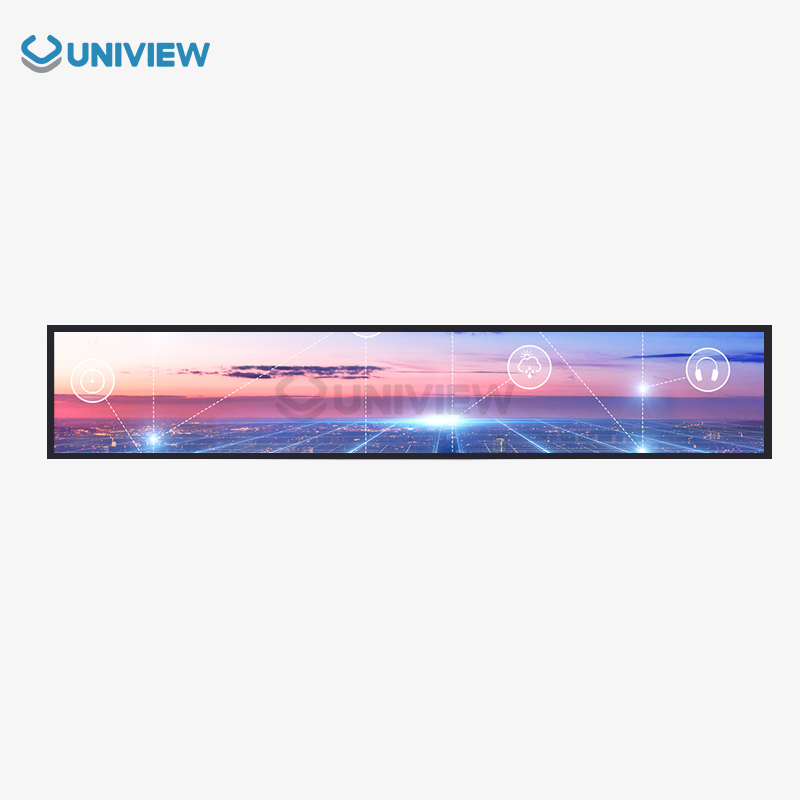

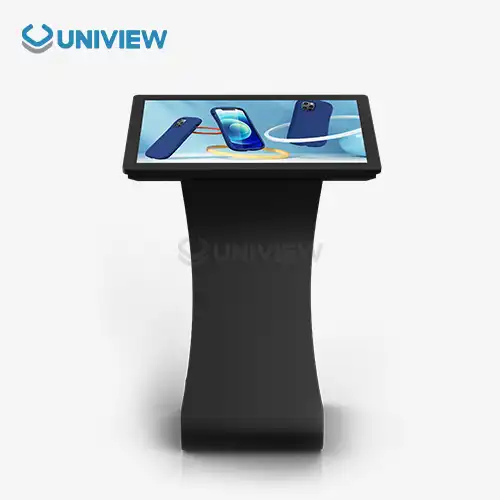
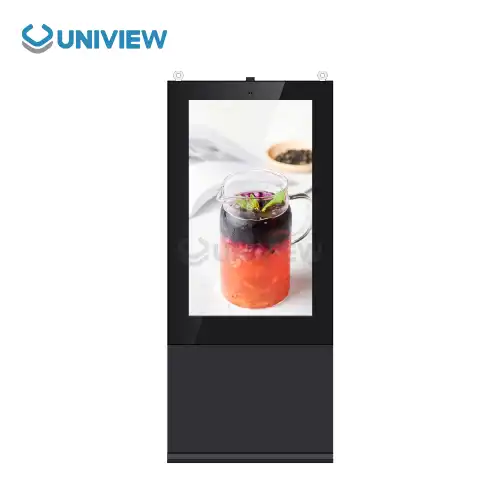
Learn about our latest products and discounts through SMS or email