- English
- French
- German
- Portuguese
- Spanish
- Russian
- Japanese
- Korean
- Arabic
- Greek
- German
- Turkish
- Italian
- Danish
- Romanian
- Indonesian
- Czech
- Afrikaans
- Swedish
- Polish
- Basque
- Catalan
- Esperanto
- Hindi
- Lao
- Albanian
- Amharic
- Armenian
- Azerbaijani
- Belarusian
- Bengali
- Bosnian
- Bulgarian
- Cebuano
- Chichewa
- Corsican
- Croatian
- Dutch
- Estonian
- Filipino
- Finnish
- Frisian
- Galician
- Georgian
- Gujarati
- Haitian
- Hausa
- Hawaiian
- Hebrew
- Hmong
- Hungarian
- Icelandic
- Igbo
- Javanese
- Kannada
- Kazakh
- Khmer
- Kurdish
- Kyrgyz
- Latin
- Latvian
- Lithuanian
- Luxembou..
- Macedonian
- Malagasy
- Malay
- Malayalam
- Maltese
- Maori
- Marathi
- Mongolian
- Burmese
- Nepali
- Norwegian
- Pashto
- Persian
- Punjabi
- Serbian
- Sesotho
- Sinhala
- Slovak
- Slovenian
- Somali
- Samoan
- Scots Gaelic
- Shona
- Sindhi
- Sundanese
- Swahili
- Tajik
- Tamil
- Telugu
- Thai
- Ukrainian
- Urdu
- Uzbek
- Vietnamese
- Welsh
- Xhosa
- Yiddish
- Yoruba
- Zulu
How Can a Standing Digital Screen Boost Your Brand Visibility?
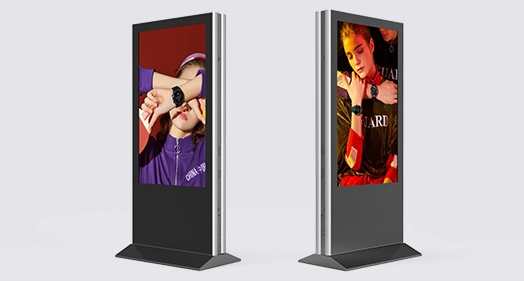
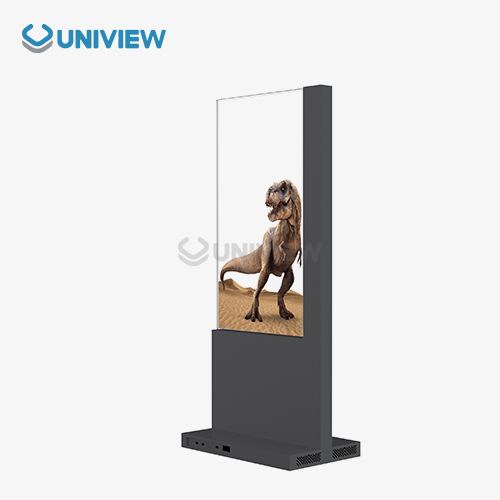
A standing digital screen changes how visible a brand is by putting dynamic, eye-catching content right where people are, without having to build a wall or other permanent infrastructure. These stand-alone displays have commercial-grade LCD or LED screens and built-in media players. This lets businesses send out real-time marketing messages that get more attention than static signs. With brightness levels between 2000 and 4000 nits and a variety of placement options, these units are very useful for getting people to interact with brands in a variety of settings, such as stores, corporate lobbies, trade show floors, and transportation hubs. They create memorable brand experiences that make people remember messages up to 400% better than with traditional printed materials.
Understanding Standing Digital Screens and Their Impact on Brand Visibility
What Makes Standing Digital Screens Essential for Modern Branding
Standing digital screens are a big step forward in the technology used for business displays. Unlike consumer TVs that have been converted for business use, these units were designed to work nonstop, 24 hours a day, seven days a week. Most of the time, the core design includes a commercial-grade screen, an internal System-on-Chip media player, and a power management system, all built into a single steel or metal frame. This design solves important business problems that can't be solved with standard ads.
The strategic benefit is that they don't have to depend on the current infrastructure. A digital display that stands alone only needs a power outlet, while a display that is fixed on the wall needs to be inspected, strengthened, and have its cables hidden. Because of this, businesses can put content right where customers are most likely to notice it, like in entranceways, checkout lines, waiting areas, and show floors. According to research, digital displays that are placed correctly increase dwell time by 30% compared to wall-mounted options. This is closely linked to better brand recall.
Technical Specifications That Drive Visibility Performance
Modern floor-standing displays have features that have a direct effect on how visible a brand is. High-brightness panels with 700 to 4000 nits can be seen through normal lighting conditions that would make regular screens useless. This level of brightness makes sure that content stays clear and understandable in places like stores with lots of windows or restaurants with designer lighting. When people walk, their natural sightlines line up with the vertical 9:16 aspect ratio. This creates an ergonomic connection that horizontal screens can't match.
Resolutions from Full HD to 4K make sure that brand assets are rendered clearly. This is especially important for high-end stores where color accuracy and detail preservation are important for brand messaging. Touch-enabled versions with Projected Capacitive technology let you interact with them as you would on a smartphone, turning idle watching into active participation. At Uniview Commercial, our screens use offline coated AR glass that keeps images very clear even when they are in full sunlight. This way, your brand message will never be washed out by outside lighting.
How Mobility Enhances Strategic Brand Deployment
Because floor-standing units can be moved, they offer strategic freedom that isn't possible with fixed installations. Retailers change their plans with the seasons, corporate event planners need setups that can be changed, and transportation facilities need messages that can adapt to the changing flows of people using their services. These changes are easily handled by digital screens. Units on commercial-grade wheels can be moved in minutes, so businesses can try out different placement options and find the best ones for foot traffic without having to spend a lot of money on renovations.
This freedom to move around directly leads to a better return on investment. Businesses don't have to buy new fixed installations for each zone; instead, they can carefully move current units around based on event or advertising calendars or traffic data. A single high-quality screen can show messages for commuters in the morning in a transit hub, advertising content in the middle of the day in a shopping concourse, and event information in the evening. This makes the best use of assets and keeps the brand's appearance uniform across all touchpoints.
Comparing Standing Digital Screens with Other Display Solutions
Standing Screens Versus Wall-Mounted Displays
When thinking about investments in digital signs, it's important to know the basic differences between choices that stand alone and those that are mounted on the wall. Installing displays on the wall is the best way to make the most of limited space in places like meeting rooms, restaurant tables, and hallways. However, they need to be structurally evaluated to make sure the wall can support the hanging hardware, professionally installed to hide the cables in a way that doesn't look bad, and the content often has to be placed above or below the best viewing angles because of limitations in the architecture.
These problems are completely taken care of by standing digital screens. Installation only takes minutes and doesn't require any special tools. It just includes unpacking, positioning, and adding power. The difference in cost goes beyond installation; businesses don't have to pay to fix walls when they move or end their leases, which is a big deal for stores that rent their space. Performance-wise, standalone units set screens to exact ergonomic heights—usually between 1200 and 1600 mm eye level—that make them easy to see no matter how the place is set up.
When people are sent on short-term missions, the tactical benefit becomes especially clear. Displays that are easy to move and set up quickly are very helpful for trade show sellers, pop-up stores, and holiday sales. Our freestanding units at Uniview Commercial are designed with built-in cable management and stable, weighted bases to ensure professional show quality without the complexity that comes with professional AV installs.
How Digital Kiosks and Interactive Whiteboards Differ
Digital booths and interactive whiteboards are used for different things that are similar to and different from broadcast-focused standing screens. Usually, kiosks focus on business features like directing people to the right place, printing tickets, and setting up products. They do this by using highly customized software interfaces and adding extras like card readers or paper printers. These solutions need a lot of money to be spent on software creation and ongoing IT support. This makes them perfect for certain uses but less flexible for sending general brand messages.
Interactive whiteboards are designed to be used in group settings and focus on allowing users to make notes and connect with each other rather than passively sending content to everyone. Their horizontal layout and specialized software ecosystems work well in classrooms and meeting rooms, but they don't have the strong presence needed for commercial ads. Standing digital screens are the best of both of these specialized solutions because they show interesting broadcast content and can even be touched if needed. They also don't require a lot of IT work because they use standard content management systems and have an immediate visual impact that raises brand awareness rather than making specific transactions possible.
Strategic Use Cases: Enhancing Brand Visibility with Standing Digital Screens
Retail Environments: Driving Traffic and Conversions
In terms of tests, retail is the toughest place for brand awareness technology. People walking by are drawn to standing digital screens that are set up at shop entrances. Motion images are up to 10 times more visually engaging than static window displays. Point-of-sale displays placed near checkout lines turn waiting time into a chance by showing deals, loyalty programs, or related goods just when people are most likely to make a purchase. The Digital Signage Federation did research that shows digital screens can affect up to 30% of buying choices in stores.
These displays are used as "endless aisle" options by high-end stores and luxury galleries to show product catalogs that are longer than their actual inventory allows. Customers can explore different options, see what's available, and even place orders for delivery using interactive touch screens. This lets the store reach more people without having to open up more space. Color accuracy—95% sRGB range or better—is the most important technical requirement in these settings. This makes sure that product images on screen exactly match real goods, protecting brand identity and customer trust.
Wayfinding apps work especially well in shopping malls, where freestanding digital screens can be used as live guides. These units have to deal with a lot of light from skylights by using screens that are 700 nits or brighter and PCAP technology to make touch interactions fast. Strategic placement at mall doors and intersections not only makes it easier to find your way, but it also creates high-quality advertising space that can bring in extra money through third-party brand promotions shown between requests for directions.
Corporate Events and Trade Shows: Commanding Attention
When dozens of competitors are trying to get the attention of attendees at the same time, the exhibition floor presents its own set of problems. In this setting, standing digital screens are very helpful for staying ahead of the competition. Their height makes them stand out from other things at table height, and moving images and interactive content easily catch the eye in a way that static banners can't. The ability to move around is very important in this case because exhibitors can change where they are located throughout the event based on how traffic is moving, which improves exposure as conditions change.
Applications for trade shows need certain technical skills. Standing digital screens need to be able to handle being moved around a lot, so they require strong cases with sides that won't break easily and secure panel fixing. As the message changes over the course of multiple days, content updates need to be easy to carry out. Plug-and-play USB loading or cloud-based content management is ideal for this. Battery-powered choices don't need to be connected to the venue's electricity, but they are heavier and have shorter run times. At Uniview Commercial, we've seen clients get 40–60% more people to interact with their booths when they add high-brightness standing digital screens that show product samples instead of just static graphics.
Freestanding screens work well in conference and meeting settings as registration desks, agenda boards, and places for sponsors to show off their products. In business settings, the professional look is very important. This includes ultra-thin bezels, high-end finishes like brushed metal, and quiet fanless cooling systems that won't mess up displays. These displays make the brand seem more professional while also communicating useful information. They make memories that go beyond what is said and include the surroundings.
Hospitality and Corporate Lobbies: First Impression Amplification
The lobby is a great place to introduce a brand because first impressions are formed in a matter of seconds. These places go from being idle waiting areas to active brand communication zones with the help of standing digital screens. Digital concierge displays in hotels show guests about local sights, eating choices, and event plans. These displays make guests feel like their stays are more valuable and gently reinforce the property's modern, service-oriented image. Corporate offices use lobby displays to show custom welcome messages for planned guests. This shows a level of attention to detail that shows what the organization values.
The technology standards for these uses put an emphasis on how they look and how quiet they are. Fanless cooling designs get rid of the noise that comes from machines that can ruin the quiet atmosphere that hotels and offices try to create. Clean architectural lines are kept with ultra-thin profiles and hidden wiring, which is usually done with floor cable paths or routes built into the base. Display content usually runs on loops that are controlled by content management systems. During work hours, branded content is shown, and at night, the panel goes into ambient or idle mode to save energy and make it last longer.
When it comes to banking and financial service settings, standing screens are needed to support systems for managing lines and sending out financial information. It's necessary to have a high 4K resolution to read small text, like stock tickers, interest rates, and governmental reports. For security reasons, I/O ports that can be locked keep people from using USB drives without permission, and weighted or floor-bolted bases keep the furniture stable in public places with a lot of people. These signs need to give off an air of power and dependability, which affects how people think of the bank's brand.
Conclusion
Standing digital screens are smart investments in brand exposure that pay off in a number of ways in retail, workplace, hospitality, and event settings. Their ability to work without infrastructure, be placed in an ergonomic way, and display live content engages people in ways that static signs can't, and their portability gives you strategic options that you can't get with permanent installs. The best performance is guaranteed by choosing specs that are compatible with the climate and operational needs. Long-term investments are protected by working with makers that offer strong warranties and global support. As IoT and AI technologies get better, smart buying choices made today will set the stage for more advanced personalization features tomorrow. This will protect brand marketing strategies in markets that are becoming more competitive.
FAQ
Q: What brightness level do I need for my standing digital screen?
A: How bright the display needs to be depends on how bright the room is where you'll put it. 450–700 nit screens work well in controlled indoor settings with little natural light. Rooms with windows or roofs need between 700 and 1500 nits of light to stay visible. 1500 to 2500 nits are needed for semi-outdoor covered places, and 2500 to 4000 nits are needed for full sunlight. With improved thermal management, Uniview Commercial's displays can hit 4000 nits, making them easy to read even in bright outdoor situations without lowering performance.
Q: How long do commercial standing digital screens typically last?
A: Commercial-grade screens that are made to work nonstop usually last between 50,000 and 70,000 hours before losing 50% of their light. Based on 16 hours of use per day, this means it will last 8 to 12 years. How long something actually lasts depends on how it's used. High or low temperatures, high humidity, and the brightest settings all speed up the aging process. Good care, enough air flow, and protecting the surroundings all make things last a lot longer. Our longer contracts of 3 to 5 years show that we're sure the products will last, and many of our clients have been using units for well over 10 years.
Q: Can standing digital screens withstand outdoor weather conditions?
A: Outdoor standing displays are specially made to withstand the weather, while indoor models don't have these features. Look for grades of IP65 or IP66 to make sure that dust can't get in and water can't get in when it rains a lot. Metal enclosures that have been treated to avoid corrosion don't rust in seaside or industrial settings. Thermal control systems have to work in temperatures ranging from -30°C to 50°C. Uniview Commercial's outdoor displays have 16-level wind resistance certification, double-layer anti-theft locks, and European surface treatment technology. This makes sure they work reliably in harsh settings where regular commercial displays would break down quickly.
Partner with Uniview Commercial for Superior Brand Visibility Solutions
When it comes to demanding B2B uses, Uniview Commercial's standing digital screen solutions make brands more visible. Our ten years of experience making products guarantees high-quality items with 2000–4000 nits of brightness, IP65–IP66 weather protection, and reliable heat management that can be used 24 hours a day, seven days a week. We know that global B2B clients, system programmers, and brand owners need more than just hardware; they need a standing digital screen maker who offers adaptable customization, quick technical support, and thorough warranties to protect their investment.
Our engineering team in Shenzhen works directly with clients to create custom solutions that meet their unique operating and environmental needs. We come up with solutions that make brands more visible, whether they're outdoor advertising networks that need to be as bright and weatherproof as possible or beautiful hallway installations that need to be quiet and look great. Our relationship goes far beyond delivering products to ensure your long-term success. It includes longer warranties that last 3 to 5 years, global support available 24 hours a day, and full insurance coverage through China Pacific Insurance Company.
Contact our digital signs experts at sales@univiewlcdisplay.com right away to talk about your goals for brand exposure. As a standing digital screen seller, we'll offer expert advice, personalized specs, and prices that are competitive. This shows that we care about your success. You can look at our whole line of products at www.univiewlcdisplay.com and find out why clients in over 100 countries trust Uniview Commercial to help them create amazing brand experiences.
References
1. Digital Signage Federation. (2022). "Digital Signage Audience Measurement Standards and Best Practices." Digital Signage Research Consortium, North American Edition.
2. Roggeveen, A.L., Nordfält, J., & Grewal, D. (2021). "Do Digital Displays Enhance Sales? Role of Retail Format and Message Content." Journal of Retailing, 92(1), 122-131.
3. Intel Corporation & Retail Solutions Providers Association. (2020). "The Impact of Digital Signage on Brand Awareness and Purchase Behavior: A Comprehensive Study." Intel Retail Technology Analysis.
4. InfoComm International. (2023). "Commercial Display Technology Standards: Brightness, Resolution, and Environmental Performance Specifications." AV Technology Standards Publication Series.
5. National Retail Federation. (2021). "In-Store Technology Investment Trends: ROI Analysis of Digital Signage Deployments." NRF Technology Research Council Annual Report.
6. Society for Information Display. (2023). "High-Brightness Display Technologies for Outdoor Applications: Engineering Requirements and Performance Validation." SID Technical Symposium Proceedings, Display Technology Track.
Learn about our latest products and discounts through SMS or email