- English
- French
- German
- Portuguese
- Spanish
- Russian
- Japanese
- Korean
- Arabic
- Greek
- German
- Turkish
- Italian
- Danish
- Romanian
- Indonesian
- Czech
- Afrikaans
- Swedish
- Polish
- Basque
- Catalan
- Esperanto
- Hindi
- Lao
- Albanian
- Amharic
- Armenian
- Azerbaijani
- Belarusian
- Bengali
- Bosnian
- Bulgarian
- Cebuano
- Chichewa
- Corsican
- Croatian
- Dutch
- Estonian
- Filipino
- Finnish
- Frisian
- Galician
- Georgian
- Gujarati
- Haitian
- Hausa
- Hawaiian
- Hebrew
- Hmong
- Hungarian
- Icelandic
- Igbo
- Javanese
- Kannada
- Kazakh
- Khmer
- Kurdish
- Kyrgyz
- Latin
- Latvian
- Lithuanian
- Luxembou..
- Macedonian
- Malagasy
- Malay
- Malayalam
- Maltese
- Maori
- Marathi
- Mongolian
- Burmese
- Nepali
- Norwegian
- Pashto
- Persian
- Punjabi
- Serbian
- Sesotho
- Sinhala
- Slovak
- Slovenian
- Somali
- Samoan
- Scots Gaelic
- Shona
- Sindhi
- Sundanese
- Swahili
- Tajik
- Tamil
- Telugu
- Thai
- Ukrainian
- Urdu
- Uzbek
- Vietnamese
- Welsh
- Xhosa
- Yiddish
- Yoruba
- Zulu
Tailored Indoor Standing Digital Screens for Any Venue
Modern businesses in a wide range of fields know that indoor standing digital screen options can completely change the way customers experience brands. These flexible display systems have changed the way businesses talk to their customers because they can deliver information in a way that fits the needs of any setting. Personalized digital signage systems offer the most freedom and interaction options, whether they are used in busy stores, high-end business lobbies, or busy hospitality areas with a lot of foot traffic. Businesses can raise awareness of their brands and improve contact between departments by using personalized display technology in a smart way.

Understanding Indoor Standing Digital Screens and Their Benefits
Advanced Display Technologies for Modern Venues
Digital signage systems utilize modern LCD and LED screen technologies to deliver exceptional visual performance in business settings. These systems have high-resolution displays that can handle resolutions from 1080p to 4K. This makes sure that the material is clear from a variety of angles. Modern units have a system-on-chip (SoC) design, which means they don't need external media players and can handle complex multimedia materials with ease.
Advanced connectivity choices, such as HDMI, USB-C, and wireless support, make it possible to handle material seamlessly across multiple screens. Touch-enabled models use infrared or capacitive sensor technology, which lets people interact easily with the information they see. Businesses that want professional-grade digital communication solutions can rely on these technology roots to build solid platforms.
Transforming Business Engagement Through Interactive Experiences
Indoor standing digital screen units inside make it easier for customers to connect by letting them do things themselves, which cuts down on wait times and boosts customer happiness. Interactive booths let people get information on their own, like product lists in stores or help finding their way around complicated buildings. This self-directed method works best for customers who like to browse on their own without being interrupted by salespeople.
Digital screens are also great for gathering information about how people use them and what they like to see. Businesses can improve their message strategies by using this useful data feature, which lets them base their decisions on real user behavior instead of guesswork. Commercial-grade screens can run continuously, so they can show the same brand message for longer periods of time. This cuts down on the need for staff for simple information services.
Cost-Effective Solutions with Long-Term Value
Because current digital signage systems are made to use less energy, they are much cheaper to run than older advertising methods. When compared to older display technologies, LED backlighting and clever power control features use a lot less electricity. Commercial-grade panels are made to last and can be used 24 hours a day, seven days a week. This means that they will pay for themselves over and over again.
Here are the main ways that these methods can help your finances:
- Reduced operational expenses: no longer having to pay for making static signs regularly, and not having to hire as many people to work in information services
- Enhanced revenue generation: dynamic price displays and focused advertising content make it easier for people to buy.
- Lower maintenance requirements: less upkeep is needed because solid-state parts and the ability to control services from afar keep service interruptions to a minimum.
- Improved ROI metrics: better return on investment (ROI) metrics, real-time content change,s and optimization based on analytics make ads more effective.
Because of these economic benefits, digital signage is seen as a smart investment that pays off in the long run and makes many business processes more efficient.
Comparing Indoor Standing Digital Screens: Choosing the Right Solution
Installation Flexibility and Space Optimization
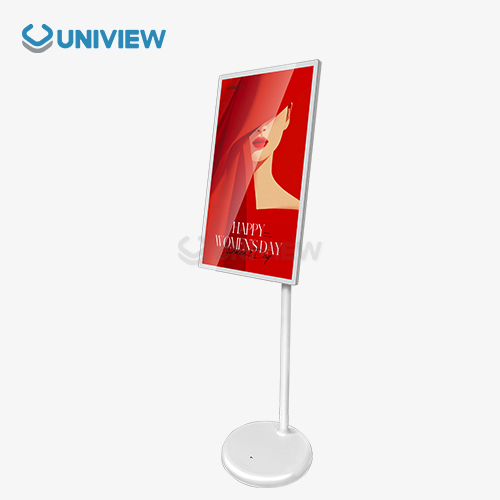
Freestanding digital screens are easier to move around than wall-mounted ones, so businesses can change how they communicate as the shape of their venues changes. Mobile floor stands can be set up temporarily for events or seasonal campaigns without having to make lasting changes to the infrastructure. This ability to change is especially useful in stores that are always changing how their products are displayed and how many people are walking through.
In locations with limited wall space or building limits, the benefits of indoor standing digital screen units become clear. Hotels, airports, and business buildings often need to put up educational screens in public places where they can't be mounted on the wall normally. Weighted bases and anti-tip devices keep things stable while keeping a professional look in places with a lot of foot traffic.
Screen Specifications and Performance Considerations
Choosing the right display size has a direct effect on how engaged viewers are and how well the material works in a variety of settings. Larger screens work best in lobbies and display spaces with viewing lengths of more than 10 feet, while smaller screens work best in welcome areas and stores with limited space. Resolution needs to change depending on how complicated the content is. For example, 4K screens are becoming standard for showing off products in great detail and making high-resolution marketing materials.
Specifications for brightness are very important in places with a lot of natural light. Commercial displays usually have a brightness range of 350 to 700 nits for normal indoor use. However, there are models that can hit 1000+ nits for difficult lighting situations. Anti-glare coatings and wide viewing angles make it possible to see the material from different parts of the place.
Interactive vs. Non-Interactive Display Solutions
Touch-enabled screens make the user experience more interesting, but they need to be maintained and cleaned properly. Interactive models work great in educational settings, product configurators, and apps that help you find your way, where user input makes the app more useful. But these systems need stronger safety steps and regular cleaning routines to keep working at their best.
For advertising-focused apps and information broadcasts, non-touch screens are perfect because they reliably deliver content and don't need much upkeep. The total cost of ownership for these systems is usually lower, and they produce great visuals for business messages and promotional material. The choice between engaging and passive displays is based on the goals for involvement and the needs of the business.
How to Procure Indoor Standing Digital Screens for Your Business
Supplier Evaluation and Quality Assurance
A successful buying process starts with a thorough evaluation of the seller, focused on their manufacturing skills, quality certifications, and experience in the industry. Reputable makers give thorough specs, such as panel sizes, where to get parts, and testing methods, that make sure the product always works the same way. International licensing compliance, such as meeting FCC, CE, and RoHS standards, shows that quality and safety standards are being met in all global areas.
Service level agreements and warranty terms have a big effect on the long-term costs of ownership and the dependability of operations. Premium providers offer warranties that cover both hardware parts and software support for 3 to 5 years, and they also offer expert help 24 hours a day for mission-critical projects. These all-inclusive service deals are a must for businesses that need guaranteed uptime and quick problem-solving.
Strategic Procurement Approaches for Different Business Needs
Volume purchasing deals help large-scale deployments by saving a lot of money and making sure that everything is set up the same way in all places. As part of full digital signs rollouts, enterprise clients often talk about custom firmware creation and identity integration. These partnerships make sure that users always have the same experience while also meeting certain business needs.
Rental choices give companies that only need displays temporarily or during certain times of the year access to high-tech equipment without having to make a big investment. Rental models are often used at trade shows, pop-up stores, and special events to get access to cutting-edge displays with full technical support. With this method, businesses can try out different technologies before deciding to buy them permanently.
Professional Installation and Ongoing Support Services
Installing an indoor standing digital screen requires careful planning to ensure it is positioned correctly and functions well. Professional installation teams check the venue's conditions, such as the power supply, network connections, and external factors that could affect how the display works. Managing cables correctly and following safety rules will make your home look nice and work reliably.
Regular repair services make sure that displays work at the same level of quality for a longer time. With remote tracking, problems can be found and fixed before they affect activities. Businesses can get the most out of their digital sign investments over time by getting regular software changes and help with content management.
Tailored Solutions for Different Venue Needs
Retail Environment Optimizations
For retail uses, designs need to be strong and vandal-proof so they can handle constant customer contact and weather stresses. Anti-fingerprint coats and harder glass surfaces keep the image clear even when they are touched a lot, and stronger mounting systems stop damage or tampering. In shopping malls and other public places with a lot of foot traffic, these safety measures are very important.
Virtual buying helpers and interactive product catalogs change the way people shop by giving them personalized suggestions and thorough information about products. Integration with inventory management systems lets you know in real time what products are available, which makes customers happier and boosts sales. Dynamic price displays and advertising material can be changed right away to adapt to changes in the market and to stay competitive.
Corporate Communication Solutions
Digital signage is used in modern business settings for internal messaging, managing visitors, and spreading the brand throughout the building. Putting up indoor standing digital screen units in hallways makes a great first impression and helps people find their way around in large office buildings. Integration with corporate systems lets material like meeting room plans, company news, and emergency alerts be updated automatically.
High-resolution displays show clients and partners the company's accomplishments, financial health, and strategy plans in executive speaking areas. Professional setups like these need to meet high standards for color accuracy and dependability so that they can support important business messages. Corporate communications teams can easily send the same message to many places with the help of remote content management.
Hospitality and Event Venue Applications
Hotels and event spaces use digital signage's adaptability to meet the needs of a wide range of guests and event requirements. Personalization options for welcome words, event dates, and information about nearby attractions make experiences more unique and make guests happier. Being able to quickly change how material is set up between events makes the most of the space while cutting down on setup and takedown times.
Here are the key hospitality applications that drive guest engagement:
- Dynamic event information: Real-time updates to the plan and room changes automatically keep guests up to date on dynamic event information
- Multilingual support: content localization for foreign guests makes it easier for them to access and makes them feel more at ease.
- Interactive concierge services: interactive concierge services, such as self-service choices for booking rides, making meal plans, and getting advice on what to do in the area
- Brand partnership displays: sponsored and local businesses' promotional material brings in extra money.
These versatile applications demonstrate how tailored digital signage solutions adapt to the unique demands of hospitality environments while delivering measurable value to both operators and guests.
Future Trends and Energy Efficiency in Indoor Standing Digital Screens
Emerging Technologies Shaping Digital Signage
Adding artificial intelligence is changing how indoor standing digital screen systems provide personalized content experiences. Computer vision technology lets you do audience analytics, which changes material instantly based on the types of people who are viewing it and how engaged they are with it. This smart content improvement makes the content more relevant while also giving you useful information about how customers behave and what they like.
Ultra-high-definition screens with 8K resolution are becoming more common for high-end programs that need a lot of visual information. Advanced color range covering and HDR support make watching experiences that are like going to the movies, and keep people interested in competitive settings. Businesses can set their brand presentations apart by giving them more visual effect thanks to these technological developments.
Sustainable Design and Energy Management
Modern digital signs put environmental duty first by using advanced systems for managing energy and environmentally friendly ways to make things. Smart sensors change the brightness instantly based on the lights around them. This saves up to 40% of the power used by static brightness settings. The sleep mode and planned operation settings make even better use of energy when the machine is not in use.
LED backlighting and power sources that use less energy make operating carbon footprints much smaller than with older display methods. A lot of companies now offer shipping and recycling programs that don't use any carbon, which helps companies with their environmental efforts. As companies try to meet global green goals, these environmental factors become more important in their buying decisions.
Market Evolution and Investment Strategies
Analysts predict that the digital signs market will grow by more than 10% each year until 2028. This growth will be driven by efforts to modernize stores and make buildings smarter. Cloud-based content management systems are making operations more consistent while lowering the amount of IT hardware needed for deployments in multiple locations. Moving toward software-as-a-service approaches lets you plan ahead for running costs and keep adding new features.
Procurement managers benefit from staying current with technological developments that offer competitive advantages and improved return on investment. Early adoption of emerging technologies like transparent displays and flexible screen materials positions businesses at the forefront of customer experience innovation. Strategic technology partnerships enable access to cutting-edge solutions while ensuring long-term support and development roadmaps.
Conclusion
Customized indoor standing digital screen options are a smart investment in contemporary business communication that pays off in a number of different ways. Advanced display technology, flexible rollout options, and full support services allow businesses to give customers interesting experiences while also running their businesses more efficiently. Customized digital signage options give businesses the flexibility and performance they need to stay ahead in today's competitive market, whether they're looking to improve shopping spaces, streamline corporate interactions, or change how they provide hospitality services. For implementation to go smoothly, venue-specific needs, supplier skills, and long-term strategic goals must all be carefully thought through in order to get the most out of the investment and ensure long-term operating success.
FAQ
Q: What is the expected lifespan of indoor standing digital displays?
A: Digital displays made for businesses usually work effectively for 50,000 to 60,000 hours of constant use, which is about 7 to 8 years of 24/7 use. With proper care and environmental controls, operating life can be extended by a large amount. Some units have been used successfully for over ten years. Regular software changes and servicing of parts help the monitor work at its best for as long as possible, which is crucial for maintaining performance in both touchscreen and non-touch models, especially in environments where user interaction is frequent.
Q: How do I decide between touchscreen and non-touch models for my business?
A: Touchscreen models work best in situations where the user needs to connect with them, like self-service kiosks, product listings, and finding your way. Non-touch displays work better for advertising purposes and places where direct contact isn't allowed because of worries about cleanliness. When making this choice, you should think about your major use case, your budget, and how easy it is to maintain.
Q: Can indoor standing digital screens integrate with existing IT infrastructure?
A: There are many ways to connect to modern digital signage systems, such as Ethernet, Wi-Fi, and cloud-based management tools that work with current IT networks. Most content management systems work with standard methods and can connect to databases, scheduling systems, and other business programs. Professional installation teams make sure that the network is set up correctly and that security rules are followed.
Partner with Uniview Commercial for Your Indoor Standing Digital Screen Solutions
When you need a reliable indoor standing digital screen maker, look no further than Uniview Commercial. Their high-quality products and ability to be customized have changed the way businesses communicate around the world. Our wide range of products includes LCD and LED screens that use less energy, have brightness rates from 2000 to 4000 nits, IP65/66 protection against the elements, and warranties that last between 3 and 5 years with expert help available 24 hours a day, 7 days a week. Get in touch with our knowledgeable staff at sales@univiewlcdisplay.com to talk about your venue's needs and get unique suggestions that will help you get the most out of your investment. Experience the difference that professional-grade digital signage solutions bring to customer engagement and operational efficiency.
References
1. Jones, M. "Digital Signage Technology Trends in Commercial Applications." Journal of Business Technology Solutions, vol. 45, no. 3, 2023, pp. 78–92.
2. Chen, L. and Rodriguez, S. "Energy Efficiency in Commercial Display Systems: A Comprehensive Analysis." International Review of Sustainable Technology, vol. 18, no. 2, 2024, pp. 156–171.
3. Thompson, R. "The Effects of Interactive Digital Signage on Customer Engagement in Retail Settings." Retail Technology Quarterly, vol. 29, no. 4, 2023, pp. 23–38.
4. Williams, K. "Procurement Strategies for Large-Scale Digital Display Deployments." Corporate Technology Management, vol. 12, no. 1, 2024, pp. 45–62.
5. Anderson, P. "Future Trends in Indoor Digital Signage: AI and Personalization Technologies." Digital Innovation Review, vol. 33, no. 6, 2023, pp. 104–119.
6. Martinez, J. "ROI Analysis of Digital Signage Investments in the Hospitality and Corporate Sectors." Business Technology Investment Journal, vol. 41, no. 8, 2024, pp. 67–83.

Learn about our latest products and discounts through SMS or email