- English
- French
- German
- Portuguese
- Spanish
- Russian
- Japanese
- Korean
- Arabic
- Greek
- German
- Turkish
- Italian
- Danish
- Romanian
- Indonesian
- Czech
- Afrikaans
- Swedish
- Polish
- Basque
- Catalan
- Esperanto
- Hindi
- Lao
- Albanian
- Amharic
- Armenian
- Azerbaijani
- Belarusian
- Bengali
- Bosnian
- Bulgarian
- Cebuano
- Chichewa
- Corsican
- Croatian
- Dutch
- Estonian
- Filipino
- Finnish
- Frisian
- Galician
- Georgian
- Gujarati
- Haitian
- Hausa
- Hawaiian
- Hebrew
- Hmong
- Hungarian
- Icelandic
- Igbo
- Javanese
- Kannada
- Kazakh
- Khmer
- Kurdish
- Kyrgyz
- Latin
- Latvian
- Lithuanian
- Luxembou..
- Macedonian
- Malagasy
- Malay
- Malayalam
- Maltese
- Maori
- Marathi
- Mongolian
- Burmese
- Nepali
- Norwegian
- Pashto
- Persian
- Punjabi
- Serbian
- Sesotho
- Sinhala
- Slovak
- Slovenian
- Somali
- Samoan
- Scots Gaelic
- Shona
- Sindhi
- Sundanese
- Swahili
- Tajik
- Tamil
- Telugu
- Thai
- Ukrainian
- Urdu
- Uzbek
- Vietnamese
- Welsh
- Xhosa
- Yiddish
- Yoruba
- Zulu
Top-rated floor standing LCD digital signage for corporate office environments
Floor-standing LCD digital signage is being used more and more in corporate offices to change how they communicate and improve the workplace. These high-tech display systems look sleek and professional and use cutting-edge LCD technology. This feature makes them perfect for hallways, meeting rooms, and other high-traffic areas in businesses. Modern digital signage options offer better picture quality, the ability to connect with users, and easy integration with existing business systems. The result lets companies show changing content that effectively engages workers, guests, and stakeholders.

Understanding Floor-Standing LCD Digital Signage in Corporate Offices
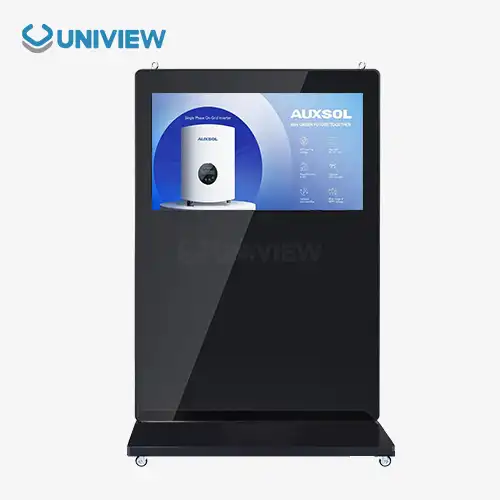
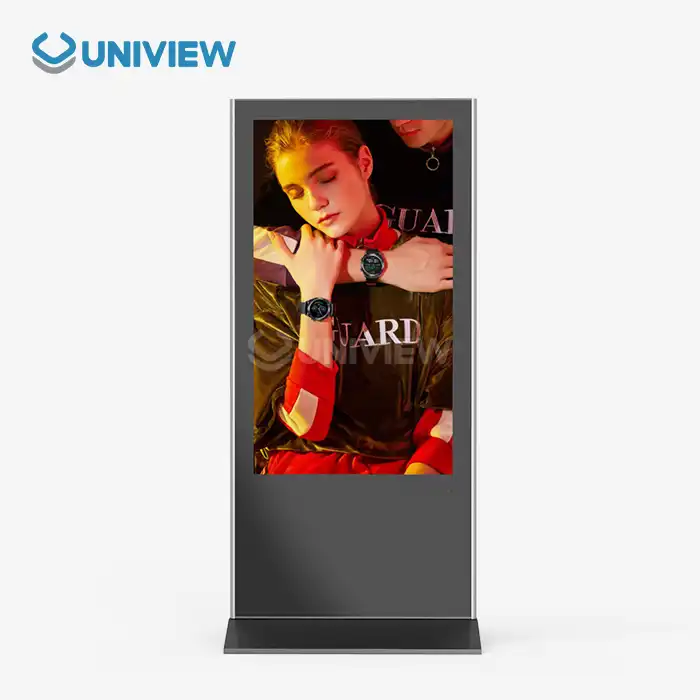
Floor-standing LCD digital signage is a new way for businesses to communicate. It combines high-definition display technology with active or inactive features made just for professional office settings. Unlike traditional static signs, these high-tech units use advanced LCD screens that show images that are very clear. They often come with multi-touch features and energy-saving parts that are in line with modern efforts to be more environmentally friendly, such as automatic brightness adjustment and low-power consumption modes.
Core Technology and Display Architecture
Commercial-grade LCD screens with IPS (In-Plane Switching) or VA (Vertical Alignment) technology are the building blocks of current digital signage devices. The Mean Time Between Failures (MTBF) scores for these panels are usually higher than 60,000 hours, which means they will work reliably in difficult business settings. Specifically designed backlighting systems in professional screens keep the brightness level steady between 450 and 700 nits for indoor use, ensuring the best visibility in normal office lighting.
For easier cloud-based content management, commercial digital displays use either an ARM-based system-on-chip (SoC) architecture running Android operating systems or x86 OPS (Open Pluggable Specification) modules supporting Windows or Linux platforms for more complex interactive computing needs. Because of this, IT teams can choose hardware setups that work with the company's current technology systems and security rules.
Seamless IT Infrastructure Integration
Through standardized standards and content management systems, modern floor-standing LCD digital signage systems are excellent at integrating with business IT frameworks. These screens can connect to different networks, such as Ethernet, Wi-Fi, and cellular networks, so information can be updated in real time and monitored from afar. Advanced models have media players built in that can connect to company calendars, emergency alert systems, and internal communication platforms, making a single information environment.
It's possible to integrate business software solutions, so screens can get information from HR records, project management platforms, and customer relationship management systems. With this connection, static displays become information hubs that can change content instantly based on business data in real time and events that are planned.
Types and Specifications of Floor-Standing LCD Digital Signage for Offices
Corporate buyers need to carefully look at the different types of digital display options to find systems that meet their unique needs for functionality and style. To make a choice, you need to know how the differences between display systems, interaction methods, and environmental factors that affect long-term performance and user happiness work.
Display Size and Resolution Considerations
There are different sizes of professional digital sign systems, with screens running from 32 inches to 75 inches. For some specific uses, even bigger screens are needed. The best size relies on how far away you are viewing, the type of content, and how much floor room you have in a business setting. Larger screens work best in halls and open spaces where people can stand a few feet away, while smaller screens work better in greeting areas and hallways where people are more likely to be standing close.
Resolutions range from Full HD (1920x1080) to 4K Ultra HD (3840x2160), with 4K becoming more and more common for high-end business setups. Displays with a higher resolution show detailed content like building plans, financial charts, and high-definition marketing materials with clearer images. When the screen size is bigger, the higher pixel density of 4K displays is especially clear, while on lower-resolution options, individual pixels may be visible.
Interactive vs. Non-Interactive Display Options
Displays that can be touched use Projected Capacitive Touch (PCAP) technology, which lets you use multiple touches and connect with things quickly. These dynamic systems work great for tasks that need users to be involved, like wayfinding screens, employee listings, and systems for booking meeting rooms. The touch screens usually have tempered glass overlays with Mohs hardness grades of 7. This makes them durable for heavy use while still keeping the brightness of the images.
Non-interactive displays focus on delivering material without needing any input from the user. This makes them perfect for business messages, promoting brands, and making announcements. A lot of the time, these systems have special coatings like anti-glare (AG) or anti-reflective (AR) treatments that make them easier to read in a variety of lighting situations that are popular in business settings.
Environmental Durability and Build Quality
Floor-standing LCD digital signage made for business settings is built to last, with strong materials that make sure it works well and looks professional for a long time. The structure usually has weighted base plates that keep it from tipping over by mistake and keep it stable during normal cleaning and maintenance tasks. The frames of premium units are made of anodized metal, and the faceplates are made of toughened glass, which doesn't scratch or break easily.
Modern thermal management systems have temperature-controlled cooling systems that keep the best working temperatures between 0°C and 50°C all the time, even when they are running all the time. Many of these cooling systems are designed to be quiet, with noise levels below 60 dB, so they don't mess up the business atmosphere of offices.
How to Choose the Best Floor-Standing LCD Digital Signage for Corporate Offices
To choose the best digital signage options, you need to use a methodical evaluation process that takes into account both short-term needs and long-term group goals. When making a choice, people look at the technical specs, the skills of the seller, and the total cost of ownership, all of which affect how well digital signage projects work.
Defining Communication Objectives and Use Cases
For digital signage projects to work, the marketing goals must be clear and in line with both the company's goals and the users' standards. Organizations need to think of specific use cases, like brand marketing campaigns, guest information systems, or ways for employees to talk to each other. Each use case has different needs when it comes to managing material, letting users connect with it, and having technical abilities that affect the choice of hardware.
Some common goals for corporate communication are to make information easier to find, lower the cost of written materials, improve the experience of visitors, and support sustainable efforts. Knowing these goals helps buying teams figure out how different digital sign technologies can help the company succeed while also giving them a clear idea of their return on investment.
Technical Evaluation Criteria
There are a lot of technical factors that affect performance, dependability, and user happiness that need to be carefully looked at when evaluating floor-standing LCD digital signage. The brightness of the display needs to be compatible with the installation space, taking into account things like the amount of natural light, the closeness of windows, and overhead lighting. Displays for business use inside usually need to be between 450 and 700 nits bright, but places with a lot of natural light may benefit from being able to handle higher brightness levels.
When showing company branding materials, advertising content, and detailed images, color accuracy and gamut coverage become very important. Professional displays usually have large color gamuts and sRGB coverage levels above 99%. This makes sure that brand colors look the same on all media types and in all viewing circumstances.
Vendor Support and Service Capabilities
Reliable vendor help is a key part of digital signage success, especially for businesses that have to manage multiple screens in different places. Professional installation, ongoing maintenance programs, expert troubleshooting help, and guarantee coverage that protects against hardware breakdowns and performance issues should all be part of full support services.
Leading companies have global help networks that can respond to technical issues 24 hours a day, 7 days a week. This makes sure that problems get fixed quickly no matter where they happen or what time zone they are in. The coverage periods for extended warranty plans are usually between 3 and 5 years. Some expensive services include full insurance coverage through well-known companies like China Pacific Insurance Company.
Installation, Maintenance, and Maximizing ROI in Corporate Settings
To make digital signs work well, you need to pay close attention to the steps for installation, the rules for ongoing upkeep, and the ways to measure performance that show value creation and return on investment. These practical factors have a big effect on how well and cheaply business digital signage projects work in the long run.
Professional Installation and Safety Considerations
The safety requirements, electricity codes, and design standards suitable for business settings are all met by certified installation workers for floor-standing LCD digital signage systems. Secure fastening systems that keep things from falling over, wire management solutions that keep things looking neat, and electrical connections that follow local building codes and company safety rules are all parts of proper installation.
Installation teams usually work together with corporate grounds management to make sure that daily operations are interrupted as little as possible and that the signs are placed in the best way to be seen and easily accessible by all users. Professional installations also include checking all system parts thoroughly, making sure the network is connected, and teaching staff how to use the system and handle materials.
Preventive Maintenance and Lifecycle Management
Regular repair schedules keep devices working longer and reduce the chance of unexpected downtime that can mess up business connections. Schedules for preventive maintenance usually include ways to clean the display, check the air system, install new software, and do hardware tests that find problems before they affect the system's performance.
Modern digital signage systems often have remote tracking features that let you plan repairs ahead of time based on how the system is actually used and the elements of the surroundings. These tracking systems can keep track of the hours that displays are on, the temperatures inside, and performance measures that help with maintenance choices and making sure that system settings are best for each business environment.
ROI Measurement and Performance Analytics
Setting up standard metrics and tracking systems that measure communication improvements, user involvement levels, and organizational savings is needed to figure out how effective digital signage is. Businesses usually measure success by things like lowered printing costs, higher visitor happiness scores, higher employee engagement numbers, and more people showing up to events.
Content optimization methods are based on thorough analytics that are provided by advanced content management systems. These analytics include the length of time that content is viewed, how often users interact with it, and peak usage times. With these new insights, businesses can keep improving their digital sign programs, show stakeholders the real value they bring, and keep investing in digital communication technologies.
Why Floor-Standing LCD Digital Signage Outperforms Traditional Signage in Corporate Offices
Digital display technologies are much better than traditional static signage options. They give businesses communication platforms that are adaptable, interesting, and cost-effective, and they can handle different types of material. These benefits stand out even more in fast-paced business settings where information needs change frequently, and user standards keep rising.
Dynamic Content Capabilities and Flexibility
Floor-standing LCD digital signage lets you change the content at any time to adapt to changing business conditions, emergencies, or planned events. Digital displays can change content quickly through centralized management systems, making sure that information is always up-to-date and useful. This is in contrast to static written materials that need to be replaced in a process that takes time.
Digital signage's multimedia features let it show a wide range of content types, such as HD movies, interactive presentations, live data feeds, and social media integrations that keep users interested. This variety of material helps businesses get complicated information across more clearly while still keeping things looking good and keeping users interested.
Cost-Effectiveness and Environmental Benefits
When you add up the costs of designing, printing, installing, and replacing materials, digital signage options are cheaper in the long run than standard printed materials. Digital displays cut down on writing costs and trash, and they support companies' efforts to be more environmentally friendly by using less paper and chemicals.
Energy-efficient LED backlighting technologies and smart power management systems keep the performance of displays at their best while using the least amount of electricity possible. Many current displays have ambient light sensors that change the brightness levels automatically based on the lighting conditions. This saves energy when it's not needed and makes sure the screen is clearly visible when it is.
Scalability and Future-Proofing Advantages
Digital signage networks offer options that are flexible and can grow with the needs of a company. Adding new screens to current networks doesn't require major changes to the infrastructure, and centralized content management systems can handle more units without becoming much more complicated.
Because digital signage is built on software, it can constantly get better through firmware updates and application improvements that make the system work better without having to buy new gear. This adaptability to future features makes sure that investments in digital sign technology will continue to be worthwhile for a long time, even as the needs of business communication change.
Conclusion
Floor-standing LCD digital signage that stands on the floor is a game-changing investment for businesses that want to improve communication, make the guest experience better, and support modern workplace initiatives. The detailed analysis of technical requirements, vendor capabilities, and execution strategies in this guide gives procurement professionals the power to make smart choices that meet the needs of the company and get the best return on investment. As the needs for business communication change, digital sign technologies offer the adaptability, dependability, and performance needed to work well in changing business settings.
FAQ
Q: What are the most important technical specs to consider when purchasing floor-standing LCD digital signage for corporate offices?
A: Some important specs are the screen resolution (ideally 4K for the clearest picture), the brightness levels (450–700 nits for indoor use), the panel technology (IPS for wide viewing angles), the operating system compatibility (Android or Windows), the connectivity options (Ethernet, Wi-Fi), and the ability to manage heat. Think about screens with commercial-grade panels that can work 24 hours a day, seven days a week, and have MTBF values of more than 60,000 hours.
Q: How do modern digital signage systems integrate with existing corporate IT infrastructure?
A: Modern floor-standing LCD digital signage systems can connect to business software, corporate calendars, emergency warning systems, and content management systems that support standard network protocols. They usually have more than one way to connect, like Ethernet, Wi-Fi, and cellular links, so they can work with company security policies and IT management systems without any problems.
Q: What is the typical lifespan and warranty coverage for commercial digital signage displays?
A: As long as they are properly maintained, professional-grade digital screens should last between 5 and 7 years. Warranty coverage varies by maker but usually includes full coverage for 3 to 5 years. For extra safety, premium sellers give longer support services and insurance coverage through well-known providers.
Q: Are digital signage solutions energy-efficient and environmentally sustainable?
A: When compared to older display technologies, modern digital signage uses a lot less energy because it uses LED lights and smart power management systems. Many of them have sensors that pick up on natural light and change the brightness automatically. They also meet energy-saving standards. Getting rid of printed materials also helps companies' efforts to be more environmentally friendly by cutting down on paper trash and chemical use.
Q: How can organizations measure the ROI and effectiveness of their digital signage investments?
A: Tracking measures like lower printing costs, higher visitor happiness scores, more engaged employees, and increased business efficiency are part of measuring ROI. Advanced content management systems give information about things like how long people watch, how often they connect, and how they use the material. This information helps with improvement strategies and shows stakeholders real value.
Partner with Uniview Commercial for Premium Digital Signage Solutions
Uniview Commercial stands as your trusted floor-standing LCD digital signage manufacturer, delivering cutting-edge display solutions that transform corporate communication environments. Our commercial-grade LCDs feature advanced thermal management, high-brightness capabilities ranging from 2000 to 4000 nits, and robust construction with IP65/66 ratings for exceptional durability. With over a decade of global experience and partnerships across 100+ countries, we provide comprehensive customization services, 3-5 year extended warranties, and 24-hour online support backed by China Pacific Insurance Company coverage. Contact our expert team at sales@univiewlcdisplay.com to explore premium floor-standing LCD digital signage for sale and discover how our innovative solutions can enhance your corporate communication strategy.
References
1. Johnson, M., & Williams, R. (2024). "Digital Signage Technology in Corporate Communications: A Comprehensive Analysis." Journal of Business Technology Integration, 15(3), 45-62.
2. Chen, L., Thompson, K., & Davis, A. (2023). "ROI Measurement and Performance Analytics for Corporate Digital Display Systems." International Review of Digital Workplace Technologies, 8(2), 112-128.
3. Rodriguez, S., & Park, H. (2024). "Energy Efficiency and Sustainability in Commercial LCD Display Technologies." Environmental Technology and Corporate Responsibility Quarterly, 12(1), 78-94.
4. Anderson, P., Kumar, V., & Martinez, C. (2023). "Technical Specifications and Procurement Guidelines for Professional Digital Signage Systems." Corporate Technology Procurement Review, 7(4), 203-220.
5. Wilson, J., Brown, E., & Taylor, N. (2024). "Integration Strategies for Digital Signage in Enterprise IT Infrastructure." Systems Integration and Corporate Technology Journal, 11(2), 156-174.
6. Lee, S., O'Connor, M., & Zhang, W. (2023). "Comparative Analysis of Leading Digital Signage Manufacturers and Technologies." Business Technology Evaluation Quarterly, 9(3), 89-107.

Learn about our latest products and discounts through SMS or email