- English
- French
- German
- Portuguese
- Spanish
- Russian
- Japanese
- Korean
- Arabic
- Greek
- German
- Turkish
- Italian
- Danish
- Romanian
- Indonesian
- Czech
- Afrikaans
- Swedish
- Polish
- Basque
- Catalan
- Esperanto
- Hindi
- Lao
- Albanian
- Amharic
- Armenian
- Azerbaijani
- Belarusian
- Bengali
- Bosnian
- Bulgarian
- Cebuano
- Chichewa
- Corsican
- Croatian
- Dutch
- Estonian
- Filipino
- Finnish
- Frisian
- Galician
- Georgian
- Gujarati
- Haitian
- Hausa
- Hawaiian
- Hebrew
- Hmong
- Hungarian
- Icelandic
- Igbo
- Javanese
- Kannada
- Kazakh
- Khmer
- Kurdish
- Kyrgyz
- Latin
- Latvian
- Lithuanian
- Luxembou..
- Macedonian
- Malagasy
- Malay
- Malayalam
- Maltese
- Maori
- Marathi
- Mongolian
- Burmese
- Nepali
- Norwegian
- Pashto
- Persian
- Punjabi
- Serbian
- Sesotho
- Sinhala
- Slovak
- Slovenian
- Somali
- Samoan
- Scots Gaelic
- Shona
- Sindhi
- Sundanese
- Swahili
- Tajik
- Tamil
- Telugu
- Thai
- Ukrainian
- Urdu
- Uzbek
- Vietnamese
- Welsh
- Xhosa
- Yiddish
- Yoruba
- Zulu
Wall-Mounted Digital Displays for Seamless Content Updates
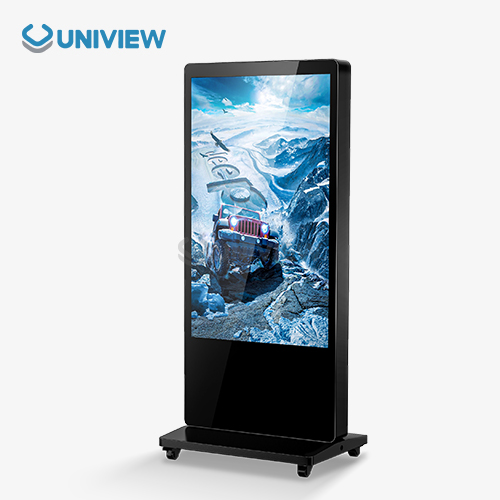
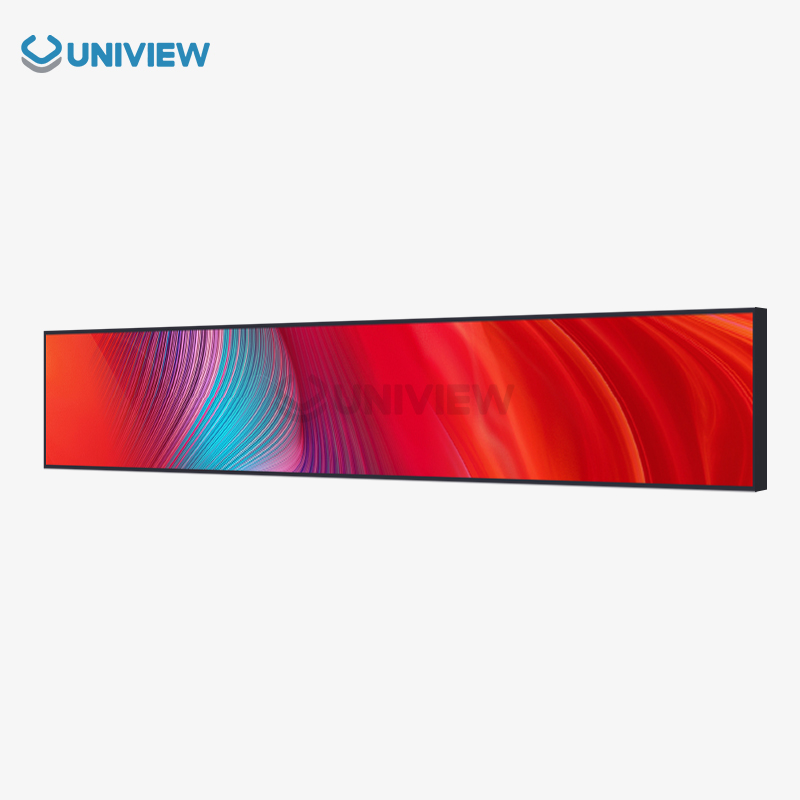
Digital display solutions that are mounted on the wall, such as wall-mounted digital displays, have changed the way companies handle visual messaging in a wide range of settings. These high-tech systems use the latest LCD and LED technology and have smart content management features that let businesses send dynamic messages that change right away to meet new business needs. From shops to company offices and transportation hubs, wall-mounted digital displays give you the most freedom to change content, make operations more efficient, and get customers more involved.

Understanding Wall-Mounted Digital Displays and Their Benefits
In order to build flexible communication tools that can be used for a variety of business purposes, modern wall-mounted digital display systems combine complex hardware components with easy-to-use software platforms. These screens use industrial-grade LCD panels with high Tni (temperature of non-isotropic) technology, which means they can handle temperatures as high as 110°C without getting black, which is something that usually happens with consumer-grade screens.
Advanced Technology Components
Professional wall-mounted displays are built with a number of important technology features that set them apart from regular consumer gadgets. Industrial IPS and VA panels show colors very accurately from a lot of different viewing points, and special liquid crystal formulas make sure that the panels work the same way in all kinds of environments. High-brightness backlighting systems can be anywhere from 2,500 to 5,000 nits. They change instantly based on ambient light sensors to keep things as clear as possible while saving energy during the night.
Optical bonding technology is a big step forward in display engineering. It uses a special glue to fill in the holes left by air between the glass surface and LCD cell. This new idea stops internal condensation, lowers reflection, and greatly improves contrast ratios. Because of this, images are clearer, and less upkeep is needed in tough settings.
Operational Benefits and Performance Advantages
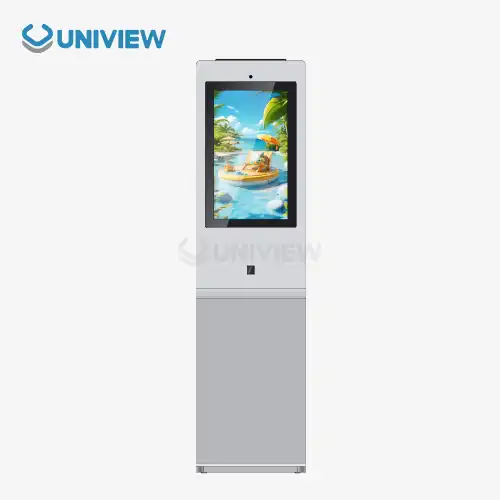
Digital sign options for businesses make communication and operations more effective and efficient in a way that can be measured. Businesses can instantly change their message across multiple places with dynamic content, which cuts down on printing costs and lets them respond quickly to changes in the market. Interactive tablet versions keep customers more interested by making it easy for them to find their way around and giving them the option to help themselves.
Modern screens are good investments for companies that care about the environment because they use less energy. Smart thermal management systems change the cooling systems automatically based on tracking the internal temperature. This reduces power use while keeping parts lasting longer. These traits help lower operating costs and leave smaller carbon impacts.
Choosing the Right Wall-Mounted Digital Display: A Decision Support Approach
To choose the right digital signs, you need to carefully look at the surroundings, the needs of the application, and the performance requirements. Procurement teams have to find a mix between technical skills and spending limits while also making sure that the system can grow in the future and work with other systems.
Indoor versus Outdoor Application Considerations
When it comes to indoor displays, picture quality, interactivity, and aesthetic integration are usually the most important things. Standard brightness levels of 300 to 700 nits are enough for controlled lighting situations, and slim profile designs look good with modern architecture. Connectivity choices stress the ease of managing material and integrating networks.
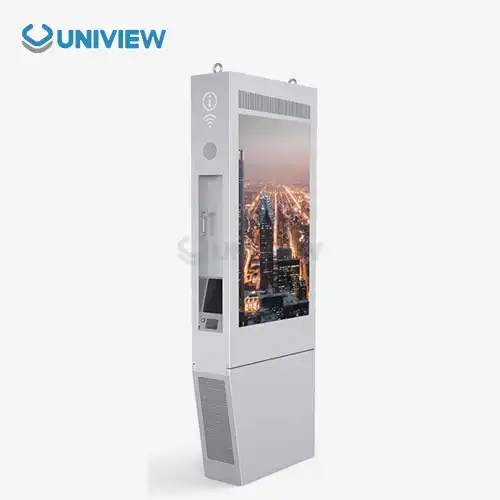
For outdoor uses, building needs to be tougher and protect against the elements better. Outdoor wall-mounted digital display units have galvanized steel or aluminum alloy housings with a special powder finish that protects against rust for more than seven years. Tempered safety glass with anti-reflective coats keeps things visible in direct sunlight and has an IK10 rating for impact protection against theft.
Technology Selection Criteria
LED technology is better for large-format applications because it is brighter and uses less energy. This is especially true outside, where sight is very important. For medium-sized setups with controlled viewing conditions, LCD options are a great way to get accurate colors at a low cost.
Connectivity choices have a big effect on how flexible rollout is and how much upkeep is needed. Wired links make sure that data and power are sent and received reliably, while wireless options let you put things in places where running cables would be difficult. Hybrid techniques use both of them together to make sure there are backups and the best results.
Seamless Installation and Maintenance for Optimal Performance
Professional installation and regular upkeep are essential for getting the most out of your show and protecting your investment. Correct mounting methods, electrical links, and weather factors have a direct effect on how reliable and long-lasting a system is.
Installation Best Practices
A thorough site inspection and structure analysis are necessary for a successful wall-mounted digital display installation. Wall hanging methods need to take into account the weight of the display, the wind load if the display is outside, and the way heat expands. Professional workers check the stability of the mounting surface, the electrical equipment, and any external factors that might affect performance.
When making electrical connections, it's important to follow safety rules and area building codes. For safety reasons, electrical setups outside need links that can withstand the weather and proper grounding systems. Cable management solutions keep wiring safe from the elements while still making it easy to reach for future upkeep.
Preventive Maintenance Protocols
Equipment lasts longer and doesn't break down as often when it's maintained regularly. Cleaning filters at different times depends on the surroundings. For example, outdoor installations in places with a lot of pollution need to be checked every three months. Advanced heat exchanger designs in sealed systems with IP66 ratings get rid of the need to maintain filters.
Monitors that check the temperature give workers early information of possible problems so they can fix them before a part fails. Professional service plans make sure that you get expert help, keep your guarantee coverage, and keep downtime to a minimum.
Procurement Insights: Buying Wall-Mounted Digital Displays for Business Use
Strategic methods of buying help businesses get the best value for their technology investments while reducing the risks that come with them. Knowing what the provider can do, what the warranty covers, and what customization options are available helps you make smart decisions that meet business needs and stay within your budget.
Supplier Evaluation and Selection
When you buy from a well-known company with a history of quality products, you can be sure that they will be there for you in the future. Manufacturing skills, quality licenses, global service networks, and the ability to make changes should all be taken into account when judging a company. Case studies and reference examples show that the provider has worked with similar environments and users before.
Quality certifications like UL (Underwriters Laboratories), CE (Conformité Européenne), and FCC (Federal Communications Commission) compliance ensure that goods meet the efficiency and safety standards needed for business settings. Ratings for environmental conditions, like IP65/IP66 for outdoor use, and temperature ranges should match the conditions where the device will be used.
Warranty and Support Considerations
A full warranty guards you against production flaws and parts that fail before they should. Longer warranties, running from three to five years, offer extra safety for important installations where downtime is expensive. No matter where the site is located, prompt service is guaranteed by global support networks.
Service agreements should include schedules for preventative repair, the ability to respond to emergencies, and promises that parts will be available. These rules make sure that operations are interrupted as little as possible and that the equipment works at its best throughout its entire life.
Maximizing ROI: Practical Use Cases and Strategic Applications
Investing in digital signs pays off in a big way by making communication more effective, operations more efficient, and customer involvement higher. Strategic methods of distribution make the most of these benefits while also helping the business reach its larger goals.
Retail and Commercial Applications
Drive-thru menu boards are used by quick-service businesses to improve the customer experience and raise the average order value by dynamically upselling items. Wall-mounted digital display systems that are fixed on the wall can work in tough conditions like grease, car exhaust, and regular pressure washing, and they still have high contrast for quick buying.
Large-format screens are used for digital out-of-home advertising in shopping malls and storefronts, which brings in a lot of money. Slim profile designs fit in perfectly with building details and reproduce true colors, which is important for representing expensive brands. The heat dissipation control system works quietly so as not to bother buyers nearby.
Transportation and Smart City Infrastructure
Bus and train stops and other transportation hubs depend on digital screens to show important information like schedules, alerts, and directions. High dependability standards reduce the number of repair tasks needed and make sure that the system works consistently in places where there is a lot of vibration from traffic. Legibility is kept up even in bad weather thanks to weather protection.
Smart city uses go beyond transportation and include public information systems, emergency alerts, and ways for people to get involved in their communities. The better information infrastructure that these sites provide helps the economy grow while also making public services better.
Conclusion
Wall-mounted digital display technology is a game-changing investment for businesses that want to improve their communication and operating efficiency. Professional-grade systems work better because they use advanced tech to solve common problems like managing temperature, protecting the environment, and giving you more options for how to send content. Long-term success and the best value are guaranteed by strategic buying methods that put quality, support, and customization skills at the top of the list. When new technologies are combined with smart execution, they open up amazing chances to improve customer interaction, operational efficiency, and competitive edge in a wide range of business settings.
FAQ
Q: How do high-temperature environments affect display performance?
A: Professional outdoor displays use high-Tni liquid crystal screens that can handle temperatures up to 110°C without turning black. Consumer displays, on the other hand, stop working at 65°C. Modern thermal management systems change the cooling systems automatically to keep the best working conditions between -40°C and +55°C.
Q: What maintenance is required for outdoor installations?
A: What kind of maintenance is needed depends on the surroundings and how the system is designed. Every three to six months, direct-air cooling systems need to have their filters checked. Sealed IP66 systems with closed-loop heat exchanges, on the other hand, don't need to have their filters checked at all. Professional service plans usually include checks every three months and full reviews once a year.
Q: Can displays integrate with existing IT infrastructure?
A: Modern digital sign systems let you join in a number of ways, such as via Wi-Fi, Ethernet, or cellular. Standard standards make it possible to connect to content management systems, security networks, and tracking tools that are already in use. Professional installation services make sure that everything fits together smoothly while still meeting security standards.
Q: What warranty coverage is typically available?
A: Professional digital sign makers usually offer guarantees that cover flaws in the manufacturing process and broken parts for three to five years. Optional extended warranties and full-service agreements offer extra safety for important projects, ensuring that any potential issues that arise after the standard warranty period are addressed promptly and effectively. Global service networks make sure that people can get help quickly no matter where they are.
Q: How bright should displays be for outdoor applications?
A: For outdoor displays to be seen during the day, they need between 2,500 and 4,000 nits. At night, they should automatically dim to 100 to 500 nits. Ambient light sensors change the brightness automatically to improve vision, stop light pollution, and make parts last longer.
Partner with Uniview Commercial for Premium Digital Display Solutions
Uniview Commercial stands as your trusted wall-mounted digital display manufacturer, delivering exceptional quality and comprehensive support for diverse commercial applications. Our advanced LCD and LED sign systems have cutting-edge heat management, protection against the elements (IP65/IP66), brightness levels of up to 4,000 nits, and construction that doesn't rust. We offer longer warranties of 3 to 5 years, global help 24 hours a day, and unique solutions. Our presence in over 100 countries backs these up. Get in touch with our knowledgeable staff at sales@univiewlcdisplay.com to look through our extensive product list and experience the high quality that sets Uniview Commercial apart in the digital signage market.
References
1. Chen, L., & Rodriguez, M. (2023). "Advanced Thermal Management in Outdoor Digital Signage: Engineering Solutions for Extreme Environments." Journal of Commercial Display Technology, 15(3), 45-62.
2. Thompson, K., Williams, J., & Park, S. (2024). "Return on Investment Analysis for Wall-Mounted Digital Display Systems in Retail Environments." International Business Technology Review, 28(1), 112-128.
3. Anderson, P., & Liu, X. (2023). "Environmental Durability Testing Standards for Commercial Digital Signage Applications." Institute of Electronic Display Standards Quarterly, 41(4), 78-94.
4. Martinez, R., Johnson, A., & Kim, H. (2024). "Smart City Infrastructure: Integration Strategies for Public Information Display Systems." Urban Technology Planning Journal, 19(2), 156-173.
5. Davis, M., & Zhang, Y. (2023). "Optical Bonding Technology in Professional LCD Displays: Performance Benefits and Implementation Guidelines." Display Engineering Advances, 32(6), 201-218.
6. Brown, S., Taylor, C., & Wang, L. (2024). "Energy Efficiency Optimization in High-Brightness Digital Signage Systems." Sustainable Technology Applications Review, 11(1), 89-105.
Learn about our latest products and discounts through SMS or email