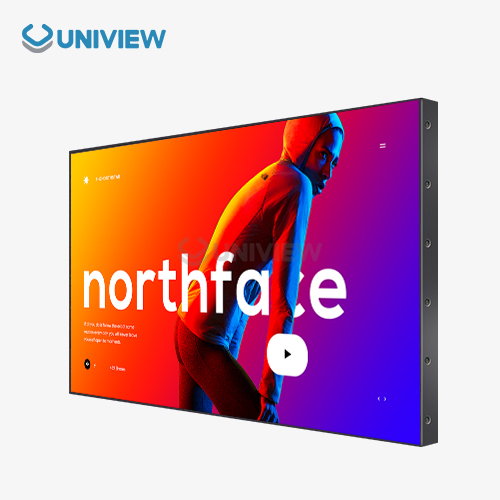
Wall mounted digital signage in places where people travel is a new way for people to communicate and changes how people use transit systems. These high-tech display systems use cutting-edge LCD and LED tech to give travelers changing, up-to-the-minute info. This makes for smooth experiences that help the system run more efficiently and make people like they're not waiting as long. Modern ways of getting around rely on smart displays to give people useful information, assist with navigation, and bring in big bucks by showing targeted ads.
Understanding Wall Mounted Digital Signage in Transportation Hubs
Digital display technology has changed how people get information and how managers run their buildings. As a result, transportation hubs worldwide see it as a major part of their infrastructure. In a lot of different transit settings, these high-tech systems use the newest LCD and LED technologies, as well as complex content management platforms, to deliver information in real-time.
Important Technological Parts and Different Types of Screens
There are many different types of displays used in today's digital transportation signs, and each type is made to meet certain needs. LCD panels work best indoors, where you can adjust the lighting to get the best viewing experience. On the other hand, LED displays are better for outdoor use and places with bad lighting because they are brighter. OLED is very good at showing contrast and saving energy, so it is being used more and more in expensive settings where visual quality is the most important thing.
These display systems work great with networks that are already in place. This lets you change content at any time and run the system from anywhere. When transportation businesses use advanced content management systems, they are able to plan interactive content, run multiple displays at the same time, and quickly respond to operational changes or emergencies.
The user can do things and interact with the app.
People used to just passively receive information, but now with interactive wall mounted digital signage, they don't do that anymore. They don't have to do that anymore. Instead, they can use a system that provides them with custom information at any time they want. People can easily plan routes, buy tickets, and get around the building with touch-enabled screens. This greatly helps staff and makes passengers happier. When people use these interactive systems, they collect useful data that helps people in the transportation industry make better plans for their facilities and improve their services.
Choosing the Right Wall Mounted Digital Signage Solutions for Transportation Hubs
A full study of the environment, how people move through the space, and long-term goals for the display's operation will help find the best digital display solutions. The way people get around brings special problems that need strong hardware and adaptable software.
Standards for Environmental Durability and Performance
Digital displays in transportation settings have to deal with harsh conditions like changing temperatures, exposure to moisture, and vibrations from heavy traffic. Displays with IP65 to IP66 protection ratings will keep working even when the conditions are bad. When equipment has to be used for a long time, advanced thermal management systems stop it from overheating, and materials that don't corrode help the equipment last longer in tough outdoor settings.
When choosing displays for transportation uses, the brightness of the display becomes very important. For outdoor use, displays need to be able to get 2,000 to 4,000 nits of brightness so they can be seen in direct sunlight. For indoor use, displays usually work well with 700 to 1,500 nits, depending on the lighting in the room.
Cost and Tech Comparison
When buying LED or LCD technologies, procurement teams should think about more than just the price; they should think about the total cost of ownership. Even though they cost more, LED displays are great for outdoor use because they are brighter and last longer. If you need to install something indoors where a moderate level of brightness is okay and cost is a big factor in the choice that is made, LCD technology is a great option.
How energy efficient something is has a big effect on the cost of running it over time. Today's displays have high-tech power management features that use less electricity when traffic is low, all while keeping the ability to turn on instantly when people get close to interactive systems.
Installation and Maintenance Guidelines for Wall Mounted Digital Signage
Digital signage can be successful if and only if there is careful planning and adherence to industry best practices during installation and ongoing maintenance phases. Installation by a professional makes sure that everything works well and protects the value of expensive equipment.
Site Evaluation and Installation Needs
Before installation starts for wall mounted digital signage, comprehensive site surveys identify potential issues. These include checking how much weight the structure can hold, looking over the electrical system, and making sure the network can connect. The mounting hardware needs to be able to hold up the display's weight and withstand harsh conditions like wind and earthquakes in areas where they apply. Professional installers make sure that the public transportation facilities they work on follow local building codes and rules about how to make buildings accessible to people with disabilities.
The electrical system needs to deliver steady power and protect against surges so that equipment isn't damaged during electrical problems. One of the data connectivity needs is having extra network connections so that people can keep working even when the main network goes down.
Preventive Maintenance and Monitoring from Afar
Proactive maintenance schedules keep equipment working longer and minimize unexpected downtime that interrupts passenger services. Cleaning often removes dust and other things that can make the display and thermal management less effective. Remote monitoring systems let you track performance in real time and get alerts automatically when system parameters change outside of normal operating ranges.
Keeping software up to date is very important for keeping security and functionality in networks of distributed displays. Centralized management platforms make it easier to update multiple locations at the same time and also allow users to rollback updates if problems happen.
Case Studies: Effective Use of Wall Mounted Digital Signage in Transport Hubs
In the real world, well-designed digital signage systems have shown to make a big difference in many types of transportation settings. These examples show the best ways to do things and the measurable benefits that make investment decisions reasonable.
Digital Communication Systems for Airports
Big international airports use a lot of digital signs to help with passenger flow and give important flight information. When schedules change, dynamic gate assignment displays adjust right away. At the same time, wayfinding systems help passengers navigate through complicated terminal layouts. Putting ads in your infrastructure makes a lot of money that can pay for the infrastructure itself and gives travelers useful information about local services and amenities.
Railway Station Networks for Sharing Information
Urban rail systems use digital signs to show people who are waiting on platforms and in concourses information about the schedule, service interruptions, and emergencies. Interactive kiosks help people plan their trips in great detail, which cuts down on the traffic at information counters with staff. When this system is used with existing transit management systems, it makes sure that the data is correct and that changes can be made automatically based on information about how the system is working at that moment.
Improving the Bus Terminal
Digital signs help regional bus terminals streamline the boarding process and make sure that people can see the schedule clearly. Electronic destination signs are replacing older, more static displays. This change allows routes to be changed on the fly and helps passengers get better information about their routes. These systems make a big difference in how confused passengers are and how well the terminal works.
Procurement Insights and Solutions for Bulk Purchase and Long-Term Support
When you use strategic procurement methods for transportation digital signage, you get the most value and make sure that the system works well in the long term. Knowing how the market works and what suppliers can do helps people make smart choices that find a balance between costs and the needs of the business.
Cost Structure Analysis and the Benefits of Buying in Bulk
While making sure that the hardware specs are the same at all installation sites, volume purchasing agreements help save a lot of money on big transportation projects. Suppliers often offer flexible financing options, like leasing, that allow customers to make payments over a long period of time while keeping cash on hand for other investments in infrastructure. To accurately compare vendor proposals, total cost of ownership calculations need to include the cost of maintenance, energy use, and eventually replacing the item.
Supplier Assessment and Building Partnerships
Long-term successful relationships depend on thorough supplier evaluation processes that assess technical capabilities, financial stability, and service quality for wall mounted digital signage. Warranty coverage is especially important for transportation uses where the equipment has to work all the time in difficult conditions. To make sure that passenger services are not interrupted, service level agreements should include response times, replacement procedures, and escalation processes.
Transportation companies with more than one location or international operations need to be able to get help from people all over the world. Suppliers with well-known service networks can keep the quality of support steady and make it easier to deal with the issues that come up with equipment maintenance and replacement.
Uniview Commercial Digital Signage Solutions for Transportation Excellence
Uniview Commercial is a top maker of professional digital signs that are designed to work in tough transportation settings. Our wide range of products includes sturdy wall-mounted screens, interactive panels, and advanced content management systems. These are all made to handle the unique issues that transit facilities face while also providing great visual performance.
Cutting-Edge Technology and Engineering Brilliance
Our displays use the latest thermal management systems and environmental simulation testing to make sure they work in harsh conditions. With ultra-quiet operation at just 60 dB to keep the sound level comfortable for passengers, and high-brightness capabilities of 2000 to 4000 nits to ensure great visibility even in difficult lighting conditions, this device has it all. Premium AR glass coatings make images clearer and reduce glare. This makes it easier to read at different angles.
The IP65 to IP66 water and dust protection ratings guarantee reliable performance when installed outdoors, and surface treatments that resist corrosion make the product last a long time. Investments in public places with a lot of foot traffic are protected by double-layer anti-theft locks and 16-level wind resistance ratings.
Wide-ranging help and support around the world
Uniview Commercial offers a full range of services, including expert advice, custom design, professional installation, and ongoing support. With a presence in over 100 countries, we can always deliver the same level of service, no matter where the project is located. We're sure of the quality of our products, as seen in the extended warranty from 3 to 5 years. Plus, 24-hour online support makes sure that operational issues are quickly dealt with.
As part of quality assurance, customers' investments are protected by a broad range of insurance policies from the China Pacific Insurance Company and other well-known underwriters. Our promise to innovation means that our products are always being updated to include new technologies and changes in the market.
Conclusion
Highly durable and feature-rich digital signage is required in transportation hubs for wall mounted digital signage to assist millions of people in reaching their destinations. Digital displays that are mounted on walls are now very important parts of infrastructure. They make the experience better for passengers, and they also help businesses run more efficiently and make money. Careful thought about technology choices, environmental challenges, and needs for long-term support must go into every successful implementation. Uniview Commercial's broad method for digital signage solves these tricky problems with reliable technology, global support, and service that is focused on the customer. Buying good digital signage makes a long-term investment that helps everyone from passengers to operators to business partners during long equipment lifecycles.
FAQ
Q: For outdoor digital signs used in transportation, how bright do they need to be?
A: To make sure they can be seen in direct sunlight, outdoor transportation displays need between 2,000 and 4,000 nits of brightness. This makes sure that people who are getting on and off the transport can always read the schedules and directions, no matter what the weather is like or what time it is.
Q: How do digital signs for transportation work with management systems that are already in place?
A: These days, digital signs and transportation management platforms can work together without any issues thanks to common APIs and network protocols. This integration makes automatic content updates possible. These updates are based on changes to the schedule in real time, the weather, and the status of operations.
Q: What kind of maintenance do transportation operators need to be ready for?
A: Routine upkeep means checking the hardware used for mounting, cleaning displays, and updating software from a distance. Professional systems have predictive monitoring features that find possible problems before they happen so that operations aren't affected. This minimizes unexpected downtime.
Transform Your Transportation Hub with Uniview Commercial Digital Signage
Uniview Commercial's digital signs that are mounted on walls are made to be used in transportation settings.and can improve passenger experiences and operational efficiency. Our experienced team offers in-depth consultation services to find the best ways to meet your specific needs and budget. Learn how our strong, high-brightness displays can help you communicate with passengers more easily and create new chances to make money from ads. Are you ready to look at high-quality wall-mTo get one-on-one help planning a digital signage project that meets the needs of your transportation facility, email us at sales@univiewlcdisplay.com.
References
1. Transportation Research Board. "Digital Signage Systems in Public Transit: Implementation Guidelines and Best Practices." National Academy of Sciences, 2023.
2. International Association of Public Transport. "Smart Infrastructure for Modern Transportation Hubs: A Global Survey of Digital Communication Systems." UITP Publications, 2022.
3. Airport Council International. "Digital Transformation in Airport Operations: Technology Integration and Passenger Experience Enhancement." ACI World Report, 2023.
4. American Public Transportation Association. "Technology Standards for Transit Information Display Systems." APTA Technical Standards, 2022.
5. Institute of Transportation Engineers. "Intelligent Transportation Systems: Digital Infrastructure for Enhanced Mobility." ITE Journal Special Publication, 2023.
6. World Road Association. "Digital Communication Systems in Transportation: Guidelines for Implementation and Maintenance." PIARC Technical Report, 2022.