- English
- French
- German
- Portuguese
- Spanish
- Russian
- Japanese
- Korean
- Arabic
- Greek
- German
- Turkish
- Italian
- Danish
- Romanian
- Indonesian
- Czech
- Afrikaans
- Swedish
- Polish
- Basque
- Catalan
- Esperanto
- Hindi
- Lao
- Albanian
- Amharic
- Armenian
- Azerbaijani
- Belarusian
- Bengali
- Bosnian
- Bulgarian
- Cebuano
- Chichewa
- Corsican
- Croatian
- Dutch
- Estonian
- Filipino
- Finnish
- Frisian
- Galician
- Georgian
- Gujarati
- Haitian
- Hausa
- Hawaiian
- Hebrew
- Hmong
- Hungarian
- Icelandic
- Igbo
- Javanese
- Kannada
- Kazakh
- Khmer
- Kurdish
- Kyrgyz
- Latin
- Latvian
- Lithuanian
- Luxembou..
- Macedonian
- Malagasy
- Malay
- Malayalam
- Maltese
- Maori
- Marathi
- Mongolian
- Burmese
- Nepali
- Norwegian
- Pashto
- Persian
- Punjabi
- Serbian
- Sesotho
- Sinhala
- Slovak
- Slovenian
- Somali
- Samoan
- Scots Gaelic
- Shona
- Sindhi
- Sundanese
- Swahili
- Tajik
- Tamil
- Telugu
- Thai
- Ukrainian
- Urdu
- Uzbek
- Vietnamese
- Welsh
- Xhosa
- Yiddish
- Yoruba
- Zulu
What Are Indoor Standing Digital Screens Used For?
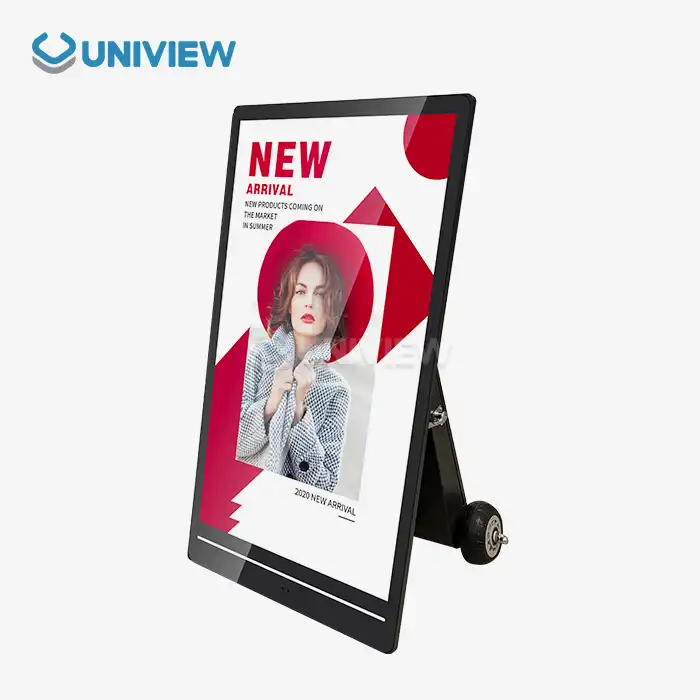
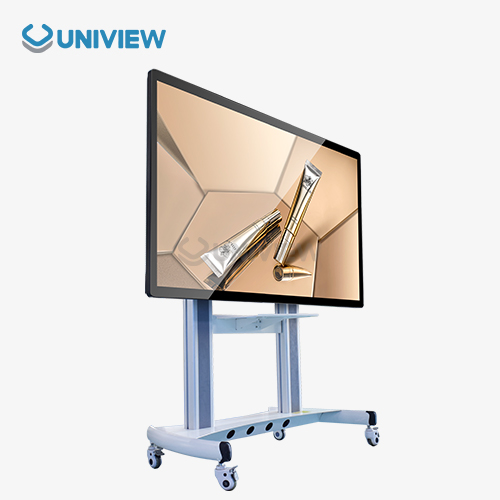
Digital screens that stand alone inside are flexible display options made for quick visual contact in business and industry settings. These stand-alone units are used for many things, like advertising, getting information out there, helping people find their way, holding interactive presentations, and promoting brands in places like stores, hotels, company offices, and transportation hubs. For companies looking to improve customer interaction and streamline operational processes, indoor standing digital screen options provide better mobility and freedom over wall-mounted displays.

Understanding Indoor Standing Digital Screens: Technology and Features
Advanced Display Technologies
Modern digital screens that stand alone use cutting-edge LCD, LED, and OLED technologies that provide excellent visual performance for business use. The high-resolution panels in these screens can make pictures that are clear and bright, with brightness levels between 300 and 700 nits for best viewing inside. Modern spotlighting systems make sure that colors are reproduced accurately and that material can be seen from up to 178 degrees away, so it can be seen from anywhere in the room.
System-on-Chip (SoC) technology is built into professional-grade indoor standing digital screen units. This technology makes it possible to handle material without using external media players. This unified method makes installation easier and gives powerful processing power for playing video files, using engaging apps, and updating data in real time.
Interactive Capabilities and Connectivity
Standing screens that can be touched turn boring watching sessions into fun, interactive ones. Multitouch sensitive screens can handle up to 10 touches at the same time, so more than one person can connect with the screen at the same time. These interactive features are great for showing off products, helping people find their way, and making self-service booths work better in stores and businesses.
Options for connectivity are very important for current digital sign installations. Professional screens that stand alone have a lot of input and output ports, such as HDMI, USB, Ethernet, and wifi options. Built-in Wi-Fi lets you manage content and make updates from afar and in real time. Cloud-based content management systems let you centrally control content from multiple places.
Customization and Design Flexibility
Commercial indoor standing digital screen systems offer a wide range of customization choices to meet the needs of different brands and businesses. Different viewing habits and room layouts can be accommodated by height-adjustable mechanisms, and the bezels and housing materials can be changed to match current interior design schemes. Businesses can get the best content layout based on application needs and available floor space by using both portrait and landscape orientations.
Primary Uses of Indoor Standing Digital Screens in B2B Environments
Retail and Commercial Applications
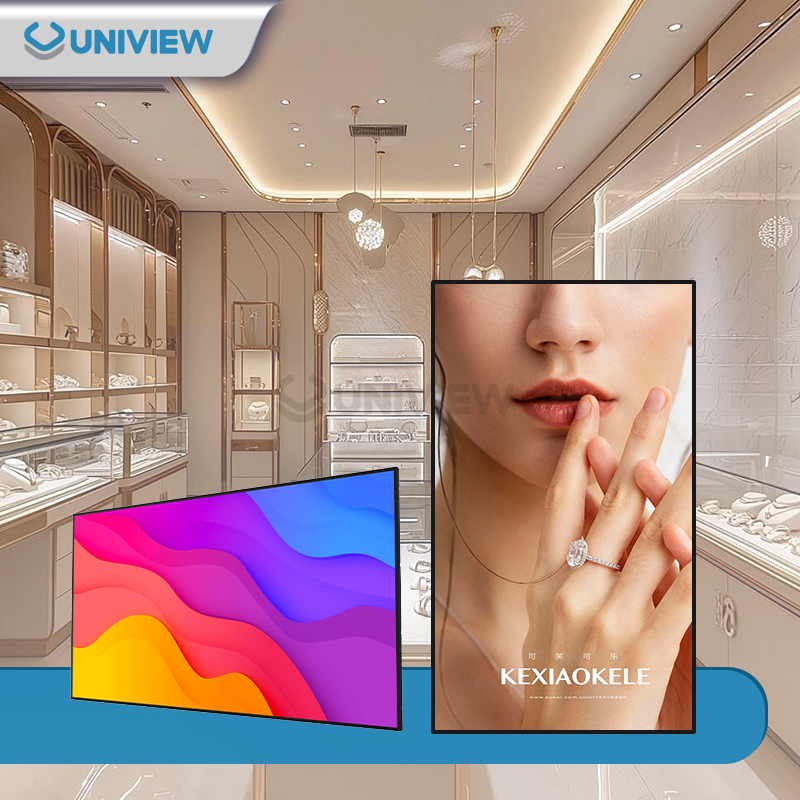
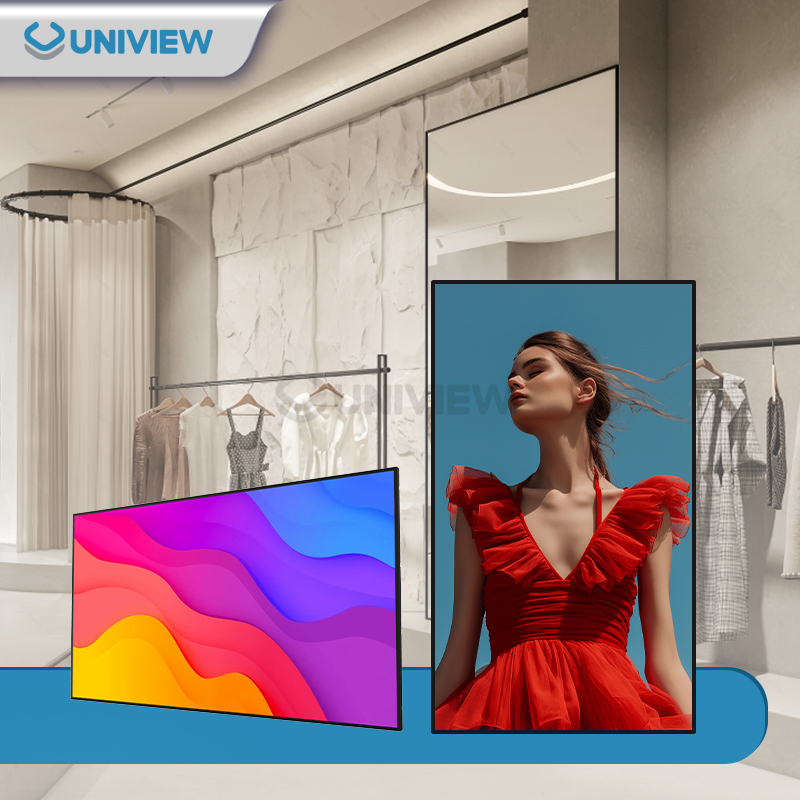
Standing digital displays are changing the way stores work by making it possible to show off products in a way that is more interesting to customers than static signs. These screens let you update your goods in real time, change promotional content, and run seasonal campaigns without having to change any actual items. Customers can look through large inventories, compare features, and get full specs on their own with interactive product catalogs.
By cutting down on wait times and giving customers quick access to information, indoor standing digital screen units' self-service features greatly enhance the customer experience. Customers can use the interface to look for specific goods, see if they are available, and even place orders. This makes shopping easier for them and makes it more likely that they will buy something.
Corporate Communications and Wayfinding
Standing digital screens are very helpful for managing visitors and communicating within a business setting. These units are dynamic information hubs that show meeting plans, company news, safety updates, and performance measures. Being able to quickly change content makes sure that information stays up-to-date and useful, which improves the speed of group communication.
For example, standing displays are very useful for helping people find their way around big businesses, hospitals, and schools. Interactive maps and guide systems make it easier for visitors to find their way around large buildings on their own, which makes the job of receptionists easier and improves the experience of visitors.
Exhibition and Event Management
A lot of the time, standing digital displays are used at trade shows and events to make brand presentations and product demos more powerful. It's easy to move these movable units around to fit different floor plans and crowd flows. High-brightness screens make it easy to see even in well-lit exhibition halls, and interactive features make it possible to show potential customers interesting product demos that stick with them.
The adaptability of indoor standing digital screen options for showing schedules, speaker information, sponsor material, and real-time updates is appreciated by event planners. The flexibility to change material during an event makes sure that guests get the most up-to-date information and gives sponsors new ways to advertise.
Choosing the Right Indoor Standing Digital Screen: Factors and Comparisons
Technical Specifications and Performance
Choosing a screen size is mostly based on how far away you want to see it and how much room you have. For standing applications, the most popular sizes are 32 inches to 86 inches. Different types of content have different resolution needs. For example, 4K screens are becoming common for apps that need detailed product images or content with a lot of text. Ambient lighting should be taken into account when setting the brightness levels, with higher levels needed in places that get a lot of natural light.
Professional displays are more reliable than consumer TVs because they have parts that are qualified to work 24 hours a day, seven days a week, and better heat management systems. For continued use in areas with a lot of foot activity, commercial panels usually come with longer warranties and stronger construction.
Installation and Maintenance Considerations
With more installation options and easier access for upkeep, standing digital screens are much better than wall-mounted ones. These parts don't need many changes to the structure and can be moved as the needs of the business change. The stand-alone form makes it easier to get to ports, cables, and internal parts for regular upkeep and fixing problems.
When procurement workers compare different makers, they should look at the warranty terms, the availability of expert help, and the ease of getting spare parts. Indoor standing digital screen options that come with full support networks make sure that there is very little downtime and that operations keep running smoothly.
Cost-Effectiveness and ROI Analysis
When you buy standing digital screens, you get a clear return on your investment through lower printing costs, more engaged customers, and more efficient operations. Many static signs and written papers can be replaced with interactive displays, which saves money over time. Being able to make money from ads through third-party content or promotional partnerships can help lower the cost of the original investment even more.
The initial buy price, installation costs, ongoing upkeep costs, and energy use are all part of the total cost of ownership. LED backlighting that uses less energy and automatic brightness adjustments help keep costs low while keeping the monitor working at its best.
Procurement Insights: How to Buy and Maintain Indoor Standing Digital Screens
Strategic Supplier Selection
To successfully buy standing digital screens, you need to carefully consider the supplier's skills, the quality of the products they offer, and their commitment to long-term support. Manufacturers that have been around for a long time and have locations all over the world offer benefits in terms of consistent products, easy access to expert help, and warranty fulfillment. To make sure that purchase choices meet the needs of the company, asking for thorough technical specs, compliance certifications, and reference installs is a good idea.
Hands-on tests should be a part of the review process as much as possible to check the quality of the display, how fast the interface is, and the build quality. Comparing prices from different sources gives you an idea of the market price and the features that are offered. It also gives you more negotiating power for larger purchases.
Installation and Deployment Services
For indoor standing digital screen units, professional placement is the only way to get the best performance and safety standards. Technicians who are qualified make sure that the cables are properly managed, that the content system is set up, and that new users are trained. Some sellers offer complete packages that include services for making content and ongoing technical help.
When planning for deployment, you should think about things like power needs, network connections, and physical security. Places with a lot of foot traffic might need extra security steps like stronger mounts and designs that can't be changed.
Maintenance and Support Requirements
Setting clear upkeep rules increases the life of the display and makes sure it works the same way every time. Cleaning, software changes, and component checks should be done on a regular basis to avoid common problems and keep a professional look. Suppliers who offer online tracking can find problems before they happen and plan repairs for times when demand is low.
Conditions of the warranty usually cover parts of the hardware and professional help for one to five years. Options for longer warranties offer extra security for mission-critical setups where downtime could have a big effect on business operations.
Future Trends and Innovations in Indoor Standing Digital Screens
Artificial Intelligence and Smart Analytics
When artificial intelligence is added to standing digital displays, they become smart communication tools that can show personalized content based on the demographics and behavior patterns of the audience. Computer vision technology lets screens figure out what kind of person is looking at them and change the material to fit, which increases interest and conversion rates.
Smart analytics systems give you useful information about how people connect with your content, how well it works, and where it should be placed. This data-driven method lets digital signage efforts be improved all the time and shows stakeholders a measurable return on investment (ROI).
Sustainable Technology Developments
Concern for the environment drives progress in display technology toward longer-lasting answers. Energy-efficient parts, materials that can be recycled, and styles that last longer all help the environment and lower costs. Manufacturers of indoor standing digital screen units are focusing more and more on environmental standards and making their products in ways that are good for the environment.
Modern power management systems change the brightness automatically based on the lights and how the device is being used. This uses a lot less energy. Some units have the ability to be charged by the sun, so they can be put in places that get enough natural light.
Enhanced Connectivity and IoT Integration
As we move toward connecting everything to the internet, standing displays can work with building management systems, security networks, and business data tools without any problems. This connected method makes it easier to watch from one place, schedule content automatically, and connect to current IT systems.
5G connection claims to speed up the delivery of material and make real-time interactive apps possible that weren't possible before because of bandwidth limits. Better connectivity lets you watch live video, access higher-resolution material, and use cloud-based processing for more advanced interactive features.
Conclusion
Standing digital display options are important tools for modern businesses that want to improve how they communicate and get customers involved. Indoor standing digital screen technology is adaptable and can be used in a wide range of settings, including retail, business, and leisure, with quantifiable ROI. For adoption to go smoothly, technical requirements, provider selection, and long-term support needs must all be carefully thought through. Display technology, AI integration, and sustainable design principles are all changing quickly, which means that this market area will continue to see new products.
FAQ
Q: What industries benefit most from indoor standing digital screens?
A: Retail spaces, business offices, healthcare facilities, leisure places, and schools can all benefit a lot from having tall digital displays. These fields use technology to interact with customers, share information, help people find their way, and promote their brands.
Q: How do standing digital screens compare to wall-mounted displays?
A: For upkeep purposes, standing displays are easier to get to, more mobile, and easier to set up than wall-mounted ones. Wall-mounted units, on the other hand, may offer better security and use of the room in some situations. The choice relies on the needs of the work and the available space.
Q: What maintenance is required for indoor standing digital screens?
A: Screen cleaning with the right tools, software updates, cable checks, and component tests are all part of regular upkeep. Professional maintenance should be done once a year to keep equipment running at its best and to make it last longer.
Q: What size display is appropriate for different applications?
A: The choice of screen size relies on how far away you want to see it and how much space you have. Smaller screens (32 to 43 inches) are good for close-up tasks, while bigger screens (55 to 86 inches) are better for places with more people and longer viewing distances.
Q: How long do commercial standing digital screens typically last?
A: Commercial-grade screens that are meant to be used all the time usually last between 50,000 and 100,000 hours, which is about 5 to 10 years of normal use. Keeping things in good shape and using them in the right way can make them last a lot longer.
Partner with Uniview Commercial for Premium Indoor Standing Digital Screen Solutions
Uniview Commercial stands as your trusted indoor standing digital screen supplier, delivering cutting-edge display technology engineered for demanding commercial environments. Our comprehensive product portfolio features high-brightness displays ranging from 2000 to 4000 nits, IP65-rated durability, and advanced anti-theft security systems backed by European surface treatment technology. With proven expertise serving clients across 100+ countries, our team provides customized solutions tailored to your specific operational requirements. Our extended 3-5 year warranty coverage and 24/7 global technical support ensure maximum uptime for your digital signage investment. Contact our specialists at sales@univiewlcdisplay.com to explore how our premium indoor standing digital screen solutions can transform your business communications and drive measurable results.
References
1. Digital Signage Market Analysis and Industry Growth Projections 2024-2028, International Display Technology Research Institute
2. Commercial Display Technology Handbook: Indoor Applications and Best Practices, Professional Audio Visual Association
3. Interactive Digital Signage Implementation Guide for B2B Environments, Commercial Technology Solutions Quarterly
4. Energy Efficiency Standards for Commercial Display Equipment, International Energy Conservation Alliance
5. Digital Signage ROI Measurement and Performance Analytics, Business Technology Research Foundation
6. Sustainable Display Technology Trends and Environmental Impact Assessment, Green Technology Innovation Council
Learn about our latest products and discounts through SMS or email