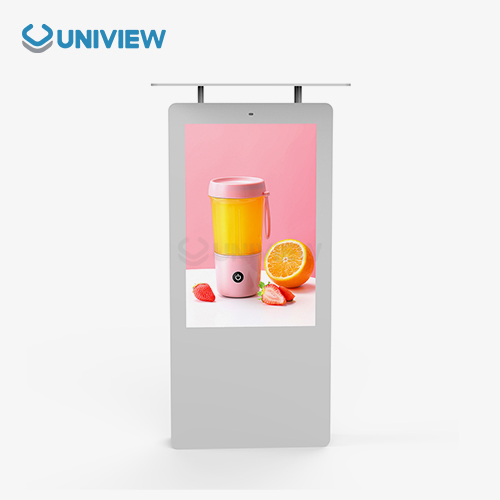
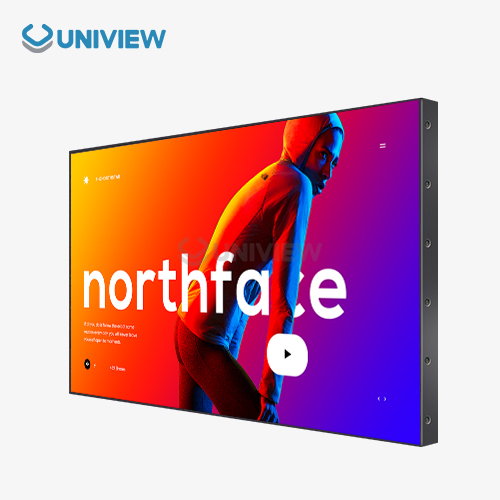
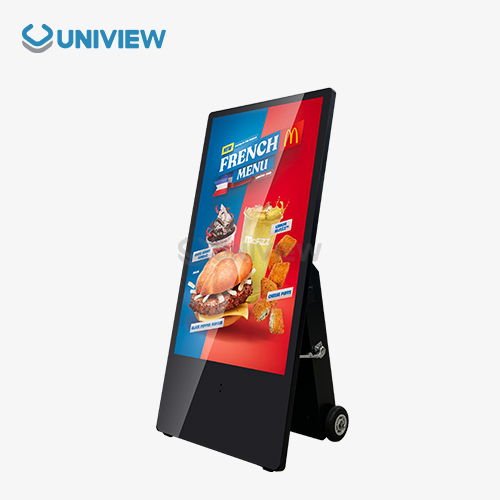
Selecting a wall mount lcd display for your business, aware of the different resolution options, helps you make smart buying decisions. These displays offer a range of mounting options and pixel densities, from standard HD formats at 1366×768 pixels to 4K ultra-HD displays with 3840×2160 resolution. Each level of resolution has its own benefits for different types of businesses, whether you need simple digital signs for stores or verClear displays for control rooms, which affect picture clarity, company suitability, and operational cost.
Understanding Wall Mount LCD Display Resolutions
Display Resolution Tech Intro
Your screen's horizontal and vertical pixels determine picture sharpness and detail. Wall-mounted commercial displays need high pixel density because people can be close or far away in different business settings. FourK displays have two million pixels, while 1920x1080 displays have eight million.
Experts call the relationship between screen size and resolution "pixel density," measured in PPI. Text and images are clearer at close range with more pixels per inch. Touch-screen apps need this technical consideration.
Business resolutions
Business wall-mount screens often have multiple resolutions. Simple digital menu boards and signs use 1366x768 displays. Most people use Full HD (1920x1080) for clear videos and text.
Detail-oriented businesses like Ultra HD 4K 3840x2160 screens. Split-screen lets you view multiple data sources without straining your eyes at higher resolutions. Only specialised programmes use 8K resolution (7680x4320) due to its high cost and lack of content.
Types of Wall Mount LCD Display Resolutions and Their Features
Standard and HD [High Definition] Options
Wall-mounted displays with HD resolution are often used for basic commercial needs at the entry level because they are cheap. These screens are good for places where people stand more than eight feet away, like lobbies or big stores. The lower pixel count means less processing has to be done, which allows for longer operational life and less energy consumption.
Most of the time, HD displays support older input formats, which makes sure that they can be used with older presentation gear and media players. A lot of stores pick HD resolution for digital menu boards because the text size can work with the lower pixel density and keep the text readable from distances customers view from.
Full HD Professional Screens
Full HD resolution has the best performance for the price, so it's become the standard choice for most wall mount lcd display installations. These screens reproduce text clearly and play video smoothly. This makes them good for conference rooms, places where people are trained, and applications that face customers.
Professional Full HD displays often have more advanced image processing features that make the content clearer in ways that basic consumer models do not. Anti-glare coatings and better color accuracy make sure that the visual quality stays the same, no matter what lighting you're in. This is very important for stores where the lighting changes during the day.
Ultra High Definition 4K Answers
4K wall mount lcd displays are the best choice for business settings that need to show the most detail and clarity. These high-resolution screens are great in places where you need to be able to see multiple data streams or a lot of detail at the same time. 4K resolution is often needed for important visual tasks in medical facilities, trading floors, and design studios.
Since 4K displays have a higher pixel density, they are great for interactive applications and collaborative workspaces because people can comfortably see them up close. Content creators can show images and videos in full resolution without any scaling issues, making sure that visual materials are shown correctly.
How to Choose the Right Resolution for Your Wall Mount LCD Display
Distance and Screen Size: Things to Think About
To find the best resolution, you need to look closely at your installation environment. The distance from which something is viewed affects the resolution needs, since closer viewing requires higher pixel density. As a rule, people should sit about 1.5 to 2.5 times the screen's diagonal length away from an HD display. With 4K displays, though, you can comfortably watch from much shorter distances.
Screen size makes the differences in resolution much easier to see. A 32-inch HD display might look totally clear from six feet away, but a 55-inch screen with the same resolution will look blurry at about the same distance. When cost is a concern, choosing smaller displays with higher resolution instead of larger displays with lower resolution often works better.
Requirements That Are Specific to the Application
Different business apps need different levels of resolution. Digital signage apps usually care more about brightness and dependability than ultra-high resolution. Because of this, Full HD displays are affordable picks. Since people interact with them directly, high resolutions are good for interactive kiosks because they need clear text and interface elements.
Corporate presentation settings have content types that need to be resolved in different ways. If you want to look at spreadsheets and detailed documents, you need a display with a high pixel density. But for basic presentations, a display with lower resolution is fine. A lot of groups make 4K displays the standard so that they will work with whatever content needs to be made in the future.
How well integration works and how compatible things are
The infrastructure that is already in place has a big impact on how resolution selection decisions are made. To avoid scaling artifacts, video sources, media players, and control systems must be able to work with the resolution you pick without any help from other software or hardware. HDMI connectivity standards limit the highest resolutions that are supported, and older equipment might need to be upgraded to be able to use 4K, which could be very expensive.
Network bandwidth is very important for digital signage networks that send high-resolution content. Video streams in 4K use a lot more bandwidth than HD streams, which could mean that the network needs to be updated. To keep things running smoothly on different screens, content management systems need to be able to handle higher resolutions, too.
Installation and Maintenance Tips for Wall Mount LCD Displays by Resolution
When You Mount at Different Levels, Things You Should Remember
Displays with higher resolution have more parts that process information and better systems for cooling, so they usually need stronger mounting systems. For displays of the same size, 4K ones usually weigh more than HD ones. As a result, stronger wall anchors and reinforced mounting brackets are required. A professional installer will make sure that the weight is spread out evenly and that the mount won't fail over time.
As resolutions get higher and more advanced connections are needed, it becomes more important to keep your cables neat. HDMI 2.0 or higher can send 4K signals without problems. If the cables are longer, though, they might need to be made stronger to keep the quality of the image. Electromagnetic interference can mess up signals that have a lot of detail. You don't have to worry about it, though, if you make sure your cables are going the right way.
Quality of the Guidelines for Keeping Resolutions
To keep the best resolution, clean your screen without hurting the pixels or coatings. Microfiber cloths and cleaning solutions that are known to work stop scratches from happening on high-resolution screens, where they are easier to see. Cleaning on a regular basis makes sure that dust doesn't get on the ventilation systems that are needed for everything to work well.
Pixel mapping and calibration can help find problems before they impact the display's performance. As time goes on, screens with higher resolution are more likely to have pixel failures because they have more single pixels. Color calibration and pixel replacement are things that are often done as part of professional maintenance contracts to keep the display looking nice over time.
Leading Brands and Resolution Options in Wall Mount LCD Displays
Major companies have created a wide range of products that meet different resolution needs and business uses. Samsung's professional display division has models with resolutions from Full HD to 8K. These models include features for advanced image processing and commercial-grade reliability. Their QLED technology improves color reproduction at all levels of resolution. It is especially helpful for 4K setups that need to show colors correctly.
LG's line of commercial displays focuses on how they can be used in different ways and work with other technologies. For example, webOS-based smart displays support a range of resolution formats. Their Ultra HD models come with media players and network connectivity. This makes it easier to set up digital signs because they don't need to be connected to separate devices. Sony focuses on high-end apps with screens that are optimized for medical imaging and broadcasting, where color accuracy and resolution quality are very important.
In this tough market, Uniview Commercial stands out by offering customizable wall mount lcd displays that are designed for different business needs. Our products include Full HD and 4K options, with higher brightness levels of up to 4000 nits for outdoor use. IP65-rated weatherproofing, treatments that resist corrosion, and built-in anti-theft security systems that protect your investment in high-resolution display technology are all advanced features.
These manufacturers' choices offer a lot of warranty coverage and technical support that are necessary for commercial use. Uniview Commercial stands out because of its long warranty periods of three to five years and its global support networks. These features are backed by international insurance that ensures long-term reliability and gives procurement professionals peace of mind.
Conclusion
Choosing the right wall mount LCD display resolution means finding a balance between technical needs, budget limits, and operational needs. HD displays work well for basic uses, but Full HD displays are the best middle ground for most business settings. 4K resolution works best for applications that need high performance, but you need to make sure that your infrastructure and content can handle it. Knowing the viewing distances, application needs, and how the display will be integrated helps you get the best performance from your display and be happy with your investment in the long term.
FAQ
Q1: What's the best small office conference room resolution?
Full HD (1080p) balances picture quality and cost. Text and video are sharp and clear, which is ideal for 6–10-foot viewing distances. This system allows presentations, video calls, and document sharing without expensive tools.
Q2: Can 4K screens boost productivity?
A: Yes, 4K displays let apps run simultaneously with clear text and graphics, making people more productive. A higher pixel density simplifies detailed work and data presentation to designers, doctors, and financial analysts.
Q3: Is this resolution compatible with my gear?
A: Verify your source devices' connections and output resolution. HDMI 2.0 supports 4K resolution, but not earlier versions. Make sure your media players, computers, and presentation systems can handle the resolution you want immediately for best results.
Partner with Uniview Commercial for Premium Wall Mount LCD Display Solutions
Uniview Commercial uses the newest technology in wall-mounted LCD displays that are made for tough commercial settings. Our wide range of products includes options with Full HD and 4K resolution. These products have better brightness, are resistant to bad weather, and have better security. As a top maker of wall mount LCD displays, we offer custom solutions that fit your exact needs and conditions.
To come up with the best display solutions that meet budget needs and maximize performance, our engineering team works closely with procurement experts. Uniview Commercial makes sure that your display investment gets consistent results for as long as it is used. They do this with global support coverage and warranty terms that are the best in the industry. To look at our resolution choices and get detailed specs for your next project, please email us at sales@univiewlcdisplay.com.
References
1. Digital Signage Federation. "Commercial Display Resolution Standards and Best Practices." Professional Display Technology Journal, 2023.
2. International Society for Display Technology. "Pixel Density Guidelines for Commercial Wall Mount Applications." Industrial Display Engineering Review, 2024.
3. Commercial Electronics Manufacturers Association. "Resolution Selection Criteria for B2B Display Procurement." Professional AV Systems Quarterly, 2023.
4. Society for Information Display. "High-Resolution LCD Technology in Commercial Environments." Display Technology and Applications Annual, 2024.
5. Professional Display Industry Alliance. "Wall Mount LCD Display Installation and Maintenance Standards." Commercial Display Best Practices Guide, 2023.
6. International Digital Signage Association. "Resolution Impact on Commercial Display ROI and Performance Metrics." Digital Signage Business Analysis Report, 2024.