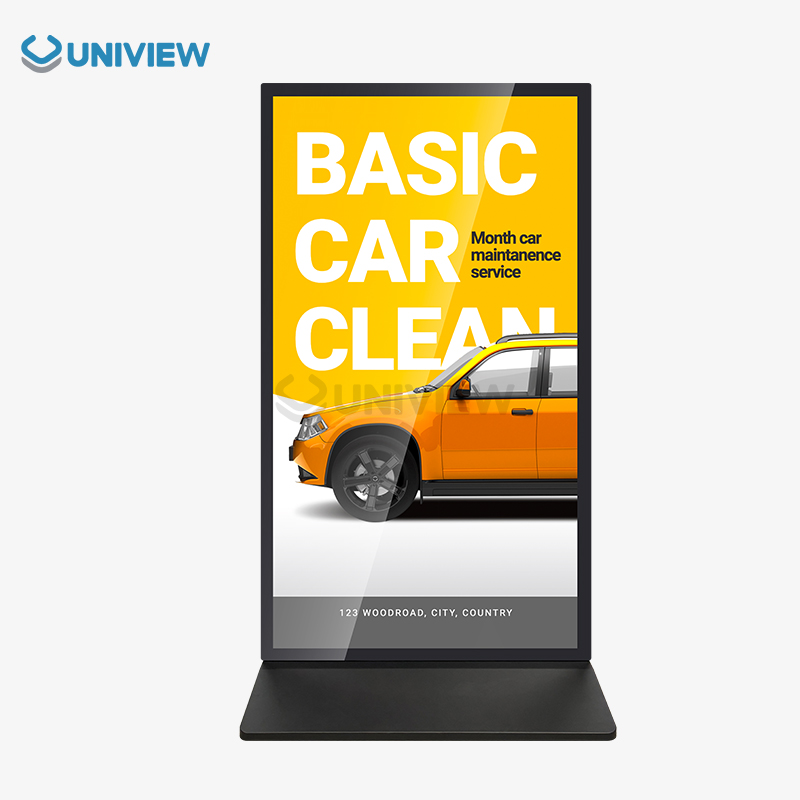
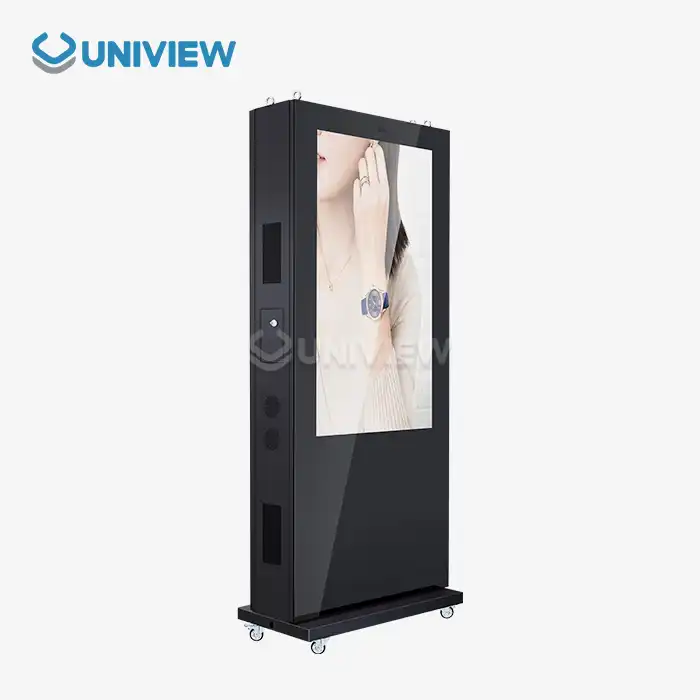
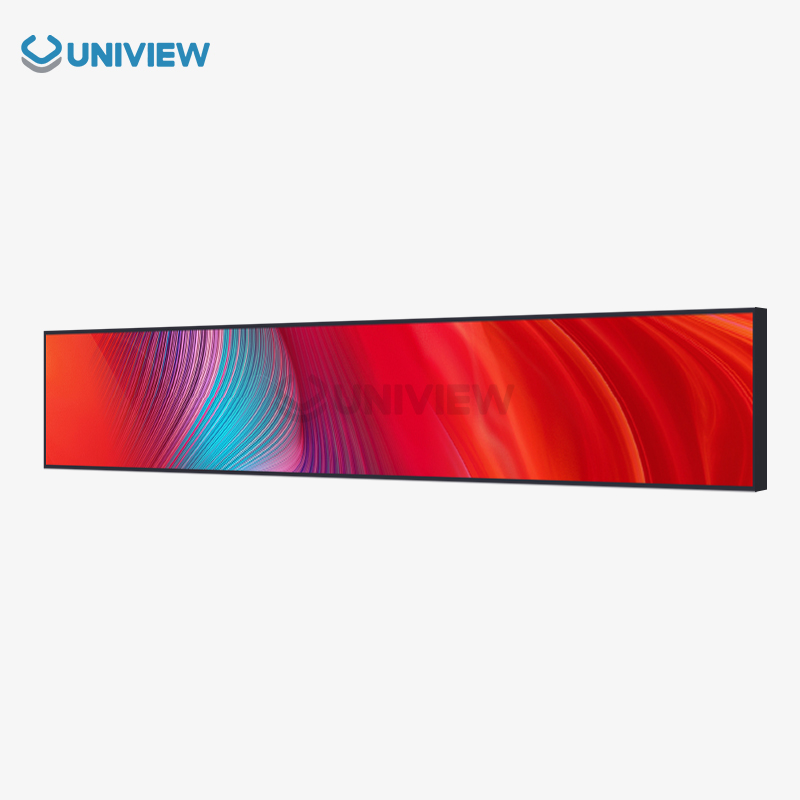
The best wall mounted digital signage use moving images, information that updates instantly, and targeted messages that meet your audience's needs. If you want your content to work, you need to think about how people interact with it, timing, and visual hierarchy, whether you're using LCD screens at work or LED screens for ads outside. Modern wall-mounted digital signage systems will work well for you if you use high-brightness features, interactive features, and strong content management systems that make it easy to update content and keep track of performance.
Understanding Wall Mounted Digital Signage and Its Content Potential
Software and LED and LCD display technologies make wall digital signs easier to update. Thus, any business can use it. Know the screen type, software, and installation location when choosing content.
Key Show Tech and Considerations
New digital screens use high-tech parts to work 24/7 in harsh conditions. Professional LED and LCD screens can reach 2,000–4,000 nits. You can see the screen in a bright room this way. These displays pass US, Japanese, and European tests. Plus, fancy technology keeps them cool. They can be used for long-term installations, which procurement professionals want.
Software development and content monitoring
A good content management system makes planning, decision-making, and changes easy. These platforms allow videos, interactive apps, live data streams, and still photos. If you create content or work for a multi-location business, cloud-based tools that allow remote login and management are helpful.
How each group works in these fields affects their content needs. These businesses include factories, hotels, offices, and stores. When procurement professionals see these, they know their signs will be on message and matching the setting. Thus, more people will use the signs, justifying the cost.
Types of Content That Maximize Engagement on Wall Mounted Digital Signage
In busy B2B environments, wall mounted digital signage work best when they use dynamic visuals, like high-resolution videos and animations, to grab attention. Real-time data integration, such as touch interactions and live dashboards, gives people immediate access to relevant information, which helps them make better decisions and get more involved with visitors.
Changing strategies for visual content
High-impact visual content is the most important part of any digital signage campaign. Because they move, motion graphics and animations naturally stand out, especially in areas where still images are trying to make people notice them too. Video content performs very well, with studies showing that people remember the message up to 400% better with moving pictures than with still pictures. Professional content should use high-resolution formats that make the most of the display's features and keep the content clear at normal viewing distances.
Interactive and Data-Using Parts
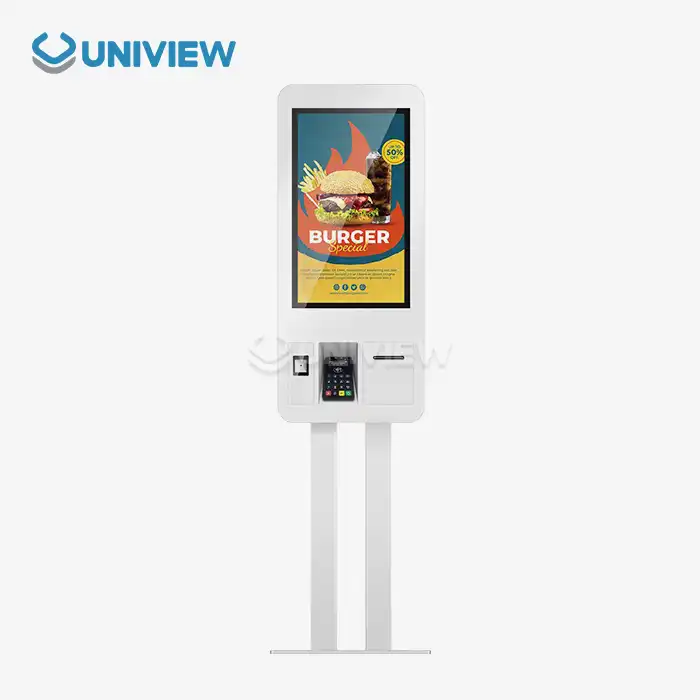
Touch screens make passive viewing into active participation. This allows people to see information about products, get directions in a building, or get updates right away. Adding interactive kiosks to businesses makes it easy for guests and staff to see meeting times, company news, and directory information. People who work with data for a living find it useful right away when they get to use tools like live dashboards that show KPIs, weather updates, or market information.
Company news, product updates, how-to videos, and similar things are meant to inform and educate people. It is important to keep procurement managers and technical buyers in mind when making them. This type of targeted messaging not only informs people, but it also builds trust, which makes the company look like a trustworthy buyer.
Strategic Content Design Principles for Wall Mounted Digital Signage
Planning makes content easy to read and understand. By selecting font sizes, contrast levels, and screen distance, this is achieved. This reduces information overload. Scheduling is crucial because it lets you change message frequency and timing to reach the right people. This aids message recall and conversions.
Visual hierarchy and readability
Readability depends on distance and brightness. When choosing typography, consider font size, weight, and contrast ratios to ensure readability in all lighting. Color schemes should follow brand rules and be visible to visually impaired people. Even in busy situations, professionals use screens that are easy to see. Screens have high contrast and anti-glare coatings.
How to Plan and Share Content Again
Audience behavior drives intelligent content scheduling in timing optimization. The best times to talk to people vary by industry and place, so foot traffic and audience demographics are crucial. Content rotation lets you repeat messages at set times to avoid boredom. Based on time of day, season, or real-time events like weather or stock, advanced scheduling systems can update content automatically.
Logos, testimonials, certifications, and case studies can build brand trust and understanding when used consistently and subtly. These ideas help professionals communicate and help businesses achieve their goals.
Comparing Wall Mounted Digital Signage Content with Other Display Solutions
Digital signs on walls offer different benefits than free-standing signs and projector/video wall setups. This is especially true for limited space, visibility, and targeting the right audience. Due to these differences, the content strategy must be changed too. Most of the time, wall-mounted solutions need small, eye-catching pictures that look good from any angle.
Viewing Angles and Space Optimization
Wall mounted digital signage installations make the best use of floor space and give the best viewing angles for foot traffic patterns. Content design needs to keep common approach angles and fixed positioning in mind so that people can see the message from the main pathways. Wall-mounted systems only show content to certain parts of the audience, as opposed to displays that let people see them from any angle. This makes more targeted messaging strategies possible.
On the other hand, both video walls and projectors work with large, immersive content, but they each have different technical needs. Since software platforms are not always the same, picking a CMS with great analytics, scheduling, and multi-source integration choices will help you get the best ROI and content delivery in any display setting.
How to Implement Effective Content for Your Wall Mounted Digital Signage?
To make content that has an impact, you need to first study your audience and your content goals. Then, when you make the content, you should focus on being clear and engaging. Testing phases make sure the message hits home before a lot of people see it.
Planning and Testing for Implementation
Content deployment can only be successful if it involves detailed planning that takes into account technical details, content types, and ways to measure success. The testing phases for wall mounted digital signage should check how visible the content is in different types of lighting and how people interact with touch screens. Performance monitoring through analytics platforms gives information about engagement rates, dwell times, and how well content works. This information helps with ongoing optimization efforts.
The best screen placement and connectivity are important for getting things done, and regular content updates based on performance data and seasonal trends keep things relevant. Maintenance protocols including software updates and hardware inspections make sure that content is always delivered. Making sure you have good relationships with suppliers and service contracts helps you succeed in the long term. This helps your workflow run smoothly and follows the best ways to buy things.
Conclusion
When planned with care, targeted messaging, and strong technical knowledge, wall mounted digital signage can create an interesting experience that helps your business. The best methods combine moving visuals with data and interactive features that are updated constantly, all while making sure that the text is easy to read and the schedule is planned strategically. Businesses that buy professional display hardware, thorough content management systems, and strategies for ongoing optimization get better engagement rates and measurable returns on their digital signage investments.
FAQ
Q: What kinds of information work best on wall-mounted digital signs in B2B settings?
A: Interactive videos, real-time data feeds, touch content, and targeted educational messages all help people make informed decisions about what to buy. In professional settings, content that offers instant value is most useful. Examples include live dashboards, company news, and industry-related information that is in line with viewers' interests and the goals of the business.
Q: How often should I change the information on my wall-mounted digital signs?
A: Regular updates, ideally every week or month, keep the audience interested and help the promotion or market conditions change. But, for example, live data feeds and real-time information should always be updating, while promotional content and general messaging can follow scheduled rotation patterns based on how well the audience interacts with them and campaign goals.
Q: Can I use more than one data source on a single digital signage display?
A: Yes, more advanced CMS platforms make it possible for different data streams, like dashboards and social feeds, to be combined so that the display content is automatically improved. These days' digital signs can get information from databases, social media, weather services, and internal systems to make big displays that give viewers relevant and current information.
Partner with Uniview Commercial for Superior Wall Mounted Digital Signage Solutions
Uniview Commercial's professional, wall-mounted, digital signs that are made change how you do business communication. for global business-to-business buying. Our high-quality LCD and LED displays have up to 4000 nits of brightness, are protected from weather with an IP65/66 rating, and are built to resist corrosion so they will work well in tough conditions. As a trusted supplier of wall-mounted digital signage, we offer a full range of solutions, including customizable displays, advanced content management systems, and dedicated global support backed by expromises of as long as five years. Our advanced digital signs might be useful for your business. You can email us at sales@univiewlcdisplay.com to discuss your needs.
References
1. Digital Signage Content Strategy and Best Practices for Business Communication. Journal of Business Technology Integration, 2023.
2. Interactive Display Technologies in Corporate Environments: A Comprehensive Analysis. International Conference on Digital Media Applications, 2023.
3. Content Management Systems for Digital Signage: Performance Metrics and ROI Analysis. Business Technology Review, 2022.
4. Visual Communication Effectiveness in Professional Settings: Display Technology Impact Study. Corporate Communications Quarterly, 2023.
5. Digital Signage Implementation Guide for B2B Procurement Professionals. Industrial Display Technology Association, 2023.
6. Comparative Analysis of Wall-Mounted vs. Freestanding Digital Display Solutions. Display Technology Research Institute, 2022.