- English
- French
- German
- Portuguese
- Spanish
- Russian
- Japanese
- Korean
- Arabic
- Greek
- German
- Turkish
- Italian
- Danish
- Romanian
- Indonesian
- Czech
- Afrikaans
- Swedish
- Polish
- Basque
- Catalan
- Esperanto
- Hindi
- Lao
- Albanian
- Amharic
- Armenian
- Azerbaijani
- Belarusian
- Bengali
- Bosnian
- Bulgarian
- Cebuano
- Chichewa
- Corsican
- Croatian
- Dutch
- Estonian
- Filipino
- Finnish
- Frisian
- Galician
- Georgian
- Gujarati
- Haitian
- Hausa
- Hawaiian
- Hebrew
- Hmong
- Hungarian
- Icelandic
- Igbo
- Javanese
- Kannada
- Kazakh
- Khmer
- Kurdish
- Kyrgyz
- Latin
- Latvian
- Lithuanian
- Luxembou..
- Macedonian
- Malagasy
- Malay
- Malayalam
- Maltese
- Maori
- Marathi
- Mongolian
- Burmese
- Nepali
- Norwegian
- Pashto
- Persian
- Punjabi
- Serbian
- Sesotho
- Sinhala
- Slovak
- Slovenian
- Somali
- Samoan
- Scots Gaelic
- Shona
- Sindhi
- Sundanese
- Swahili
- Tajik
- Tamil
- Telugu
- Thai
- Ukrainian
- Urdu
- Uzbek
- Vietnamese
- Welsh
- Xhosa
- Yiddish
- Yoruba
- Zulu
What’s the Future of Landscape Floor Standing Digital Signage?
A smart, connected system with ultra-bright screens, AI-driven content personalization, and cloud-based remote control is what landscape floor standing digital signage needs to get to the future. As companies want to give customers more immersive experiences in retail, transportation, leisure, and business settings, these freestanding units that are arranged horizontally are changing from simple advertising tools to advanced engagement platforms. Landscape floor standing digital signage is a smart investment for businesses looking for flexible, long-term visual communication infrastructure that can deliver measurable ROI in markets that are becoming more competitive due to its enhanced durability standards, modular scalability, and seamless integration with IoT ecosystems.
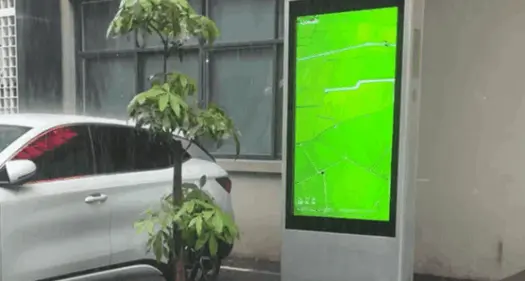
Understanding Landscape Floor Standing Digital Signage: Definition and Current State
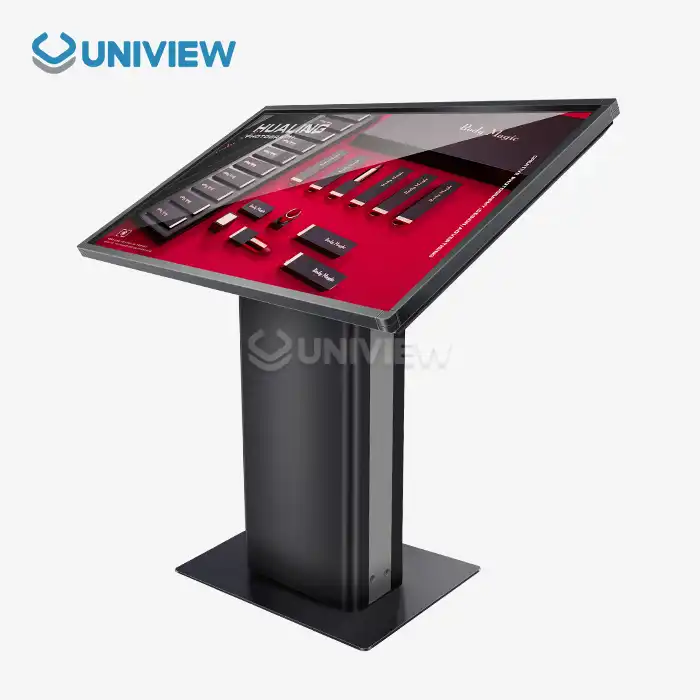
Landscape floor standing digital signage is a specific type of commercial-grade visual communication hardware that is made to be placed horizontally without the need for infrastructure for putting on the wall. These stand-alone units have industrial LCD or LED screens, toughened metal cases, and built-in media players. This makes them flexible display options that can be used anywhere and can be set up at the best viewing height for busy areas.
Core Architectural Features Defining Modern Landscape Displays
Unlike consumer TVs that have been reused for business use, real landscape floor standing digital signage is made with industrial-grade parts that are designed to work nonstop, 24 hours a day, seven days a week. Usually, the design is made up of cold-rolled steel or extruded aluminum frames with powder-coated finishes that don't rust or wear down easily. Commercial IPS (In-Plane Switching) screens offer 178-degree viewing angles, so viewers won't see color shifts when they look at material from different angles. Brightness levels range from 450 nits for controlled indoor settings to 2,500 to 3,500 nits for installations facing a window where full sunlight makes the natural light difficult to work with. Screens are protected from damage by tempered glass with a Mohs hardness level of 7. Anti-glare and oleophobic treatments keep shadows and fingerprints to a minimum while using the screen interactively.
Strategic Advantages Driving B2B Adoption Across Industries
Landscape-oriented freestanding displays are used by businesses to solve practical problems that can't be solved with traditional sign designs. In retail settings, getting rid of the ongoing printing costs of static signs and adding the ability to schedule dynamic material that changes based on traffic trends at different times of the day is a big plus. These units are used as digital receptionists in corporate lobbies to show directions, event plans, and brand messages that can be changed online across multiple locations. Transportation hubs use the horizontal style to show emergency alerts, departure boards, and ads all at the same time by using split-screen capability. Hospitality places like how ultra-slim profiles can be styled to match any interior design while still offering interactive personal services. Because it stands alone, it doesn't need expensive wall changes and can be quickly moved to meet changing space needs.
Current Market Challenges Requiring Strategic Consideration
Even though there are strong benefits, it can be hard for buying teams to set up large-scale landscape floor standing digital signage. Adding units to a current IT system, it makes installation more difficult, especially in older environments that don't use standard network protocols. Maintenance needs aggressive thermal management to keep panels from breaking down over long periods of time, especially in partially open areas where temperatures can change. When figuring out the total cost of ownership, you have to take into account the original hardware purchase, payments to content management systems, technical support contracts, and the need to replace hardware at some point. Companies that don't have specialized digital signage staff often have trouble with the content creation workflows and performance measurement systems that are needed to keep investing. These problems show how important it is to choose manufacturing partners that offer full support communities instead of just sending tools.
Key Technological Trends Shaping the Future of Landscape Floor Standing Digital Signage
New developments in display technology are completely changing what horizontally oriented standalone digital sign systems can do and how they can be used. As better resolution panels, smart software integration, and networked connections come together, they open up new ways to involve audiences that are more complex.
Ultra-High Resolution and Enhanced Image Quality Standards
These days, luxury landscape floor standing digital signage always uses 4K UHD resolution instead of Full HD (1920x1080). This quadrupling of pixel density makes it possible to see clear text at closer ranges and supports detailed product images that are important for car shops and high-end stores. New 8K screens (7680x4320) are starting to be sold in stores, but the process of making material is still stopping them from being widely used. HDR (High Dynamic Range) technology improvements go beyond clarity and increase color gamut and contrast ratios. This makes content that stands out clearly and gets people's attention in competitive settings. Commercial screens can now regularly achieve 100% sRGB color accuracy. This makes sure that brand colors show up consistently across spread display networks, which is very important for franchises and multinational companies that need to keep up with visual identity standards.
Interactive Touchscreen Integration and Gesture Recognition
More and more modern landscape-oriented displays use PCAP (Projected Capacitive) touchscreen technology, which lets up to 20 people touch the screen at the same time and allows for complex gesture orders and group activities. With this feature, idle advertising screens can be turned into self-service booths that help people find their way, set up their products, and finish transactions. Newer units have infrared touch patches that work consistently outside, where capacitive technology has trouble with interference from moisture. Gesture recognition systems with built-in cams let people connect without touching each other, which is becoming more important in public places that care about health. When deciding between touch-enabled and non-touch models, you need to weigh the benefits of engagement against the higher starting costs and higher upkeep needs, especially for cleaning the glass in areas with a lot of foot traffic.
AI-Powered Content Personalization and Analytics Integration
The most reshaping trend in landscape floor standing digital signage features is the merging of artificial intelligence. When privacy laws allow it, face recognition algorithms are used by embedded AI processors to look at the demographics of the audience. Based on age groups, gender distributions, and stay time patterns, the material that is shown is changed. Targeted product promotions are shown in retail settings using this feature, and language choices are immediately changed in hospitality settings. Machine learning systems find the best times to post content by looking at past engagement data and figuring out which creative assets get the most views at certain times of the day. Modern systems use anonymous traffic counting and heat mapping to make business data that goes beyond the usual advertising measures. To keep customers' trust while taking advantage of the benefits of personalization, these features need strong data protection frameworks and clear customer sharing policies.
IoT Connectivity and Cloud-Based Fleet Management Systems
IoT connection has made it possible for organizations that run remote display networks to be able to watch and control them from afar. Cloud-based Content Management Systems (CMS) let marketing teams change messages for hundreds of units at once, plan campaigns weeks ahead of time, and make quick changes to content in case of an emergency. Built-in diagnostic tools check the temperatures of the panels, the health of the power supplies, and the amount of space they can hold. If any of these things go wrong, they send out automatic repair alerts before they can stop operations. If your physical Ethernet link fails, your 4G or 5G cellular connection will keep your business running. Technicians don't have to come to the site to do over-the-air firmware changes, which lowers long-term running costs. Cybersecurity features like VPN tunneling, protected content transfer, and role-based access controls keep people from getting in without permission. These are important safety measures as screens become more integrated into corporate IT networks.
Comparing Landscape Floor Standing Digital Signage with Other Formats for Optimal B2B Procurement Decisions
When procurement professionals look at digital signs investments, they need to know the pros and cons of each form factor so they can find solutions that meet business needs and space limits.
Landscape Floor Standing vs. Wall-Mounted Display Systems
Wall-mounted displays save room in places with limited floor space by placing screens at set heights that provide the best viewing angles for people who are sitting or standing. When existing wall structures provide enough load-bearing capacity and electricity connections, installation costs stay low. But mounting on the wall makes lasting space promises that make it harder to change the plan as business needs change. Landscape floor standing digital signage is more mobile, so companies can move units around during shop remodels, seasonal campaigns, or special events without having to make any structural changes. Also, freestanding units don't have to worry about the weight limits that come with mounting on walls. This means that larger screens (75 to 98 inches) can be used, which makes a bigger visual effect. If operating goals value space permanence and simple design (wall-mounted) or flexibility and noticeable placement (floor standing), then that's what you should choose.
Indoor vs. Outdoor Environmental Specifications
Indoor outdoor screens usually work with 450 to 700 nits of brightness, which is enough for controlled lighting conditions, and they use standard ventilation systems to keep the temperature down. For outdoor and semi-outdoor models, the requirements are much higher. They need to be bright enough to work in direct sunlight (2,500–4,000 nits), have IP65 or IP66 ratings for protection against water and dust getting in, and be able to work in a wider range of temperatures (-30°C to 50°C) to deal with harsh weather. At the coast, where the salt water is high, corrosion-resistant coatings keep metal parts safe. Vandal-proof shelters have reinforced glass with an IK10 impact grade and access panels that can't be changed and have double-layer security locks. These better specs make each unit cost 150–300% more than indoor versions, so it's very important to do a correct environmental assessment when planning a purchase. Weatherproof outdoor units are often used in semi-outdoor settings like covered sidewalks and transit platforms, where temperature changes and rare exposure to moisture are higher than what's acceptable indoors, but don't need full outdoor hardening.
Touchscreen vs. Non-Touch Display Considerations
When choosing between engaging and passive display choices, budget is the most important thing to think about. Due to additional digitizer layers, driver hardware, and calibration needs, landscape floor standing digital signage with touchscreens costs 40–60% more than non-touch versions. Interactive features make this extra cost worth it in situations where users need to interact with the screen, like in-store product configurators, hotel check-in kiosks, and workplace directory systems. Passive displays work well for broadcast ads where the material sends a one-way message to the viewer without asking them to respond. Maintenance issues also play a role in choices. Touchscreens get fingerprints and smudges and need to be cleaned often, while toughened glass on non-touch units keeps the screen clear with little maintenance. When companies use a hybrid strategy, they often put touchscreen units in high-engagement areas like entrances and service desks and non-touch screens in other areas for extra messages. This lowers the total cost of ownership across the rollout spread.
Manufacturer Ecosystem Evaluation and Support Infrastructure
In addition to hardware specs, procurement choices must also look at the full support communities that makers offer throughout the lifecycle of their products. Established names offer several important benefits, including large service networks that allow for quick on-site repairs, thorough warranty programs (within 3 to 5 years as a standard), and guaranteed component supply for older goods that need new parts years after the initial purchase. When problems happen, premium makers offer specialized technical support teams with guaranteed response times (24-hour callbacks). This keeps operations running smoothly when problems do happen. Software update promises make sure that it works with new video codecs and CMS systems as they come out. When buying something, people should really look at the guarantee terms. Some companies don't cover outdoor setups at all, or they put limits on how many hours the product can be used, which might not be enough for 24/7 use. By forming strategic relationships with makers that offer customization options, businesses can choose from a wide range of enclosure colors, as well as custom mounting setups that meet the needs of their buildings.
Future Outlook and Strategic Recommendations for B2B Buyers in Landscape Floor Standing Digital Signage
Landscape floor standing digital signage features and deployment models are expected to change significantly over the next three to five years, thanks to changes in the market and in technology. This will present B2B buyers with both possibilities and strategic imperatives.
Expanding Market Demand Across Vertical Sectors
Analysts predict that the business digital signage market will grow at a rate of 8 to 12 percent per year until 2028. This is because traditional industries are speeding up their digital change efforts. Dynamic screens are being used instead of standard point-of-sale materials in stores to support omnichannel marketing strategies and show real-time merchandise. Quick-service restaurants use menu signs that show different prices at different times of the day and adjust the prices based on demand. Transportation hubs combine ads with signage, creating extra income streams that help pay for the costs of building the infrastructure. Digital signage is a standard amenity in corporate real estate developments. It improves the experience of tenants and lets building managers speak directly with them. Healthcare centers use screens to teach patients, keep track of wait times, and list staff members. This broadening of demand leads to economies of scale, which lowers the cost of hardware while putting more pressure on makers to offer unique value through software features and service quality.
Next-Generation Hardware and Software Capabilities
New landscape floor standing digital signage models use modular component designs that let media players, connectivity modules, and even display screens be upgraded in the field without having to replace the whole unit. This flexibility makes it possible to update parts over time, which raises the useful life from the usual 5 to 7 years to 10 years or more. This lowers the total cost of ownership. When microLED display technology hits the business market, it promises to be brighter (5,000+ nits), have better contrast ratios, and use less energy than current LCD screens. However, because they are so expensive, they can only be used in high-end installations for now. Edge computing designs are being used more and more by software platforms to process AI analytics locally instead of depending on cloud connections. This cuts down on delay and improves privacy compliance. Advanced models have environmental sensors that check the temperature, air quality, and number of people using the space. This turns the screens into IoT data-gathering points that help smart building projects. Voice contact lets you use the device without using your hands in accessible settings, and augmented reality features let you try on virtual products when they're combined with mobile device integration.
Verified Performance Data and Early Adopter Outcomes
Case study data from corporate deployments shows that landscape floor standing digital signage investments have real business effects that make them worth the money. A global store said that sales in promoted categories went up by 32% after dynamic displays with lifestyle photos and limited-time deals were put up instead of static posters. Airport advertising networks found that digital campaigns had 47% higher recall rates than standard backlit signs. This meant that advertisers were willing to pay higher CPM rates. Through line management screens showing expected service times and menu information, corporate campus deployments cut the time people thought they had to wait in cafeterias by 23%. This made employees happier with their jobs. When hotels and resorts put up digital butler screens, 18% fewer questions were asked at the front desk, freeing up staff to do more valuable guest services. These confirmed results give B2B buyers benchmarking data they can use when making business cases and setting performance goals for their deployments.
Strategic Recommendations for Future-Proof Investments
Landscape floor standing digital signage purchases should be made with a number of strategic factors in mind to guarantee long-term value. Instead of proprietary closed environments that need expensive custom development, choose platforms with open API architectures that let you connect them to current marketing automation, CRM, and business intelligence systems. Look at the total cost of ownership over the next 7–10 years, taking into account when to replace hardware, when software licenses go up in price, and when support contracts need to be renewed. The lowest prices at first often end up being the most expensive over longer periods of time. Ask for environmental awards like Energy Star ratings for energy efficiency, the use of recyclable materials, and maker take-back programs for proper disposal of end-of-life products that follow the rules for extended producer responsibility. Use phased release strategies that start with pilot setups to check how well they work before committing to fleet-wide rollouts. This way, you can see if the vendor's claims hold up in the real world and learn how to run things before investing more money. Set up internal governance systems that include processes for content review, brand compliance standards, and performance measurement methods. This will make sure that the organizational and technical skills of the company are kept up to date.
Conclusion
Landscape floor standing digital signage has changed from simple ads to complex tools for interaction that use AI to personalize content, connect to the internet of things (IoT), and perform advanced analytics. As businesses in the retail, workplace, leisure, and transportation sectors try to go digital, these freestanding units that are arranged horizontally offer adaptable, high-impact visual communication solutions that can be used for a wide range of tasks. For strategic buying to work, environmental requirements, maker support ecosystems, and the total cost of ownership (which includes more than just the cost of the hardware) must all be carefully considered. Ultra-high-brightness displays, interactive touchscreen technology, and cloud-based management systems have all come together to make landscape digital signage an essential piece of infrastructure for businesses that want to improve engagement and cut costs in markets that are getting more competitive.
FAQ
Q: What is the typical lifespan and warranty coverage for commercial-grade landscape displays?
A: Industrial-grade landscape floor standing digital signage units usually work for 50,000 to 60,000 hours before their brightness drops to 50% of their original level. That's about 8 to 10 years of constant 16-hour daily use. Premium makers offer warranties that cover panel flaws, power source breakdowns, and part replacements for 3 to 5 years. You can often buy extended warranties that cover you for two or three more years. Outdoor types may have different guarantee terms that don't cover damage from extreme weather or theft unless certain exceptions are agreed upon.
Q: How do I choose between touchscreen and non-touchscreen configurations?
A: Units with touchscreens work well for uses that need users to connect with them, like product configurators, direction guides, self-service check-in systems, and interactive brand experiences. When interactivity leads to measurable gains in engagement or practical efficiency, the extra 40–60% cost and higher upkeep needs (like cleaning and calibration on a regular basis) are worth it. Non-touch displays are more cost-effective for television ads, informational messages, and places where touching the screen doesn't add much value. Companies often use a mix of tactics, putting interactive units in places where people are likely to be interested and using passive screens for extra messages.
Q: What customization options are available for landscape floor standing digital signage?
A: Reliable manufacturers let you make a lot of changes, like matching the colors of the enclosure to your company's logo (RAL color matching), putting your logo on the bezel or base components, changing the height requirements to meet accessibility needs, and creating custom mounting configurations for specific architectural constraints. Customizing software means adding things like unique user interfaces to interactive apps, your own content management system, and your own sensors (like RFID readers, environmental monitors, and people counts). For custom setups, the minimum order quantity is usually between 10 and 50 units, but this depends on how complicated the changes are. Lead times are 8 to 12 weeks longer than normal product delivery plans.
Partner with Uniview Commercial for Industry-Leading Landscape Floor Standing Digital Signage Solutions
In our factories in Shenzhen, Uniview Commercial makes enterprise-grade landscape floor standing digital signage to strict industrial standards. When used outside, our screens are very bright (2,000 to 4,000 nits) and have advanced offline covered AR glass that makes them very visible in low light. They also run very quietly (60dB), even when they're out in the open. Each unit has 16 levels of wind resistance certification, European-standard corrosion protection, and IP65/IP66 weather resistance. It also comes with a full warranty for 3 to 5 years and expert help available 24 hours a day, 7 days a week. We are a reliable landscape floor standing digital signage seller with customers in over 100 countries. To meet the specific needs of each business, we offer special customization services. Get in touch with our tech experts at sales@univiewlcdisplay.com to find out how our tried-and-true signs solutions can change the way you communicate visually and help your business in real ways.
References
1. Digital Signage Federation (2023). "Commercial Display Technology Standards and Best Practices for B2B Procurement." Industry Technical Report, Vol. 14.
2. Henderson, M. & Chen, L. (2024). "AI Integration in Commercial Digital Signage: Performance Benchmarks and ROI Analysis." Journal of Interactive Marketing Technology, 18(2), 112-134.
3. International Digital Signage Association (2023). "Global Market Analysis: Freestanding Display Systems in Retail and Corporate Environments." Annual Industry Survey Report.
4. Roberts, K., Zhang, Y., & O'Connor, P. (2024). "Comparative Durability Testing of Outdoor Digital Signage Under Extreme Environmental Conditions." Commercial Display Engineering Quarterly, 31(4), 67-89.
5. Smith, J. & Anderson, T. (2023). "Total Cost of Ownership Models for Enterprise Digital Signage Deployments." Harvard Business Review Technology Analysis, December 2023.
6. World Digital Signage Consortium (2024). "Emerging Technologies in Commercial Display Systems: Cloud Integration, IoT Connectivity, and Edge Computing Applications." Technical White Paper Series, Report 2024-03.
Learn about our latest products and discounts through SMS or email