- English
- French
- German
- Portuguese
- Spanish
- Russian
- Japanese
- Korean
- Arabic
- Greek
- German
- Turkish
- Italian
- Danish
- Romanian
- Indonesian
- Czech
- Afrikaans
- Swedish
- Polish
- Basque
- Catalan
- Esperanto
- Hindi
- Lao
- Albanian
- Amharic
- Armenian
- Azerbaijani
- Belarusian
- Bengali
- Bosnian
- Bulgarian
- Cebuano
- Chichewa
- Corsican
- Croatian
- Dutch
- Estonian
- Filipino
- Finnish
- Frisian
- Galician
- Georgian
- Gujarati
- Haitian
- Hausa
- Hawaiian
- Hebrew
- Hmong
- Hungarian
- Icelandic
- Igbo
- Javanese
- Kannada
- Kazakh
- Khmer
- Kurdish
- Kyrgyz
- Latin
- Latvian
- Lithuanian
- Luxembou..
- Macedonian
- Malagasy
- Malay
- Malayalam
- Maltese
- Maori
- Marathi
- Mongolian
- Burmese
- Nepali
- Norwegian
- Pashto
- Persian
- Punjabi
- Serbian
- Sesotho
- Sinhala
- Slovak
- Slovenian
- Somali
- Samoan
- Scots Gaelic
- Shona
- Sindhi
- Sundanese
- Swahili
- Tajik
- Tamil
- Telugu
- Thai
- Ukrainian
- Urdu
- Uzbek
- Vietnamese
- Welsh
- Xhosa
- Yiddish
- Yoruba
- Zulu
Why Choose a Semi-Outdoor LCD Window Display for Ads?
When businesses need effective advertising options for tough conditions, Semi-Outdoor LCD window display technology stands out as the best choice. The light levels on these special screens range from 2000 to 4000 nits, and the picture quality is excellent. They are perfect for both indoor and outdoor use. Semi-outdoor LCD displays are the best choice for retail storefronts, transit hubs, and semi-covered commercial spaces because they offer the best performance, durability, and cost-effectiveness. Traditional indoor screens have trouble with ambient light, and fully outdoor displays may be too expensive.
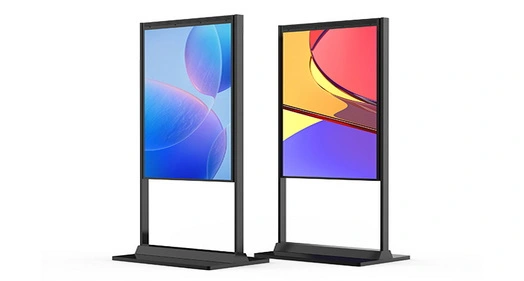
Understanding Semi-Outdoor LCD Window Displays
Semi-outdoor LCD displays are a complex mix of advanced display technology and weather-resistant engineering. They are made for places where the screens are partially exposed to the elements outside. These screens have higher brightness levels and special protective layers that keep the picture clear and easy to see even when they are exposed to sunshine, temperature changes, and moisture.
Advanced Display Technology Features
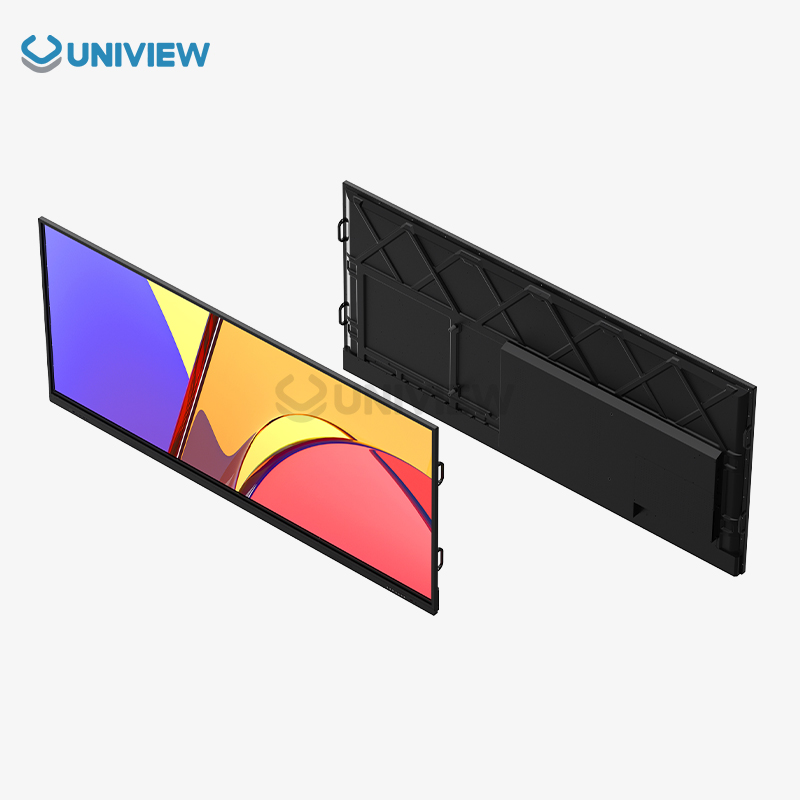
Improved backlit systems and strong panel building are at the heart of semi-outdoor window displays. The UW1500P model from Uniview is a great example of this technology. Its light levels range from 2000 to 4000 nits, which are much higher than most indoor screens. The energy-efficient LED backlighting system produces brighter pictures than the older CCFL technology while still using less power.
Each monitor is color-calibrated at the factory to make sure that the colors look great and that the contrast ratio is strong. This careful calibration method makes sure that the screens work the same way in all lighting situations. This makes them especially useful for advertising, where color accuracy has a direct effect on how a brand is shown.
Environmental Resilience and Durability
Semi-outdoor LCD screens are different from regular indoor ones because they are made to last longer. The IP65 to IP66 grades on these units protect them from water and dust, so they can work reliably in partly open spaces. The strong structure is made of materials that won't rust and have been treated with European surface treatment technology to protect them from external damage for a long time.
Another important benefit is that they can handle changes in temperature, with working ranges made to work in semi-outdoor settings. This thermal resistance makes sure that the product works the same way whether it's placed in a store that is hot or a covered walkway that is cooler.
Comparing Semi-Outdoor LCD Displays with Other Display Technologies
When you know the differences between the different display technologies, you can make smart purchases that fit your budget and the needs of your surroundings. By comparing them, we can see why semi-outdoor LCD screens are often the best choice for transitional areas.
Performance Advantages Over Indoor Displays
LCD types that can be used partially outside have better brightness levels than indoor screens. Standard indoor screens usually work at 300 to 500 nits, but Semi-Outdoor LCD window display units like the UW1500P work at 2000 to 4000 nits, so they can be seen even when they are in full sunlight through windows.
Environmental adaptability is another important factor that sets them apart. Because indoor displays don't have the protected features needed for semi-exposed installs, they can be damaged by changes in humidity, temperature, and dust that usually happen in window-mounted displays.
Cost-Effectiveness Compared to Outdoor LED Solutions
Fully outdoor LED displays are more expensive than semi-outdoor LCD screens, but they have better resolution and picture quality. LCD technology's higher pixel density makes it possible for pictures and text to be seen clearly, which is important for advertising material that needs to show fine details.
Energy use trends also favor semi-outdoor LCD screens, which usually use less power than similar outdoor LED installations while still providing great visual performance. This economy means that the display will cost less to run over its lifetime.
Versatility in Semi-Exposed Applications
Semi-outdoor LCD screens are great for transitional settings where other technologies might not work well because they can be changed to fit the situation. Their form allows them to be mounted on the wall or hung from the ceiling, so they can be used in a variety of settings and from a variety of viewing points.
Why Semi-Outdoor LCD Window Displays Are Ideal for Advertising
There are more practical benefits to using Semi-Outdoor LCD window display technology for ads than just making things easier to see. These screens make it possible for people to interact with content in a way that standard signs can't, all while keeping costs low.
Enhanced Visibility and Customer Engagement
Semi-outdoor screens have high brightness levels that make sure advertising information can be seen clearly in a range of daylight situations. This constant visibility means that potential buyers can easily read advertising content, product information, and brand messages, no matter what the lighting is like outside. This leads to more engaged customers.
Businesses can change their advertising messages in real time to reflect changes in merchandise, seasonal sales, or limited-time deals with dynamic content. This adaptability is a big plus over static advertising methods that need to be replaced physically when the content needs to be changed.
Proven Success in Commercial Applications
Following the installation of semi-outdoor displays, retail companies have seen big rises in foot traffic and sales conversion rates. Transportation hubs that use these screens say that they help passengers get more information and make more money from ads from business partners.
Window-mounted semi-outdoor displays have been very successful in the hotel industry for advertising services, events, and facilities to both guests and possible customers walking by at street level. These methods show real changes in ROI by making customers more aware of and interested in the products.
Cost-Efficient Scalability
Businesses that want to grow their advertising networks may be interested in semi-outdoor LCD screens because of how cheap they are to run. Lower energy use compared to LED options lowers ongoing operating costs while keeping picture quality high for detailed advertising material.
Maintenance needs are still doable because the building is strong and the parts chosen are reliable. Longer warranties (three to five years) from well-known companies like Uniview Commercial make the total cost of ownership even more appealing.
Procurement Guide for Semi-Outdoor LCD Window Displays
To buy Semi-Outdoor LCD window display systems successfully, you need to carefully look at the technical specs, the supplier's skills, and the long-term support infrastructure. This methodical technique guarantees the best results on investments and reliable performance.
Critical Technical Specifications
For semi-outdoor uses, brightness levels are the most important feature. For basic semi-outdoor use, displays should have at least 2000 nits, and 4000 nits is suggested for installations that will be in full sunlight. Because the UW1500P's lighting range is adjustable, it can be used in a variety of placement settings.
Choosing between FHD and UHD resolution relies on how far away you are watching and how detailed the content needs to be. When looking at text up close, UHD resolution is better, but FHD may be fine for screens that are seen from farther away, where pixel density is less important.
Supplier Evaluation Criteria
A full guarantee should last at least three to five years and cover both hardware parts and expert support services. The global 24-hour response capability makes sure that technical problems that could affect the efficiency of ads are fixed quickly.
Industry-wide norms and quality certifications for manufacturing give customers peace of mind that the product will work well with current systems. Long-term product support is more likely to come from well-known makers with a track record in semi-outdoor uses.
Customization and Volume Purchasing Benefits
Leading makers offer customization choices that are specific to certain industries and uses. This lets businesses get exactly what they need. Some of these changes are custom housing colors, special positioning systems, and weather sensors that are built right in.
Strategic agreements to buy in bulk often include better prices, longer guarantee terms, and faster expert help. These benefits can make a big difference in the project's bottom line while also making sure that the product is always available for deployments in multiple places.
Installation and Maintenance Best Practices
The life and dependability of semi-outdoor LCD window displays are greatly increased by following the right installation and ongoing care steps. By doing these things, the big investment is kept safe, and the ads are always successful.
Systematic Installation Procedures
The building process starts with a site survey, which looks at things like how much environmental exposure there is, how much structural support is needed, and how much power is available. When you put something correctly, it stays in place and lets you get the best viewing angles and the least amount of glare, which can make your ads less effective.
During installation, environmental protection measures include making sure that links are weatherproof, that there is enough air flow to get rid of heat, and that the right security measures are in place for the installation site. These safety measures stop early failure and illegal entry.
Preventive Maintenance Protocols
Cleaning screens on a regular basis keeps the picture quality at its best by getting rid of dust, moisture residue, and other external pollutants that can slow down displays. Specialized cleaning products made just for LCD screens keep them from getting damaged while still cleaning them well.
Diagnostic tracking tools can find problems before they affect how the display works. Software-based tracking tools keep an eye on things like temperature, power use, and performance indicators for parts, which lets you plan repairs ahead of time.
Troubleshooting Common Issues
Changes in efficiency that are caused by temperature can usually be fixed by adding more air or making changes to the thermal management system. Knowing the normal working temperature ranges helps you tell the difference between problems caused by the surroundings and problems with the parts.
Power source problems are usually caused by bad wiring or connection issues rather than problems with the display itself. Systematic electrical testing finds the root reason and tells you what to do to fix it.
Conclusion
Semi-Outdoor LCD window display technology is the best way for companies to advertise when they are in an area between fully indoor and fully outdoor displays. When it comes to shopping, leisure, and transportation, these displays are especially appealing because they are bright, can handle harsh environments, and don't cost much to run. With the right research before buying, professional installation, and regular maintenance, semi-outdoor LCD screens can provide reliable advertising that leads to measured business results while keeping operations running smoothly.
FAQ
Q: What brightness level is necessary for semi-outdoor LCD displays?
A: For basic uses, semi-outdoor LCD screens should have at least 2000 nits of brightness. For installations that get a lot of sunlight, 2000 to 4000 nits is suggested. The UW1500P's brightness can be changed across this range to work with a variety of settings.
Q: How do semi-outdoor displays handle weather exposure?
A: The IP65 and IP66 ratings on these screens protect them from water and dust, and the temperature range is made for semi-exposed settings. Materials that don't rust and special finishes make things last a long time even when the weather and moisture change.
Q: What are the energy efficiency advantages compared to LED displays?
A: While providing better resolution and picture quality, semi-outdoor LCD window display screens generally use less power than similar outdoor LED installations. Compared to standard CCFL technology, LED backlighting uses less energy and lowers running costs even more.
Q: How do resolution options affect advertising effectiveness?
A: For close-up watching, UHD resolution gives you better text clarity and detail reproduction, while FHD resolution might be enough for screens that you look at from farther away. The choice varies on how far away you usually watch from and how detailed the information needs to be.
Q: What warranty and support should buyers expect?
A: Authentic brands offer warranties that last between 3 and 5 years and offer expert help around the clock, seven days a week. To make sure that advertising works reliably, full coverage should include both hardware parts and expert help.
Transform Your Advertising Strategy with Uniview Commercial
Transform Your Advertising Strategy with Uniview Commercial. Uniview Commercial's cutting-edge semi-outdoor LCD window display systems are made to make the most of difficult situations and raise brand awareness, particularly in high-traffic areas where visibility is crucial for attracting potential customers. As a top maker of semi-outdoor LCD window displays, we offer the UW1500P model, which has a brightness range of 2000 to 4000 nits, factory-calibrated colors, and a number of installation choices. We have offices in more than 100 countries around the world, so we can provide solid help backed by full warranties for 3 to 5 years and response times of 24 hours a day, seven days a week. Our expert team can be reached at sales@univiewlcdisplay.com to talk about unique solutions, low bulk prices, and technical advice that will make your advertising more effective.
References
1. Digital Signage Federation, "Semi-Outdoor Display Technology Standards and Best Practices," Professional Display Industry Report, 2024.
2. International Society for Display Technology, "Brightness Requirements for Semi-Exposed Digital Signage Applications," Technical Standards Publication, 2023.
3. Commercial Display Research Institute, "ROI Analysis of Semi-Outdoor LCD vs. LED Display Technologies in Retail Applications," Industry Performance Study, 2024.
4. Global Digital Advertising Association, "Environmental Durability Testing Protocols for Semi-Outdoor Commercial Displays," Technical Guidelines, 2023.
5. Professional AV Magazine, "Installation and Maintenance Best Practices for Semi-Outdoor LCD Window Displays," Technical Reference Manual, 2024.
6. International Building Display Standards Organization, "Energy Efficiency Metrics for Semi-Outdoor Digital Signage Systems," Sustainability Report, 2023.
Learn about our latest products and discounts through SMS or email