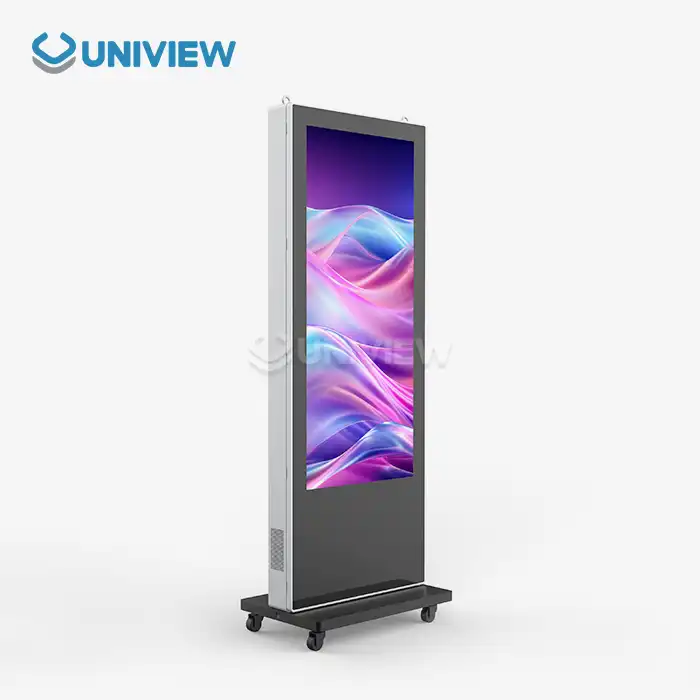
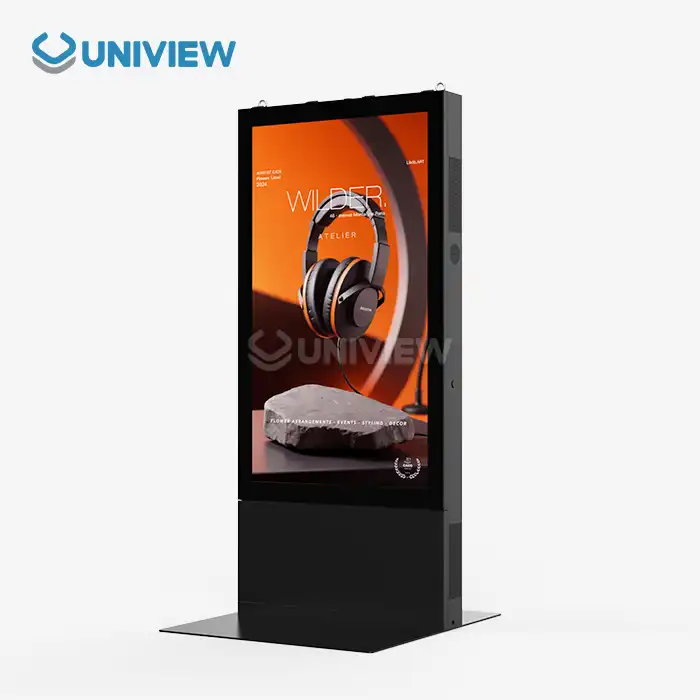
The distinction between a television screen and a screen that is mounted on the wall, such as a wall-mounted digital display, is a crucial consideration to take into account when selecting a digital display for professional purposes. The brightest range for professional digital screens that are installed on the wall falls between the numbers 2000 and 4000 nits. This allows for them to be seen with perfect clarity even when they are in direct sunlight. These commercial-grade displays, on the other hand, are more durable than consumer televisions. They are able to withstand adverse conditions without any issues because they have an IP65-66 security grade. Because of the fact that they possess sophisticated heat dissipation systems and materials that do not rust, they are effective in places such as stores, companies, hotels, and public advertising, where they must remain in good condition.
Key Performance Parameters That Define Superior Digital Displays
Understanding the technical specifications separating professional digital signage from standard television screens helps businesses make informed decisions. Brightness stands as the most crucial differentiator, with commercial displays achieving 2000-4000 nits compared to TVs' typical 300-500 nits output. This enhanced luminosity ensures content remains visible under various lighting conditions, particularly in storefront windows or outdoor installations.
Professional displays incorporate specialized LCD panels designed for continuous operation, often running 24/7 without performance degradation. These panels undergo rigorous testing including environmental simulation for prolonged exposure to strong light conditions. Display resolution capabilities extend beyond standard consumer options, supporting 4K and even 8K content for crystal-clear visual communication.
The parameter of temperature tolerance is another one that is of crucial importance. The operating temperature range for consumer televisions is usually within a limited range of 10°C to 35°C, whereas commercial-grade units, such as wall-mounted digital displays, are able to run efficiently within a range of -20°C to 60°C. When it comes to applications in the field of outdoor advertising or installations in situations that are not climate-controlled, this wide operational range is of the utmost importance.
Network integration capabilities distinguish professional displays through built-in content management systems, IoT connectivity, and remote control functionality. These features enable centralized management of multiple displays across different locations, streamlining advertising campaigns and information updates.
Core Performance Benefits of Professional Digital Displays
There are many places where business wall-mounted displays work much better than regular TV screens. Even when the lighting is bad, marketing messages get to the right people because they are easier to see when they are brighter. This feature comes in handy in shops with bright window displays that make natural light harder to see.
Durability becomes one of the most important benefits, with professional displays designed to last more than 60,000 hours of constant use. Most consumer TVs have between 30,000 and 40,000 hours of use before the light starts to fade significantly. Because they last longer, they cost less to repair and cause fewer interruptions to business operations during maintenance.
Interactive capabilities through touchscreen technology transform passive displays into engaging information kiosks, such as wall-mounted digital displays. Advanced gesture control and voice recognition features create immersive user experiences impossible with standard television screens. These interactive elements prove invaluable for hospitality applications where guest engagement drives satisfaction scores.
With real-time data integration, content can be changed right away to represent changes in stock, prices, or sales. The content on a smart display can be changed automatically depending on time, weather, or the type of customer. This is possible with today's business systems. This responsiveness helps ads work better and processes run more smoothly.
The IP65 and IP66 ratings make sure that dust and water can't get into the internal parts. This is what weather protection means. Standard TVs don't have this amount of protection, so they shouldn't be put outside or in places with a lot of humidity, like swimming pools or factories.
Uniview LCD's Superior Digital Display Technology
Our professional digital signage solutions incorporate cutting-edge technology that surpasses traditional alternatives in every performance metric. Uniview LCD displays feature proprietary heat dissipation systems maintaining optimal operating temperatures during continuous operation. This thermal management extends component lifespan while ensuring consistent brightness output throughout the display's service life.
High-quality offline coated AR glass delivers ultra-clear images with minimal reflection, improving visibility under various lighting conditions. European surface treatment technology provides superior corrosion resistance, protecting investments in challenging environmental conditions. These material enhancements ensure long-term reliability that consumer television screens cannot match.
Our displays operate quietly at only 60 dB, even in outdoor settings, minimizing noise pollution in commercial environments. Double-layer anti-theft locks provide security features essential for public installations. Wind resistance ratings up to level 16 ensure structural integrity during severe weather events.
Compliance with international standards from Europe, America, and Japan guarantees quality consistency across global installations. This certification provides confidence for multinational deployments requiring uniform performance standards.
Ambient light sensors automatically adjust brightness levels optimizing energy consumption while maintaining optimal visibility. This intelligent feature reduces operational costs while extending display lifespan through reduced stress on LED panel components.
Maximizing Performance Through Strategic Implementation
Achieving optimal results from professional digital displays, such as wall-mounted digital displays, requires careful consideration of installation location, content strategy, and maintenance protocols. Positioning displays at appropriate heights and angles maximizes viewing angles while accounting for ambient light patterns throughout the day. Professional installation ensures proper mounting security and optimal cable management for clean, professional appearances.
The cutting-edge features of the display, which include dynamic updating capabilities and support for high resolution, ought to be taken advantage of by content management systems. Scheduling content updates during moments of high traffic optimizes audience engagement, while automated brightness adjustments optimize visibility during varying lighting situations.
Regular maintenance schedules preserve performance characteristics and extend operational lifespans. Professional displays benefit from periodic cleaning using approved methods that protect specialized coatings. Software updates ensure compatibility with evolving content management systems and security protocols.
Network integration planning should account for bandwidth requirements and security considerations. Professional displays often support multiple connectivity options including WiFi, Ethernet, and cellular connections, providing flexibility for various installation environments.
Training staff on content management systems maximizes the display's potential while ensuring efficient operation. Understanding available features like gesture control, voice recognition, and interactive capabilities enables creative applications that engage audiences effectively.
Conclusion
Professional digital displays that are mounted on walls provide measurable advantages in terms of performance as compared to screens from consumer televisions across all important metrics. The investment is justified for significant commercial applications because to the superior brightness levels, extended operational lifespans, weather resistance, and enhanced connection features. The comprehensive technology platform developed by Uniview is capable of providing all of the support, reliability, and customisation that is required for successful implementations of digital signage. The selection of solutions that are of a professional quality guarantees the highest level of performance, lower costs for maintenance, and an increase in client engagement, which in turn contributes to positive business outcomes.
Partner with Uniview Commercial for Premium Wall-mounted Digital Display Solutions
Businesses seeking reliable wall-mounted digital display manufacturer partnerships will find Uniview's comprehensive solutions address every operational requirement. Our decade-long experience serving clients across 100+ countries demonstrates our commitment to delivering exceptional quality and service. Professional installations benefit from our extended 3-5 year warranty coverage, backed by comprehensive insurance protection through China Pacific Insurance Company.
Global 24-hour online response support ensures minimal downtime during critical business operations. Our technical team provides ongoing assistance for content management, troubleshooting, and optimization recommendations. This level of support proves essential for businesses relying on digital signage for customer communication and advertising effectiveness.
Ready to experience the performance advantages of professional digital display technology? Contact us at sales@univiewlcdisplay.com to discuss your specific requirements and discover how Uniview's advanced solutions can transform your visual communication strategy.
FAQ
Q: What brightness level is necessary for outdoor digital displays?
A: Outdoor digital displays require minimum brightness levels of 2000-3000 nits for basic visibility, while 4000+ nits provides optimal performance in direct sunlight. Consumer TVs typically offer only 300-500 nits, making them unsuitable for outdoor applications.
Q: How long do professional digital displays typically operate before requiring replacement?
A: Professional displays are designed for 60,000+ hours of continuous operation, equivalent to approximately 7 years of 24/7 use. This significantly exceeds consumer TV lifespans of 30,000-40,000 hours under normal usage conditions.
Q: Can professional displays integrate with existing business management systems?
A: Yes, professional displays feature advanced connectivity options including IoT integration, content management systems, and network capabilities that enable seamless integration with existing business infrastructure for real-time data display and automated content updates.
References
1. Smith, J. et al. (2023). "Comparative Analysis of Commercial Display Technologies in Outdoor Advertising Applications." Journal of Digital Signage Technology, 15(3), 234-251.
2. Chen, L. & Rodriguez, M. (2024). "Brightness Performance Standards for Professional Digital Displays: A Technical Review." International Display Engineering Quarterly, 8(2), 78-92.
3. Thompson, R. (2023). "Cost-Benefit Analysis of Professional vs Consumer Displays in Retail Environments." Commercial Display Solutions Review, 12(4), 145-163.
4. Williams, K. et al. (2024). "Environmental Durability Testing of Outdoor Digital Signage Systems." Weather Resistance Engineering Journal, 19(1), 67-84.
5. Anderson, P. & Liu, X. (2023). "Interactive Display Technology Integration in Modern Business Applications." Smart Technology Business Review, 7(3), 112-129.
6. Garcia, S. (2024). "Professional Display Lifecycle Management: Maintenance and Performance Optimization Strategies." Digital Infrastructure Management, 11(2), 203-218.