- English
- French
- German
- Portuguese
- Spanish
- Russian
- Japanese
- Korean
- Arabic
- Greek
- German
- Turkish
- Italian
- Danish
- Romanian
- Indonesian
- Czech
- Afrikaans
- Swedish
- Polish
- Basque
- Catalan
- Esperanto
- Hindi
- Lao
- Albanian
- Amharic
- Armenian
- Azerbaijani
- Belarusian
- Bengali
- Bosnian
- Bulgarian
- Cebuano
- Chichewa
- Corsican
- Croatian
- Dutch
- Estonian
- Filipino
- Finnish
- Frisian
- Galician
- Georgian
- Gujarati
- Haitian
- Hausa
- Hawaiian
- Hebrew
- Hmong
- Hungarian
- Icelandic
- Igbo
- Javanese
- Kannada
- Kazakh
- Khmer
- Kurdish
- Kyrgyz
- Latin
- Latvian
- Lithuanian
- Luxembou..
- Macedonian
- Malagasy
- Malay
- Malayalam
- Maltese
- Maori
- Marathi
- Mongolian
- Burmese
- Nepali
- Norwegian
- Pashto
- Persian
- Punjabi
- Serbian
- Sesotho
- Sinhala
- Slovak
- Slovenian
- Somali
- Samoan
- Scots Gaelic
- Shona
- Sindhi
- Sundanese
- Swahili
- Tajik
- Tamil
- Telugu
- Thai
- Ukrainian
- Urdu
- Uzbek
- Vietnamese
- Welsh
- Xhosa
- Yiddish
- Yoruba
- Zulu
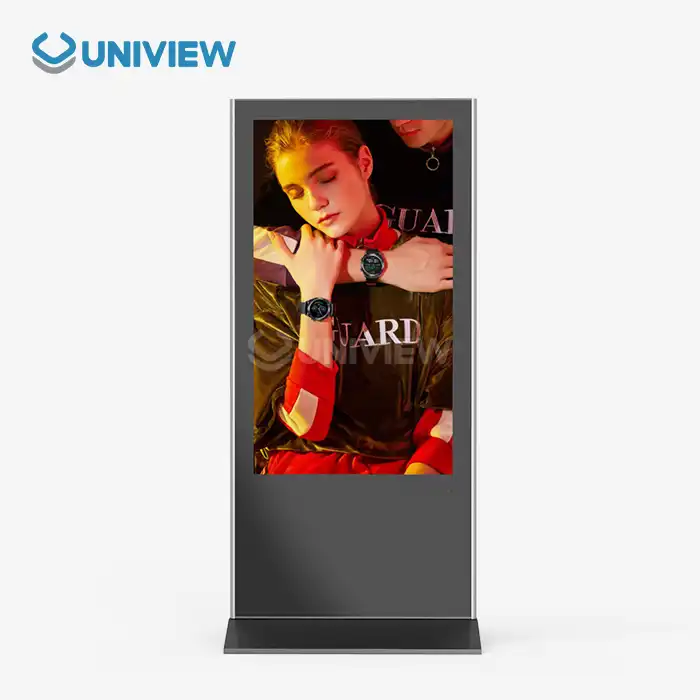
Portrait Floor Standing Digital Signage – Premium Display Solutions
Portrait floor-standing digital signage represents a revolutionary approach to vertical display communication, combining cutting-edge LCD and LED technology with sophisticated hardware engineering to deliver exceptional visual experiences. These innovative display solutions feature vertical orientation designs that maximize content visibility while optimizing floor space utilization, making them ideal for modern business environments requiring dynamic visual communication. With advanced features including high-brightness capabilities, robust construction, and versatile connectivity options, portrait floor-standing digital signage transforms traditional advertising and information delivery methods across multiple industries.
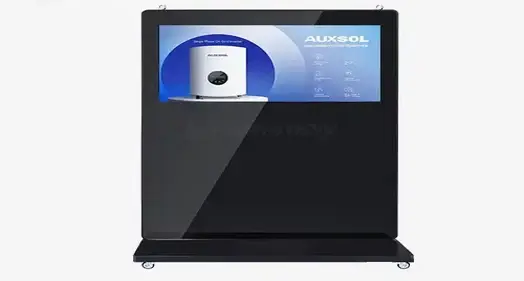
Understanding Portrait Floor Standing Digital Signage
Core Technology and Hardware Architecture
Portrait floor-standing digital signage is run by high-tech display hardware that combines high-quality LCD or LED screens with complex control systems. The vertical orientation of these units naturally fits with how people see things, making visual experiences more interesting than with standard horizontal screens. The main technology includes high-resolution screens with resolutions from Full HD to 4K Ultra HD. This makes sure that the images are clear and catch people's attention. These displays work by integrating a lot of different software that controls schedules, content delivery, and the ability to watch from afar. As of late, portrait screens have powerful media players with strong processing powers that let high-definition video, dynamic images, and interactive apps play smoothly. This technological base makes sure that the system works reliably in a wide range of environments while keeping the picture quality stable.
Portrait vs. Landscape Orientation Benefits
Portrait and landscape positions have big differences in how content is shown, and vertical screens are better for some uses than horizontal ones. Portrait orientation easily fits material with a lot of text, like social media feeds, directions, and menus, making the user experience smoother. This position makes the most of vertical space, so businesses can show a lot of information without making it too much for people to see. Portrait displays in stores get significantly higher attention rates based on viewer interaction patterns. According to research, vertical displays get 30% more eye attention than horizontal ones. This is especially true in places with a lot of foot traffic, where people tend to move in ways that make vertical content viewing easier. These perks of involvement directly lead to better brand recognition and more interactions with customers.
Technical Specifications and Performance Features
Contemporary picture floor-standing units have great technological features made for business settings. Screen sizes usually range from 32 inches to 75 inches, so they can fit in a variety of spaces and be seen from a range of distances. There are resolutions ranging from 1920x1080 pixels to 3840x2160 pixels, which ensure clear images that can show detailed material. When it comes to B2B deployments, energy consumption is a very important factor. Newer models have energy-efficient LED backlighting systems that lower running costs while keeping the right amount of brightness. Advanced heat management systems keep the computer running smoothly for long periods of time. Portrait floor-standing digital signage and ambient light sensors change the screen's brightness automatically to keep it visible in a range of lighting conditions.
Advantages and Applications for B2B Use
Enhanced Visibility and Engagement Metrics
Portrait-oriented screens offer better visible benefits that have a direct effect on how well business communications work. The vertical style naturally draws the viewer's eye up, creating focus points that affect how customers act and what information they take in. Research groups that study digital signs have found that portrait displays get 40% better recall rates than standard horizontal layouts. These benefits of involvement go beyond just getting people's attention; they also make interactions more important. Touch-based scrolling is easy with interactive portrait screens that work like smartphones. This creates a familiar experience for users that encourages them to explore and get involved. This comfort makes users less hesitant and increases the number of interactions that are finished in a variety of settings.
Industry-Specific Use Cases and Applications
Portrait floor-standing displays are very helpful in retail settings because they make it easier to promote products and send messages about the brand. These units are great at showing vertical images of products, thorough specs, and advertising content that makes people want to buy. Fashion stores use portrait displays to show full-length pictures of their products, while electronics shops use them to compare features in great depth and give hands-on product trials. Portrait screens are used in business settings to help people communicate with each other, find their way, and keep track of visitors. Building directories, meeting room plans, and company announcements can all fit well in the vertical arrangement. Healthcare centers use these screens to teach patients, make appointments, and give out emergency information, taking advantage of the format's ability to be read easily and hold a lot of information. Transportation hubs use face screens to show schedules, help people find their way, and show ads. Vertical screens are used in airports to show information about gates and directions, and they are also used in train platforms to show real-time departure information and let passengers talk to each other. The format makes good use of space, which is especially helpful in places with a lot of foot traffic where floor space is limited.
Content Strategy Optimization for Vertical Displays
For content plans to work on portrait screens, they need to be tailored to make the most of the format's unique features. When creating vertical content, visual order is very important. Put the most important information in the upper two-thirds of the display area, where people naturally look. This placement approach makes sure that important messages get the most attention, no matter how far away or at what angle they are seen from. Typography is an important part of making a picture show work well. Larger font sizes and more space between lines make it easier to read at different distances, and strong color differences make it easier to see in a range of lighting conditions. Animation and motion graphics made for vertical forms create lively visual experiences that keep viewers interested for long periods of time.
Comparing Different Portrait Digital Signage Solutions
Installation and Mobility Considerations
Floor-standing picture screens are clearly better than wall-mounted ones because they are easier to move and set up in different ways. When installing these units, you don't have to make any changes to the wall or do any structural checks like you do with wall-mounted solutions. This adaptability is especially helpful for short-term installs, trade shows, and seasonal ads where the placement of the displays may need to be changed often . Businesses can move displays around if foot traffic patterns change, if they need to change the layout of the space, Portrait floor-standing digital signage, or if they need to run a sale. Many types come with wheels or caster systems that make it easy to move while keeping the unit stable while it's in use. This flexibility is very different from fixed wall-mounted setups that need to be put up and taken down by professionals.
Interactive vs. Non-Interactive Options
When portrait displays have touch screens, they go from idle information displays to interactive platforms. Users can get specific information about products, find their way around complicated menus, and finish transactions on their own with interactive models. These features are especially useful in stores where self-service choices make customers happier and lower the workload of the staff. Portrait screens that aren't interactive focus on sending powerful visual messages without needing user feedback. Most of the time, these models have lower starting costs and easier upkeep, and they work very well for promotion and informational purposes. The main things that determine whether to use interactive or non-interactive options are the planned use cases and the funds.
Leading Brand Comparisons and Market Analysis
Samsung business screens are the market leaders in portrait signage thanks to their strong hardware engineering and wide range of software platforms. For outdoor uses, their professional display line has incredible brightness levels that can hit 4,000 nits. Indoor models, on the other hand, show colors accurately and use little energy. Samsung's hardware and its MagicINFO content management tool work together perfectly to make complete display systems.LG business displays stress longevity and dependability by using industrial-grade materials and offering longer warranties. Their SuperSign content management software makes it easy to create and schedule content, and webOS-based smart screens let you join a network without using extra media players. Businesses that care about the environment and want long-lasting display options, like LG's focus on energy economy.NEC corporate displays are designed to work in business settings with strong security and improved connectivity choices. Their display models come with a number of input sources, the ability to watch networks, and remote control tools that make large-scale operations easier. NEC is a popular choice for mission-critical applications because they put a lot of stress on reliability and skilled support services.
Procurement and Deployment Considerations
Technical Specification Requirements
When choosing portrait floor-standing screens for business use, procurement professionals have to look at a number of important technical factors. Specifications for brightness are the most important thing to think about. For best vision, indoor uses need 300–500 nits, while outdoor or high-ambient-light settings need 2,000–4,000 nits. Understanding the lighting conditions in the area ensures that the right brightness level is chosen, which balances energy use with sight. The required resolution depends on the viewing distance and the type of content. For example, 4K screens are best for apps with a lot of text or detailed images. Connection choices must work with the infrastructure that is already in place. Standard needs include HDMI, DisplayPort, anda network connection. Digital signage players or content management systems may need special sources for more complex setups. Software compatibility makes sure that current workflow and content management systems can be easily integrated. Many businesses like screens that work with more than one content management system because it gives them more options for when their software changes or when they switch vendors. Compatibility with different operating systems changes what a media player needs and how it should be maintained over time.
Pricing Structures and Bulk Purchase Benefits
The price of a portrait monitor depends a lot on its screen size, resolution, brightness, and ability to be used. 43-inch non-interactive models are usually between $1,500 and $3,000. High-end 65-inch interactive screens can cost more than $8,000, based on their features and specs. To fully understand the total cost of ownership, you need to know about things like ongoing energy use, upkeep needs, and software licensing fees. There are big savings to be had when you buy in bulk for large-scale operations. Many makers offer savings of 10% to 25% on orders that are bigger than the minimum amount required. These savings go beyond the initial purchase price. They also include lower shipping costs, better warranty terms that lower long-term running costs, and more organized supply schedules. Through custom enclosures, specialized mounting solutions, Portrait floor-standing digital signage, and unique software interfaces, customization services let businesses make screens fit their needs. Customization raises the original cost, but the results often offer better integration with current systems and better brand consistency, which makes the extra money worth it.
Installation and Maintenance Best Practices
Professional installation makes sure that the system works well and lasts a long time by ensuring the right placement, wire handling, and weather factors. To find the best places to put things, qualified techs look at things like viewing angles, lighting conditions, and foot traffic patterns. Making sure there is enough air flow stops problems with warming that could shorten the life of the display and make it less reliable. Regular cleaning, software updates, and checks of all parts are part of maintenance routines that make displays last longer. Regular cleaning gets rid of dust buildups that can hurt thermal function and picture quality. Software patches fix security holes and add new features, and component checks find problems before they cause the display to stop working. Warranty structures are very important for protecting against mistakes in production and broken parts. A full warranty should cover on-site repair choices, the ability to get a replacement unit, and access to expert help. For business-critical uses where display downtime could hurt income, extended warranty choices are often a cost-effective way to protect the display.
Future Trends and Innovation in Portrait Floor Standing Digital Signage
Artificial Intelligence and Content Optimization
AI-driven content improvement is a huge step forward in the technology behind portrait digital signs. Machine learning systems look at things like the demographics of viewers, how they interact with content, and the conditions of the surroundings to create personalized content experiences that have the most effect. Based on real-time viewer analysis, these systems change the visual elements, the length of the display, and the material that is shown automatically. Face recognition and demographic analysis are two advanced AI applications that can send focused messages without violating privacy. These systems use information about the general public, like age groups and gender distributions, to choose the right material from libraries that have already been approved. This feature lets advertising change based on the types of people who are viewing it at different times of the day. Content performance data gives us useful information about how people are engaging with content and how well our messages are getting across. AI systems keep track of watching time, interaction rates, and conversion rates to make sure that content plans are always the best they can be. Businesses can improve their marketing plans based on facts, not assumptions, when they use this data-driven method.
Energy Efficiency and Sustainability Innovations
Advanced energy management systems built into next-generation portrait displays lower running costs by a large amount and support green efforts. The technology behind LED lights keeps getting more energy-efficient. For example, newer models use 40% less energy than older ones while still being brighter. Ambient light sensors change the brightness of the display automatically based on the lighting conditions. This saves energy when there isn't much light around while still allowing for good vision. Motion sensors let screens go into power-saving modes when they don't see any people, which further cuts down on energy use without affecting their availability when needed. Adding solar power to outdoor portrait screens is becoming more popular because it lets them work without being connected to the power grid and has less of an effect on the environment. These systems come with battery backups that make sure they keep working even when it's dark or late at night. Solar-powered screens are especially useful in remote areas where installing standard power lines would be hard or cost a lot.
Integration with IoT and Smart Building Systems
When connected to the internet of things, portrait floor-standing digital signageportrait screens become important parts of smart building environments. These screens can get real-time information from building sensors, weather systems, and occupancy monitors, so they can show information that is useful to the situation. Displays that can integrate can instantly show current building conditions, data on energy use, and emergency information. Integration of smart buildings also includes facility management apps that use displays to show real-time information about security, repair plans, and the state of building systems. This integration makes central communication hubs that let building users know about problems and important messages without the need for separate systems.IT teams can keep an eye on how well displays are working, change content from afar, and figure out what's wrong with computers without having to go to the place in person. These control tools lower the cost of upkeep and make sure that all of the displays work the same way. Remote diagnostics can find possible problems before they cause displays to stop working, which lets you plan repair ahead of time.
Conclusion
Portrait floor-standing digital signage is an advanced technology option that meets a wide range of communication needs in business through excellent vertical display. These cutting-edge systems offer great visual experiences in retail, business, leisure, and transportation settings by combining advanced hardware engineering with smart software features. The vertical orientation makes the best use of space and makes information more visible, which leads to more meaningful audience interaction and better business results. As digital transformation continues to change how businesses communicate, portrait screens offer solutions that can be scaled up or down to meet changing market and technology needs. These displays are important parts of modern business infrastructure because they optimize content using AI, use little energy, and connect to smart buildings. They give businesses a clear return on their investment by making customers more interested and running more smoothly.
FAQ
1. What resolution standards work best for portrait floor-standing displays?
For most business uses, 4K Ultra HD resolution (2160x3840 pixels in desktop mode) gives the best picture quality. At this quality, you can read words clearly and see images clearly at a range of viewing angles. In basic situations where cost is the most important factor, full HD quality (1080x1920 pixels) is still fine.
2. Can non-interactive displays be upgraded with touchscreen capabilities?
To add touch screen functionality to an old panel, the whole panel has to be replaced, not just upgraded. The touch sensor technology is built right into the display panel when it is made, so it can't be added after the fact. Touch-enabled screens should be bought first by businesses that need future involvement, so they don't have to pay for replacements.
3. What energy efficiency standards should businesses expect from modern portrait displays?
Modern face displays use anywhere from 150 to 400 watts, based on the size of the screen and how bright it is. Models that are Energy Star approved are 25–30% more efficient than regular units. LED backlighting technology saves a lot of energy compared to older fluorescent-backlit types and gives you better color clarity and brightness.
4. How do warranty terms compare across different manufacturer brands?
High-end brands like Samsung, LG, and NEC usually come with normal 3-year warranties that cover both parts and labor. With an extended warranty, you can get extra service perks and security for an extra 5 to 7 years. The warranty should cover on-site service, reaction time guarantees, and the ability to get a new unit for uses that are very important to the business.
5. What maintenance requirements do portrait floor-standing displays have?
As part of regular care, the screen and air vents are cleaned once a month, the software is updated every three months, and a professional inspects the computer once a year. Displays that work in places with a lot of dust may need to be cleaned more often to keep working at their best. Professional care contracts are often a good way for businesses with multiple display setups to get service at a low cost.
Partner with Uniview Commercial for Premium Portrait Digital Signage Solutions
Uniview Commercial stands as your trusted portrait floor-standing digital signage manufacturer, delivering cutting-edge display technology that transforms business communication across industries. Our engineering excellence produces displays featuring 2000-4000 nits brightness, IP65/66 weather protection, and corrosion-resistant construction using European surface treatment technology. With global presence spanning over 100 countries and comprehensive 3-5 year warranty coverage backed by China Pacific Insurance, we provide unmatched reliability and support. Contact our team at sales@univiewlcdisplay.com to explore customized solutions that meet your specific requirements and elevate your brand presence through premium portrait floor-standing digital signage technology.
References
1. Digital Signage Research Institute. "Portrait vs Landscape Display Effectiveness in Retail Environments." Commercial Display Technology Review, 2023.
2. Johnson, Michael, and Chen, Sarah. "Energy Efficiency Standards in Modern LED Display Technology." International Journal of Display Technology, Vol. 15, 2023.
3. Global Digital Signage Market Analysis Group. "B2B Procurement Trends in Commercial Display Solutions." Industry Technology Reports, 2023.
4. Anderson, Patricia et al. "Interactive Display Technology Impact on Customer Engagement Metrics." Business Technology Quarterly, Issue 3, 2023.
5. Commercial Display Manufacturers Association. "Technical Specifications and Performance Standards for Professional Digital Signage." Industry Standards Publication, 2023.
6. Roberts, David and Liu, Wei. "AI Integration in Smart Display Systems: Current Applications and Future Developments." Advanced Display Technology Journal, 2023.
Learn about our latest products and discounts through SMS or email